
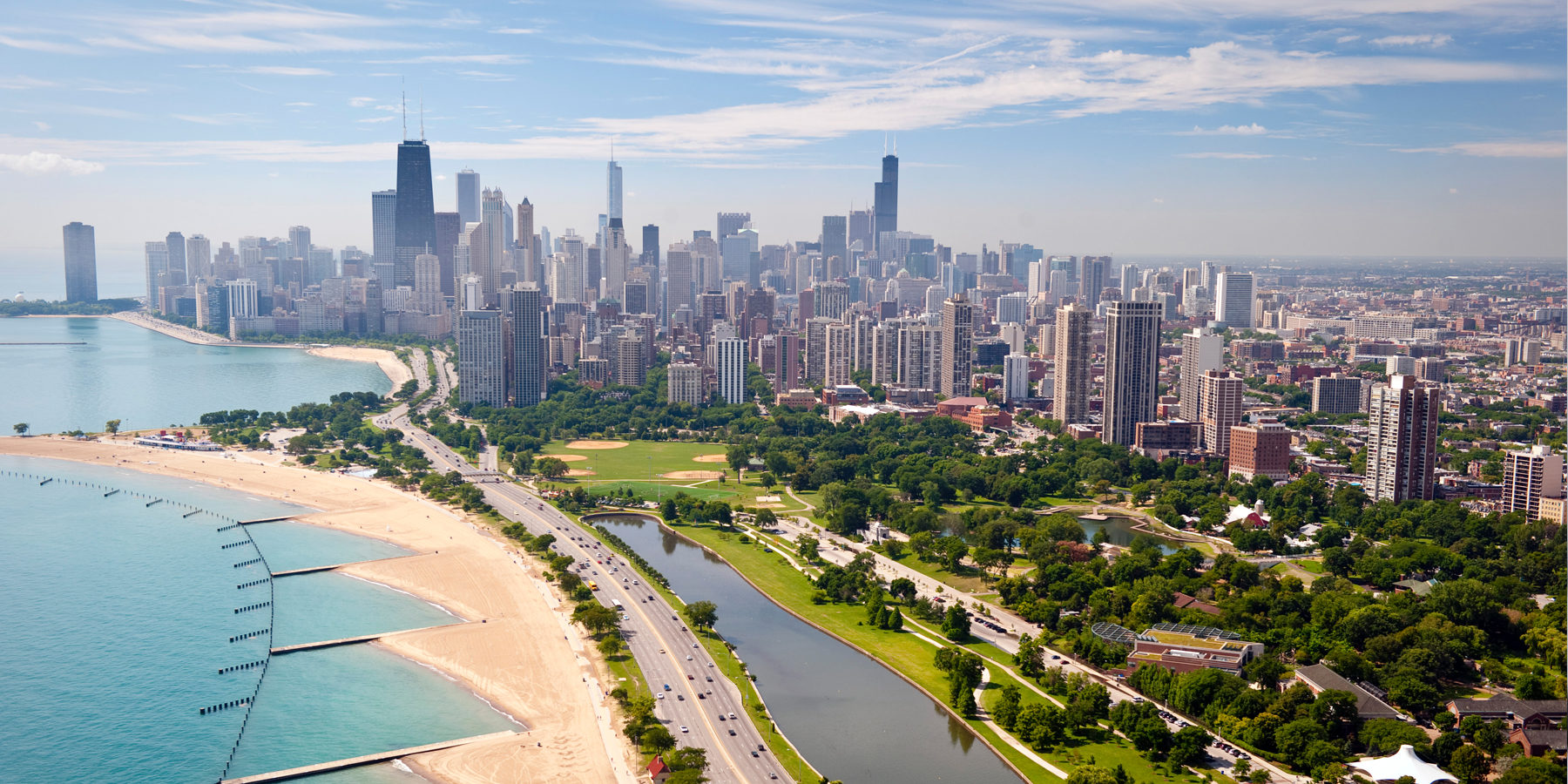
The allure of Chicago is undeniable. Known for its stunning skyline, vibrant arts scene, world-class museums, and a culinary landscape that tantalizes every palate, the “Windy City” beckons travelers from across the globe. Whether you’re planning a quick weekend getaway or an extended exploration, a crucial first step in your journey is understanding the travel time involved. This guide delves into the various factors that influence how long it takes to reach Chicago, catering to a wide range of travel styles and preferences, from luxury seekers to budget adventurers.
Understanding the Variables: Factors Influencing Your Journey to Chicago
The question “How long does it take to get to Chicago?” doesn’t have a single, simple answer. The duration of your trip is a mosaic pieced together by several key variables. Understanding these elements will empower you to accurately estimate your travel time and plan your itinerary with confidence.
Mode of Transportation: The Foundation of Your Travel Time
The most significant determinant of your travel duration is undoubtedly your chosen mode of transport. Each method offers a unique blend of speed, cost, and experience.
Flying: The Swift Sojourn
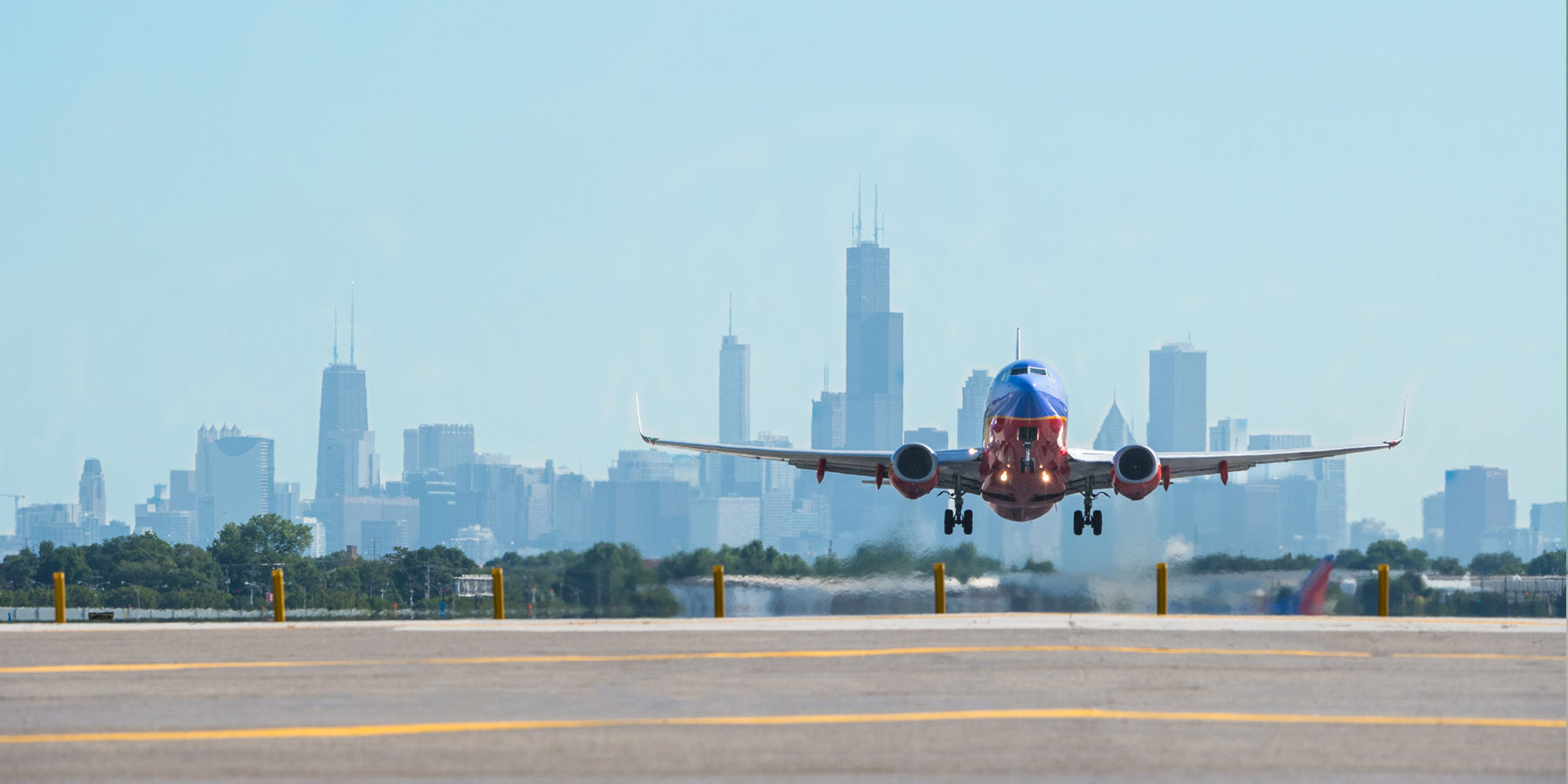
For the vast majority of travelers coming from distant locations, air travel is the quickest and most practical option. Chicago is a major air travel hub, served by two primary airports: O’Hare International Airport (ORD) and Midway International Airport (MDW). Both handle a massive volume of domestic and international flights daily.
- Domestic Flights: From major U.S. cities, flight times to Chicago can vary significantly. For instance, a flight from New York City might take approximately 2 to 2.5 hours of actual flight time. From the West Coast, such as Los Angeles or San Francisco, expect flight times to be around 4 to 5 hours. Flights from the southern United States, like Miami, typically range from 3 to 3.5 hours. These are just flight times; it’s crucial to factor in airport procedures.
- International Flights: Travelers arriving from overseas will, of course, experience much longer journeys. Flights from London can take around 8 to 9 hours. From Tokyo, it’s a substantial commitment of about 12 to 13 hours. From Sydney, you’re looking at over 15 hours of flight time, often with at least one stop.
Beyond the airborne journey, remember to account for:
- Travel to the Airport: This can range from 30 minutes to over an hour, depending on your departure location and traffic.
- Airport Check-in and Security: Aim to arrive at least 2 hours before domestic flights and 3 hours before international flights.
- Boarding and Taxiing: This adds another 30-60 minutes to your departure.
- Deplaning and Baggage Claim: Depending on your flight’s arrival and the airport’s efficiency, this can take anywhere from 15 minutes to over an hour.
- Travel from the Airport to Your Accommodation: Both O’Hare and Midway are well-connected to the city center via public transportation (the ‘L’ train) and taxis/rideshares, but travel time can still be 30 minutes to over an hour, especially during peak hours.
Therefore, while a flight to Chicago might be listed as 3 hours, the total door-to-door travel time can easily stretch to 7-10 hours or more for domestic travel, and 15-24 hours for international journeys.
Driving: The Road Trip Adventure
For those who prefer the freedom and flexibility of a road trip, driving to Chicago offers a different kind of travel experience. The time it takes is highly dependent on your starting point and how much you stop along the way.
- From Nearby States: Driving from cities in neighboring states like Milwaukee, Indianapolis, or St. Louis can be relatively quick, often taking between 3 to 5 hours without significant stops. This makes Chicago a popular weekend destination for residents of the Midwest.
- From Further Afield: For travelers coming from regions like New York or Boston, driving is a multi-day commitment. A direct drive without overnight stays would be impractical and unsafe, typically taking 12-15 hours of pure driving time. This usually translates to a 2-day trip with at least one overnight stop.
- Cross-Country Drives: Journeys from the West Coast, such as Los Angeles to Chicago, are epic road trips. This can take anywhere from 4 to 7 days, allowing for sightseeing and breaks along the scenic routes.
When planning a road trip, consider:
- Driving Hours Per Day: Most people find it comfortable to drive 8-10 hours per day.
- Traffic Conditions: Chicago and its surrounding areas can experience heavy traffic, especially during rush hours.
- Rest Stops and Sightseeing: These add to the overall travel time but are often part of the appeal of a road trip.
- Vehicle Maintenance and Fuel Stops: Essential for a safe and uninterrupted journey.
Train Travel: A Scenic and Relaxing Alternative
For a more leisurely and scenic journey, train travel offers a unique perspective. Amtrak operates numerous routes that connect to Chicago‘s iconic Union Station.
- Regional Routes: Services from cities like Milwaukee, Detroit, or St. Louis can take anywhere from 2 to 6 hours. This is a convenient option for those seeking a comfortable, city-center to city-center journey without the hassle of airport security.
- Long-Distance Routes: Traveling to Chicago by train from further afield, such as from the East Coast (e.g., New York, Washington D.C.) or the West Coast (e.g., Seattle, San Francisco), involves overnight journeys. These trips can take anywhere from 18 hours to over 30 hours, offering a chance to relax, enjoy the scenery, and even sleep in a private sleeper car.
Train travel, while often slower than flying, provides an opportunity to unwind and appreciate the evolving landscapes. It’s a fantastic choice for those who prioritize the journey as much as the destination and enjoy a slower pace of travel.
Distance and Geography: The Miles That Matter
The sheer distance between your starting point and Chicago is a fundamental factor. Chicago is located in the heart of the Midwest, a central position that makes it accessible from many parts of the United States but also implies significant travel times from coastal regions.
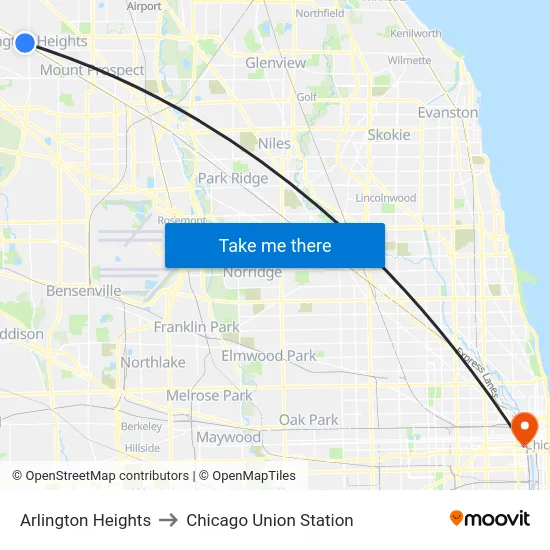
- Proximity: Cities within a few hundred miles of Chicago will naturally have much shorter travel times, whether by car or train.
- Continental Divide: Journeys from the East Coast or West Coast involve crossing a significant portion of the North American continent, inherently increasing travel durations.
- International Locations: For international travelers, the distance is amplified, often requiring multiple flights and considerable time zone adjustments.
Time of Year and Day: Navigating the Calendar and Clock
While not as direct as the mode of transport, the time of year and the specific day you choose to travel can indirectly impact your journey duration.
- Peak Travel Seasons: During major holidays like Thanksgiving, Christmas, or summer vacation periods, airports and major roadways can be significantly more congested. This can lead to longer wait times for flights, increased traffic on highways, and potentially delays.
- Weather Conditions: Chicago experiences all four seasons, and extreme weather can have a substantial impact on travel. Blizzards in winter can ground flights and make driving hazardous, while severe thunderstorms in summer can cause flight cancellations and delays. Planning your travel around anticipated weather patterns can be beneficial.
- Time of Day: Traveling during rush hour in or around Chicago will invariably increase your ground transportation time from the airport or upon arrival by car. Choosing off-peak travel times can make a noticeable difference in your overall transit duration.
Planning Your Chicago Experience: Accommodation and Activities
Once you’ve determined how long it will take to get to Chicago, the next logical step is to plan your stay. The city offers a diverse array of accommodations and activities to suit every traveler’s needs and interests.
Finding the Perfect Stay: From Luxury Resorts to Cozy Apartments
Your choice of accommodation plays a vital role in your Chicago experience and can influence the time you spend traveling to and from attractions.
- Downtown and River North: Staying in areas like the Loop or River North places you at the heart of the action. You’ll be within walking distance of many major attractions, including the Art Institute of Chicago, Millennium Park (home to the iconic Cloud Gate sculpture, affectionately known as “The Bean”), and world-class dining. Hotels here range from opulent five-star establishments like The Langham Chicago to boutique options.
- Lincoln Park and Lakeview: These vibrant neighborhoods offer a more local feel with charming tree-lined streets, independent boutiques, and a plethora of restaurants and bars. They are well-connected to downtown via public transit, but you might spend an extra 20-30 minutes commuting to some central sights. You can find a variety of hotels and vacation apartments here.
- Magnificent Mile: This stretch of Michigan Avenue is synonymous with luxury shopping and offers some of Chicago‘s most prestigious hotels, including the Park Hyatt Chicago and the Four Seasons Hotel Chicago. Staying here provides immediate access to high-end retail and many of the city’s most celebrated landmarks.
- Long-Term Stays: For extended visits, consider serviced apartments or vacation rentals in neighborhoods like Wicker Park or Old Town. These can offer more space and a kitchen, allowing you to immerse yourself in the local lifestyle.
The proximity of your chosen hotel or apartment to the attractions you wish to visit will significantly impact your daily travel time within the city.
Embracing the Windy City’s Offerings: Attractions and Experiences
Chicago boasts an embarrassment of riches when it comes to things to see and do. The time you spend at each attraction will, of course, depend on your interests.
- Museum Hopping: Chicago is a museum lover’s paradise. The Art Institute of Chicago, the Field Museum, the Museum of Science and Industry, and the Shedd Aquarium are world-renowned. Dedicate at least half a day, if not a full day, to exploring each of these institutions.
- Architectural Marvels: Take an architecture boat tour on the Chicago River for unparalleled views of the city’s iconic buildings. Explore the historic Water Tower or marvel at the Willis Tower (formerly Sears Tower) skydeck for panoramic vistas.
- Parks and Green Spaces: Millennium Park and Grant Park are urban oases offering public art, gardens, and event spaces. A leisurely stroll or a picnic here can easily fill a few hours. Lincoln Park Zoo offers free admission and is a fantastic way to spend an afternoon.
- Culinary Delights: From deep-dish pizza at institutions like Lou Malnati’s or Giordano’s to Michelin-starred restaurants and diverse ethnic eateries, Chicago‘s food scene is legendary. Factor in time for meals, be it a quick bite or a multi-course dining experience.
- Live Entertainment: Catch a show in the historic Theater District, experience live jazz or blues, or cheer on a Chicago Cubs game at Wrigley Field. Evening entertainment can easily consume several hours.
When planning your itinerary, consider the travel time between these attractions. Chicago has an excellent public transportation system (the ‘L’ trains and buses), but moving between different neighborhoods can still take 20-40 minutes. Grouping activities by geographic location will help maximize your time and minimize transit.
Maximizing Your Time in Chicago: Tips for Efficient Travel
Whether you have a few days or a week, making the most of your time in Chicago requires smart planning and a good understanding of how to navigate the city efficiently.
Leveraging Public Transportation and City Navigation
Chicago‘s public transit system, operated by the Chicago Transit Authority (CTA), is a vital tool for any traveler.
- The ‘L’ Train System: The elevated and subway ‘L’ trains provide rapid access to most major attractions and neighborhoods. Purchasing a Ventra card or using contactless payment methods makes hopping on and off easy. Different lines connect directly to both O’Hare and Midway airports, offering a cost-effective and often time-saving way to reach your accommodation.
- Buses: A comprehensive bus network complements the ‘L’ system, reaching areas not served by rail.
- Walking: Many of Chicago‘s central attractions are within walking distance of each other, particularly in the Loop, River North, and along the Magnificent Mile. Embracing a walkable approach can be a delightful way to discover the city’s nuances.
- Ride-Sharing and Taxis: Services like Uber and Lyft are readily available and can be convenient, especially for travel late at night or to specific destinations not easily reached by public transit. However, they can be more expensive and subject to traffic delays.
Creating a Realistic Itinerary
The key to efficiently experiencing Chicago lies in creating an itinerary that balances your interests with realistic travel times.
- Prioritize: You can’t see everything in one trip. Identify your must-do activities and attractions and build your schedule around them.
- Group Activities Geographically: When planning your days, try to cluster attractions that are close to each other. For instance, you could dedicate a day to exploring the museums and parks in the Grant Park area, then another day to the Magnificent Mile and River North.
- Factor in Buffer Time: Always add extra time for unexpected delays, leisurely exploration, or simply to relax and enjoy the atmosphere.
- Book in Advance: For popular attractions, shows, or highly-rated restaurants, booking tickets or making reservations in advance can save you considerable time waiting in line.
By carefully considering your travel method, the distance you’ll cover, and how you plan to navigate and experience the city, you can accurately estimate how long it takes to get to Chicago and, more importantly, how long you’ll need to truly enjoy all it has to offer. The Windy City awaits your exploration!
LifeOutOfTheBox is a participant in the Amazon Services LLC Associates Program, an affiliate advertising program designed to provide a means for sites to earn advertising fees by advertising and linking to Amazon.com. Amazon, the Amazon logo, AmazonSupply, and the AmazonSupply logo are trademarks of Amazon.com, Inc. or its affiliates. As an Amazon Associate we earn affiliate commissions from qualifying purchases.