
Planning a trip to Orlando, Florida – the undisputed theme park capital of the world – invariably begins with one crucial question: How long will it take to get there? While the answer isn’t a simple number, it’s a dynamic calculation influenced by a myriad of factors, from your starting point to your chosen mode of transport and even the time of year you travel. Understanding these variables is key to setting realistic expectations and planning a smooth, stress-free journey to this vibrant destination.
The Dynamic Nature of Travel Time to Orlando
The journey to Orlando is a highly individualized experience. What might be a swift few hours for one traveler could be an epic multi-day adventure for another. Disentangling these variables allows for a clearer picture of your specific travel timeline.

Key Factors Influencing Your Journey
- Starting Location: This is, without a doubt, the most significant determinant. A flight from a neighboring state will naturally be shorter than one from across the country or another continent. Driving distances vary even more dramatically.
- Mode of Transportation: Air travel is typically the fastest, followed by driving, and then rail or bus. Each offers a distinct balance of speed, cost, and comfort.
- Time of Year & Day: Peak travel seasons (like summer, spring break, and holidays) can lead to increased airport congestion, longer security lines, and heavier road traffic. Even the day of the week or time of day can add significant hours to your journey, particularly if you’re driving through major metropolitan areas during rush hour.
- Layovers & Stop Considerations: Direct flights are generally quicker than those with layovers. Similarly, a road trip without planned stops will be faster than one designed for scenic detours and overnight stays. Accounting for these pauses is crucial for an accurate total travel time.
- Unexpected Delays: Weather, mechanical issues, air traffic control restrictions, or unforeseen road closures can all add unpredictable hours to your travel. While impossible to perfectly plan for, building in a buffer can mitigate their impact on your itinerary.
Air Travel: Speed and Efficiency to the Theme Park Capital
For many, flying is the preferred and often most practical way to reach Orlando. It cuts down travel time significantly, especially for those originating from distant locales.
Domestic Flights to Orlando
Direct flight times to Orlando from various regions within the US can be surprisingly quick:
- From the Northeast (New York City, Boston, Philadelphia): Expect flight durations ranging from approximately 2.5 to 3 hours. When factoring in check-in, security, boarding, taxiing, and baggage claim, total airport time typically adds another 2-3 hours to the actual flight.
- From the Midwest (Chicago, Detroit): Direct flights usually take between 2.5 and 3.5 hours. Again, plan for additional airport processing time.
- From the West Coast (Los Angeles, San Francisco, Seattle): These longer journeys typically involve direct flights of about 5 to 6 hours. With the time zone difference, a morning departure from the West Coast means an evening arrival in Orlando.
- From the South (Atlanta, Charlotte): As closer neighbors, these flights can be as short as 1.5 to 2 hours.
It’s important to remember that the listed times are strictly “wheels up to wheels down.” Your door-to-door travel time will always be longer, encompassing commutes to and from airports, security checkpoints, and baggage collection.
International Flights to Orlando
Orlando is a major international gateway, welcoming visitors from across the globe.
- From Europe (London, Dublin, etc.): Direct flights typically range from 8 to 9 hours, though some routes may take slightly longer. Remember to account for the significant time difference and potential jet lag.
- From Canada (Toronto, Montreal): Direct flights are generally 2.5 to 3.5 hours, making Orlando an accessible escape for many Canadians.
- From Latin America (Mexico City, Bogota, etc.): Flight times vary, but many direct routes fall within the 2.5 to 4-hour range.
For international travelers, additional time must be allocated for customs and immigration clearance upon arrival at a US port of entry, which can add anywhere from 30 minutes to several hours depending on passenger volume.
Orlando’s Airports
Orlando is served by two primary airports:
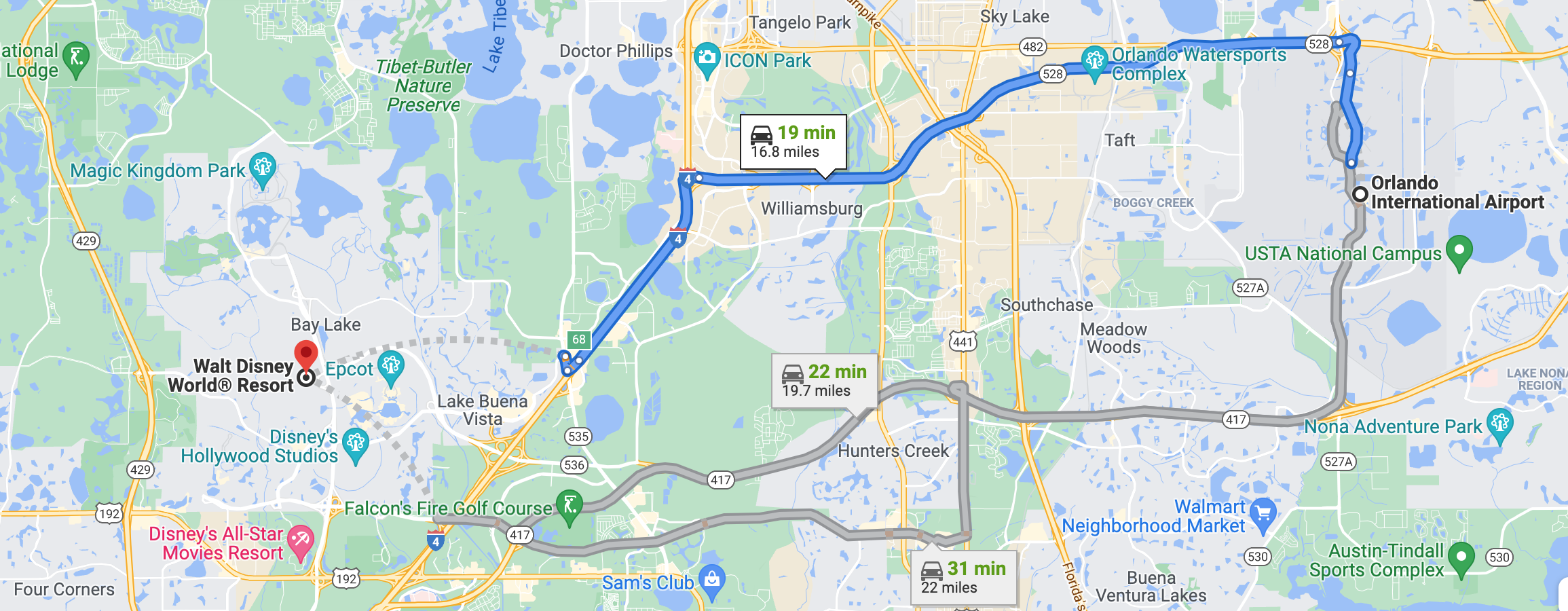
- Orlando International Airport (MCO): This is the larger and busier of the two, handling the vast majority of domestic and international flights. It’s conveniently located closer to major attractions like Walt Disney World Resort and Universal Orlando Resort, usually within a 20-30 minute drive.
- Orlando Sanford International Airport (SFB): Smaller and often used by budget airlines, SFB is located further north, about 45 minutes to an hour’s drive from the main Orlando attractions. If flying into SFB, remember to factor in this additional ground transfer time and cost.
Road Tripping: The Scenic Route to Orlando
For many, a road trip to Orlando is an essential part of the vacation experience, offering flexibility and the chance to see more along the way. However, it also means significantly longer travel times.

Driving Times from Key US Regions
- From the Southeast (Atlanta, Georgia): A relatively manageable drive of about 6-7 hours, making it a popular choice for a single-day trip.
- From the Northeast (New York City): This journey typically spans 16-18 hours of pure driving time. Most travelers break this up into a two-day trip with an overnight stop.
- From the Midwest (Chicago, Illinois): Prepare for an 18-20 hour drive, which almost certainly requires at least one overnight stop, if not two.
- From Texas (Houston): A long haul of approximately 14-16 hours, often planned as a two-day journey.
- Within Florida (Miami): A shorter drive of about 3.5-4 hours, though traffic can extend this significantly.
Factors Affecting Driving Time
- Traffic Congestion: Florida’s major interstates, particularly I-4 leading into Orlando itself, I-75, and I-95, can experience heavy congestion, especially during peak travel times, holidays, and weekends. Always build in extra time.
- Stops: Crucial for safety and comfort, regular stops for fuel, food, rest, and stretching add to the total journey time. Planning for 30-60 minute stops every few hours is a good practice.
- Speed Limits & Road Conditions: Adhering to speed limits and being aware of road construction or unexpected detours are vital.
- Tolls: Florida has numerous toll roads. While they can sometimes offer a quicker route, they add to the cost and can involve brief stops if not using an electronic toll pass.
Rail and Bus Travel: A Different Pace to Orlando
While less common for those prioritizing speed, rail and bus travel offer unique advantages like affordability, the ability to relax and enjoy the scenery, and avoiding the stresses of driving or airport security.
Rail Travel with Amtrak
Amtrak provides service to Orlando’s conveniently located Orlando Amtrak Station downtown. It’s a journey often chosen for the experience rather than sheer speed.
- From New York City: Via the Silver Meteor or Silver Star routes, the journey can take approximately 20-24 hours. These routes offer amenities like sleeper cars, dining cars, and lounge areas.
- From Washington D.C.: Expect a travel time of around 17-20 hours on the same Silver Service lines.
Rail travel generally involves fewer direct transfers and allows passengers to avoid traffic and focus on enjoying the journey itself.
Bus Services
Companies like Greyhound and FlixBus offer extensive networks to Orlando. Bus travel is typically the most economical option but also the slowest due to multiple stops and potential transfers.
- From Atlanta: Bus journeys often range from 9-10 hours.
- From Miami: A bus ride would typically take 4-5 hours.
Total travel time by bus will depend heavily on the specific route, the number of scheduled stops, and any unexpected delays.
Maximizing Your Orlando Travel Experience
Regardless of your chosen mode of transport, a well-planned journey to Orlando can significantly enhance your overall travel experience.
Strategic Planning for a Smooth Journey
- Book in Advance: Especially for flights and accommodation during peak seasons, booking early can secure better prices and preferred times.
- Consider Off-Peak Travel: If your schedule allows, traveling during weekdays or outside of major holidays can mean fewer crowds, shorter lines, and potentially lower costs for both transportation and attractions.
- Utilize Travel Apps: Navigation apps for driving, flight tracker apps for air travel, and real-time transit apps can be invaluable tools for staying updated and navigating smoothly.
- Pack Smart: Keep essential items easily accessible, particularly on longer journeys. For flights, this means having documents, entertainment, and any necessary medications in your carry-on. For road trips, snacks and comfort items are key.
- Build in Buffer Time: Always add a cushion to your estimated travel times. Whether it’s an extra hour for airport procedures or an additional stop on a road trip, buffer time can transform potential stress into relaxed flexibility.
Making the Journey Part of the Adventure
Instead of viewing the travel time as a mere hurdle, consider it an integral part of your Orlando adventure. For road trippers, this could mean identifying charming towns or natural wonders along your route for brief, memorable stops. Train travel offers a unique opportunity to unwind, read, or simply gaze out the window at changing landscapes. Even at the airport, strategic use of lounges or pleasant dining can make the waiting game more enjoyable.
Ultimately, getting to Orlando, Florida is as much about the journey as it is about the destination. By thoughtfully considering your options and planning ahead, you can ensure your arrival at the “Happiest Place on Earth” is as enjoyable and seamless as the magic that awaits.
LifeOutOfTheBox is a participant in the Amazon Services LLC Associates Program, an affiliate advertising program designed to provide a means for sites to earn advertising fees by advertising and linking to Amazon.com. Amazon, the Amazon logo, AmazonSupply, and the AmazonSupply logo are trademarks of Amazon.com, Inc. or its affiliates. As an Amazon Associate we earn affiliate commissions from qualifying purchases.