
When a loved one passes away in Texas, one of the most pressing questions that often arises is, “How long does probate take?” This legal process, designed to validate a will, identify and value a deceased person’s assets, pay off their debts, and distribute the remaining property to beneficiaries, can feel like a significant hurdle during an already emotional time. While the thought of navigating legal complexities might seem daunting, understanding the typical timeline and the factors that influence it can provide much-needed clarity and peace of mind.
The length of probate in Texas is not a one-size-fits-all answer. It’s a dynamic process influenced by a variety of elements, ranging from the complexity of the deceased’s estate to the efficiency of the legal system itself. For those planning a trip to Texas, perhaps to visit family or explore the vibrant culture of a city like Austin or Dallas, the concept of time is often measured in days for a vacation or weeks for a more extended exploration. However, in the context of probate, time is counted in months, and sometimes even longer. This article aims to demystify the probate timeline in Texas, offering insights that can help beneficiaries anticipate the duration and prepare accordingly, whether they are managing estate affairs or planning their own Texas adventures.
Understanding the Probate Process in Texas
Probate, in its essence, is the court-supervised legal process of settling a deceased person’s estate. In Texas, this process is governed by the Texas Estates Code. The primary goal is to ensure that the deceased’s wishes, as outlined in their will, are carried out, or if there is no will, that their assets are distributed according to state law. This involves several key stages, each contributing to the overall duration of the probate.
Stages of Probate in Texas
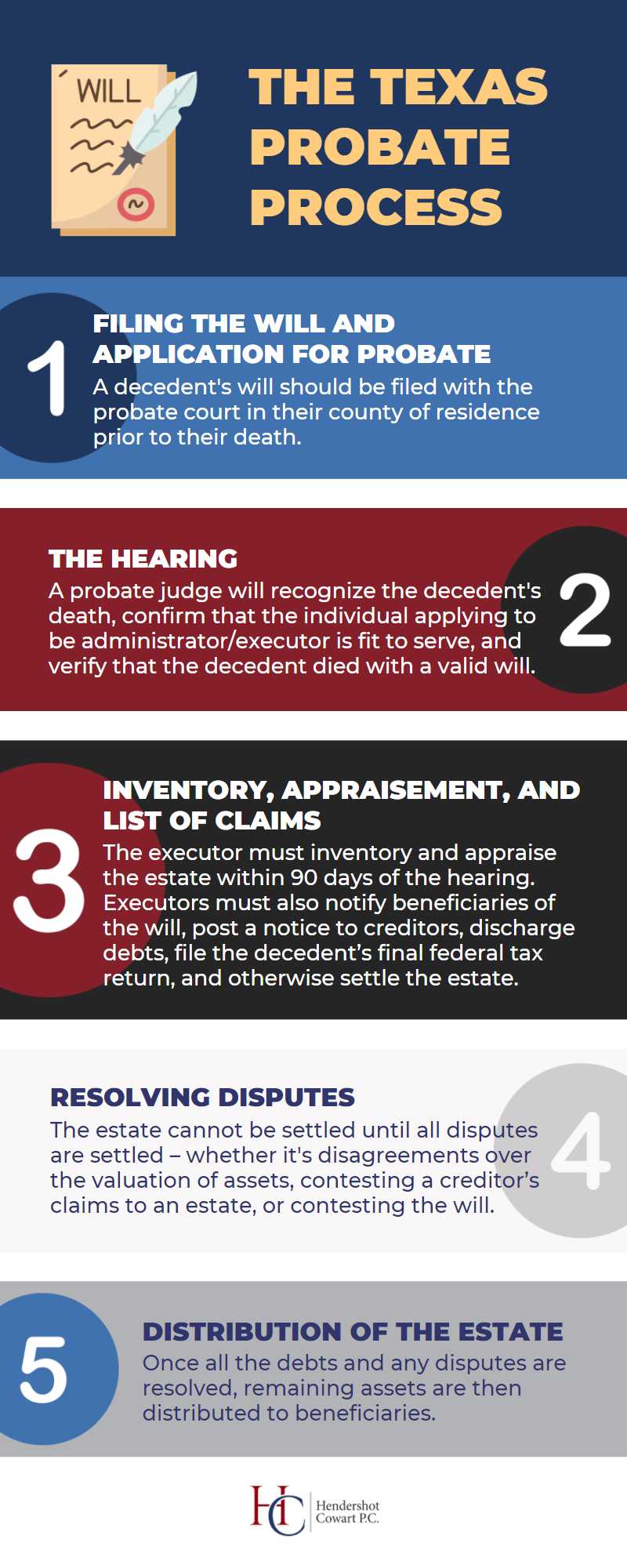
While the exact sequence can vary slightly, the typical stages of probate in Texas include:
- Filing the Will and Petition: The process begins with filing the deceased’s original will (if one exists) and a petition for probate with the appropriate county court. This initial step formally opens the probate case.
- Appointing an Executor or Administrator: The court will officially appoint an executor (if named in the will) or an administrator (if there is no will or the named executor cannot serve) to manage the estate. This individual is responsible for carrying out the estate’s administration.
- Inventorying and Appraising Assets: All assets belonging to the deceased must be identified, inventoried, and appraised to determine their fair market value. This can include real estate, bank accounts, investments, vehicles, and personal property.
- Notifying Creditors: Heirs and creditors must be formally notified of the probate proceedings. This allows creditors to submit claims for any outstanding debts owed by the deceased.
- Paying Debts and Taxes: Valid claims from creditors are paid from the estate’s assets. Additionally, any applicable estate taxes or inheritance taxes must be calculated and paid.
- Distributing Assets to Beneficiaries: Once all debts, taxes, and administrative expenses have been settled, the remaining assets are distributed to the beneficiaries according to the will or state law.
- Closing the Estate: The final step involves filing a final accounting and petitioning the court to close the estate, effectively releasing the executor or administrator from their duties.
Each of these stages requires careful attention to detail, legal filings, and often communication with various parties, all of which contribute to the overall timeline.
Factors Influencing Probate Duration in Texas
The seemingly straightforward stages of probate can be significantly impacted by a multitude of factors. Understanding these variables is crucial for estimating how long the process might take for a specific estate. Much like planning a multi-city Texas road trip, where unexpected detours can extend your travel time, unforeseen complexities in probate can add considerable delay.
Complexity of the Estate
The sheer volume and type of assets within an estate are primary determinants of probate duration. A simple estate with a modest bank account and a single piece of real estate will naturally move through the process much faster than an estate with diverse holdings, including multiple properties, a business, or valuable collections.
- Number and Value of Assets: Estates with numerous bank accounts, investment portfolios, or significant real estate holdings in different locations will require more time for inventorying, appraisal, and transfer. For example, managing the sale of a property like the historic Alamo in San Antonio would involve a far more intricate process than transferring ownership of a single-family home.
- Type of Assets: Certain assets can complicate probate. For instance, assets held in a trust may bypass probate altogether, thus shortening the process. Conversely, assets with complicated titles, such as unique collectibles or businesses with ongoing operations, can add significant time.
- Out-of-State Property: If the deceased owned property in multiple states, each state’s probate laws may need to be addressed, leading to ancillary probate proceedings that can extend the timeline considerably.
Will Contests and Disputes
One of the most significant causes of probate delays is a dispute over the validity of the will. If beneficiaries or other interested parties challenge the will, it can trigger a lengthy legal battle.
- Will Contests: Allegations of undue influence, fraud, lack of testamentary capacity, or improper execution of the will can lead to a formal will contest. These legal battles can involve extensive discovery, depositions, and court hearings, stretching probate for months or even years.
- Disagreements Among Beneficiaries: Even without a formal will contest, disagreements among beneficiaries regarding asset distribution, executor actions, or the interpretation of will provisions can lead to delays as parties attempt to resolve their differences.
Debts and Creditor Claims
The process of identifying and settling debts and creditor claims can also impact the probate timeline.
- Number and Complexity of Debts: A deceased person with numerous outstanding debts, including mortgages, loans, credit card balances, or medical bills, will require more time to identify, verify, and pay off.
- Disputed Claims: If creditors submit claims that are disputed by the executor or beneficiaries, this can lead to further legal proceedings to resolve the validity of the claim.
The Executor’s Role and Efficiency
The executor or administrator plays a pivotal role in the probate process. Their efficiency, diligence, and understanding of their responsibilities can significantly influence how quickly the estate is settled.
- Executor’s Experience and Availability: An experienced executor who is familiar with the probate process and has the time to dedicate to estate matters will generally facilitate a smoother and faster probate. Conversely, an inexperienced or overwhelmed executor may cause delays.
- Communication and Cooperation: Effective communication between the executor, beneficiaries, attorneys, and financial institutions is vital. A lack of cooperation or poor communication can create bottlenecks.
Court Backlogs and Legal Procedures
The efficiency of the probate court itself can be a factor, particularly in busy jurisdictions.
- Court Caseload: In large metropolitan areas like Houston or San Antonio, courts often have substantial caseloads, which can lead to delays in scheduling hearings, processing documents, and issuing orders.
- Legal Requirements: Texas has specific legal requirements and procedures that must be followed precisely. Any misstep or omission in filings can result in delays as documents are corrected or refiled.
Typical Probate Timelines in Texas
While acknowledging the variability, it’s helpful to have a general understanding of expected timelines for probate in Texas. These estimates assume a relatively straightforward estate with no major disputes. For those who might be visiting Texas for leisure, perhaps staying at a luxurious resort in the Texas Hill Country or exploring the vibrant nightlife of Austin, the concept of a “typical” duration is different from legal proceedings.
The Ideal Scenario: A Quick Probate
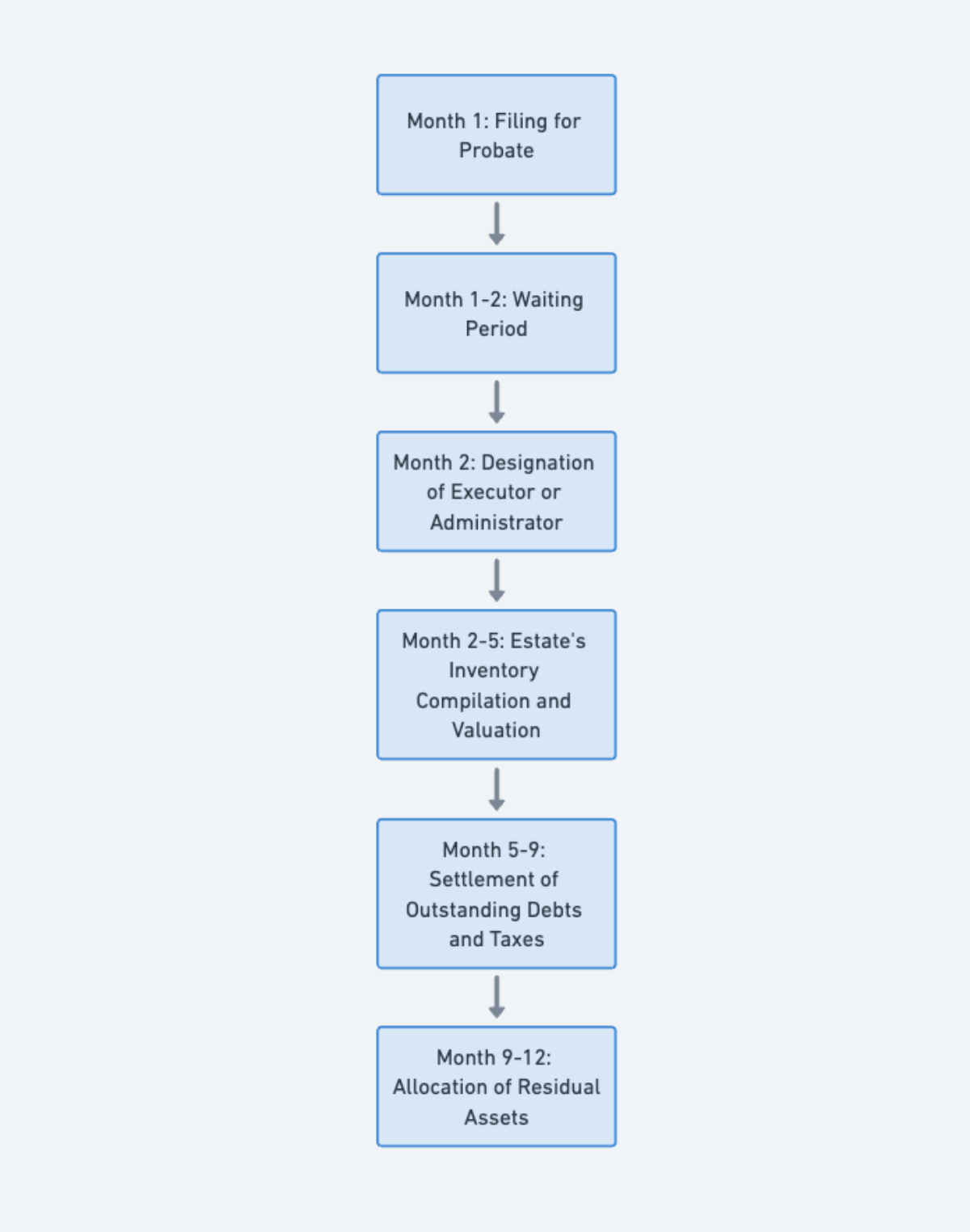
In the most ideal circumstances, where the deceased left a clear and uncontested will, had minimal assets, and no complex debts, probate can sometimes be concluded within six to eight months. This swift resolution is typically achieved when:
- The deceased had a “will that passes muster,” meaning it is clear, unambiguous, and properly executed.
- The estate consists primarily of assets that pass outside of probate, such as jointly owned property or accounts with designated beneficiaries.
- There are very few, if any, debts.
- The executor is highly organized and efficient, and all beneficiaries are in agreement.
- The court system is functioning with minimal delays.
This streamlined process is akin to a perfectly planned itinerary for a short trip to Galveston, where everything goes according to plan with no unexpected issues.
The Average Probate Timeline
For most estates in Texas, a more realistic timeline for probate to be completed ranges from nine months to one year. This average accounts for the standard procedures, potential minor complications, and the typical pace of court dockets. During this period, the executor will be diligently working through the stages outlined earlier, including inventorying assets, notifying creditors, paying off debts, and preparing for the distribution of the estate. This is comparable to planning a longer Texas vacation that requires booking accommodations, arranging transportation, and perhaps obtaining tickets for popular attractions, which naturally takes more time.
Extended Probate Scenarios
Several factors can push the probate timeline well beyond the average, leading to an extended probate period that could last 18 months or even longer. These situations often involve:
- Complex Estate Assets: Estates with multiple properties, business interests, or significant investment portfolios often require more time for valuation, sale, and transfer.
- Probate Litigation: As mentioned, will contests or disputes among beneficiaries can significantly prolong the process, turning a potentially straightforward probate into a drawn-out legal battle.
- Unforeseen Debts or Tax Issues: Discovering significant outstanding debts or complex tax liabilities can create additional layers of work and potential disputes.
- Executor or Beneficiary Relocation: If the executor or key beneficiaries live far away or are difficult to contact, it can slow down communication and decision-making.
- Probate Court Delays: In some areas, especially with high volumes of cases, court backlogs can cause significant delays in scheduling hearings or processing essential documents.
Understanding these potential timelines allows beneficiaries to manage their expectations and make informed decisions. For instance, if you’re planning a long-term stay in Texas, perhaps for an extended business engagement or to fully immerse yourself in the local lifestyle, you’d naturally allocate more time and resources. Similarly, in probate, anticipating potential delays allows for better planning and reduces unnecessary stress during an already challenging period.
Navigating the probate process in Texas can be a complex undertaking, but by understanding the typical timelines and the factors that influence them, you can be better prepared for what lies ahead. While no one wishes for the circumstances that necessitate probate, a clear understanding of the legal landscape can bring a sense of control and predictability to a situation that is often marked by uncertainty. Whether you are managing the affairs of a loved one or planning your own future, knowledge is indeed power.
LifeOutOfTheBox is a participant in the Amazon Services LLC Associates Program, an affiliate advertising program designed to provide a means for sites to earn advertising fees by advertising and linking to Amazon.com. Amazon, the Amazon logo, AmazonSupply, and the AmazonSupply logo are trademarks of Amazon.com, Inc. or its affiliates. As an Amazon Associate we earn affiliate commissions from qualifying purchases.