
Alaska, the United States’ largest and most northern state, captivates travelers with its raw wilderness, majestic landscapes, and unique relationship with the sun. The question of how long the sun stays up in Alaska is central to understanding the visitor experience, profoundly influencing everything from activity planning to sleep patterns. Due to its high latitude, Alaska experiences extreme variations in daylight hours throughout the year, from the continuous glow of the midnight sun in summer to the prolonged twilight of winter. This phenomenon, born from the Earth’s axial tilt, creates distinct seasons, each offering a vastly different, yet equally compelling, travel adventure. Understanding these light cycles is paramount for anyone planning a trip to this magnificent frontier, ensuring an experience tailored to the unique rhythms of the Arctic and sub-Arctic.
The Land of Extreme Light: A Geographical Marvel
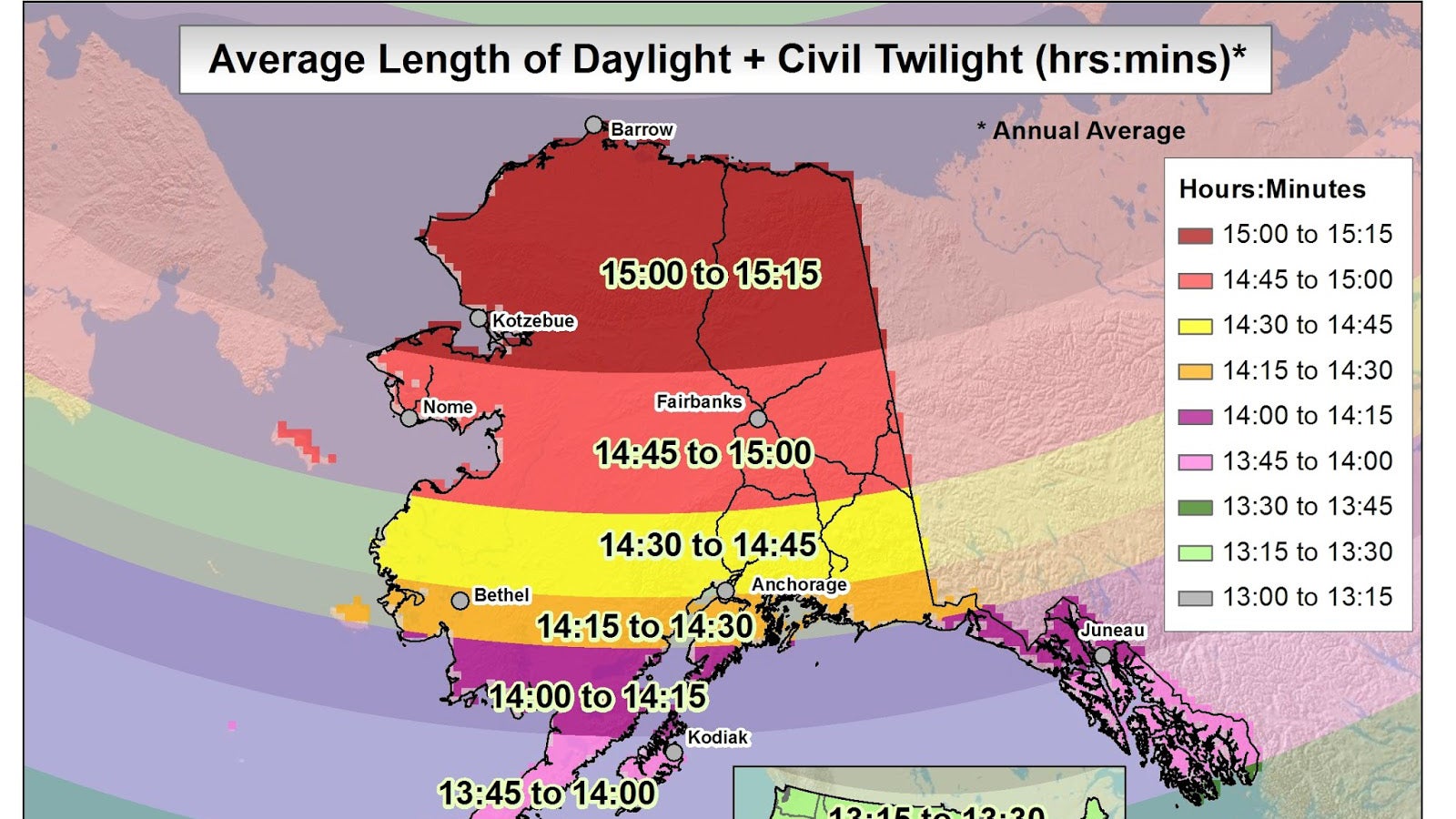
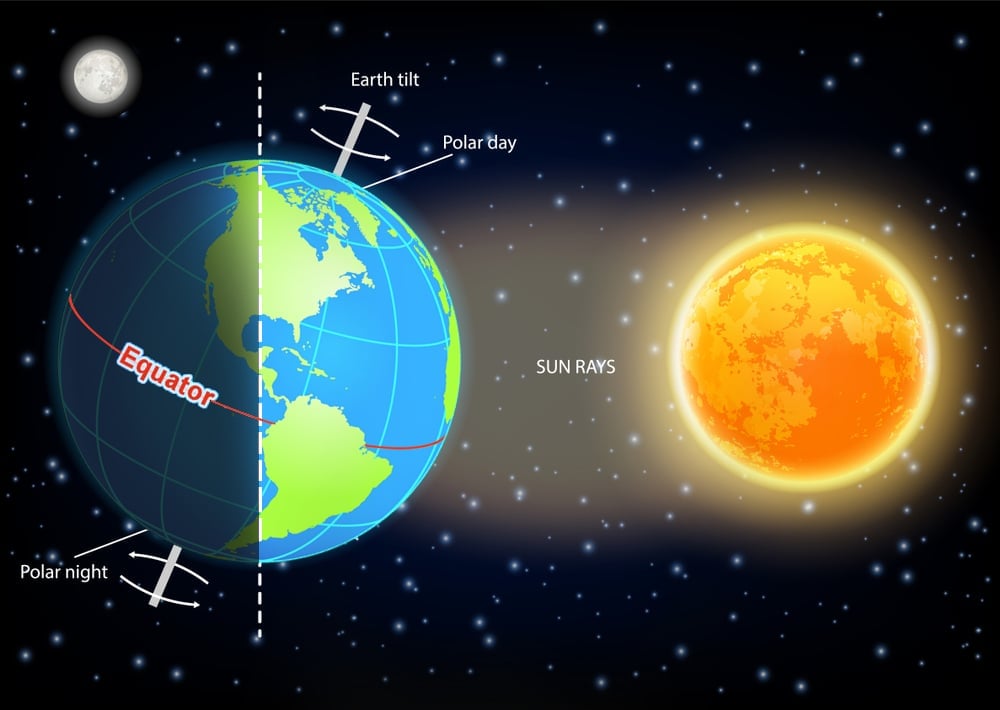
Alaska’s position on the globe dictates its dramatic daylight patterns. Spanning latitudes from approximately 51°N to over 71°N, the state is nestled within the sub-Arctic and Arctic regions. This proximity to the North Pole is the primary driver of its extreme photoperiods. The Earth’s axial tilt of about 23.5 degrees means that as our planet orbits the sun, different parts are exposed to more direct sunlight at various times of the year. For regions far from the equator, like Alaska, this tilt results in periods when the sun never fully sets during summer and periods when it barely rises above the horizon in winter.
The most iconic manifestation of this is the phenomenon known as the Midnight Sun. During the summer months, particularly around the Summer Solstice in June, areas north of the Arctic Circle experience 24 hours of continuous daylight. Even south of the Arctic Circle, cities like Anchorage and Juneau still enjoy incredibly long days, with twilight extending for hours, making for exceptionally bright evenings. This prolonged daylight fundamentally shapes the flora, fauna, and human activities across the state, creating a vibrant, energetic atmosphere that invites endless exploration. Travelers accustomed to standard daylight hours often find this perpetual light both exhilarating and disorienting, requiring minor adjustments to fully embrace the unique Alaskan pace.
Seasonal Variations: What Travelers Can Expect
The sun’s presence in Alaska is a dynamic element, transforming the landscape and traveler experience with each passing season.
Summer Solstice: Endless Days and Midnight Sun Activities
From late May to early August, Alaska basks in its longest days. The Summer Solstice, typically around June 20-21, marks the peak. North of the Arctic Circle, cities such as Utqiagvik (formerly Barrow) experience over 80 consecutive days without the sun dipping below the horizon. Further south, Fairbanks, just south of the Arctic Circle, enjoys close to 24 hours of usable daylight for several weeks, with the sun merely “dipping” below the horizon for a brief twilight period. Anchorage sees around 19-20 hours of daylight in June, while even Juneau, in the comparatively milder southeast, benefits from over 18 hours.
This abundance of light fuels an incredible array of activities. Travelers can embark on hiking expeditions in Denali National Park well into the evening, cast a fishing line for salmon at 10 PM, or enjoy a late-night wildlife cruise without the constraints of darkness. The vibrant energy of the season is palpable, with festivals like the Midnight Sun Festival in Fairbanks celebrating the unique light. This period is prime for outdoor enthusiasts seeking to maximize their daylight hours for adventure.
Winter Solstice: Embracing the Polar Night and Northern Lights
The contrast to summer is stark. From late November to early February, Alaska plunges into its darkest days, with the Winter Solstice (around December 21-22) marking the shortest daylight period. North of the Arctic Circle, the sun may not rise at all for weeks or even months – a phenomenon known as the polar night. Utqiagvik experiences approximately 65 days of continuous darkness, albeit with a few hours of civil twilight. Fairbanks sees around 3-4 hours of direct daylight during the solstice, while Anchorage gets about 5.5 hours. Juneau receives slightly more, around 6.5 hours.
While challenging for some, this period is magical for others, particularly those chasing the ethereal Northern Lights (Aurora Borealis). The extended darkness provides ideal conditions for viewing this celestial dance. Winter also opens opportunities for unique snow-based activities like dog sledding, ice fishing, and snowmobiling, often illuminated by moonlight or the aurora. Travelers during this season should prepare for cold temperatures and embrace the quiet solitude and profound beauty of the Alaskan winter.
Spring and Fall: Transitional Light and Unique Opportunities
Spring (March-April) and Fall (September-October) are transitional seasons offering a balance of increasing or decreasing daylight. In spring, days rapidly lengthen, melting snow and bringing wildlife out of hibernation. It’s an excellent time for wildlife viewing as animals become more active. Fall, with its crisp air and vibrant autumn foliage, provides decreasing daylight but still ample hours for exploration. These shoulder seasons can be ideal for travelers looking for fewer crowds and a unique blend of experiences, from active pursuits to opportunities for Northern Lights viewing as the nights grow longer. The light quality during these times, especially in fall, can be exceptionally beautiful for photographers, with golden hours stretching out.
Planning Your Alaskan Adventure: Making the Most of Daylight
Understanding Alaska’s light cycles is key to planning a successful and fulfilling trip. Your chosen activities will heavily dictate the best time to visit.
Summer Travel: Maximizing Outdoor Experiences
For most first-time visitors, summer is the popular choice, precisely because of the abundant daylight. The continuous light allows for extended hours of exploration.
- Extended Hiking and Backpacking: Trails in Denali National Park, the Chugach Mountains, and along the Alaska Range can be enjoyed for longer, offering more flexibility.
- Wildlife Viewing: Bears, moose, caribou, and marine life like whales and puffins are active. Boat tours in Resurrection Bay or through the Inside Passage can run late.
- Fishing: The long days are excellent for fishing salmon and halibut, especially in prime locations like Kenai River or Homer.
- Glacier Cruises and Kayaking: Explore fjords and ice formations without rushing back before dark.
Travelers should pack layered clothing for varying temperatures and consider booking accommodations and tours well in advance, as this is peak season.
Winter Travel: Strategic Planning for Limited Light
Winter travel requires a different mindset and strategic planning to make the most of the limited daylight.
- Northern Lights Hunting: Position yourself in areas with minimal light pollution, like outside Fairbanks or Anchorage, and prioritize clear, dark nights.
- Dog Sledding: Many operators offer tours, from short rides to multi-day excursions. Some experiences are even enhanced by the darkness and aurora.
- Skiing and Snowboarding: Resorts like Alyeska Resort near Girdwood offer excellent conditions. Day runs will be shorter, but night skiing under lights is often an option.
- Cultural Experiences: Take advantage of indoor activities, museums, and local events during the shorter daylight hours.
Embrace the coziness of winter. Prioritize warm clothing, consider a vehicle with good winter tires, and be flexible with plans due to potential weather changes.
Essential Gear for Varying Light Conditions
Regardless of the season, a few items can enhance your Alaskan experience:
- Eye Mask: Absolutely essential for summer travelers to ensure restful sleep amidst perpetual daylight.
- Layers: Always pack versatile layers for rapid weather and temperature changes.
- Headlamp or Flashlight: Crucial for winter excursions, especially when walking or exploring outside developed areas.
- Sunscreen and Sunglasses: Even in winter, sunlight reflecting off snow can be intense. In summer, the long days mean prolonged UV exposure.
- Bug Spray: Especially in summer, the warmer temperatures and standing water create a thriving environment for mosquitoes and other insects.
Adapting to Alaska’s Unique Rhythms
Adjusting to the extreme light variations is part of the Alaskan adventure.
Sleep Schedules and Light Management
In summer, the constant daylight can disrupt circadian rhythms. Many Alaskans use blackout curtains, and travelers should seek accommodations offering them. Sticking to a routine sleep schedule as much as possible, even with the sun up, is advisable. Conversely, in winter, the short days can lead to seasonal affective disorder (SAD) for some. Maximize exposure to natural light during daylight hours, use light therapy lamps if needed, and ensure a comfortable sleep environment.
Photography Tips for Extreme Light
Photographers will find Alaska’s unique light cycles both challenging and rewarding. In summer, the “golden hour” for photography can extend for several hours around midnight, offering soft, diffused light. Conversely, midday light can be harsh. In winter, the short, low sun creates dramatic long shadows and deep golden light. Capturing the Northern Lights requires patience, a sturdy tripod, and a wide-angle lens. Mastering these conditions yields truly spectacular and unique images.

Beyond Daylight: Unique Alaskan Experiences Tied to Light Cycles
The sun’s journey across the Alaskan sky influences more than just daily schedules; it defines iconic experiences. The Midnight Sun is synonymous with summer activities, allowing for extended kayaking under a perpetually bright sky or long evenings on a fishing charter. Imagine a game of baseball at midnight in Fairbanks without artificial lights – a truly surreal experience.
In winter, the extended darkness ushers in the prime season for viewing the Northern Lights, a bucket-list item for many. The lack of light pollution combined with long hours of darkness provides ample opportunity to witness the aurora’s shimmering dance across the sky. Additionally, winter festivals and celebrations often incorporate light into their themes, embracing the season rather than fighting it. From the thrilling Iditarod Trail Sled Dog Race start in Anchorage to exploring ice sculptures, many unique Alaskan traditions are intimately tied to the interplay of light and dark. These experiences are not merely leisure activities; they are immersive engagements with the profound natural rhythms that make Alaska an unparalleled travel destination.
LifeOutOfTheBox is a participant in the Amazon Services LLC Associates Program, an affiliate advertising program designed to provide a means for sites to earn advertising fees by advertising and linking to Amazon.com. Amazon, the Amazon logo, AmazonSupply, and the AmazonSupply logo are trademarks of Amazon.com, Inc. or its affiliates. As an Amazon Associate we earn affiliate commissions from qualifying purchases.