
The allure of Las Vegas is undeniable. Known for its dazzling casinos, world-class entertainment, and vibrant nightlife, it’s a popular escape for residents of Los Angeles and travelers from around the globe. For those considering a road trip from the sprawling metropolis of Los Angeles to the iconic Nevada desert oasis, understanding the driving time is a crucial part of the planning process. While the distance itself is not prohibitive, several factors can influence the total duration of your journey.
Understanding the Core Drive Time
The most direct route from Los Angeles to Las Vegas covers approximately 270 miles. Under ideal conditions, without any stops or significant traffic, the drive can be completed in as little as four hours. This benchmark is what many travelers aim for, but it’s essential to recognize that “ideal conditions” are rarely a consistent reality. The stretch of highway that connects these two major cities is heavily trafficked, especially during peak travel times.
The I-15 North Corridor
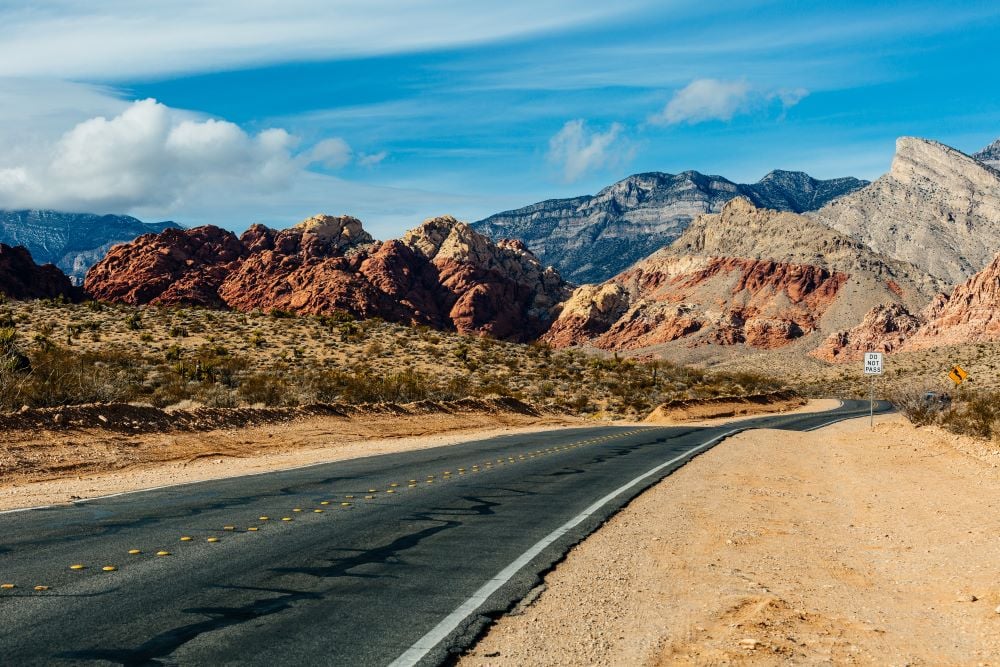
The primary artery connecting Los Angeles to Las Vegas is the Interstate 15 (I-15) North. This freeway cuts through a diverse landscape, starting in the urban sprawl of Southern California, traversing the arid expanses of the Mojave Desert, and eventually leading into the neon glow of Las Vegas. The majority of the journey takes place on this well-maintained, multi-lane highway, which is designed for relatively swift travel. However, the sheer volume of vehicles utilizing this route means that congestion can be a significant factor.
Factors Influencing Drive Time
Several variables can dramatically alter the perceived or actual drive time between Los Angeles and Las Vegas:
- Time of Day: Traveling during weekday rush hours (typically 6 AM to 10 AM and 3 PM to 7 PM) in the Los Angeles basin can add substantial time due to heavy traffic. Similarly, leaving Las Vegas on a Sunday afternoon can encounter significant northbound congestion as visitors head back home.
- Day of the Week: Weekends, particularly Friday afternoons and evenings as people depart for their Vegas getaways, and Sunday afternoons and evenings as they return, are notorious for bumper-to-bumper traffic. Holidays and special event weekends in Las Vegas will exacerbate these delays considerably.
- Weather Conditions: While the desert climate is generally dry, unexpected weather events can occur. Flash floods in the desert, though infrequent, can lead to temporary road closures. Dust storms can reduce visibility, forcing drivers to slow down significantly. Even heavy rain in the Los Angeles area can impact speeds.
- Road Construction and Detours: Like any major highway system, the I-15 is subject to ongoing maintenance and construction projects. These can lead to lane closures, reduced speed limits, and detours, all of which contribute to extended travel times. It’s always advisable to check local traffic reports before embarking.
- Vehicle Issues: Unexpected mechanical problems can bring any road trip to a halt. Ensuring your vehicle is in good working order before departure is paramount.
Strategic Planning for a Smoother Journey
To make the most of your drive and arrive in Las Vegas refreshed and ready to enjoy its many offerings, strategic planning is key. Understanding the typical traffic patterns and potential bottlenecks allows for informed decisions about departure times and routes.
Optimizing Your Departure Time
The most effective way to minimize traffic delays is to adjust your departure time.
- Early Morning Departures: Leaving Los Angeles before 6 AM on a weekday can help you beat the morning rush. Similarly, departing very early on a Saturday morning can offer a less congested drive into Las Vegas.
- Midday Travel: Traveling between 10 AM and 2 PM on weekdays can often provide a window of opportunity with less traffic, especially after the morning commute has subsided and before the afternoon surge begins.
- Avoiding Peak Travel Windows: For the return trip to Los Angeles, consider departing Las Vegas very early on Sunday morning or delaying your departure until late Sunday evening or even Monday morning to circumvent the traditional weekend exodus.
Considering Alternative Routes and Stops
While the I-15 North is the most direct and commonly used route, understanding potential alternatives and strategically planned stops can enhance the overall travel experience.
- The CA-58 E / CA-395 N Route: For those seeking a more scenic, albeit longer, route, taking California State Route 58 East from Los Angeles towards Bakersfield, then heading north on California State Route 395. This route offers views of the Sierra Nevada mountains and passes through towns like Lone Pine and Bishop. While significantly longer in terms of pure driving time (potentially adding several hours), it can be an appealing option for travelers who wish to experience more of California’s diverse landscapes and avoid the I-15 congestion altogether. This route is best suited for those with ample time and a desire for a road trip experience beyond simply reaching their destination.
- Strategic Rest Stops: Even on a direct drive, incorporating planned stops can break up the monotony and provide opportunities for refreshment. Popular stopping points include:
- Baker, California: Known for its “World’s Tallest Thermometer,” Baker offers basic amenities like gas stations, fast-food restaurants, and restrooms. It’s a convenient place for a brief break and to refuel.
- Barstow, California: A larger town with more extensive services, including various dining options, shopping centers, and lodging if an extended break is needed.
- Calico Ghost Town: Located near Barstow, this restored old West mining town offers a unique historical attraction and a chance to stretch your legs while exploring a piece of California’s past.
Preparing for the Desert Drive
The journey from Los Angeles to Las Vegas takes you through a desert environment, which necessitates specific preparation to ensure comfort and safety.
Vehicle Preparedness
- Tires: Ensure your tires are properly inflated and in good condition. The desert heat can put additional stress on tires.
- Cooling System: Check your vehicle’s coolant levels and ensure the air conditioning is functioning optimally, as temperatures can soar.
- Emergency Kit: Pack a basic emergency kit, including jumper cables, a first-aid kit, water, non-perishable snacks, and a flashlight. In the remote desert stretches, being prepared for unforeseen circumstances is crucial.
Personal Comfort and Supplies
- Hydration: Carry ample water. Dehydration is a serious risk in the desert, and it’s easy to underestimate your fluid needs.
- Sun Protection: Bring sunscreen, sunglasses, and hats, as the desert sun can be intense, even within the confines of your vehicle.
- Snacks: While there are opportunities for food, having snacks on hand can prevent hunger-related delays and save money.
Estimating Your Arrival Time: A Realistic Outlook
Considering all the variables, a realistic estimate for the drive from Los Angeles to Las Vegas, factoring in typical traffic, a brief rest stop, and the possibility of minor delays, often falls between 4.5 to 6 hours.
However, it’s not uncommon for this drive to extend to 7 or even 8 hours, especially on busy holiday weekends, during major events in Las Vegas, or if encountering significant road construction. The most common pitfall for unprepared travelers is underestimating the impact of traffic leaving the Los Angeles basin.
Leveraging Technology for Real-Time Updates
In today’s connected world, technology offers invaluable assistance in navigating potential travel disruptions. Navigation apps such as Google Maps and Waze provide real-time traffic updates, accident alerts, and suggest alternative routes based on current road conditions. Utilizing these tools before and during your journey can significantly help in making informed decisions and adjusting your travel plans on the fly, ultimately contributing to a more predictable and less stressful drive to the bright lights of Las Vegas.
LifeOutOfTheBox is a participant in the Amazon Services LLC Associates Program, an affiliate advertising program designed to provide a means for sites to earn advertising fees by advertising and linking to Amazon.com. Amazon, the Amazon logo, AmazonSupply, and the AmazonSupply logo are trademarks of Amazon.com, Inc. or its affiliates. As an Amazon Associate we earn affiliate commissions from qualifying purchases.