
Embarking on a journey from the bustling heart of the Southeast, Atlanta, to the idyllic shores of Hawaii is a dream for many. The allure of its volcanic landscapes, pristine beaches, and vibrant culture beckons travelers from across the globe. However, before you can sink your toes into the warm sand of Waikiki or witness a breathtaking sunset over Maui, a significant question looms: how long is the flight from Atlanta to Hawaii? This extensive travel, spanning a considerable distance across the continental United States and the Pacific Ocean, requires careful consideration when planning your Hawaiian escape.
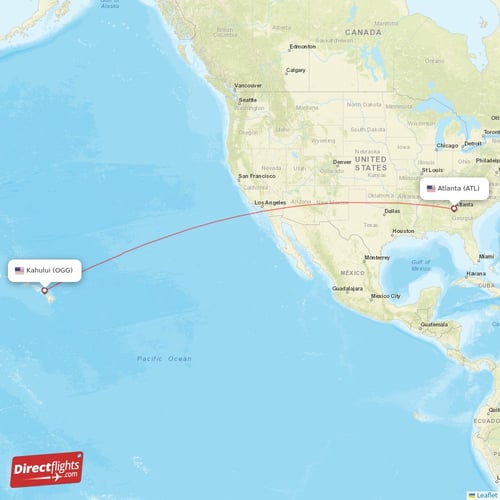
The duration of your flight is influenced by a multitude of factors, the most prominent being whether you opt for a direct flight or a flight with one or more layovers. Direct flights, while offering the most convenience, are not always readily available from Atlanta to all of Hawaii’s major islands. Indirect flights, on the other hand, are more common but add considerable time to your overall travel experience. Understanding these nuances is crucial for packing efficiently, managing your energy levels, and setting realistic expectations for your arrival in paradise.
Understanding Flight Durations
The journey from Atlanta, Georgia, to the Hawaiian Islands is a substantial undertaking, typically involving crossing multiple time zones and a vast expanse of land and sea. When considering the flight time, it’s important to differentiate between the actual time spent in the air and the total travel time, which includes time spent at the airport for check-in, security, boarding, and potential layovers.
Direct Flights: The Fastest Route
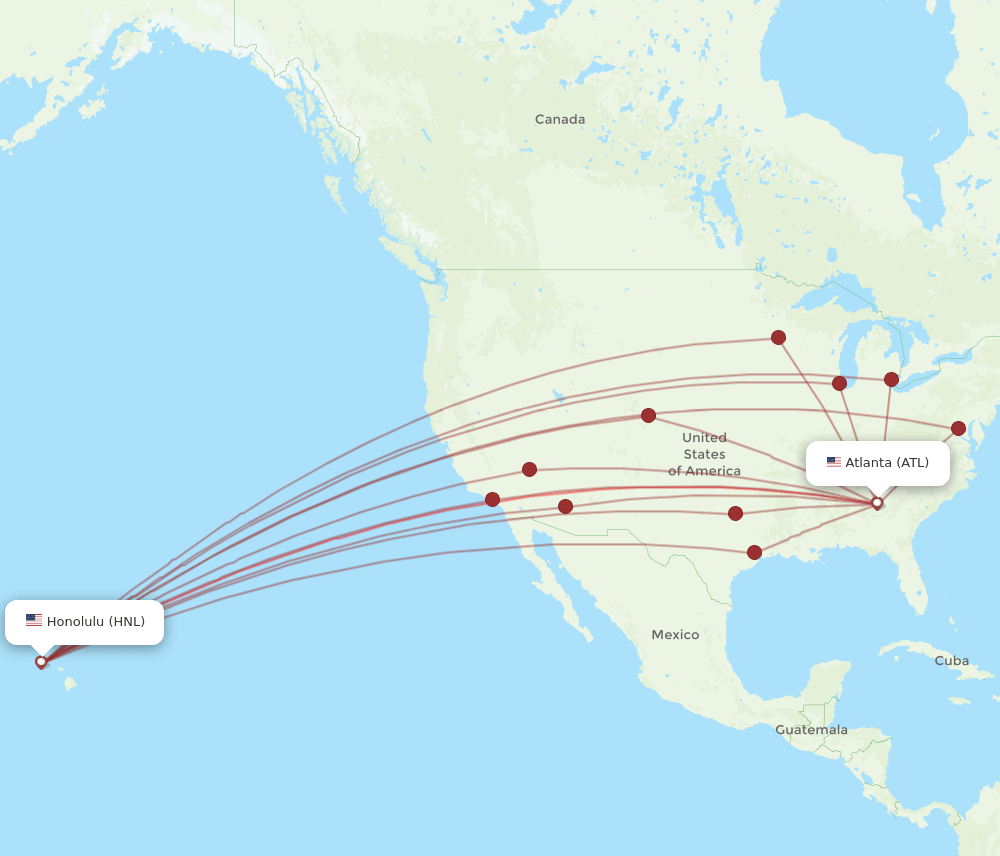
Direct flights from Atlanta to Hawaii are the most efficient way to reach the islands, minimizing your time in transit. However, the availability of non-stop options can be limited depending on the specific Hawaiian island you are flying into and the season. Most direct flights from Hartsfield-Jackson Atlanta International Airport (ATL) will land at Honolulu International Airport (HNL) on the island of Oahu.
A direct flight from Atlanta to Honolulu typically ranges from 8.5 to 10 hours. This is the airborne time, and it’s important to remember that this does not include the time spent at the airport before departure or after arrival. Airlines like Delta Air Lines have historically offered direct routes, though schedules can fluctuate. The exact flight duration can vary slightly due to factors such as wind speed, aircraft type, and air traffic control. When booking your flight, always check the estimated flight time provided by the airline, as this will give you the most accurate picture for your specific travel dates. The experience of a direct flight means you can often maximize your time on the islands, arriving ready to explore the vibrant streets of Honolulu or the natural wonders of Pearl Harbor.
Flights with Layovers: Increased Travel Time
For travelers seeking more flexible flight options or those who find direct flights to be cost-prohibitive, flights with layovers are a common choice. These flights can significantly extend your travel time, but they often provide more choices in terms of airlines, departure times, and arrival airports within Hawaii. The most common layover cities for flights from Atlanta to Hawaii include major hubs on the West Coast of the United States, such as Los Angeles (LAX), San Francisco (SFO), or Seattle (SEA). Some flights might also include a layover in other cities, depending on the airline’s route network.
The total travel time for flights with layovers can vary dramatically. A layover can range from a brief connection of an hour or two to several hours, or even an overnight stop. When adding the flight segments and the layover time, the total journey can easily extend to 12 to 18 hours, and in some cases, even longer. For instance, a flight might depart Atlanta, fly to Los Angeles for a two-hour layover, and then continue on to Honolulu. In this scenario, the combined flight time might be around 5 hours to Los Angeles, plus the layover, plus another 5.5 hours to Honolulu, resulting in a total travel time of approximately 12.5 hours, excluding time spent at airports and potential delays.
It’s crucial to carefully review the total estimated travel time when booking a flight with layovers. This includes not only the flight durations but also the duration of the layover itself. Airlines will typically display this total time during the booking process, but it’s always wise to break it down mentally to understand how much time you’ll spend in transit. For those who are less concerned about maximizing time on the islands and more focused on a budget-friendly trip or a specific travel date, layover flights offer a viable alternative, allowing for a more relaxed pace of travel, perhaps even a brief exploration of the layover city if time permits. Planning for these longer journeys means packing accordingly, ensuring you have entertainment, snacks, and comfortable clothing for an extended period of travel.
Preparing for Your Long Journey
The flight from Atlanta to Hawaii is more than just a few hours in the air; it’s an experience that requires preparation. Understanding the duration is the first step, but considering comfort, entertainment, and practicalities will greatly enhance your journey.
Packing Essentials for Comfort and Convenience
Given the extended time you’ll be spending on an airplane, comfort is paramount. Atlanta to Hawaii flights, especially those with layovers, can feel like a significant portion of your vacation before you even arrive. Investing in a good travel pillow and a comfortable neck pillow can make a world of difference in your ability to rest and sleep during the flight. A soft blanket or a warm travel wrap is also highly recommended, as cabin temperatures can fluctuate.
Comfortable, loose-fitting clothing is essential. Layers are your best friend, allowing you to adjust to varying temperatures in the cabin and at your destination. Think soft t-shirts, comfortable pants or leggings, and a cozy hoodie or jacket. Don’t forget to pack a pair of warm socks, as feet can get cold during long flights. For entertainment, download your favorite movies, TV shows, podcasts, and music onto your devices before you leave home. Many airlines offer in-flight entertainment systems, but having your own curated selection ensures you won’t be bored, regardless of the airline’s offerings. A good book or an e-reader is also a classic choice for passing the time.
For hygiene and a refreshed feeling, pack a small toiletry bag with essentials like a toothbrush, toothpaste, face wipes, hand sanitizer, and lip balm. Many travelers find it beneficial to bring a small amount of moisturizer, as the recycled air in the cabin can be drying. If you wear contact lenses, bring your solution and glasses, as wearing contacts for an extended period can be uncomfortable. Noise-canceling headphones are also a worthwhile investment for long flights, as they can help you block out ambient noise and create a more peaceful environment for sleeping or enjoying your entertainment.

Finally, remember to stay hydrated. The dry cabin air can lead to dehydration, so bring an empty reusable water bottle that you can fill up after passing through security. Avoid excessive consumption of alcohol or caffeine, as they can also contribute to dehydration and disrupt your sleep patterns.
Navigating Time Zones and Jet Lag
The transition from Eastern Standard Time (EST) in Atlanta to Hawaii Standard Time (HST) involves a significant time difference – typically a five-hour difference from March to November (during Daylight Saving Time in Atlanta) and a six-hour difference during the rest of the year. This substantial shift can lead to jet lag, a common condition characterized by fatigue, insomnia, headaches, and digestive issues.
To mitigate the effects of jet lag, start adjusting your sleep schedule a few days before your departure. Try to go to bed and wake up an hour or two earlier or later, aligning with Hawaii’s time zone. Once you board your flight, try to sleep during the times you would normally be sleeping in Hawaii. Many people find it helpful to set their watch to Hawaii time as soon as they board the plane.
Upon arrival in Hawaii, expose yourself to natural sunlight during the day, as this helps reset your body’s internal clock. Avoid taking long naps during the day; instead, opt for short power naps if necessary. Staying active and engaging in light exercise can also help you adjust more quickly. Continue to eat meals at local times, even if you don’t feel particularly hungry. Patience is key; it can take a few days for your body to fully adjust to the new time zone. By understanding and preparing for the time difference, you can minimize the impact of jet lag and begin enjoying your Hawaiian adventure from the moment you land on islands like Maui or Kauai.
Factors Influencing Flight Duration
While we’ve established general timeframes, several dynamic elements can influence the precise length of your flight from Atlanta to Hawaii. These variables, often beyond a traveler’s control, are worth understanding when setting expectations.
Airline Choice and Aircraft Type
The specific airline you choose and the type of aircraft they operate can subtly affect flight times. Some airlines may have more fuel-efficient aircraft that can fly at slightly higher altitudes or speeds. While the difference might only be minutes, it can contribute to the overall duration. More significantly, airlines will schedule their flights based on optimal routes and prevailing wind patterns. For instance, a flight traveling westward across the United States will generally benefit from prevailing westerly winds, which can shorten flight times. However, the specific routing and cruising speed are ultimately determined by the airline’s operational decisions.
Weather Conditions and Air Traffic
Weather, both at your departure and arrival points and along the flight path, is a critical factor. Severe weather systems, such as thunderstorms or strong headwinds, can necessitate rerouting or slower flight speeds, thereby extending the flight duration. Similarly, air traffic control plays a vital role. During peak travel times or in congested airspace, aircraft may experience delays on the ground or be required to fly at lower altitudes or take longer routes to maintain safe separation from other planes. This can add minutes, and sometimes even longer, to your flight. Airlines constantly monitor weather patterns and air traffic to ensure the safest and most efficient routes, but unpredictable events can always lead to adjustments in flight plans.
Making the Most of Your Hawaiian Getaway
Once you’ve landed in Hawaii, whether you arrived via a swift direct flight or a more extended journey with layovers, the magic of the islands awaits. From exploring iconic landmarks to indulging in local cuisine, your time here is precious.
Exploring the Islands: Destinations and Attractions
Hawaii is comprised of several distinct islands, each offering a unique set of experiences. Oahu, home to Honolulu and the world-famous Waikiki Beach, is a hub of activity, historical sites like Pearl Harbor, and vibrant city life. Maui, known as the “Valley Isle,” boasts the breathtaking Haleakala National Park, the scenic Road to Hana, and world-class beaches for snorkeling and whale watching during the winter months.
Kauai, the “Garden Isle,” is renowned for its dramatic cliffs along the Na Pali Coast, lush rainforests, and the stunning Waimea Canyon. For those seeking adventure and a more laid-back atmosphere, the Big Island of Hawaii offers active volcanoes at Hawaii Volcanoes National Park, black sand beaches, and diverse landscapes ranging from snow-capped mountains to tropical rainforests. Each island presents a wealth of attractions, from the historical significance of Iolani Palace to the natural beauty of Diamond Head, ensuring that no matter which island you choose, your Hawaiian adventure will be unforgettable.
Accommodation and Local Experiences
Choosing the right accommodation is key to a memorable stay. Whether you’re looking for a luxurious suite at a beachfront resort like the Grand Wailea Maui, A Waldorf Astoria Resort, a charming villa in Kailua-Kona, or a family-friendly apartment in Honolulu, Hawaii offers a wide range of options. Consider factors such as proximity to attractions, desired amenities, and budget when making your selection. Many hotels and resorts offer packages that include activities or dining credits, allowing you to further immerse yourself in the local culture.
Beyond the typical tourist attractions, seek out authentic local experiences. Sample traditional Hawaiian cuisine, such as poi, laulau, and kalua pig, at a local luau or a casual eatery. Learn about Polynesian culture and history through hula performances or by visiting cultural centers. Engage in outdoor activities like surfing lessons at Waikiki Beach, hiking to waterfalls, or taking a scenic helicopter tour. Even simple pleasures, like enjoying a shaved ice from a local stand or watching the sunset from a less crowded beach, can provide cherished memories. The journey from Atlanta may be long, but the reward of experiencing the rich culture and stunning natural beauty of Hawaii is undoubtedly worth every mile.
LifeOutOfTheBox is a participant in the Amazon Services LLC Associates Program, an affiliate advertising program designed to provide a means for sites to earn advertising fees by advertising and linking to Amazon.com. Amazon, the Amazon logo, AmazonSupply, and the AmazonSupply logo are trademarks of Amazon.com, Inc. or its affiliates. As an Amazon Associate we earn affiliate commissions from qualifying purchases.