
Embarking on a cross-country journey from the historic streets of Boston to the dazzling desert landscape of Las Vegas is a common travel aspiration, whether for business or leisure. A fundamental query for any traveler planning this specific route within the United States is understanding the duration of the flight. The answer isn’t always a simple number, as several variables can influence the total time spent in transit. This guide delves into the specifics of flight durations, route options, and practical considerations to help you meticulously plan your trip from the East Coast to the West Coast’s entertainment capital.
Decoding the Direct Flight Duration
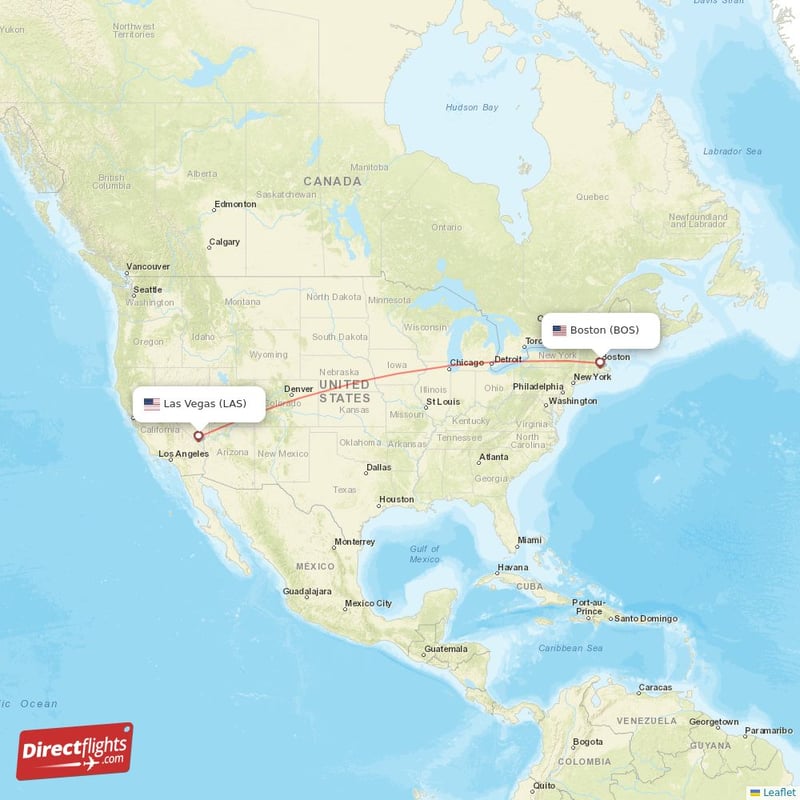
For many, the appeal of a direct flight lies in its efficiency and reduced travel time. When flying from Boston to Las Vegas, a non-stop journey is indeed an option, offering the quickest way to reach your destination.
The Standard Non-Stop Experience
A direct flight from Boston Logan International Airport (BOS) to Harry Reid International Airport (LAS) typically spans approximately 5 hours and 45 minutes to 6 hours and 15 minutes. This duration accounts for the time spent airborne from takeoff in Boston to landing in Las Vegas, without any scheduled stops. This makes it a significant, but manageable, chunk of time to prepare for onboard. Major airlines like JetBlue, Southwest Airlines, and Delta Air Lines often operate non-stop services on this popular route, providing travelers with direct access to the vibrant Las Vegas Strip. It is always advisable to check with specific airlines for their current flight schedules and exact durations, as these can fluctuate based on operational factors and seasonal demand.
Factors Influencing Flight Times
While the average provides a solid baseline, several elements can subtly alter the precise flight time:
- Tailwinds and Headwinds: Air currents play a significant role. Flying west, as is the case from Boston to Las Vegas, often means contending with prevailing westerly headwinds, which can add a few minutes to the flight duration. Conversely, a strong tailwind can shave time off the journey.
- Aircraft Type: Different aircraft models have varying cruising speeds and operational efficiencies. Larger, more modern planes might complete the journey slightly faster than older models, though the difference is usually marginal for this specific route.
- Air Traffic Control (ATC) Routing: The exact flight path is determined by Air Traffic Control to manage airspace congestion and ensure safety. Minor deviations from the most direct great-circle route can add minutes.
- Gate-to-Gate Time vs. Airborne Time: The stated flight duration often refers to “block time,” which includes taxiing, takeoff, and landing, in addition to actual airborne travel. Actual airborne time might be slightly less than the total block time.
- Weather Conditions: Severe weather at either departure or arrival airport, or along the flight path, can necessitate rerouting or impose speed restrictions, impacting the overall duration.
Navigating Indirect Routes and Layover Logistics
While direct flights are convenient, they are not always the most economical or available option. Many travelers choose or are routed through flights with one or more layovers. This significantly extends the total travel time but can sometimes offer more flexible scheduling or cost savings.
Major Connecting Hubs
When flying from Boston to Las Vegas with a layover, you’ll typically connect through one of the major airline hubs across the United States. These airports are strategically located to facilitate connections between various regions. Common layover cities for this route include:
- Chicago O’Hare International Airport (ORD)
- Dallas/Fort Worth International Airport (DFW)
- Denver International Airport (DEN)
- Atlanta Hartsfield-Jackson International Airport (ATL)
- Phoenix Sky Harbor International Airport (PHX)
- Salt Lake City International Airport (SLC)
Each of these hubs serves as a major gateway, offering numerous onward connections to Las Vegas. The choice of hub can influence both the total travel time and the overall experience, as some airports are more efficient for transfers than others.
Calculating Total Travel Time with Layovers
When a layover is involved, the total travel time will invariably increase. To calculate this, you need to factor in:
- First Leg Flight Time: The duration of the flight from Boston to your layover city.
- Layover Duration: The time spent at the connecting airport between flights. This can range from a quick 45-minute sprint to a lengthy 6-hour wait, or even an overnight stop. Shorter layovers (under 1 hour) carry a higher risk of missed connections due to delays, while overly long ones can be tiresome. An ideal layover is typically between 1.5 to 3 hours, allowing ample time for transfer without excessive waiting.
- Second Leg Flight Time: The duration of the flight from the layover city to Las Vegas.
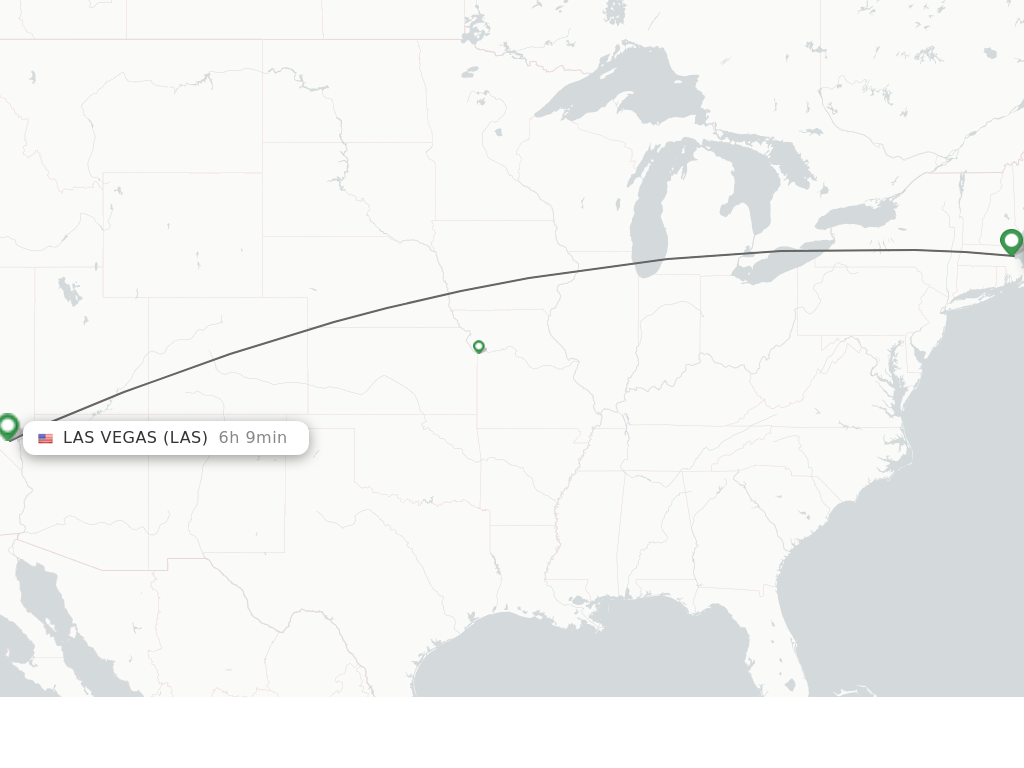
Combining these, a typical one-stop flight from Boston to Las Vegas could range anywhere from 8 hours to 12 hours or more, depending heavily on the length of the layover and the efficiency of the connecting flights. For example, a flight from Boston to Chicago might be around 2.5 hours, followed by a 2-hour layover, and then another 3.5-hour flight to Las Vegas, totaling approximately 8 hours of travel time (plus taxiing).
Strategic Planning for Your Cross-Country Journey
Effective planning can significantly enhance your travel experience, ensuring a smoother journey from Boston to Las Vegas, irrespective of flight duration.
Optimal Departure Times and Day
Consider the time of day and week you choose to fly. Early morning flights are often less prone to delays as they are the first departures of the day, reducing the ripple effect of earlier flight issues. Mid-week flights (Tuesday, Wednesday, Thursday) often have fewer travelers and can sometimes offer better fares and less congestion, both at the airport and in the air. Flying during off-peak seasons (e.g., late fall or early spring, avoiding major holidays) can also contribute to a less stressful journey, with potentially shorter lines at security and less crowded gates.
Airport Considerations: Boston Logan International Airport to Harry Reid International Airport
Both Boston Logan International Airport (BOS) and Harry Reid International Airport (LAS) are major international hubs, meaning they can be busy.
- BOS (Boston): As a key gateway for New England, Boston Logan is well-connected by public transport, including the MBTA Silver Line and Blue Line. Arriving well in advance of your flight, especially during peak travel times, is crucial to navigate check-in and security efficiently.
- LAS (Las Vegas): Harry Reid International Airport is exceptionally close to the Las Vegas Strip, making ground transportation upon arrival very convenient. Taxis, ride-shares, and airport shuttles are readily available. Factor in the time it takes to get from the airport to your final accommodation in Las Vegas when calculating your total door-to-door travel time.
For a smoother airport experience, consider enrolling in programs like TSA PreCheck or Global Entry to expedite security screening, especially for early morning departures or late-night arrivals.
Conquering Time Zone Changes
The journey from Boston to Las Vegas involves a significant time zone shift. Boston operates on Eastern Time Zone (ET), while Las Vegas is in the Pacific Time Zone (PT). This means a three-hour time difference. When flying west, you “gain” three hours. For example, if you depart Boston at 9:00 AM ET on a 6-hour direct flight, you would arrive in Las Vegas around 3:00 PM ET, which is 12:00 PM PT. This effectively makes your arrival seem earlier in the day than your departure, which can be beneficial for starting your activities in Las Vegas. However, this shift can still contribute to jet lag for some individuals, so planning for a relaxed first evening can be wise.
Maximizing Comfort and Efficiency In-Flight
A long flight, especially one spanning nearly six hours or more with a layover, requires some forethought to ensure maximum comfort and productivity.
Essential Pre-Flight Preparations
Before you even step foot in Boston Logan International Airport, a few preparations can make a world of difference:
- Choose Your Seat Wisely: If possible, select a seat that meets your preferences – aisle for easy movement, window for views and leaning, or exit row for extra legroom (often for a fee).
- Pack Smart: Keep essential items, entertainment, medications, and a change of clothes in your carry-on bag. Layered clothing is recommended for varying cabin temperatures.
- Hydrate: Drink plenty of water in the days leading up to your flight and avoid excessive caffeine and alcohol, which can contribute to dehydration and discomfort at altitude.
- Charge Devices: Ensure all your electronic devices are fully charged and download movies, shows, podcasts, or e-books for offline entertainment.
Tips for a Pleasant Journey
Once aboard, maintaining comfort is key to arriving refreshed:
- Stay Hydrated: Continue to drink water throughout the flight.
- Move Around: Stand up and stretch periodically if it’s safe to do so. Perform simple leg and foot exercises in your seat to promote circulation and prevent stiffness.
- Utilize In-Flight Entertainment: Most airlines offer a range of movies, TV shows, and music. If not, your downloaded content will be invaluable.
- Noise-Canceling Headphones: These are excellent for blocking out cabin noise and creating a more peaceful environment, whether you’re watching content or simply resting.
- Comfort Items: A neck pillow, eye mask, and earplugs can significantly improve your ability to relax or sleep.
- Snacks: While food and beverages are available, bringing your preferred healthy snacks can prevent reliance on airline offerings.

Arriving Refreshed in the Desert Oasis
Upon landing at Harry Reid International Airport, manage your arrival strategically. Take a moment to stretch and reorient yourself to the new time zone. Adjust your watch to Pacific Time immediately to help your body adapt. Prioritize hydration and, if time permits, a light walk to shake off the flight stiffness. Knowing the flight duration and preparing accordingly allows you to step off the plane in Las Vegas ready to enjoy all that the city has to offer, without feeling unduly fatigued from your cross-country aerial adventure.
LifeOutOfTheBox is a participant in the Amazon Services LLC Associates Program, an affiliate advertising program designed to provide a means for sites to earn advertising fees by advertising and linking to Amazon.com. Amazon, the Amazon logo, AmazonSupply, and the AmazonSupply logo are trademarks of Amazon.com, Inc. or its affiliates. As an Amazon Associate we earn affiliate commissions from qualifying purchases.