
Embarking on a journey from California to Japan is a quintessential trans-Pacific adventure, connecting the vibrant West Coast of the United States with the ancient traditions and futuristic marvels of the Land of the Rising Sun. The allure of Japan, from the neon glow of Tokyo to the serene temples of Kyoto and the majestic beauty of Mount Fuji, draws millions of travelers annually. A primary concern for anyone planning this exciting trip is, naturally, the flight duration. While the exact time can vary, understanding the factors at play will help you plan your travel seamlessly, ensuring both comfort and efficiency.
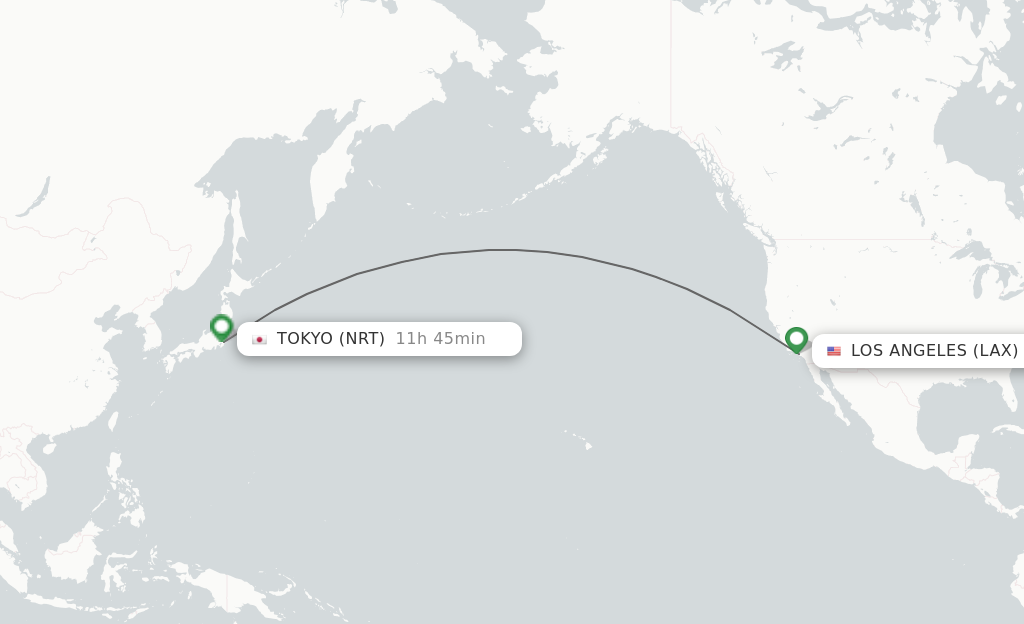
The journey across the vast Pacific Ocean is a significant undertaking, but modern aviation has made it more accessible and comfortable than ever before. For travelers departing from major hubs like Los Angeles or San Francisco, the direct flight to Japan typically ranges between 9.5 and 11 hours. This is the most straightforward answer to the question, but it only scratches the surface of the complexities and nuances involved in long-haul international travel. Beyond mere flight time, the entire travel experience, from booking your ideal accommodation to exploring local culture, hinges on careful planning.
Unraveling the Flight Duration: Direct vs. Connecting Flights
The first crucial distinction when considering flight times between California and Japan is whether you opt for a direct flight or one with layovers. Each choice presents its own set of advantages and considerations, impacting not just the clock, but also your overall travel experience and budget.
Direct Flights: Speed and Convenience
For those prioritizing speed and minimizing travel fatigue, direct flights are the undisputed champions. Major international carriers offer numerous non-stop routes from prominent California cities to Japan’s main international gateways.
- From Los Angeles International Airport (LAX): Direct flights to Tokyo’s Narita International Airport (NRT) or Haneda Airport (HND) typically hover around 10 to 11 hours. Flights to Kansai International Airport (KIX) near Osaka can be slightly longer, perhaps 11 to 12 hours.
- From San Francisco International Airport (SFO): Similar to LAX, direct flights to Tokyo generally take about 9.5 to 10.5 hours. Routes to Osaka from SFO also fall within the 10.5 to 11.5-hour range.
- Other California Cities: While less common for direct routes, cities like San Diego or San Jose may offer seasonal or limited direct flights, or more often, connecting flights via LAX or SFO.
Airlines such as Japan Airlines (JAL), All Nippon Airways (ANA), United Airlines, Delta Air Lines, and American Airlines are among the major carriers operating these direct routes, offering a range of cabin classes and amenities to suit different travel styles. Booking these direct flights well in advance can often secure better rates, though they typically come at a premium compared to connecting options.
The Reality of Connecting Flights
For travelers who are budget-conscious or prefer to break up a long journey, connecting flights are a viable alternative. While the actual flight segments might be shorter, the overall travel time, including layovers, can significantly extend your journey.
Connecting flights typically involve a stopover in another major city, either within the United States (e.g., Seattle, Denver, Dallas) or, less commonly, in another Pacific hub like Honolulu or even cities in Canada or Mexico. The total travel time for a connecting flight can range from 14 to 20+ hours, depending on the length of the layover and the efficiency of the connection.
- Pros of Connecting Flights: Often more affordable, can provide an opportunity to stretch your legs and refresh between flights, and allows for greater flexibility in departure times and airlines.
- Cons of Connecting Flights: Significantly longer overall travel time, potential for missed connections, and increased risk of luggage delays.
When choosing a connecting flight, pay close attention to the layover duration. A short layover (under 2 hours) can be stressful if there are delays, while an overly long one (8+ hours) can be exhausting, unless you plan to use it as a mini-stopover to briefly explore the connecting city, turning a practical necessity into a brief travel experience.
Key Factors Influencing Your Flight Time
While the direct flight estimates provide a good baseline, several dynamic factors can influence the precise duration of your trans-Pacific journey. Understanding these elements can help set realistic expectations and even inform your booking decisions.
Departure City in California
The westernmost points of California offer the shortest routes to Japan. This is why Los Angeles and San Francisco are primary departure hubs, providing the most direct paths across the Pacific. Flying from a city further inland, like Sacramento or Fresno, would typically add a domestic flight segment to LAX or SFO, increasing your overall travel time.
Arrival City in Japan
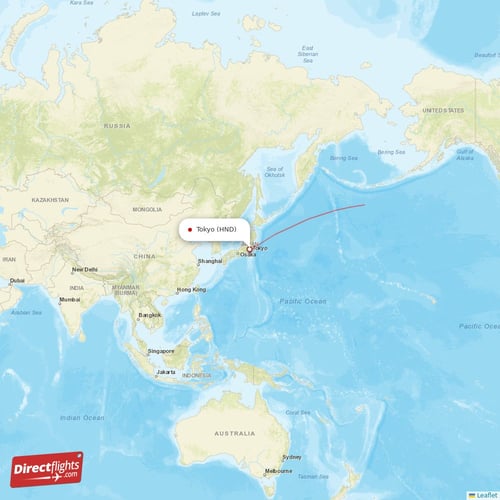
Tokyo is the most common destination for flights from California. As Japan’s capital and largest city, it boasts two major international airports: Narita International Airport (NRT) and Haneda Airport (HND). Haneda, being closer to Tokyo’s city center, is often preferred for convenience, though both offer excellent connectivity to the city and the wider country via Japan’s efficient train network, including the famed Shinkansen (bullet train).
Flights to Kansai International Airport (KIX), which serves the Osaka-Kyoto region, tend to be slightly longer due to the more southerly location. Less frequent direct flights might also go to other Japanese cities like Nagoya or Fukuoka, potentially adding a small amount of flight time compared to Tokyo routes.
Aircraft Type and Air Traffic
The type of aircraft plays a subtle role. Modern, fuel-efficient planes like the Boeing 787 Dreamliner or Airbus A350 are designed for long-haul travel and can sometimes offer slightly faster journeys due to optimized cruising speeds and direct routes. Older models might take a bit longer. Additionally, air traffic control and congestion around busy airports like LAX or Narita can cause minor delays on the ground or during approach, adding minutes rather than hours to your trip.
Weather Conditions and Jet Streams
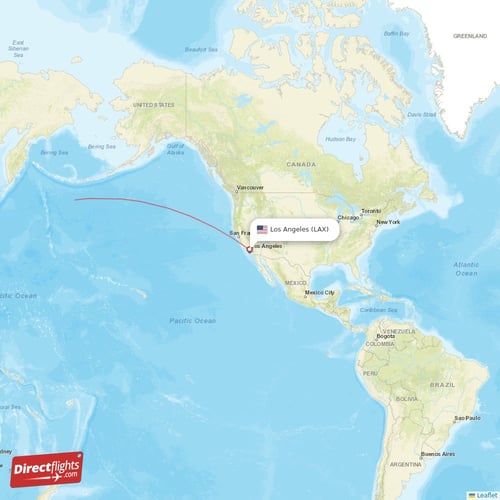
One of the most significant natural influences on flight time is the prevailing weather, particularly the jet stream. These high-altitude air currents flow predominantly from west to east. When flying from California to Japan, pilots often try to avoid flying against the full force of the jet stream on the westbound journey, which can add time. Conversely, flights returning from Japan to California often ride the jet stream, making the eastbound journey typically about an hour or more shorter than the westbound flight. Strong headwinds can add up to an hour or even more to the flight, while tailwinds can shave off a similar amount. Seasonal variations in weather patterns can therefore subtly alter flight durations.
Preparing for Your Trans-Pacific Journey
A long-haul flight across the Pacific is more than just hours in the air; it’s an experience that requires preparation to ensure you arrive in Japan feeling refreshed and ready to explore. From battling jet lag to optimizing in-flight comfort, a few strategies can make a world of difference.
Beating Jet Lag
The time difference between California and Japan is substantial, typically 16 hours ahead (e.g., when it’s 10 AM in Los Angeles, it’s 2 AM the next day in Tokyo). This significant shift almost guarantees some level of jet lag.
- Adjust Gradually: A few days before departure, try to shift your sleep schedule closer to Japan time.
- Hydrate: Drink plenty of water before, during, and after your flight. Avoid excessive caffeine and alcohol, which can exacerbate dehydration.
- Strategic Sleep on Board: Try to sleep when it will be nighttime in Japan. An eye mask, earplugs, and a travel pillow are invaluable.
- Embrace the Light: Upon arrival, expose yourself to natural light during Japan’s daytime hours and avoid bright screens at night to help reset your circadian rhythm.
- Stay Active: Gentle exercise, even a short walk, can help your body adjust.
In-Flight Comfort and Entertainment
Modern long-haul aircraft are designed with passenger comfort in mind, but personal preparation can enhance the experience further.
- Comfortable Clothing: Wear loose, breathable layers. Compression socks can help with circulation and reduce swelling.
- Personal Entertainment: While most airlines offer extensive in-flight entertainment systems, having your own loaded tablet with movies, e-books, or podcasts provides a reliable backup.
- Snacks and Essentials: Pack healthy snacks, any necessary medications, hand sanitizer, and a small toiletries bag with a toothbrush, travel-sized toothpaste, and moisturizer.
- Movement: Get up and walk around the cabin periodically, and do simple stretches in your seat to prevent stiffness and promote circulation.
Essential Packing Tips
Packing smart for your trip to Japan means being prepared for various scenarios, from the hustle of Tokyo to the serene landscapes of Kyoto or the slopes of Niseko.
- Adapt to Seasons: Japan experiences distinct seasons. Research the weather for your travel dates and pack accordingly. Layers are always a good idea.
- Walking Shoes: You’ll be doing a lot of walking, whether exploring ancient temples or navigating bustling city streets. Comfortable, broken-in shoes are paramount.
- Connectivity: A portable Wi-Fi device or a local SIM card is highly recommended for navigation and staying connected. Don’t forget a universal adapter for charging your devices.
- Cultural Sensitivity: While Japan is modern, a respectful dress code, especially when visiting temples or shrines, is appreciated. Slip-on shoes are also convenient as you’ll often remove footwear when entering homes, certain restaurants, or traditional accommodations like a Ryokan.
Beyond the Flight: Experiencing Japan
Once your flight from California lands, the real adventure begins. Japan offers an unparalleled blend of ancient traditions, breathtaking natural beauty, and cutting-edge modernity, catering to every type of traveler. Integrating insights into destinations, accommodation, and local culture is key to a holistic travel plan.
Iconic Destinations to Explore
Your itinerary will largely depend on your interests, but certain landmarks and cities are must-visits for a first-time trip.
- Tokyo: The sprawling capital is a city of contrasts. Explore the vibrant neon-lit streets of Shinjuku and Shibuya (don’t miss the famous Shibuya Crossing), the upscale boutiques of Ginza, and the traditional charm of the Senso-ji Temple in Asakusa. Ascend the Tokyo Skytree for panoramic views or immerse yourself in pop culture at Akihabara. Foodies will love the fresh seafood at Tsukiji Outer Market.
- Kyoto: The former imperial capital is the cultural heart of Japan, famed for its stunning temples, tranquil gardens, and traditional Geisha district of Gion. Visit the iconic Golden Pavilion (Kinkaku-ji), wander through the ethereal Arashiyama Bamboo Grove, and hike through the thousands of vermilion torii gates at Fushimi Inari-taisha. The Kyoto Imperial Palace offers a glimpse into imperial history.
- Osaka: Known for its lively atmosphere, incredible street food scene, and friendly locals. Explore the bustling entertainment district of Dotonbori, visit Osaka Castle, and enjoy thrilling rides at Universal Studios Japan.
- Beyond the Main Cities: Consider a day trip to Nara to see its famous deer and the magnificent Todai-ji Temple, or a scenic journey to Hakone for views of Mount Fuji and relaxing Onsen experiences. For history buffs, Hiroshima and the solemn yet powerful Peace Memorial Park and A-Bomb Dome offer crucial insights, while the nearby floating Itsukushima Shrine on Miyajima is breathtaking.
Accommodation Choices for Every Traveler
Japan’s accommodation landscape is diverse, catering to all budgets and preferences, from luxury resorts to budget-friendly hostels.
- Traditional Ryokan: For a truly immersive cultural experience, stay in a Ryokan. These traditional Japanese inns offer tatami mat rooms, futon beds, hot spring baths (Onsen), and often include exquisite multi-course meals (kaiseki). Hoshino Resorts offers a luxurious modern take on the traditional Ryokan.
- Hotels: From renowned international chains like the Grand Hyatt Tokyo, Park Hyatt Tokyo, Mandarin Oriental, Tokyo, and The Ritz-Carlton, Kyoto offering luxury amenities and impeccable service, to comfortable business hotels and boutique hotels, Japan has it all. Look for options near train stations for convenient travel.
- Capsule Hotels: A unique and budget-friendly Japanese invention, offering compact sleeping pods with shared facilities. Perfect for solo travelers or those on a tight budget seeking a distinctive experience.
- Apartments and Vacation Rentals: Platforms like Airbnb are popular for longer stays or for families and groups, offering more space and a chance to experience local living.
Culinary Adventures and Cultural Immersion
Japanese cuisine is a global phenomenon, and experiencing it in its homeland is a highlight of any trip. From the delicate art of Sushi and Sashimi to hearty bowls of Ramen, Udon, and Tempura, the food is an integral part of the cultural experience.
- Dining Etiquette: Familiarize yourself with basic Japanese dining etiquette, such as saying “itadakimasu” before meals and “gochisosama deshita” afterward.
- Izakaya: Experience local nightlife and sample a variety of small dishes at an Izakaya, a casual Japanese gastropub.
- Tea Ceremony: Participate in a traditional Japanese tea ceremony for a moment of quiet reflection and a deeper understanding of Japanese hospitality.
- Festivals (Matsuri): If your travel dates coincide with a local festival, don’t miss the opportunity to witness colorful parades, traditional music, and vibrant celebrations.
- Respectful Conduct: Japan is a country that values politeness and order. Being mindful of local customs, such as bowing, removing shoes, and keeping noise levels down in certain areas, will enhance your interactions and show respect for the local culture.
In conclusion, the flight from California to Japan is a manageable journey of roughly 9.5 to 12 hours for direct flights, making the extraordinary experiences awaiting you in Japan well within reach. By understanding the flight dynamics, preparing for your long-haul travel, and planning your adventures on the ground, your trip across the Pacific will be the start of an unforgettable journey into one of the world’s most captivating destinations.
LifeOutOfTheBox is a participant in the Amazon Services LLC Associates Program, an affiliate advertising program designed to provide a means for sites to earn advertising fees by advertising and linking to Amazon.com. Amazon, the Amazon logo, AmazonSupply, and the AmazonSupply logo are trademarks of Amazon.com, Inc. or its affiliates. As an Amazon Associate we earn affiliate commissions from qualifying purchases.