
Embarking on a journey from the windy city of Chicago to the bustling metropolis of New York is a popular route for both business and leisure travelers within the United States. While the two iconic cities might seem a world apart in culture and pace, the actual flight duration bridging this considerable distance is often quicker than many anticipate. Understanding the specifics of this journey, from the typical flight times and the factors that influence them, to navigating the various airports and planning your visit to the Big Apple, is key to a smooth and enjoyable travel experience.
This guide will delve into the practicalities of flying between these two major North American hubs, offering insights into what to expect in the air and on the ground, and how to make the most of your trip once you land in New York City. Whether you’re flying for a quick business meeting, a family vacation, or a cultural exploration, knowing the ins and outs of this flight path will help you plan with confidence and ease.
The Nuts and Bolts: Flight Duration and Factors
The non-stop flight from Chicago to New York is generally considered a short-to-medium haul domestic route. However, pinpointing an exact flight time can be tricky, as several variables come into play.
Direct Flight Times: What to Expect
For a direct, non-stop flight, the typical duration from Chicago to New York ranges from approximately 2 hours to 2 hours and 30 minutes. This timing primarily refers to the “block time” – the duration from when the aircraft pushes back from the gate at the departure airport until it arrives at the gate at the destination airport. Actual “airborne time” is usually a bit shorter, often closer to 1 hour and 45 minutes to 2 hours.
It’s important to remember that these are averages. When you check flight schedules, airlines will provide an estimated duration that accounts for standard taxiing times, potential air traffic control delays, and typical cruising speeds.
Key Factors Influencing Your Flight
Several elements can subtly or significantly alter the actual time your flight takes to get from Chicago to New York:
- Aircraft Type: Larger, faster jets might shave a few minutes off the journey compared to smaller regional aircraft, though for this particular route, the differences are often marginal.
- Air Traffic Control (ATC) Delays: Both Chicago and New York airports are among the busiest in the world. High traffic volumes can lead to ground delays (waiting for a takeoff slot) or airborne holding patterns (circling before landing), adding to the overall travel time.
- Weather Conditions: Strong headwinds can increase flight duration, as the aircraft has to work harder against the opposing air currents. Conversely, tailwinds can shorten the flight. Storms or adverse weather at either origin or destination can also lead to rerouting or delays.
- Departure and Arrival Airports: As we’ll discuss, both cities have multiple airports, and the specific pairing can sometimes impact taxi times and congestion levels. For instance, flying into LaGuardia Airport (LGA), which is closer to Manhattan, might involve different approach patterns than landing at John F. Kennedy International Airport (JFK) or Newark Liberty International Airport (EWR).
- Time of Day: Peak travel hours often see more congestion, which can translate to longer taxiing or holding times. Early morning or late-night flights might experience smoother operations.
Major Airports Serving the Route
Understanding which airports facilitate this popular route is crucial for planning your departure and arrival logistics.
From Chicago:
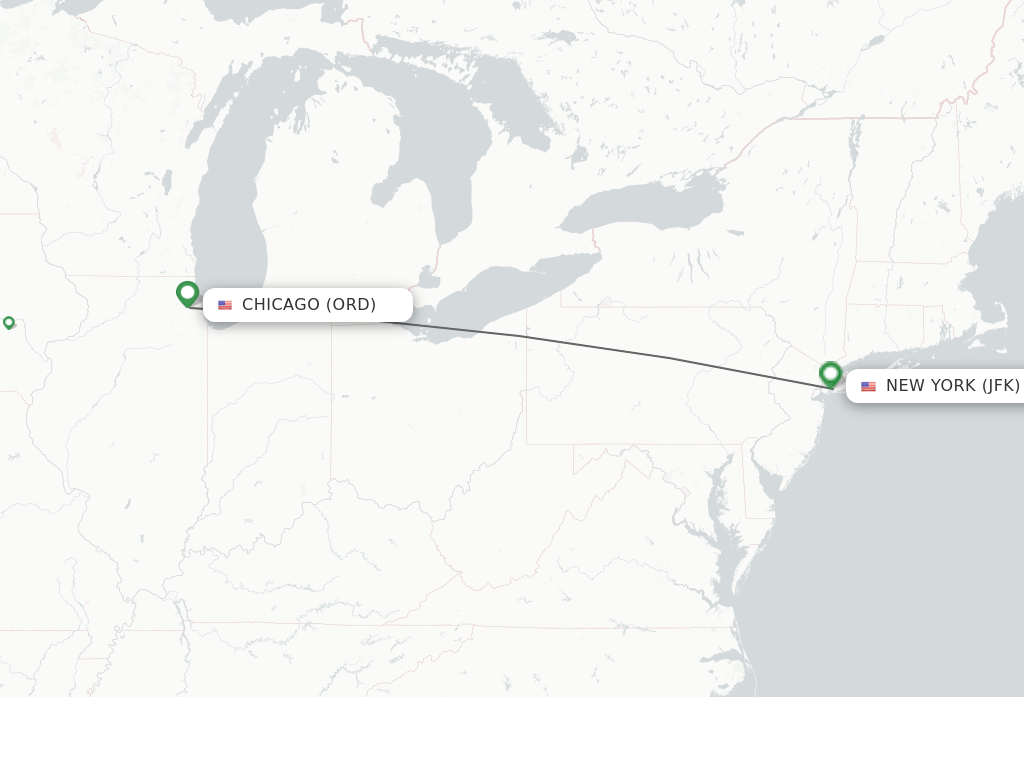
- O’Hare International Airport (ORD): As one of the world’s busiest airports, O’Hare is the primary hub for many domestic and international flights. It offers the most frequent services to New York and is a major base for airlines like United Airlines and American Airlines.
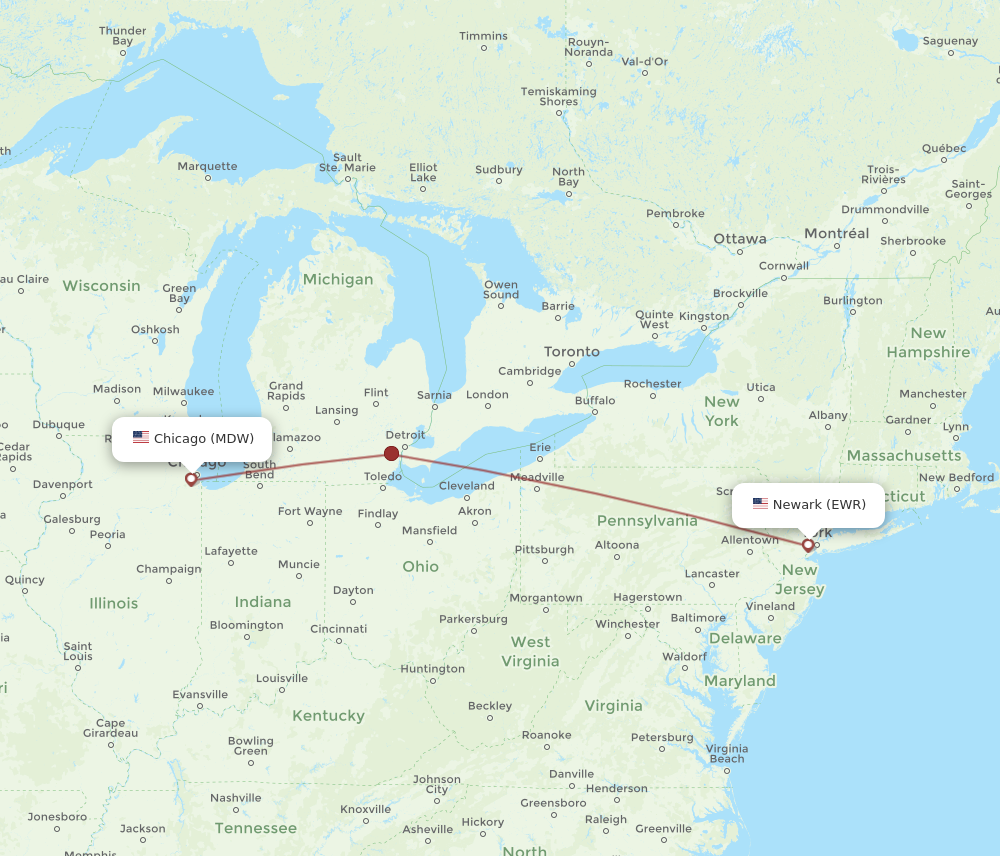
- Midway International Airport (MDW): A smaller but highly efficient airport, Midway is a major hub for Southwest Airlines and often preferred by travelers seeking a less sprawling experience and closer proximity to downtown Chicago.
To New York:
- LaGuardia Airport (LGA): Located in Queens, LGA is the closest airport to Manhattan. It primarily handles domestic flights and has undergone significant redevelopment, improving the traveler experience.
- John F. Kennedy International Airport (JFK): Also in Queens but further out, JFK is a major international gateway and offers extensive domestic connections. It’s larger and often busier than LGA.
- Newark Liberty International Airport (EWR): Located in Newark, New Jersey, EWR is a significant hub for United Airlines and serves as a vital access point to New York City, particularly for those heading to the west side of Manhattan or points south.
Planning Your Journey: Airlines and Booking Essentials
Once you have a grasp of the flight duration and airports, the next step is to consider which airline to fly with and how to secure the best deal.
Popular Airlines on the Chicago-New York Route
The Chicago-New York corridor is one of the most competitive in the United States, meaning a wide array of airlines operate numerous daily flights. This competition generally benefits consumers through a variety of choices and often competitive pricing.
Major carriers serving this route include:
- United Airlines: With a significant hub at O’Hare and Newark, United offers frequent services and a range of cabin classes.
- American Airlines: Another major player with a hub at O’Hare, American provides extensive options to all three New York airports.
- Delta Air Lines: Operating primarily out of LaGuardia and JFK, Delta offers a strong presence on this route, often emphasizing a premium service experience.
- Southwest Airlines: Known for its customer-friendly policies (like two free checked bags), Southwest primarily flies from Midway to LaGuardia and Newark.
- JetBlue Airways: Offering a comfortable economy experience and often competitive fares, JetBlue operates flights primarily to JFK and LaGuardia.
- Spirit Airlines and Frontier Airlines: For budget-conscious travelers, these ultra-low-cost carriers offer no-frills options, though be mindful of their fees for carry-on bags and seat selection.
Smart Booking Strategies for the Best Deals
To secure the most favorable fares, consider these tips:
- Book in Advance: While last-minute deals can sometimes surface, generally, booking 2-3 months ahead for domestic flights yields better prices. For peak travel seasons (holidays, summer), aim for even earlier.
- Be Flexible with Dates and Times: Mid-week flights (Tuesday, Wednesday) and off-peak hours (early morning, late night) are often cheaper than weekend or prime-time flights.
- Compare Across Airports: Don’t just look at one airport in Chicago or New York. Fares can vary significantly between O’Hare and Midway, or between JFK, LGA, and EWR. Factor in the cost and time of ground transportation to your final destination when comparing.
- Set Fare Alerts: Many travel websites allow you to set up email alerts that notify you when prices for your desired route drop.
- Consider Bundling: Sometimes, booking your flight and hotel together can unlock savings, especially if you’re traveling for leisure.
Arriving in the Big Apple: From Airport to Exploration
Once your flight has safely landed, the next part of your journey involves navigating the intricacies of New York City’s ground transportation to reach your accommodation or first destination.
Navigating New York’s Airports and Transfers
Each of the three major New York airports offers distinct options for getting into the city:
- LaGuardia Airport (LGA): Being the closest to Manhattan, a taxi or ride-share service is often the quickest (though potentially priciest) direct option, taking 30-60 minutes depending on traffic. Public transport involves taking an M60 SBS bus to Manhattan and transferring to the subway, or other local buses that connect to subway lines in Queens.
- John F. Kennedy International Airport (JFK): The AirTrain JFK is your best bet for public transport. It connects all terminals to the subway and Long Island Rail Road (LIRR) services. From there, you can reach most parts of Manhattan in 60-90 minutes. Taxis and ride-shares are available but can be slow and expensive due to distance and potential traffic.
- Newark Liberty International Airport (EWR): The AirTrain Newark links the terminals to the NJ Transit and Amtrak rail lines, which take you directly to New York Penn Station in Manhattan. This is often the most efficient way to get to Manhattan from EWR, usually within 45-60 minutes total. Taxis and ride-shares are also available but cross state lines, which can incur higher fares and tolls.
Getting Around New York City
Once you’re in the city, New York’s extensive public transportation system, primarily the subway, is the most efficient and cost-effective way to get around. It operates 24/7 and connects all five boroughs: Manhattan, Brooklyn, Queens, The Bronx, and Staten Island (via ferry connection from Manhattan). Yellow cabs and ride-sharing apps are plentiful but can quickly add up, especially in traffic. Walking is also an excellent way to explore neighborhoods like Greenwich Village or SoHo and discover hidden gems.
Unveiling New York City: Iconic Landmarks and Diverse Experiences
Once you’ve settled in, New York City unfolds as a treasure trove of experiences catering to every interest, from historical landmarks to world-class dining and vibrant nightlife.
Must-Visit Attractions and Cultural Hotspots
New York boasts an unparalleled collection of iconic sites that should be on every traveler’s list:
- Statue of Liberty and Ellis Island: A ferry ride to these historical symbols offers a deep dive into American history and stunning views of the Manhattan skyline.
- Empire State Building & One World Observatory: Ascend to dizzying heights for panoramic views of the city. The National September 11 Memorial and Museum nearby is a poignant and powerful experience.
- Times Square: Immerse yourself in the dazzling lights and vibrant energy of this world-famous intersection, a hub for theaters and entertainment.
- Central Park: Escape the urban hustle in this sprawling urban oasis. Enjoy a leisurely stroll, rent a bike, or visit attractions like Strawberry Fields or the Central Park Zoo.
- Museums: The Metropolitan Museum of Art (The Met), the Museum of Modern Art (MoMA), and the American Museum of Natural History offer world-class collections spanning art, culture, and science.
- Broadway: No visit to New York is complete without experiencing a world-class theatrical performance in the renowned Broadway district.
- Architectural Marvels: Explore the intricate details of Grand Central Terminal, gaze at the iconic Rockefeller Center, or walk across the majestic Brooklyn Bridge.
- The High Line: A unique elevated park built on historic freight rail lines, offering stunning cityscapes and lush greenery.
Indulging in New York’s Culinary Scene
New York City is a global culinary capital. From Michelin-starred restaurants to diverse ethnic eateries and iconic street food, there’s something for every palate and budget. Don’t miss trying a classic New York pizza slice, a bagel with lox, or exploring the vibrant food markets and diverse neighborhoods, each with its unique flavor profile. From fine dining experiences in Midtown or the Flatiron District to casual eats in the East Village or Queens, the food scene is an adventure in itself.
Accommodation Choices for Every Traveler
New York City offers an unparalleled range of accommodation options, catering to every style of travel, from luxury to budget, and everything in between.
- Luxury Hotels: For those seeking an opulent experience, iconic establishments like The Plaza Hotel overlooking Central Park, the sophisticated Ritz-Carlton Central Park, or the elegant St. Regis New York in Midtown offer world-class service and amenities. Newer luxury options like the Four Seasons Hotel New York Downtown provide contemporary comforts in the financial district.
- Mid-Range Hotels: Options like the New York Marriott Marquis in Times Square or the Hyatt Centric Times Square New York offer comfortable stays with good amenities in prime locations without the top-tier price tag. Many boutique hotels in neighborhoods like SoHo or Chelsea also fall into this category, providing unique character.
- Budget-Friendly Stays: While challenging in New York, affordable options exist. Consider micro-hotels like Pod Hotels which offer compact, efficient rooms, or hostels for a more communal and economical experience. Booking apartments or guesthouses further from Manhattan in Brooklyn or Queens can also provide significant savings.
- Unique Accommodation Experiences: For those desiring a more residential feel, exploring serviced apartments or boutique properties in neighborhoods like Tribeca or the Lower East Side can offer a distinct New York lifestyle experience.

Crafting Your New York Lifestyle Experience
Your trip to New York can be tailored to various lifestyles:
- Luxury Travel: Indulge in designer shopping on Fifth Avenue, dine at exclusive restaurants, attend Broadway shows, and enjoy cocktails at rooftop bars with breathtaking views. A stay at The Plaza Hotel or a suite at the Waldorf Astoria New York (once reopened) would epitomize this experience.
- Budget Travel: Maximize your experience with free attractions like walking the Brooklyn Bridge, exploring Central Park, taking the Staten Island Ferry (for fantastic Statue of Liberty views), and enjoying affordable eats from food trucks or ethnic neighborhoods. Staying in hostels or a Pod Hotel can keep costs down.
- Family Trips: Focus on attractions like the American Museum of Natural History, the Intrepid Sea, Air & Space Museum, and a visit to Times Square’s many entertainment options. Consider hotels with family suites or apartments.
- Business Stays: Prioritize proximity to business districts like Wall Street or Midtown East, efficient airport transfers, and amenities like high-speed internet and meeting facilities. Hotels such as the Marriott Marquis or Hilton Midtown are popular choices.
In conclusion, while the direct flight from Chicago to New York is a relatively short two to two-and-a-half-hour journey, the entire travel experience encompasses much more. From choosing your departure and arrival airports to navigating the ground transportation and, finally, immersing yourself in the endless wonders of New York City, careful planning ensures a seamless and memorable adventure. With a little foresight, your trip from the Midwest to the East Coast will be as enjoyable as the destination itself.
LifeOutOfTheBox is a participant in the Amazon Services LLC Associates Program, an affiliate advertising program designed to provide a means for sites to earn advertising fees by advertising and linking to Amazon.com. Amazon, the Amazon logo, AmazonSupply, and the AmazonSupply logo are trademarks of Amazon.com, Inc. or its affiliates. As an Amazon Associate we earn affiliate commissions from qualifying purchases.