
Navigating the complexities of air travel, especially on domestic routes, can often bring up a host of practical questions. Among the most common is the duration of a flight between two major American hubs. When considering a journey from Houston to New York City, the question of “how long” is not just about the time spent in the air, but also encompasses a broader understanding of the travel experience. This comprehensive guide delves into the typical flight times, factors influencing them, and what travelers can expect when making this popular cross-country hop.

Understanding the Flight Duration
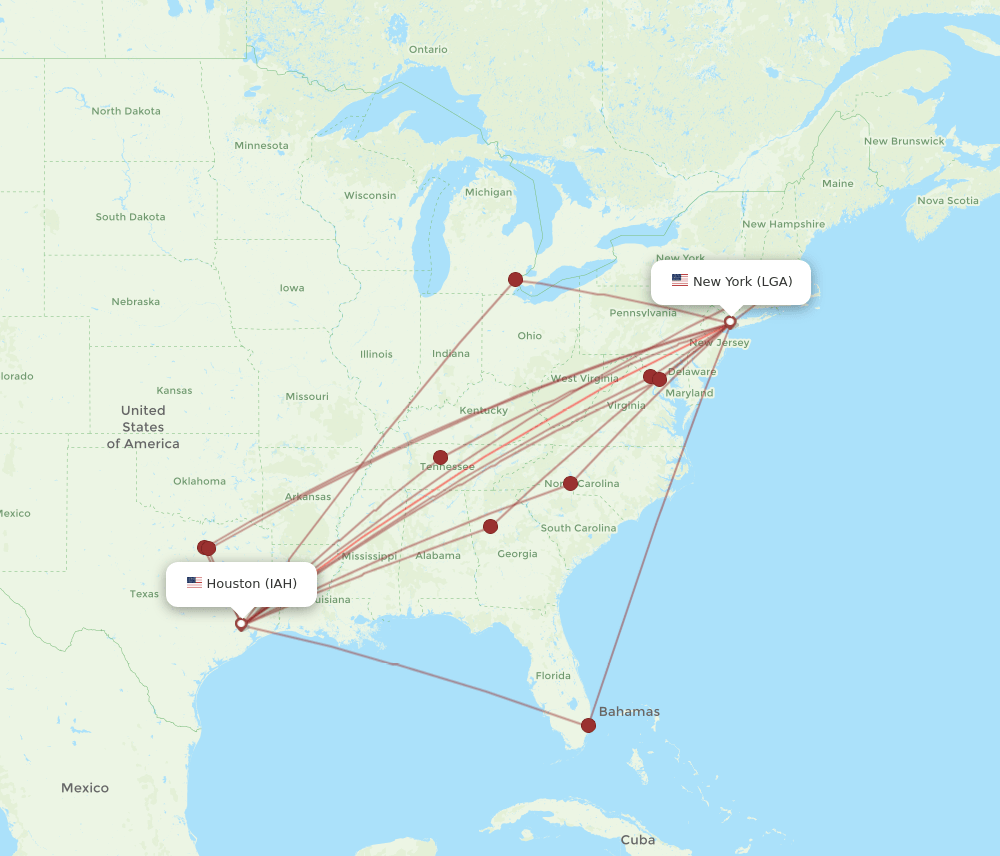
The direct flight from Houston to New York City is a frequently traveled route, connecting two of the United States’ most vibrant metropolises. The actual time spent airborne can vary, but generally, it falls within a predictable range.
Average Direct Flight Times
On average, a non-stop flight from Houston to New York City typically lasts between 3 hours and 30 minutes to 4 hours. This is the scheduled flight time, meaning the duration from the moment the aircraft leaves the gate to when it arrives at the destination gate. It’s important to distinguish this from “wheels-up” to “wheels-down” time, which is generally a bit shorter. Airlines factor in taxiing, potential delays, and other logistical elements into their scheduled flight durations.
Factors Influencing Flight Length
Several variables can subtly alter the duration of your flight. While the core distance between Houston and New York City remains constant, the actual flight time can be influenced by:
- Wind Speed and Direction: This is perhaps the most significant external factor. Flying east, as this route generally does, can benefit from prevailing tailwinds, potentially shortening the flight. Conversely, headwinds can extend the duration. Jet streams, high-altitude winds, play a crucial role.
- Aircraft Type: Different aircraft models have varying cruising speeds. While most commercial jets on this route will operate within a similar performance envelope, minor differences in aircraft efficiency can contribute to slight variations in flight time.
- Airline Flight Planning: Airlines meticulously plan their routes to optimize for factors like fuel efficiency, air traffic control, and, of course, flight time. Slight variations in the specific flight path chosen by an airline can impact the total duration.
- Air Traffic Control (ATC) and Airspace Congestion: Especially around major airports like those in New York City, air traffic can be dense. While direct flights are prioritized, occasional holding patterns or rerouting by ATC due to congestion or weather can add minutes to the journey.
- Specific Airports: While the flight is between the cities of Houston and New York City, the specific departure and arrival airports can also have a marginal impact. For instance, flying from George Bush Intercontinental Airport (IAH) to John F. Kennedy International Airport (JFK) might have a slightly different optimal flight path than a flight between William P. Hobby Airport (HOU) and LaGuardia Airport (LGA).
Considering Connecting Flights
While direct flights offer the most straightforward and typically fastest option, many travelers opt for flights with layovers. These choices are often driven by cost considerations, availability, or the desire to visit another city en route.
Impact of Layover Cities on Total Travel Time
A flight from Houston to New York City with one or more stops will, by definition, take significantly longer than a direct flight. The total travel time is the sum of:
- The flight time from Houston to the layover city.
- The layover duration itself, which can range from a brief 45 minutes to several hours.
- The flight time from the layover city to New York City.
Common layover cities for this route might include hubs like Atlanta, Dallas/Fort Worth, or Chicago. Depending on the length of the layover, a connecting flight can easily stretch the total travel time to anywhere from 6 hours to 10+ hours. This doesn’t even account for potential delays during either flight segment or extended gate waits during the layover.
When Connecting Flights Make Sense
Despite the added time, connecting flights can offer advantages:
- Cost Savings: Often, flights with layovers are priced more competitively than non-stop options, making them an attractive choice for budget-conscious travelers.
- Wider Availability: For certain travel dates or times, connecting flights might be the only available option.
- Opportunity to Break Up the Journey: For some, a longer layover provides a chance to stretch their legs, grab a proper meal, or even do some quick sightseeing if the airport and layover duration permit.
However, for travelers prioritizing speed and convenience, the direct flight remains the undisputed champion for the Houston to New York City route.

Planning Your Total Travel Time
Beyond the time spent in the air, a realistic assessment of travel time from Houston to New York City must include pre-flight and post-flight activities. These are crucial components of the overall travel experience and can add a substantial amount of time to your journey.
Pre-Flight Preparations
The time you need to allocate before your flight departs is significant. This typically includes:
- Travel to the Airport: Depending on your location within Houston and the chosen airport, this can take anywhere from 30 minutes to over an hour, especially during peak traffic times.
- Airport Check-in and Bag Drop: Even with online check-in, if you are checking luggage, you’ll need time to queue at the bag drop. This can vary greatly depending on the airline and the time of day, but budgeting 30-60 minutes is often wise.
- Security Screening: This is a major variable. Depending on the airport, time of day, and current security levels, passing through TSA can take anywhere from 15 minutes to over an hour, particularly at busy airports like IAH or JFK.
- Getting to the Gate: After security, you’ll need time to navigate the terminal and reach your departure gate, which can involve walking, using trams, or even taking internal airport trains.
- Boarding: Airlines typically begin boarding 30-45 minutes before the scheduled departure time. It’s advisable to be at your gate well before boarding begins.
In total, it’s generally recommended to arrive at the airport at least 2-3 hours before a domestic flight, especially for major routes and busy airports like those serving New York City.
Post-Flight Procedures
Once your aircraft lands in New York City, your journey isn’t quite over. The time to reach your final destination involves:
- Deplaning: This can take 10-20 minutes, depending on your seat location and the efficiency of the airline crew.
- Taxiing to the Gate: The time from landing to reaching the gate can vary, especially with heavy air traffic around NYC’s airports.
- Baggage Claim: If you checked luggage, you’ll need to wait for your bags. This can range from 15 minutes to over an hour if there are delays or a large number of flights arriving simultaneously.
- Ground Transportation: From the airport, you’ll need to arrange transportation to your hotel or final destination. This could involve taxis, ride-sharing services, public transit (like the AirTrain to Jamaica Station or Howard Beach), or a pre-booked car service. Travel time to Manhattan or other boroughs can add another 45 minutes to 1.5 hours or more, depending on traffic.
When factoring in all these steps, a journey from leaving your Houston accommodation to arriving at your New York City accommodation can easily span 6 to 9 hours, even for a direct flight.
Maximizing Your Travel Experience
Understanding the flight duration is only one piece of the puzzle. To ensure a smooth and enjoyable trip from Houston to New York City, consider these tips.
Choosing the Right Flight
When booking your flight, carefully review the scheduled departure and arrival times, as well as the total travel time if considering a connecting flight. Pay attention to the layover duration and the specific airports involved. Websites and apps that display this information clearly can be invaluable.
Packing Smart
For a flight of this duration, consider what you might need during the flight and immediately upon arrival. A carry-on bag with essentials like snacks, entertainment, a book, chargers, and a change of clothes can make the journey more comfortable.
Preparing for Arrival in New York City
New York City is a vast and dynamic place. Have a plan for how you’ll get from the airport to your final destination and consider purchasing any necessary transit passes in advance. Researching the best way to navigate the city based on your accommodation location and the airport you’re arriving at can save significant time and stress. Whether you’re flying into JFK, LGA, or Newark Liberty International Airport (EWR) (technically in New Jersey, but serving NYC), understanding the transit options is key.
Ultimately, while a direct flight from Houston to New York City is a relatively short intercontinental journey, effective planning encompassing pre- and post-flight activities is essential for a seamless travel experience.
LifeOutOfTheBox is a participant in the Amazon Services LLC Associates Program, an affiliate advertising program designed to provide a means for sites to earn advertising fees by advertising and linking to Amazon.com. Amazon, the Amazon logo, AmazonSupply, and the AmazonSupply logo are trademarks of Amazon.com, Inc. or its affiliates. As an Amazon Associate we earn affiliate commissions from qualifying purchases.