
Embarking on a journey from the bustling metropolis of New York to the land of fire and ice, Iceland, is an exciting prospect. The allure of dramatic landscapes, geothermal wonders, and unique cultural experiences beckons travelers across the Atlantic. A crucial piece of information for any traveler planning this transatlantic hop is understanding the flight duration. While the exact time can vary, this comprehensive guide will delve into the typical flight times, factors influencing them, and what you can expect as you prepare for your adventure to this captivating island nation.

The flight from New York to Iceland is surprisingly short, especially when compared to other transcontinental journeys. This relative proximity makes Iceland an incredibly accessible destination for many residents of the United States looking for an escape to a truly different world. Understanding this flight time is the first step in planning your itinerary, whether you’re dreaming of witnessing the Northern Lights, exploring the iconic Golden Circle, or soaking in the mineral-rich waters of the Blue Lagoon.
Understanding Flight Durations: Direct vs. Indirect Flights
When considering the flight time from New York to Iceland, it’s essential to differentiate between direct flights and those with layovers. This distinction significantly impacts your total travel time and overall experience.
Direct Flights: The Quickest Route to the Land of Fire and Ice
For travelers prioritizing speed and convenience, direct flights are the ideal choice. These flights depart from one of the major New York area airports, such as John F. Kennedy International Airport (JFK) or Newark Liberty International Airport (EWR), and land directly at Keflavík International Airport (KEF) near Reykjavík.
Typical Direct Flight Time:
The average flight time for a direct flight from New York to Iceland is generally between 5 to 5.5 hours. This is a remarkably short duration for an international flight crossing the Atlantic Ocean.
Several factors contribute to this efficient travel time:
- Proximity: Iceland is geographically closer to New York than many other European destinations. This shorter distance translates directly into a shorter flight.
- Jet Stream: Airlines often utilize the jet stream, a high-altitude air current, to their advantage. Flying with the jet stream can significantly reduce flight times, especially for eastbound journeys.
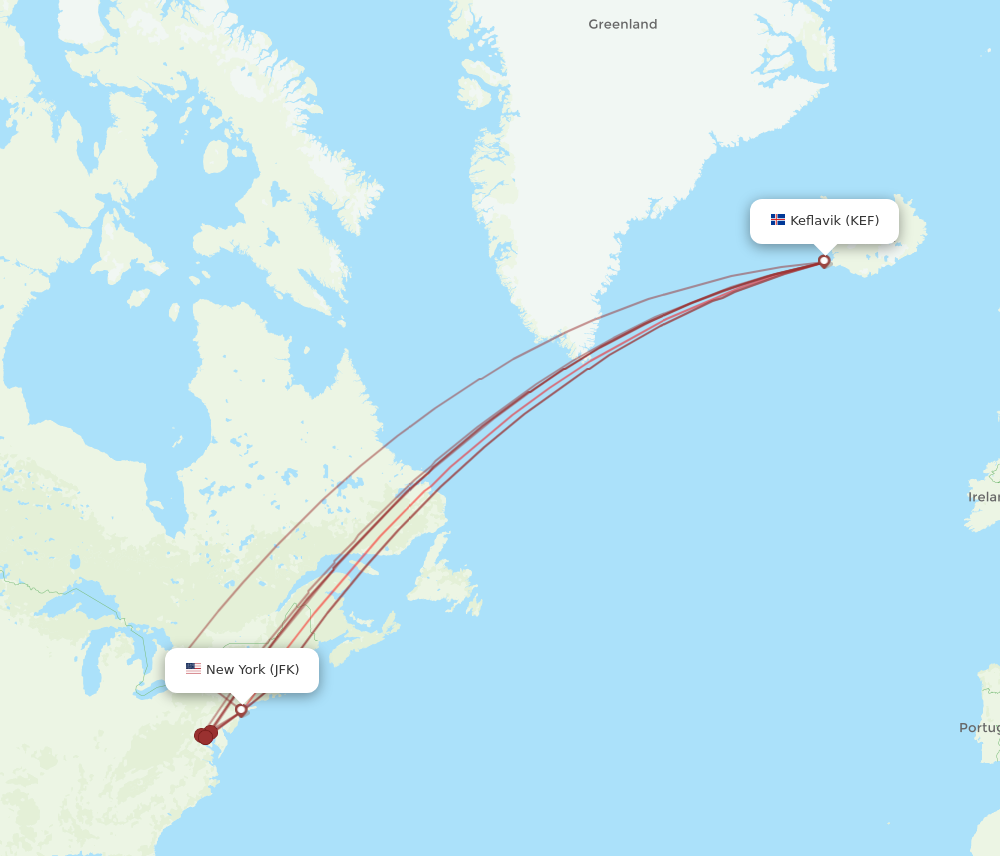
- Flight Path: The most direct flight paths between New York and Iceland are well-established and optimized for efficiency.
Airlines like Icelandair and Delta Air Lines are known to operate frequent direct flights on this route, making it a popular and easily accessible option for many. Upon arrival at Keflavík International Airport, you’ll be just a short bus or taxi ride away from the vibrant capital city of Reykjavík, ready to begin your Icelandic adventure.
Flights with Layover: Considering Extended Travel Times
While direct flights are undeniably appealing, flights with layovers can sometimes offer more competitive pricing or a wider range of departure times. However, it’s crucial to factor in the additional time these journeys entail.
Impact of Layovers on Total Travel Time:
A flight from New York to Iceland with a layover will naturally take longer than a direct flight. The total duration depends heavily on several variables:
- Layover Location: The city where you have your layover plays a significant role. Common layover points for flights to Iceland might include other major European hubs like London, Amsterdam, or even other cities within the United States before heading across the Atlantic.
- Layover Duration: This is the most significant factor. A short layover of 1-2 hours will add minimally to your travel time, while a longer layover of 4-8 hours, or even an overnight stop, can extend your journey considerably. Some travelers might even strategically plan longer layovers to explore another city briefly, turning a necessity into an added travel experience.
- Airline and Route: Different airlines will have different routings and connections, leading to varying layover durations and locations.
Estimating Total Travel Time with Layovers:
To estimate the total travel time for a flight with a layover, you need to add the direct flight time (approximately 5-5.5 hours) to the duration of your layover.
- Short Layover (1-3 hours): Total travel time could range from 6.5 to 8.5 hours.
- Moderate Layover (3-6 hours): Total travel time could range from 8 to 11.5 hours.
- Long Layover (6+ hours): Total travel time can extend to 11 hours and beyond, potentially even a full day or more, depending on the specific connection.
When searching for flights, always pay close attention to the “Total Travel Time” listed by the airline or booking platform. This figure typically includes the flight durations and the layover time, giving you a clearer picture of your overall journey.
Factors Influencing Flight Times
While the typical flight durations provide a solid baseline, several factors can subtly influence the actual time you spend in the air or on the ground during your journey from New York to Iceland. Understanding these elements can help you manage your expectations and plan accordingly.
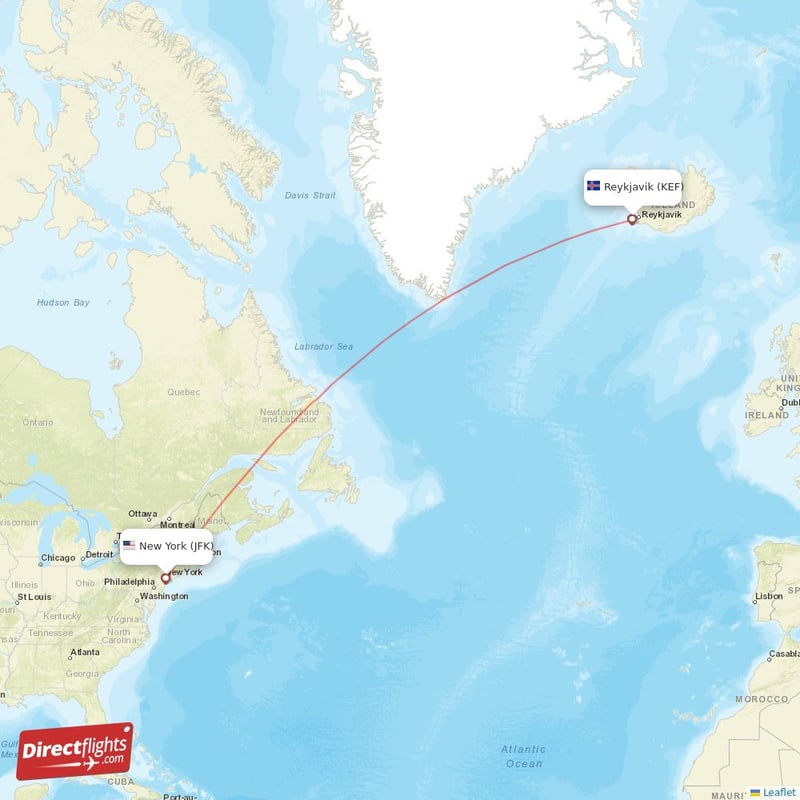
Jet Stream and Weather Patterns
As mentioned earlier, the jet stream is a powerful atmospheric river of fast-moving air that flows from west to east at high altitudes. Flying eastward from New York to Iceland often means capitalizing on the jet stream.
- Tailwinds: When your flight path aligns with the direction of the jet stream, you benefit from tailwinds. These winds push the aircraft forward, effectively increasing its ground speed and reducing the flight time.
- Headwinds: Conversely, if the jet stream is not favorable or if you encounter strong headwinds, your flight time can be extended. This is more common on westbound flights from Iceland back to New York.
- Turbulence: While not directly affecting flight time, strong jet stream activity can sometimes lead to turbulence, which might cause slight course deviations or slower cruising speeds to maintain passenger comfort and safety.
Weather conditions at both your departure and arrival airports can also play a role. Significant weather events, such as blizzards in New York or strong winds at Keflavík International Airport, can lead to flight delays or necessitate rerouting, thereby impacting your overall travel schedule.
Aircraft Type and Airline Operations
The specific aircraft used for your flight can also have a minor impact on the duration. Different models have varying cruising speeds. While the difference might be marginal (a matter of minutes), it contributes to the overall flight profile.
More significantly, airline operational choices can influence flight times. This includes:
- Flight Path Optimization: Airlines constantly optimize their flight paths based on real-time weather data, air traffic control instructions, and fuel efficiency considerations. This can lead to slight variations in the exact route taken on any given day.
- Taxiing Time: The time spent taxiing on the runway before takeoff and after landing at both airports adds to the total journey time from “gate to gate.” This can vary depending on airport congestion and air traffic control.
- Aircraft Maintenance and Turnaround: While not a flight time factor, efficient ground operations and aircraft turnaround times are crucial for maintaining on-time departures, which indirectly affects your perception of travel time.
Time Zones and Jet Lag
While not a measure of flight duration, it’s important to acknowledge the impact of time zone differences when traveling from New York to Iceland.
New York operates on Eastern Time (ET), which is UTC-5 during standard time and UTC-4 during daylight saving time. Iceland observes Greenwich Mean Time (GMT) year-round, which is UTC+0. This means Iceland is 4 or 5 hours ahead of New York, depending on whether daylight saving time is in effect in New York.
The time zone difference is a significant factor in the experience of jet lag. Despite the relatively short flight, the jump of several hours can affect your sleep patterns and overall energy levels upon arrival. Planning for this by staying hydrated, adjusting your sleep schedule before you depart, and spending time outdoors upon arrival can help mitigate the effects of jet lag and allow you to fully enjoy your time exploring Iceland.
Planning Your Icelandic Adventure
Knowing the flight time is just the beginning of planning your dream trip to Iceland. Whether you envision a short, action-packed getaway or a leisurely exploration of the island’s natural wonders, understanding your travel duration is key to crafting an effective itinerary.
Maximizing Your Time in Iceland
With flight times averaging around 5 to 5.5 hours for direct routes, Iceland is an ideal destination for a long weekend trip or a more extended vacation.
- Short Getaways (3-5 days): Even a few days allow you to experience some of Iceland’s most iconic attractions. Consider focusing on the Reykjavík area and the nearby Golden Circle, which includes Þingvellir National Park, the Geysir Geothermal Area, and Gullfoss waterfall. A visit to the Blue Lagoon is also a must for many.
- Extended Stays (7+ days): For a more in-depth exploration, a week or longer allows you to venture further afield. You could drive the famous Ring Road, circumnavigating the island and discovering diverse landscapes, from the black sand beaches of the south coast to the fjords of the east and the dramatic volcanic regions of the north. This might include visiting places like Jökulsárlón Glacier Lagoon, the charming town of Akureyri, or the rugged beauty of the Snaefellsnes Peninsula.
Accommodation and Activities in Iceland
When planning your stay, consider the vast array of accommodation options and activities available.
- Hotels and Resorts: From boutique hotels in Reykjavík to luxurious resorts offering geothermal spa experiences, Iceland caters to various preferences. Options like the The Retreat at Blue Lagoon offer unparalleled luxury, while more budget-friendly guesthouses can be found in smaller towns.
- Apartments and Villas: For families or those seeking more independence, renting an apartment or villa can be a comfortable and cost-effective solution, especially for longer stays.
- Unique Stays: Consider unique accommodations like farm stays or remote cabins for an immersive experience in Iceland’s stunning nature.
- Activities: Iceland offers a wealth of activities, from hiking and glacier walking to whale watching, ice cave tours, and soaking in natural hot springs. Depending on the season, you might also have the chance to witness the magical Northern Lights or experience the midnight sun.
Booking Your Flight and Preparing for Departure
The ease of access from New York to Iceland makes booking straightforward.
- Booking Flights: Utilize flight comparison websites to find the best deals on direct and indirect flights. Booking in advance, especially during peak season (summer and winter for Northern Lights), is recommended to secure favorable prices and schedules.
- Travel Documents: Ensure your passport is valid for at least six months beyond your intended stay. Citizens of the United States do not currently require a visa for short stays in Iceland, as both countries are part of the Schengen Area (though Iceland is not a member of the EU). Always check the latest entry requirements before your trip.
- Packing Essentials: Pack layers of clothing, as Iceland’s weather can be unpredictable. Waterproof and windproof outer layers are essential, along with sturdy hiking boots. Don’t forget swimwear for the hot springs and a good camera to capture the breathtaking scenery.
In conclusion, the flight from New York to Iceland is a brief and convenient journey, typically ranging from 5 to 5.5 hours for direct flights. This accessibility makes Iceland a prime destination for travelers seeking adventure and natural beauty without an excessively long transit. By understanding the factors that influence flight times and planning your trip with care, you can ensure a smooth and enjoyable travel experience from the moment you leave New York until you are immersed in the unique wonders of Iceland.
LifeOutOfTheBox is a participant in the Amazon Services LLC Associates Program, an affiliate advertising program designed to provide a means for sites to earn advertising fees by advertising and linking to Amazon.com. Amazon, the Amazon logo, AmazonSupply, and the AmazonSupply logo are trademarks of Amazon.com, Inc. or its affiliates. As an Amazon Associate we earn affiliate commissions from qualifying purchases.