
Planning a trip from the bustling streets of New York to the sun-drenched shores of Miami is a popular endeavor for both vacationers and business travelers. Whether you are trading the skyscrapers of Manhattan for the vibrant nightlife of South Beach, understanding the nuances of your flight duration is the first step in successful trip planning. While the distance between these two iconic cities is relatively short, several factors influence exactly how long you will spend in the air.
Understanding the Typical Flight Duration
When looking for direct flights between the United States northeastern hub and its southern counterpart in Florida, travelers can generally expect a flight time ranging between 2 hours and 45 minutes to 3 hours and 15 minutes. This timeframe covers the journey from take-off at one of the major metropolitan airports to touchdown in the Sunshine State.

The Impact of Departure and Arrival Airports
Your specific flight time is heavily influenced by the choice of airports. New York is served by three primary gateways: John F. Kennedy International Airport, LaGuardia Airport, and Newark Liberty International Airport. Similarly, Miami offers a few options, primarily Miami International Airport and Fort Lauderdale-Hollywood International Airport, which is a common alternative for travelers heading to the Miami area.
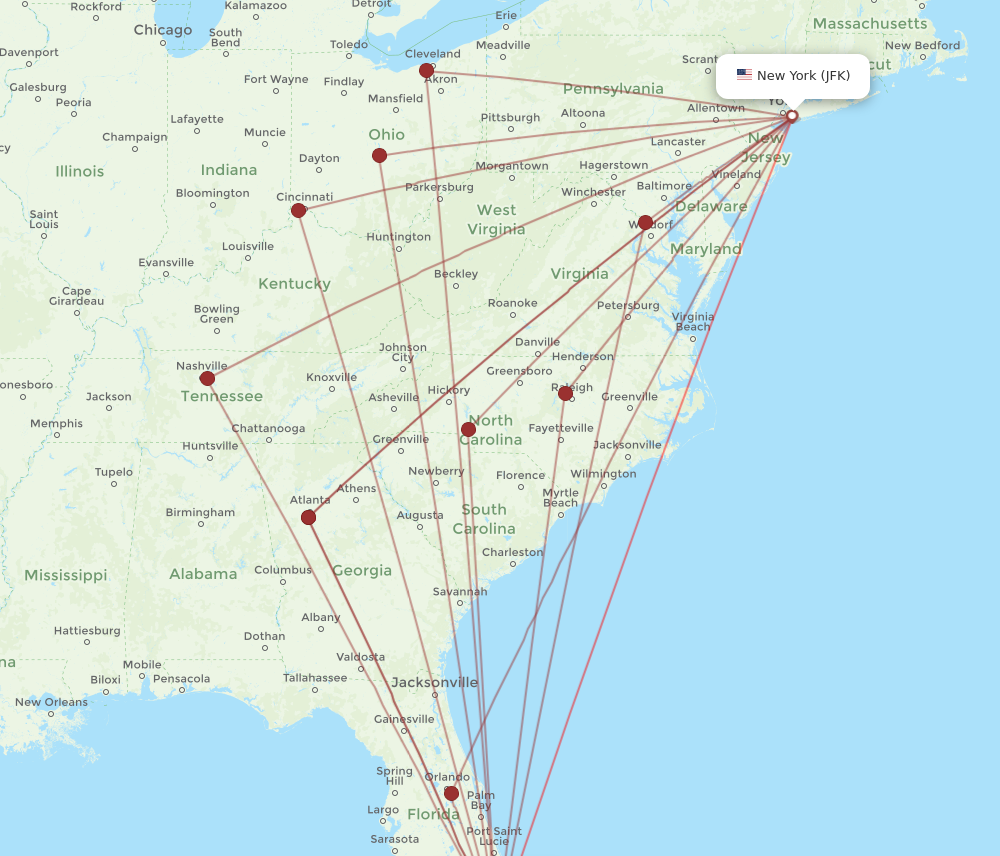
Because John F. Kennedy International Airport sits further southeast, flights originating there might experience a slightly shorter time in the air compared to those departing from Newark Liberty International Airport, which requires a slightly longer path to exit the busy airspace of the New York City metropolitan area.
Factors Affecting Your Time in the Air
While the flight plan usually maps a straight line down the Atlantic Coast, several operational variables can shift your arrival time by 15 to 30 minutes in either direction.
Weather Patterns and Wind Speeds
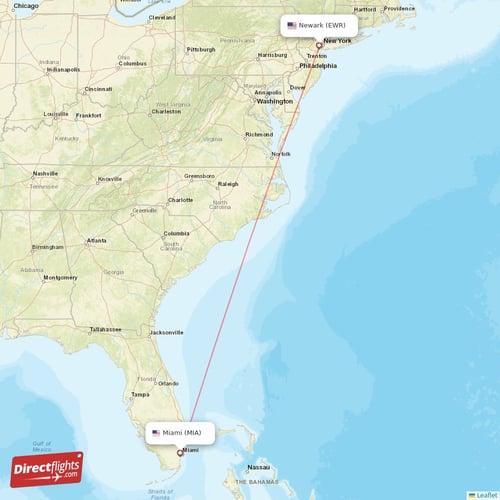
The most significant influence on flight duration is wind. Since most flights from New York to Miami travel in a southward direction, they are often affected by the jet stream. If the flight experiences a strong tailwind, the ground speed increases significantly, leading to a faster arrival. Conversely, unexpected storms along the Eastern Seaboard may force pilots to take a deviation in their flight path, adding mileage and time to the journey.
Air Traffic Control and Congestion
The airspace surrounding New York City is among the most congested in the world. Even after you push back from the gate, you may find yourself in a queue for takeoff. Air traffic control (ATC) restrictions often dictate departure times and flight paths. Similarly, arriving at Miami International Airport during peak hours can result in holding patterns or extended taxi times. These ground and air delays are “hidden” time added to your total travel experience, even if the actual flight time remains consistent.
The Difference Between Flight Time and Total Travel Time
It is essential to distinguish between the actual duration in the air and your “door-to-door” travel time. A common mistake travelers make is assuming that a 3-hour flight means they will be at their Hotel in Miami within three hours of leaving their home in New York.
Planning for Ground Logistics
When traveling from Manhattan to John F. Kennedy International Airport, traffic congestion can easily add an hour or more to your journey. You must also account for:
- Airport Security: Navigating TSA checkpoints at busy hubs like LaGuardia Airport can vary from 20 minutes to over an hour during holiday peaks.
- Boarding and Deplaning: Allow at least 30 minutes for boarding procedures and another 15 to 20 minutes for taxiing and deplaning upon arrival at Miami International Airport.
- Baggage Claim: If you are checking luggage, add another 20 to 40 minutes to your arrival time.
By the time you factor in the commute to the airport, the time spent in the terminal, the flight, and finally the transit to your final destination in Florida, a 3-hour flight effectively becomes a 6-to-7-hour travel day.
Tips for a Smoother Journey
To make the most of your travel between these two major hubs, consider the following strategic tips:
Choose Your Departure Time Wisely
Early morning flights are statistically more likely to depart on time. Air traffic congestion tends to build up as the day progresses; by mid-afternoon, delays in one part of the country can cause a “ripple effect” that impacts flights arriving in or departing from New York. Booking the first flight out can significantly reduce the risk of being caught in those cumulative daily delays.
Utilize Alternative Airports
If you are staying in North Miami or looking to save on airfare, consider looking at flights into Fort Lauderdale-Hollywood International Airport. While the flight time is nearly identical, the airport itself is often less crowded than Miami International Airport, potentially saving you time during the arrival process.
Stay Informed on Flight Paths
Most modern airlines provide real-time updates via mobile apps. Keep an eye on your flight’s status to anticipate any potential delays caused by weather in the Southeast United States. Knowing your gate, your terminal, and your flight path can help you navigate the travel day with less stress.
Summary of the Experience
Traveling from New York to Miami is a relatively quick hop, bridging two of the most vibrant cultures in the United States. While the time in the air is generally around three hours, treating your departure with the attention that local airport logistics require will ensure a seamless transition from the busy energy of the north to the relaxed, sunny atmosphere of the south. Whether you are traveling for business, visiting the iconic Art Deco District, or simply looking to escape the winter, knowing the realities of your flight duration allows you to plan your itinerary with confidence and ease. Always remember to check your specific airline’s scheduling information, as operational realities can change with the seasons and the shifting demands of busy air travel corridors.
LifeOutOfTheBox is a participant in the Amazon Services LLC Associates Program, an affiliate advertising program designed to provide a means for sites to earn advertising fees by advertising and linking to Amazon.com. Amazon, the Amazon logo, AmazonSupply, and the AmazonSupply logo are trademarks of Amazon.com, Inc. or its affiliates. As an Amazon Associate we earn affiliate commissions from qualifying purchases.