
Embarking on a journey from the bustling streets of New York City to the dazzling desert oasis of Las Vegas is a quintessential American travel experience. Whether you’re planning a spontaneous weekend getaway, a much-anticipated family vacation, a high-stakes business trip, or a luxurious escape, understanding the logistics of this cross-country flight is the first step toward a seamless adventure. While the glitz and glamour of Las Vegas beckon with promises of world-class entertainment, exceptional dining, and unforgettable experiences, the primary question for many travelers often revolves around the duration of the flight itself.
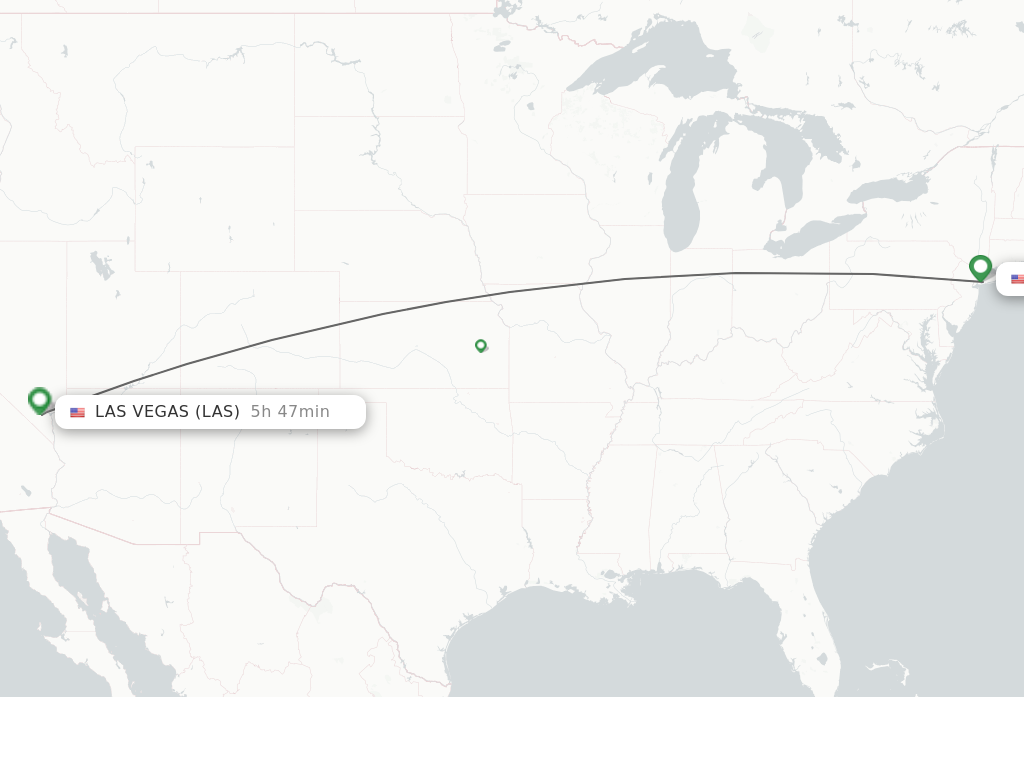
The direct flight time from New York City to Las Vegas typically ranges from approximately 5 hours to 5 hours and 45 minutes. This duration covers the actual time the aircraft is airborne, cruising at altitude from coast to coast. However, this figure is merely a starting point. A true understanding of your travel time requires considering a multitude of factors, from pre-flight airport procedures to the significant three-hour time zone difference and the efficiency of your chosen airline. This article will delve into all aspects of this popular route, offering insights to help you plan your perfect trip, from initial booking to your grand arrival in the Entertainment Capital of the World.
Unpacking the Direct Flight Duration: New York to Las Vegas
When you gaze out the window as your plane ascends from New York City and then descends towards the glittering expanse of Las Vegas, you’re experiencing a flight that covers a significant distance. The average non-stop flight stretches across roughly 2,225 miles (3,580 kilometers) between these two iconic United States cities.
The Core Flight Time
As mentioned, the core flight time for a direct journey from New York City to Las Vegas hovers around 5 hours to 5 hours and 45 minutes. This is the most crucial piece of information for any traveler, as it dictates the bulk of your in-air experience. For instance, a flight departing John F. Kennedy International Airport (JFK) might report a scheduled flight time of 5 hours and 30 minutes, which is a good baseline to work from when planning your itinerary. However, this is an average, and several elements can nudge that number up or down.
Factors Influencing Your Journey Above the Clouds
The precise duration of your flight is not set in stone and can be influenced by several dynamic variables:
- Aircraft Type: Modern aircraft, such as the Boeing 737 or Airbus A320 series, which are commonly used on this route, are designed for efficiency and speed. Larger, wide-body jets might have slightly different cruising speeds, but the impact is usually marginal on domestic routes of this length.
- Air Traffic Control (ATC): The airspace over both New York City and Las Vegas can be incredibly busy. Delays can occur due to congestion at departure or arrival airports, leading to longer taxi times on the ground or holding patterns in the air. These delays, while not part of the “flight time” itself, can certainly extend your overall journey.
- Wind Conditions (Jet Stream): One of the most significant factors affecting flight duration, especially on east-to-west routes, is the jet stream. Flying westward, against the prevailing winds, typically adds time to the journey. Conversely, eastward flights (from Las Vegas back to New York City) often benefit from tailwinds, making them noticeably shorter, sometimes by 30 minutes or more. This natural atmospheric phenomenon means your westbound flight will almost always be longer than your eastbound return.
- Flight Path Optimization: Airlines continuously optimize flight paths for fuel efficiency and speed, taking into account weather, restricted airspace, and air traffic. Minor adjustments to the route can incrementally affect flight time.
Navigating Time Zones: East to West
Perhaps one of the most mentally challenging aspects of flying from New York City to Las Vegas is the three-hour time zone difference. New York City operates on Eastern Time, while Las Vegas is on Pacific Time.
This means that if you depart JFK at 9:00 AM Eastern Time for a 5-hour, 30-minute flight, you will arrive in Las Vegas at approximately 11:30 AM Pacific Time. While the flight itself took over five hours, the clock on your destination city will only show a two-and-a-half-hour difference. This can be a boon for travelers eager to maximize their first day in Las Vegas, as you essentially “gain” three hours. However, it’s also a key contributor to jet lag for some, as your body will still be on Eastern Time for a while. Planning for this time shift is crucial, especially when scheduling airport pickups, hotel check-ins, or immediate activities upon arrival.
Beyond the Air: Understanding Total Travel Time
While the flight duration is a critical component, savvy travelers know that the actual time commitment from leaving your home or hotel in New York City to arriving at your chosen resort in Las Vegas is significantly longer. This “total travel time” encompasses all the necessary procedures and transit steps that surround the flight itself, transforming a five-and-a-half-hour flight into a potential 8-10 hour journey.
The Airport Experience: From Curb to Gate
The journey begins long before takeoff. Departing from New York City’s busy airports requires ample planning:
- Commute to the Airport: Getting to JFK, Newark Liberty International Airport (EWR), or LaGuardia Airport (LGA) can take anywhere from 30 minutes to over 2 hours, depending on your starting point in New York City, traffic conditions, and your chosen mode of transportation (taxi, subway, AirTrain, bus). Factor in potential delays, especially during peak hours.
- Check-in and Bag Drop: While online check-in is standard, if you’re checking bags, you’ll need to allocate time for this at the airport. Even with priority services, lines can form.
- Security Screening: This is often the most unpredictable part of the pre-flight process. Security wait times can vary dramatically based on the time of day, day of the week, and airport congestion. Travelers typically arrive 2-3 hours before a domestic flight to ensure enough buffer time. Expedited services like TSA PreCheck or Clear can significantly reduce this wait, offering a more streamlined “lifestyle” choice for frequent travelers.
- Walking to Gate and Boarding: New York City airports are vast. Walking to your gate, especially in large terminals like JFK, can take 15-30 minutes. Boarding typically begins 30-45 minutes before the scheduled departure time, and you’ll want to be at the gate well before then.
- Taxiing: Once you’ve boarded, the plane doesn’t immediately take off. Taxiing to the runway at a busy airport like JFK or EWR can add another 15-30 minutes before you’re airborne.
Considering all these pre-flight steps, it’s realistic to add 2.5 to 4 hours to your scheduled flight time before you even leave the ground.
Arrival in Las Vegas: Deplaning and Ground Transportation
Your travel time doesn’t end when the wheels touch down in Las Vegas. The arrival process at Harry Reid International Airport (LAS) also adds to your total journey:
- Deplaning and Walking to Baggage Claim/Exit: Depending on your gate, this can take 10-20 minutes. LAS is generally efficient, but it’s a large airport.
- Baggage Claim: If you checked bags, waiting for them can add another 15-30 minutes to your timeline.
- Ground Transportation to Hotel: Harry Reid International Airport is conveniently located very close to The Strip and downtown Las Vegas. Taxis, ride-shares, and shuttles are readily available. A ride to a central Strip resort might only take 10-20 minutes, while properties further north or downtown could take a bit longer. For a luxurious arrival, consider pre-booking a limousine or private car service as part of your “lifestyle” travel choice.
Adding these post-flight procedures, you can expect an additional 45 minutes to 1.5 hours before you’re checked into your Las Vegas accommodation, ready to begin your tourism adventures. Therefore, when budgeting time for your journey from New York City to Las Vegas, think in terms of a full day’s commitment, roughly 8-10 hours door-to-door, to account for all variables and ensure a stress-free travel experience.
Choosing Your Route: Airports and Airlines
Selecting the right airport and airline for your journey from New York City to Las Vegas can significantly impact your travel experience, from convenience and cost to overall comfort. New York City is served by three major international airports, while Las Vegas has one primary gateway.
Departing from the Big Apple: NYC’s Major Airports
Travelers flying out of New York City have three main options, each with its unique advantages and considerations for your “travel” plans and “lifestyle” preferences:
-
John F. Kennedy International Airport (JFK):
- Pros: As the busiest international gateway in the United States, JFK offers the widest selection of airlines and often the most direct flight options to Las Vegas. It’s a major hub for Delta Air Lines and American Airlines.
- Cons: Can be challenging to reach from certain parts of Manhattan or Brooklyn, and security lines can be lengthy.
- Best for: Travelers prioritizing choice, often finding competitive prices, and willing to navigate a larger airport.
-
Newark Liberty International Airport (EWR):
- Pros: Located in Newark, New Jersey, EWR is a major hub for United Airlines and is often more convenient for travelers coming from New Jersey or downtown Manhattan via NJ Transit or PATH trains.
- Cons: Depending on traffic, getting to EWR can be time-consuming, and cross-state lines can add to logistics.
- Best for: United Airlines loyalists, travelers on a business stay coming from New Jersey, or those seeking slightly less hectic conditions than JFK.
-
LaGuardia Airport (LGA):
- Pros: Primarily serves domestic flights and has undergone significant modern renovations, making the terminal experience much more pleasant. It’s often the most convenient airport for those coming from Midtown or Upper Manhattan and parts of Queens.
- Cons: Historically, LGA offered fewer non-stop flights to Las Vegas compared to JFK or EWR, though this has improved.
- Best for: Travelers prioritizing convenience to Manhattan and a smoother airport experience, especially if a direct flight is available for their preferred dates.
Arriving in the Entertainment Capital: Harry Reid International Airport
Upon arrival, all commercial flights to Las Vegas land at Harry Reid International Airport (LAS), formerly known as McCarran International Airport.
- Proximity to The Strip: LAS is famously close to The Strip, with many resorts just a 10-15 minute drive away. This makes for a very quick transition from plane to hotel, especially convenient for those eager to start their tourism activities or check into their luxurious “hotels” and “suites.”
- Transportation: Taxis, ride-sharing services (Uber/Lyft), and shuttles are abundant and efficiently managed. Some high-end resorts also offer private car services, catering to various “lifestyle” choices from “budget travel” to “luxury travel.”
Major Airlines Connecting the Coasts
A variety of major airlines offer direct flights between New York City and Las Vegas, catering to different preferences for service, amenities, and price points. The choice of airline often depends on your “budget travel” or “luxury travel” considerations, as well as loyalty programs.
-
Legacy Carriers:
- Delta Air Lines: Often flying out of JFK and LGA, known for a strong domestic network and various cabin classes.
- United Airlines: Primarily operating from EWR, offering a full-service experience.
- American Airlines: A major presence at JFK and LGA, with a wide range of flight times.
- These carriers generally provide a more comprehensive service, including in-flight entertainment, meals or snacks on longer flights, and a wider array of “amenities.”
-
Low-Cost Carriers:
- Southwest Airlines: Renowned for its unique open-seating policy and two free checked bags. Operates from LGA and EWR.
- JetBlue Airways: A favorite among many for its comfortable seating, ample legroom, and free in-flight entertainment. Primarily flies from JFK and EWR.
- Spirit Airlines and Frontier Airlines: These ultra-low-cost carriers offer basic fares, with add-ons for everything from baggage to seat selection. They can be excellent for “budget travel” if you pack light and don’t need many frills.
When “booking” your flight, consider factors like baggage allowances, seat pitch, in-flight services, and your preferred departure airport to find the best fit for your journey. Direct flights are generally recommended for convenience and minimizing total travel time, but connecting flights can sometimes offer significant cost savings, albeit with a longer overall travel duration.
Maximizing Your Travel Experience: Tips for a Seamless Journey
A long cross-country flight, coupled with significant time zone changes, can be taxing. To ensure your journey from New York City to Las Vegas is as comfortable and efficient as possible, smart planning and preparation are key. These tips integrate into various “lifestyle” aspects of travel, whether you’re on a “family trip,” “business stay,” or “luxury travel” excursion.
Booking Smart: When and How to Secure Your Flight
The cost and convenience of your flight can greatly depend on when and how you book.
- Best Time to Book: Generally, booking 2-4 months in advance yields the best prices for domestic flights. Prices tend to surge closer to the departure date, especially for popular routes like NYC to LAS.
- Flexibility with Dates: If your schedule allows, flying mid-week (Tuesday, Wednesday, Thursday) often results in cheaper fares and fewer crowds compared to weekends. Avoid major holidays and peak convention times in Las Vegas if budget is a primary concern.
- Consider Shoulder Seasons: Traveling in the spring (April-May) or fall (September-November) can offer pleasant weather in Las Vegas and potentially lower flight and “accommodation” costs compared to the busy summer or holiday seasons.
- Comparison Websites and Airline Deals: Utilize flight comparison websites for a broad overview of prices across different airlines. However, always check the airline’s official website directly as they sometimes offer exclusive deals or better bundled packages. Also, sign up for airline newsletters to catch flash sales.
- Direct vs. Connecting Flights: For a journey of this length, a direct flight is almost always preferable to minimize travel time and reduce the risk of missed connections. However, if “budget travel” is your priority, a connecting flight might offer savings, albeit with a longer total travel duration.
In-Flight Comfort and Entertainment
A 5 to 6-hour flight is long enough to warrant careful consideration of your comfort and entertainment.
- Stay Hydrated: The dry cabin air can lead to dehydration. Drink plenty of water before and during your flight, and limit caffeine and alcohol.
- Dress in Layers: Cabin temperatures can fluctuate. Wearing layers allows you to adjust to changing conditions. Comfortable clothing is paramount for a long flight.
- Movement is Key: Get up and walk around the cabin periodically, or do simple stretches in your seat to promote circulation and prevent stiffness. This is particularly important for avoiding deep vein thrombosis on longer flights.
- In-Flight Entertainment: Most major airlines offer seat-back entertainment systems with movies, TV shows, and games. Alternatively, download your favorite movies, podcasts, or e-books to your personal devices before you fly. A good pair of noise-canceling headphones can be a game-changer for a peaceful journey.
- Snacks: While some airlines offer complimentary snacks, bringing your own healthy options can save money and ensure you have food you enjoy.
- Sleep Aids: If you plan to sleep to help adjust to the time change, consider an eye mask, earplugs, or a travel pillow.
Making the Most of Your Las Vegas Arrival
Once you land at Harry Reid International Airport (LAS) and clear the arrival procedures, these tips will help you hit the ground running in Nevada.
- Adjust to the Time Zone: Try to switch your watch to Pacific Time as soon as you board the plane. Upon arrival, expose yourself to natural light and try to stay awake until a reasonable bedtime in Las Vegas to mitigate jet lag.
- Pre-Arrange Transport: Especially if arriving late or with a “family trip” group, having your ground transportation pre-booked (taxi, ride-share, shuttle, or private car) can save time and reduce stress, getting you to your “hotels” or “resorts” faster.
- Check-in Ready: Have your “accommodation” booking details readily accessible. Many resorts offer mobile check-in or dedicated lines for loyalty members, speeding up the process.
- Start Exploring: With the time “gained” from the flight, you’ll have ample opportunity to explore. After settling into your hotel, consider a leisurely walk down The Strip, grabbing a meal, or enjoying a quick show to immerse yourself in the Las Vegas atmosphere.
By thoughtfully planning your booking, ensuring your in-flight comfort, and preparing for your arrival, your cross-country journey can be an enjoyable part of your overall Las Vegas experience, setting a positive tone for the exciting “destinations” and “attractions” that await.
What Awaits You in Las Vegas: A Glimpse into the Entertainment Capital
After a smooth flight and efficient airport experience, you’ll find yourself immersed in the unique energy of Las Vegas. Known globally as the Entertainment Capital, this city offers an unparalleled array of “tourism” experiences, “landmarks,” “hotels,” and “lifestyle” options catering to every taste and budget.
Iconic Landmarks and Attractions
Las Vegas is a city built on spectacle, with many of its attractions doubling as world-renowned “landmarks.”
- The Strip: The heart of Las Vegas, a four-mile stretch of Las Vegas Boulevard that’s home to mega-resorts, casinos, and an electric atmosphere. Walking The Strip itself is an experience, from the vibrant neon lights to the street performers.
- Bellagio Fountains: A mesmerizing aquatic show synchronized to music and lights, a must-see free attraction that perfectly encapsulates Las Vegas’ grandeur.
- Eiffel Tower Viewing Deck at Paris Las Vegas: A half-scale replica offering breathtaking panoramic views of The Strip and surrounding areas, an architectural marvel.
- High Roller Observation Wheel: Located at The LINQ Promenade, this towering Ferris wheel provides 360-degree views from 550 feet above the ground, especially stunning at night.
- Fremont Street Experience: Located in Downtown Las Vegas, this pedestrian mall features a massive LED canopy with dazzling light and sound shows, live music, and a vibrant street scene.
- Natural Wonders: Beyond the city lights, Las Vegas serves as a gateway to incredible natural “destinations” like the stunning Red Rock Canyon National Conservation Area just a short drive away, or day trips to the majestic Grand Canyon.
World-Class Accommodation and Resorts
Las Vegas is synonymous with extravagant “accommodation” options, ranging from opulent “resorts” to comfortable “suites” and “apartments,” catering to every “budget travel” or “luxury travel” desire.
- Luxury Resorts: Iconic properties like Caesars Palace, The Venetian Resort Las Vegas, Wynn Las Vegas, and Bellagio offer lavish “suites,” gourmet dining, sprawling pool complexes, and exceptional service, embodying the “luxury travel” lifestyle.
- Mid-Range and Budget-Friendly Hotels: Options like MGM Grand Hotel & Casino, Aria Resort & Casino, Flamingo Las Vegas Hotel & Casino, and New York-New York Hotel & Casino provide excellent value with diverse “amenities” and prime locations.
- Beyond The Strip: For a different vibe, consider hotels downtown near the Fremont Street Experience or off-Strip options that often cater to “long-term stay” guests or “family trips” with more spacious “apartments” or “villas.” “Booking” in advance, especially during peak season, is highly recommended to secure your preferred room type and rate.
Dining, Shows, and Unforgettable Experiences
Las Vegas excels in offering “experiences” that cater to every whim, making it a dynamic hub for “tourism,” “local culture,” and “lifestyle.”
- World-Class Dining: From Michelin-starred restaurants helmed by celebrity chefs to casual buffets and innovative food trucks, Las Vegas is a culinary paradise. Explore “food” from around the globe, catering to every palate and budget.
- Spectacular Shows: The city is renowned for its entertainment, hosting resident headliners, Cirque du Soleil extravaganzas, magic shows, comedy acts, and Broadway productions. Securing tickets in advance is crucial for popular performances.
- Nightlife: Las Vegas’ nightclubs and bars are legendary, offering high-energy environments with top DJs and elaborate themes, perfect for a lively “lifestyle.”
- Shopping: High-end boutiques, designer stores, and sprawling malls provide endless opportunities for retail therapy.
- Activities: Beyond the casinos, enjoy golf, spa treatments, gondola rides, thrilling rides at New York-New York, or take a helicopter tour over the Grand Canyon. For “family trips,” there are numerous kid-friendly attractions, from aquariums to arcades.
The flight from New York City to Las Vegas is more than just a means of transport; it’s the bridge between two distinct American experiences. Once you land, the city’s boundless energy and endless opportunities for entertainment, relaxation, and adventure ensure that every moment of your journey, from the take-off in NYC to your first step onto The Strip, is part of an unforgettable travel narrative.
LifeOutOfTheBox is a participant in the Amazon Services LLC Associates Program, an affiliate advertising program designed to provide a means for sites to earn advertising fees by advertising and linking to Amazon.com. Amazon, the Amazon logo, AmazonSupply, and the AmazonSupply logo are trademarks of Amazon.com, Inc. or its affiliates. As an Amazon Associate we earn affiliate commissions from qualifying purchases.