
Embarking on a journey from the evergreen city of Seattle to the enchanting islands of Hawaii is a dream for many. The allure of sun-kissed beaches, volcanic landscapes, and vibrant Polynesian culture beckons travelers across the vast Pacific Ocean. But before you start packing your swimwear and aloha shirts, a crucial question arises: “How long flight from Seattle to Hawaii?” This comprehensive guide will not only answer that fundamental query but also delve into the various factors influencing flight durations, the best times to travel, and what to expect upon arrival, all while keeping in mind the diverse interests of travelers, from luxury seekers to budget-conscious explorers.

Understanding the flight duration is the first step in planning your unforgettable Hawaiian adventure. It allows for better scheduling, accommodation booking, and mental preparation for the time spent in transit. Whether you’re planning a quick getaway or a prolonged escape, knowing the flight time is paramount to a seamless travel experience.
Factors Influencing Flight Duration
The duration of a flight from Seattle to Hawaii is not a fixed number. Several variables come into play, each contributing to the overall travel time. These factors can significantly impact how long you’ll be airborne, and understanding them can help you make informed decisions when booking your tickets.
Direct vs. Connecting Flights
The most significant factor influencing flight duration is whether you opt for a direct flight or one with layovers. Direct flights are undeniably the quickest, allowing you to reach the Hawaiian islands with minimal time spent in the air and no time lost in transit terminals.
-
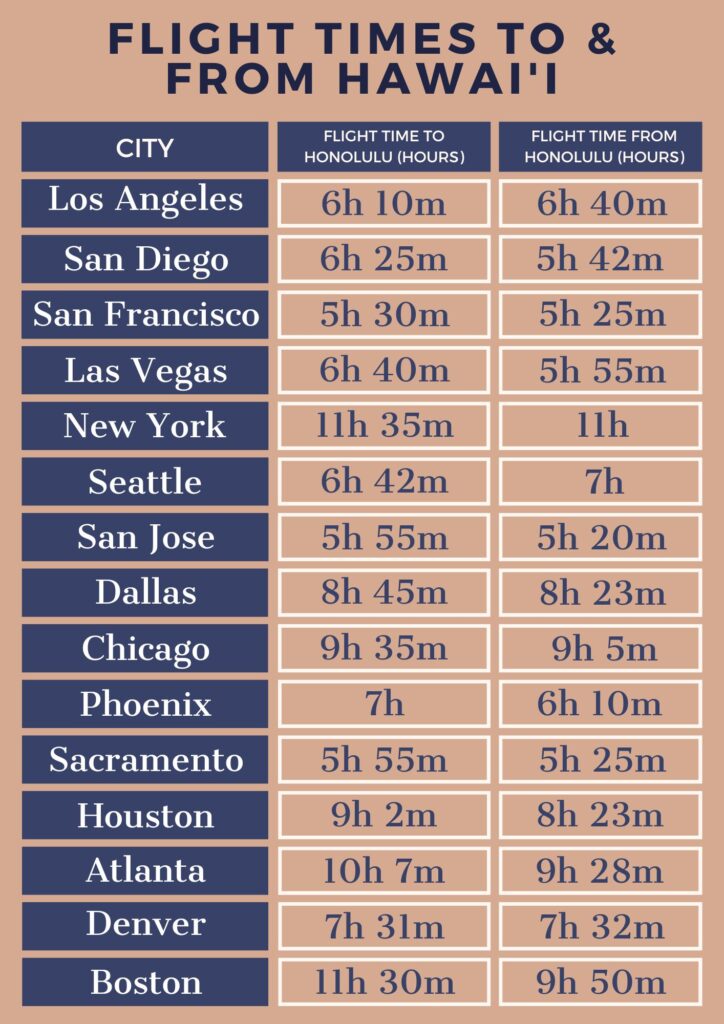
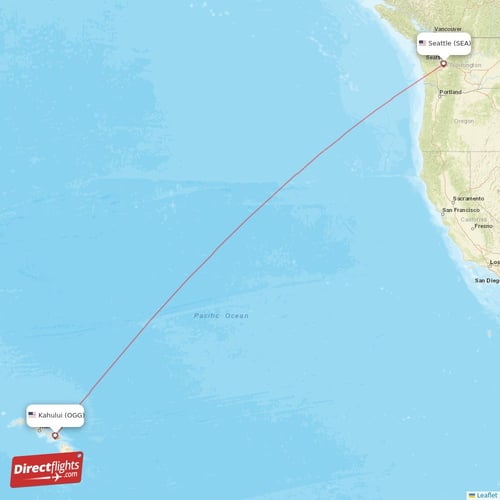
Direct Flights: When you fly directly from Seattle-Tacoma International Airport (SEA) to one of the major Hawaiian airports, such as Honolulu International Airport (HNL) on Oahu, Kahului Airport (OGG) on Maui, Kona International Airport (KOA) on the Island of Hawaii (Big Island), or Lihue Airport (LIH) on Kauai, you are looking at an average flight time of around 5 to 5.5 hours. This is the ideal scenario for those who want to maximize their time on the islands and minimize their travel fatigue. Airlines like Alaska Airlines and Hawaiian Airlines frequently operate these non-stop routes.
-
Connecting Flights: Flights with one or more layovers will naturally take longer. The duration of the layover, the location of the connecting city, and the time spent on the ground all add to the total travel time. Common layover cities for flights from Seattle to Hawaii might include Los Angeles (LAX), San Francisco (SFO), or even cities further inland. A connecting flight can easily add 2 to 6 hours or more to your journey, pushing the total travel time to anywhere from 7 to 12 hours, sometimes even longer, depending on the efficiency of the connections. While connecting flights can sometimes be cheaper, the trade-off is the added travel time and the potential for inconvenience.
Airline and Aircraft Type
While less impactful than the direct vs. connecting flight distinction, the specific airline and the type of aircraft used can subtly influence flight times. Larger aircraft might have slightly faster cruising speeds, but the difference is generally negligible for this route. More significant is the airline’s flight path and their adherence to air traffic control.
Wind Conditions and Jet Streams
As with any long-haul flight, prevailing winds and jet streams play a role. Flying eastward from Hawaii to Seattle, for instance, often sees flights taking slightly longer due to headwinds. Conversely, flights from Seattle to Hawaii can sometimes benefit from tailwinds, potentially shaving a few minutes off the journey. These atmospheric conditions are dynamic and can cause minor variations in flight duration.
Specific Hawaiian Island Destination
The Hawaiian archipelago consists of several islands, each with its own airport. While the flight from Seattle to any of the main islands is roughly similar, there might be minor differences. For example, flights to the westernmost islands might take marginally longer than those to the easternmost ones, though this difference is usually measured in minutes. The most common direct routes from Seattle are to Honolulu International Airport (HNL) on Oahu, which is the primary international gateway, and often to other major islands as well.
Planning Your Trip: Best Times and What to Expect
Beyond just the flight duration, successful trip planning involves considering the best times to visit and preparing for what awaits you upon arrival. This includes understanding seasonal variations, peak travel times, and the initial experiences of landing in paradise.
Best Times to Travel to Hawaii
The “best” time to visit Hawaii depends on your priorities, whether it’s weather, crowds, or cost.
-
Shoulder Seasons (April-May and September-October): These periods generally offer a sweet spot with pleasant weather, fewer crowds than the peak winter and summer months, and potentially lower airfare and accommodation prices. You’ll find the weather warm and sunny, with a lower chance of the winter rains that can affect some islands.
-
Winter (December-March): This is a popular time for travelers escaping colder climates, making it a peak season. The weather is generally warm and dry on the leeward sides of the islands, while the windward sides can experience more rain. This is also the prime season for whale watching, especially off the coast of Maui. Expect higher prices and more crowds.
-
Summer (June-August): Another peak season, summer offers consistently warm and dry weather across all islands. This is a great time for families due to school holidays. However, like winter, it comes with higher travel costs and a greater number of tourists.
-
Avoid Major Holidays: If budget is a concern and you prefer fewer crowds, try to avoid traveling during major holidays like Christmas, New Year’s, and spring break.
Arrival Experience in Hawaii
Stepping off the plane in Hawaii is an experience in itself. The moment you disembark, you’ll likely feel the change in atmosphere – a warmer, more humid air, often carrying the faint scent of plumeria.
-
Airport Procedures: Airports in Hawaii, while busy, are generally efficient. You’ll go through standard security and baggage claim procedures. Some visitors mention a “lei greeting” as a traditional welcome, which can be pre-arranged.
-
Transportation: Once you’ve collected your luggage, you’ll need to arrange transportation to your accommodation. Options include rental cars (highly recommended for exploring the islands), airport shuttles, taxis, and ride-sharing services. Booking a rental car in advance is crucial, especially during peak seasons, as they can sell out.
-
Island Time: Embrace “island time.” While flights have specific durations, life in Hawaii tends to move at a more relaxed pace. This is part of the charm and should be embraced to fully enjoy your vacation.
Maximizing Your Hawaiian Getaway
Knowing your flight duration is just the first piece of the puzzle. To truly maximize your Hawaiian getaway, consider how your travel choices align with your lifestyle and interests, from the type of accommodation you choose to the activities you pursue.
Accommodation Options in Hawaii
Hawaii offers a vast array of accommodation choices, catering to every taste and budget, from opulent resorts to charming apartments and private villas.
-
Luxury Resorts: For those seeking ultimate comfort and world-class amenities, the Grand Hyatt Kauai Resort & Spa on Kauai, the Four Seasons Resort Maui at Wailea on Maui, or The Royal Hawaiian, a Luxury Collection Resort, Waikiki on Oahu offer unparalleled experiences. These often include stunning ocean views, multiple swimming pools, fine dining restaurants, and full-service spas.
-
Boutique Hotels and Apartments: For a more intimate or self-catered experience, boutique hotels and apartment rentals provide a local feel. Websites like Airbnb and VRBO are popular for finding unique properties, from beachfront condos to secluded mountain retreats.
-
Villas and Vacation Rentals: Families or groups of friends might find vacation rentals or villas to be an ideal solution, offering more space, privacy, and often private amenities like pools and kitchens.
-
Budget-Friendly Stays: Even on a budget, Hawaii can be accessible. Look for charming guesthouses, smaller inns, or even consider hostels in areas like Waikiki. Traveling during the shoulder seasons can also significantly reduce accommodation costs.
Must-Do Activities and Landmarks
Once you’ve settled in, the islands of Hawaii offer an endless list of attractions and activities, from iconic landmarks to immersive cultural experiences.
-
Oahu: Explore the historic Pearl Harbor, soak up the sun on the world-famous Waikiki Beach, hike to the summit of Diamond Head for panoramic views, and immerse yourself in Polynesian culture at the Polynesian Cultural Center.
-
Maui: Drive the scenic Road to Hana, witness the sunrise atop Haleakala National Park, go snorkeling or diving at Molokini Crater, and relax on the beautiful beaches of Ka’anapali.
-
Island of Hawaii (Big Island): Marvel at the volcanic activity in Hawaii Volcanoes National Park, visit the historic Pu’uhonua o Hōnaunau National Historical Park, stargaze at the Mauna Kea Observatories, and swim with manta rays on a nighttime tour.
-
Kauai: Hike the dramatic Na Pali Coast, visit the stunning Waimea Canyon (the “Grand Canyon of the Pacific”), explore the lush Hanalei Valley, and relax on the pristine beaches of Poipu.
Regardless of the length of your flight, the magic of Hawaii awaits. By understanding flight durations, planning strategically, and embracing the spirit of the islands, your journey from Seattle to this Pacific paradise will be an unforgettable experience.
LifeOutOfTheBox is a participant in the Amazon Services LLC Associates Program, an affiliate advertising program designed to provide a means for sites to earn advertising fees by advertising and linking to Amazon.com. Amazon, the Amazon logo, AmazonSupply, and the AmazonSupply logo are trademarks of Amazon.com, Inc. or its affiliates. As an Amazon Associate we earn affiliate commissions from qualifying purchases.