
Traveling from the volcanic peaks of Hawaii to the vast landscapes of Australia is a significant undertaking that involves crossing the heart of the Pacific Ocean. For many travelers, this journey represents a bridge between two of the most popular island-influenced cultures in the world. However, because the distance is substantial—spanning thousands of miles of open water—the flight duration is a primary concern for itinerary planning. Understanding the nuances of this transpacific trek, from the specific flight paths to the impact of the International Date Line, is essential for a smooth transition between the northern and southern hemispheres.
Primary Direct Routes and Flight Durations
The duration of a flight between Hawaii and Australia varies depending on the destination city, the direction of travel, and the prevailing wind conditions. Most direct flights depart from Daniel K Inouye International Airport in Honolulu, which serves as the central hub for Polynesia and a critical jumping-off point for flights to Oceania.
Honolulu to Sydney
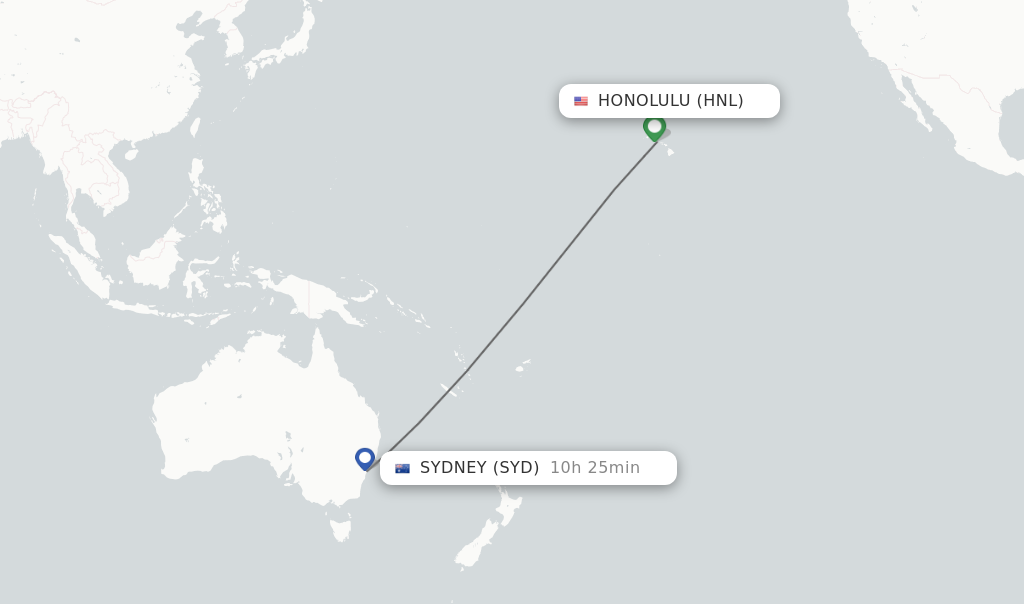
The most popular direct route is from Honolulu to Sydney. This flight typically covers a distance of approximately 5,060 miles (8,140 kilometers). When flying westbound from Hawaii to Sydney Kingsford Smith Airport, the average flight time is between 10 hours and 30 minutes and 11 hours and 15 minutes. This duration is influenced by the aircraft’s cruising speed and the presence of headwinds, which are common when traveling toward the west.
Conversely, the return flight from Sydney to Honolulu is generally shorter. Thanks to the powerful jet streams that push aircraft eastward, the flight time can drop to roughly 9 hours and 45 minutes or 10 hours. This variation of nearly an hour is a standard feature of transpacific travel that frequent flyers and airlines account for in their scheduling.
Honolulu to Melbourne and Brisbane
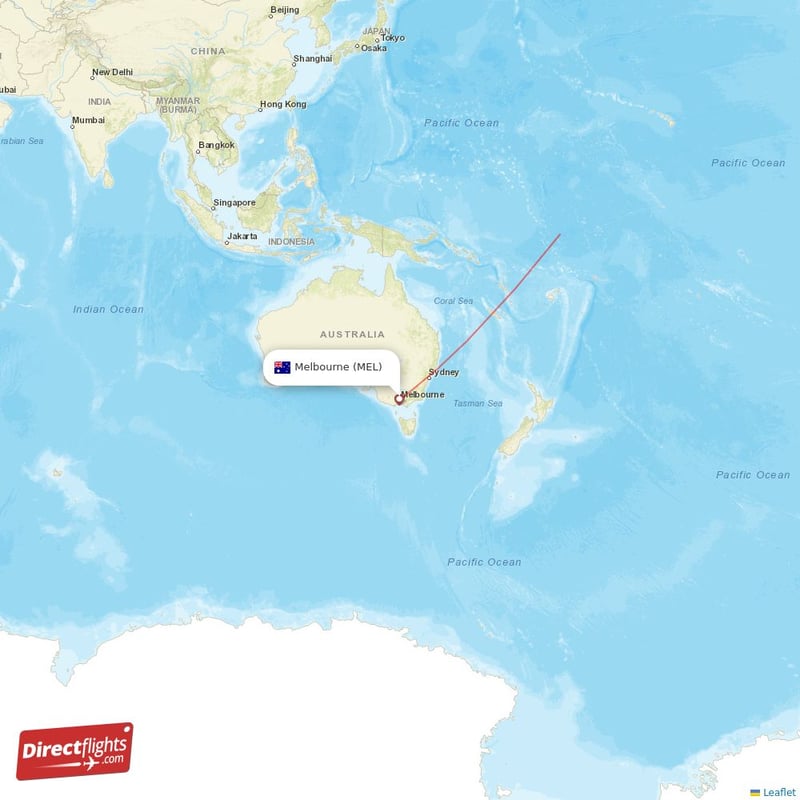
While Sydney remains the primary gateway, direct services also exist to other major Australian cities. A flight from Honolulu to Melbourne Airport in Victoria is slightly longer, often clocking in at around 11 hours and 30 minutes. The distance to Melbourne is greater as it sits further south and west than Sydney.
For those heading to the Sunshine State, flights to Brisbane Airport in Queensland are slightly shorter than the Sydney route, typically taking about 10 hours. Brisbane is geographically closer to Hawaii than the other major southern capitals, making it an efficient entry point for travelers looking to minimize their time in the air.
Major Carriers Serving the Transpacific Route
Choosing the right airline can significantly impact the experience of a ten-hour flight. Several major carriers operate regular schedules between Hawaii and Australia, each offering different levels of service, aircraft types, and pricing structures.
Hawaiian Airlines: The Island Connection
As the flagship carrier of the islands, Hawaiian Airlines offers a seamless transition from the spirit of Aloha to the Australian landscape. They primarily utilize the Airbus A330 aircraft for this route. These wide-body planes are designed for long-haul comfort, featuring a two-aisle configuration that allows for better movement during the flight. Hawaiian Airlines is known for its hospitality and island-inspired meals, which begin the cultural experience before the plane even leaves the tarmac at Honolulu.
Qantas Airways and Jetstar
Qantas Airways, the national carrier of Australia, frequently operates this route, often using the state-of-the-art Boeing 787 Dreamliner. The Dreamliner is specifically engineered for long-distance travel, with features like higher cabin humidity and larger windows to help mitigate the effects of jet lag.
For budget-conscious travelers, Jetstar Airways provides a low-cost alternative. Also utilizing the Boeing 787 Dreamliner, Jetstar offers a more “unbundled” service where passengers can choose to pay for meals, entertainment, and extra legroom separately. While the flight duration remains the same, the amenities differ significantly from full-service carriers like Qantas.
Indirect Routes and Stopover Options
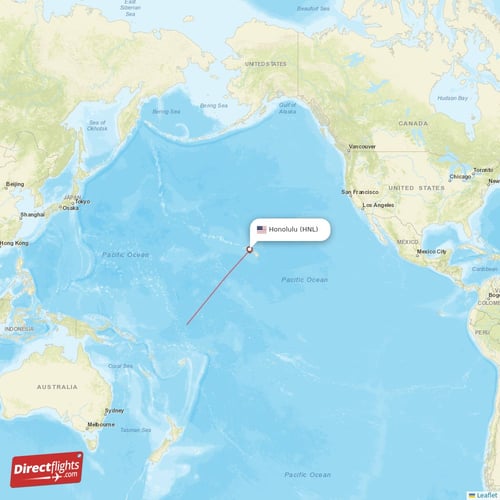
While direct flights are the fastest way to travel between Hawaii and Australia, many travelers opt for indirect routes to save on airfare or to explore an additional destination. These routes can extend the total travel time from 10 hours to anywhere between 15 and 24 hours, depending on the length of the layover.
Layovers in Fiji and New Zealand
A popular alternative is flying with Fiji Airways, which involves a stop at Nadi International Airport in Fiji. This route adds a few hours of flight time but allows travelers to experience the beauty of Melanesia. The flight from Honolulu to Nadi is approximately 6 hours, followed by a 4-hour hop to Sydney or Brisbane.
Similarly, Air New Zealand offers connections through Auckland Airport in New Zealand. While this takes travelers further south before heading back north to Australia, it is a highly-rated service known for exceptional comfort. The leg from Honolulu to Auckland takes about 9 hours, and the final leg to Australia is a short 3-hour trans-Tasman flight.
Navigating Time Zones and Jet Lag
One of the most complex aspects of flying from Hawaii to Australia is the dramatic shift in time and the crossing of the International Date Line. This geographical boundary means that travelers effectively “lose” a day when flying west and “gain” a day when flying east.
The International Date Line Factor
When you depart from Honolulu on a Tuesday morning, you will likely arrive in Sydney on Wednesday afternoon. Although you have only been in the air for 10 or 11 hours, the calendar has skipped ahead 20 or more hours due to the time zone differences. Hawaii follows Hawaii-Aleutian Standard Time, which does not observe daylight saving. In contrast, New South Wales and Victoria use Australian Eastern Standard Time and often observe daylight saving, creating a time difference that ranges from 20 to 21 hours.
To manage this, airlines typically schedule flights to depart Hawaii in the late morning or early afternoon, arriving in Australia the following evening. This allows travelers to head straight to their accommodation, such as a hotel in Circular Quay, and sleep off the initial jet lag.
Strategies for Long-Haul Comfort
Given the 10-plus hour duration, preparation is key to ensuring the flight is manageable. Because you are crossing the Equator, the aircraft will pass through various atmospheric layers, including the Intertropical Convergence Zone, which can occasionally cause turbulence. Staying hydrated and moving around the cabin of the Airbus A330 or Boeing 787 is vital for circulation.
Many travelers also recommend adjusting their watches to the destination time as soon as they board at Daniel K Inouye International Airport. This mental shift helps the body begin to adapt to the upcoming Australian schedule.
Optimal Planning for a Pacific Crossing
The best time to book a flight between these two regions depends on both weather and seasonal demand. Australia and Hawaii have inverted seasons; when it is winter in Honolulu, it is the peak of summer in Sydney and Melbourne.
Seasonal Variations in Travel
Peak travel periods occur during the Christmas and New Year holidays, as well as the Australian school holiday periods in July and September. During these times, flight availability may be limited, and durations might feel longer due to crowded airports and full cabins. For those seeking the shortest lines and potentially better seat selections, traveling during the shoulder seasons—late April to June or October to November—is highly recommended.
Arrival Procedures and Logistics
Upon arrival in Australia, whether at Sydney Airport or Brisbane Airport, passengers must navigate rigorous customs and biosecurity checks. Australia is famous for its strict laws regarding the entry of organic materials, which is crucial for protecting its unique ecosystem. Travelers coming from Hawaii should be particularly careful about any fruit, seeds, or wooden items they may have picked up in the islands.
The journey from Hawaii to Australia is more than just a 10-hour flight; it is a transition between the United States and the Commonwealth, and between the northern and southern hemispheres. By choosing the right airline, understanding the time zone shift, and preparing for the duration, travelers can turn this long-haul flight into a comfortable and exciting part of their global adventure. Whether you are landing in the harbor city of Sydney or the cultural capital of Melbourne, the trek across the Pacific Ocean remains one of the world’s most iconic air routes.
LifeOutOfTheBox is a participant in the Amazon Services LLC Associates Program, an affiliate advertising program designed to provide a means for sites to earn advertising fees by advertising and linking to Amazon.com. Amazon, the Amazon logo, AmazonSupply, and the AmazonSupply logo are trademarks of Amazon.com, Inc. or its affiliates. As an Amazon Associate we earn affiliate commissions from qualifying purchases.