
The journey from the vibrant, bustling streets of New York to the sun-drenched, sprawling metropolis of Los Angeles is one of the most iconic and frequently traveled routes in the United States. Spanning the North American continent, this transcontinental flight connects two of the nation’s largest cultural and economic hubs. For many travelers, whether embarking on a much-anticipated vacation, a crucial business trip, or a move to a new city, the most pressing question is often: “How long will this flight actually take?” While the simple answer might seem straightforward, the reality of air travel involves a multitude of factors that can influence the total duration of your journey.

This comprehensive guide will delve into the nuances of flying from the East Coast to the West Coast, exploring not just the in-air time but also the broader travel experience. We’ll cover everything from the typical flight duration and influencing factors to practical tips for a comfortable journey, considerations for choosing your airports, and what to expect upon arrival in the City of Angels or before departing from the Big Apple. Understanding these elements is key to planning a seamless and enjoyable trip across the country.
Understanding the New York to Los Angeles Flight Duration
When planning a trip from New York to Los Angeles, the advertised flight duration is a crucial piece of information. However, it’s essential to differentiate between the “block time” – the time from when the aircraft pushes back from the gate until it arrives at the destination gate – and the actual time spent airborne. Both are significant for travelers’ expectations and overall trip planning.
The “Actual” Flight Time: What to Expect
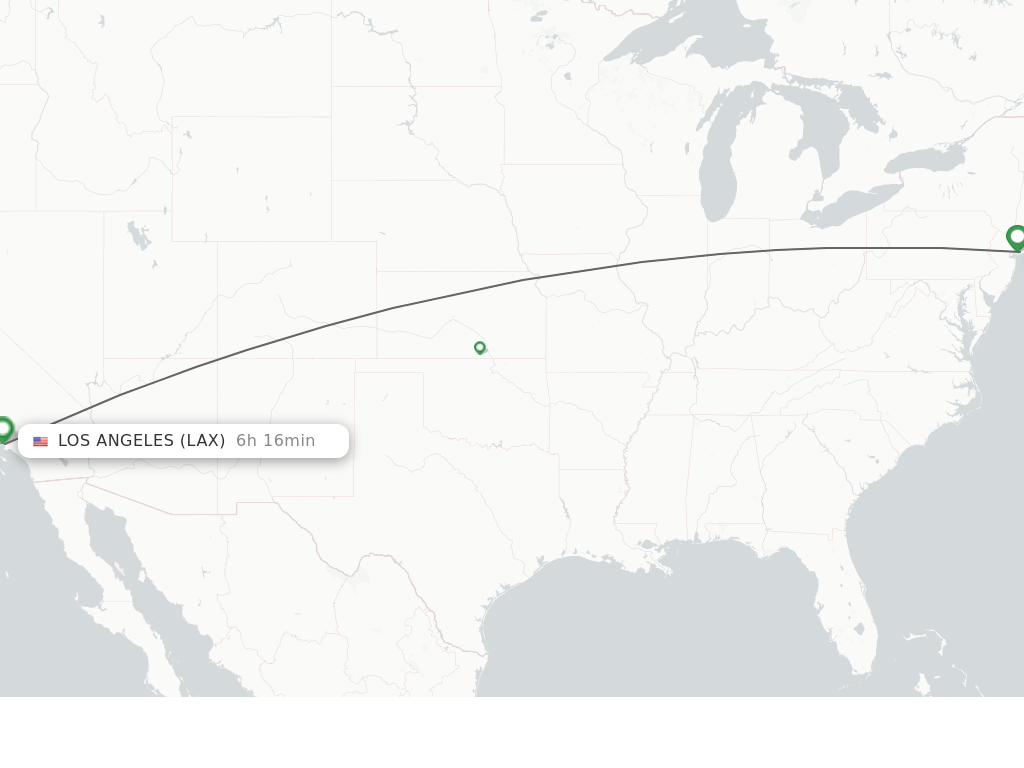
For a direct, non-stop flight from New York to Los Angeles, the average airborne time typically ranges from 5 hours and 30 minutes to 6 hours and 15 minutes. This is the time the aircraft is actively in the air, cruising at altitude. However, the total “block time” or scheduled gate-to-gate time often accounts for more. Airlines build in buffer time to accommodate potential delays during taxiing, takeoff, and landing. Therefore, you might see scheduled flight times closer to 6 hours to 7 hours.
This duration places the New York to Los Angeles route firmly in the category of a medium to long-haul domestic flight. It’s long enough to warrant considerations for comfort, entertainment, and meal planning, but short enough that many travelers find it manageable without a layover. The journey crosses three time zones, meaning you’ll arrive three hours earlier in local time than you departed, which can sometimes lead to a feeling of a shorter journey. However, the physiological impact of crossing time zones (jet lag) is still a factor to consider upon arrival.
Factors Influencing Your Journey
Several variables can influence the precise duration of your flight, making each journey slightly unique. Understanding these can help set realistic expectations and even assist in choosing the optimal flight for your needs.
- Aircraft Type: Modern, fuel-efficient aircraft like the Boeing 737 MAX, Airbus A320neo series, or larger wide-body jets used on some premium transcontinental routes can sometimes complete the journey slightly faster due to their cruising speeds and efficiency.
- Wind Conditions (Jet Stream): This is perhaps the most significant natural factor. Flights traveling westbound (East to West) often contend with headwinds, particularly the powerful jet stream that flows from West to East across the continent. This strong current of air can add anywhere from 30 minutes to over an hour to a flight’s duration. Conversely, eastbound flights (West to East) often benefit from tailwinds, significantly shortening their travel time.
- Air Traffic Control (ATC) Delays: Both New York and Los Angeles are major metropolitan areas with some of the busiest airports in the world. Congestion in the airspace or on the ground can lead to extended taxi times before takeoff or holding patterns upon arrival, adding minutes to the overall journey. Weather events at either origin or destination airport can also exacerbate ATC delays.
- Routing: While most flights follow similar great-circle routes to minimize distance, slight variations due to weather, military airspace, or ATC instructions can alter the flight path and, consequently, the time in the air.
Major Airports Serving the Route
Travelers flying between New York and Los Angeles have several major airport options on both ends, each with its own advantages in terms of accessibility, amenities, and typical flight frequencies.
In the New York Metropolitan Area:
- JFK International Airport (JFK): Located in Queens, JFK is the largest and most internationally focused airport in New York. It offers numerous daily non-stop flights to LAX across various airlines, often including premium transcontinental services. Access to Manhattan is via the AirTrain and subway or taxi/rideshare.
- Newark Liberty International Airport (EWR): Situated in New Jersey, EWR is a major hub, particularly for United Airlines. It also provides frequent non-stop services to Los Angeles and is accessible from Manhattan via NJ Transit trains or express buses.
- LaGuardia Airport (LGA): Also in Queens, LGA is historically known for domestic travel and has undergone significant redevelopment. While historically less common for long-haul routes like LAX due to perimeter rules, it now offers some direct flights and can be a convenient option for those staying closer to central Manhattan or northern Queens.
In the Los Angeles Metropolitan Area:
- Los Angeles International Airport (LAX): By far the primary gateway to Los Angeles, LAX handles the vast majority of flights from New York. It is a mega-hub with extensive services, but also notorious for its size and potential for traffic congestion.
Choosing the right airport for departure and arrival can impact your total travel time by factoring in ground transportation, check-in, and security clearance, all of which can easily add hours to your overall journey.
Beyond the Flight: Planning Your Transcontinental Experience
The flight itself is just one part of the entire travel experience. To ensure a smooth and enjoyable journey from New York to Los Angeles, it’s crucial to consider aspects that extend beyond the in-air time. From preparing for the flight to potential layover strategies, every detail contributes to the overall travel lifestyle.
Making the Most of Your Journey
A 6-hour flight is a significant chunk of time, making in-flight comfort and entertainment crucial. Many airlines operating the NYC-LAX route offer enhanced services due to its popularity with business and premium leisure travelers.
- In-flight Amenities: Most major carriers provide seat-back entertainment systems with a wide selection of movies, TV shows, music, and games. Wi-Fi is typically available for purchase, allowing travelers to stay connected. Power outlets are also common, essential for charging devices during a longer flight.
- Comfort Essentials: Dress in layers to adjust to cabin temperatures. A travel pillow, eye mask, and noise-canceling headphones can significantly improve comfort, especially for those looking to sleep or relax. Hydration is also key; drink plenty of water and limit caffeine and alcohol.
- Meal Service: On premium transcontinental flights, full meal service may be offered in all cabins. On standard economy flights, snacks and beverages are usually complimentary, with more substantial meals available for purchase. Planning ahead with your own snacks can be a good idea, particularly if you have dietary restrictions.
- Stretching and Movement: To mitigate the effects of prolonged sitting, try to stand up and stretch periodically, or walk the aisle when safe to do so. Simple in-seat exercises can also help maintain circulation.
Navigating Layover Options
While direct flights are the most popular and time-efficient option for the New York to Los Angeles route, connecting flights are sometimes chosen for cost savings, specific airline preferences, or the need to stop in another city. If you opt for a flight with a layover, your total journey time can extend significantly.
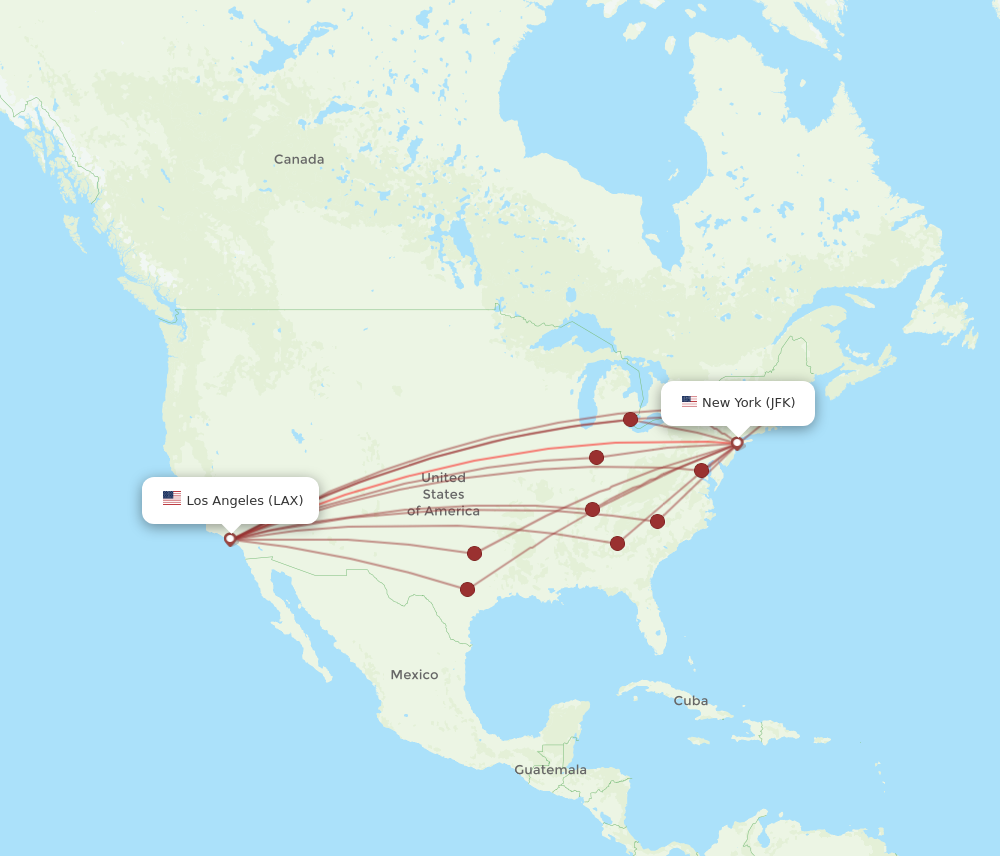
- Typical Layover Hubs: Common connecting cities for this route include Chicago (ORD), Dallas (DFW), Houston (IAH), Denver (DEN), and Atlanta (ATL).
- Layovers Impact on Time: A typical layover can add anywhere from 2 to 4 hours to your total travel time, but longer layovers are not uncommon. When booking, always check the total trip duration, not just the flight segments. If time is of the essence, a direct flight is almost always preferred.
- Benefits of Layovers: For budget-conscious travelers, connecting flights can sometimes be considerably cheaper. They also offer a chance to break up a long journey, stretch your legs, grab a fresh meal, or even briefly experience another airport city, though this is rare on domestic routes. However, the potential for missed connections due to delays is a risk to weigh.
Arriving in the City of Angels: What to Expect in Los Angeles
Once your flight touches down at LAX, a whole new adventure begins. Los Angeles is a vast and diverse city, offering a myriad of experiences. Understanding how to navigate the city and what to explore is crucial for a smooth transition from airport to activity.
From Airport to Attraction: Getting Around LA
LAX is a sprawling complex, and navigating it, along with the wider Los Angeles area, requires some planning.
- Ground Transportation from LAX: Options include ride-sharing services like Uber and Lyft (which operate from a designated “LAX-it” lot accessible via shuttle), traditional taxis, shared-ride vans, public transit (bus and rail connections via shuttle to the Metro Green Line), and rental cars. Given Los Angeles’ car-centric culture, a rental car is often preferred for exploring beyond central areas, but traffic can be intense.
- Navigating the City: Los Angeles is known for its extensive freeway system. Public transportation, while improving, is not as comprehensive as in New York. Planning routes in advance, especially during peak hours, is essential to avoid lengthy delays. Embrace the journey and use navigation apps for real-time traffic updates.
Essential Los Angeles Landmarks and Activities
Los Angeles is a global hub for entertainment, culture, and lifestyle, boasting an impressive array of landmarks and attractions suitable for every type of traveler.
- Iconic Hollywood: Explore Hollywood Boulevard, the Walk of Fame, the TCL Chinese Theatre, and catch a glimpse of the Hollywood Sign from vantage points like the Griffith Observatory.
- Beaches and Coastal Charm: Head to the iconic Santa Monica Pier, stroll along Venice Beach with its vibrant boardwalk, or enjoy the upscale atmosphere of Malibu and Manhattan Beach.
- Art and Culture: Immerse yourself in art at The Getty Center with its stunning architecture and panoramic views, or visit the Los Angeles County Museum of Art (LACMA).
- Theme Parks and Entertainment: For families and thrill-seekers, Disneyland Resort in nearby Anaheim and Universal Studios Hollywood offer world-class entertainment experiences.
- Luxury and Shopping: Indulge in high-end shopping and celebrity spotting in Beverly Hills and along Rodeo Drive.
Accommodation Choices in LA
From luxury resorts to budget-friendly apartments, Los Angeles offers diverse accommodation options to suit every travel style and budget.
- Luxury Stays: Neighborhoods like Beverly Hills, West Hollywood, and Santa Monica host renowned establishments like The Peninsula Beverly Hills, Waldorf Astoria Beverly Hills, and Shutters on the Beach, offering unparalleled service and amenities.
- Mid-Range and Boutique Hotels: Across the city, from Downtown LA to Hollywood, you’ll find numerous stylish boutique hotels and reputable chains such as W Hotels, Kimpton Hotels, and Hilton Garden Inn, providing comfort and convenience.
- Budget-Friendly Options: For travelers on a tighter budget, hostels, motels, and extended-stay apartments can be found in various neighborhoods. Utilizing platforms like Airbnbs and other vacation rental sites can also provide affordable and unique accommodation experiences, especially for longer stays or family trips. Consider areas further from prime tourist spots, often with good public transport links, for better value.
Departing from the Big Apple: Pre-Flight Considerations in New York
Before you board your flight to Los Angeles, taking some time to explore or simply enjoy the unique charm of New York City can enrich your entire travel experience. New York is a treasure trove of culture, history, and vibrant energy, offering countless opportunities for both tourism and relaxation.
Top New York Attractions Before You Fly
Whether you have a few hours or a full day before your flight, New York offers iconic landmarks and experiences that should not be missed.
- Iconic Landmarks: No visit is complete without seeing the Statue of Liberty and Ellis Island, marveling at the views from the Empire State Building or Top of the Rock, or soaking in the bright lights of Times Square.
- Culture and Arts: Catch a world-class show on Broadway, explore the vast collections of the Metropolitan Museum of Art (The Met) or the Museum of Modern Art (MoMA), or wander through the historic halls of Grand Central Terminal.
- Parks and Recreation: Find respite in the urban oasis of Central Park, stroll across the majestic Brooklyn Bridge for stunning skyline views, or discover the charm of neighborhoods like Greenwich Village and SoHo.
- Culinary Delights: From Michelin-starred restaurants to diverse street food vendors, New York offers an unparalleled culinary scene. Enjoy a classic New York-style pizza, a gourmet bagel, or an exquisite fine dining experience.
Remember to factor in travel time to your chosen airport from your activity location. For instance, traveling from Manhattan to JFK can take 60-90 minutes, even longer during peak traffic.
Choosing Your New York Accommodation
Your accommodation in New York can greatly influence your overall experience and convenience before your flight. The city boasts a comprehensive range of hotels and alternative lodging options.
- Luxury Hotels: For those seeking an indulgent stay, Manhattan offers iconic luxury hotels such as The St. Regis New York, The Plaza Hotel, or The Ritz-Carlton New York, Central Park. These often provide exceptional service, prime locations, and opulent amenities.
- Boutique and Mid-Range Options: Numerous boutique hotels thrive in neighborhoods like Greenwich Village, SoHo, and Midtown, offering unique character and comfortable stays. Well-known chains like Marriott, Hilton, and Hyatt also have extensive footprints, catering to various budgets and preferences.
- Budget and Long-term Stays: For more budget-conscious travelers or those on extended trips, hostels, guesthouses, and serviced apartments are available, particularly in areas like Brooklyn or Queens. These can offer a more local experience and often better value. When booking, consider proximity to subway lines or direct airport transportation if convenience is a priority.
Lifestyle and Travel Styles: Tailoring Your NYC-LA Journey
The New York to Los Angeles route caters to a diverse array of travelers, each with their own lifestyle, preferences, and budget considerations. Understanding these different travel styles can help you customize your flight and overall trip for maximum satisfaction.
Luxury vs. Budget Travel on This Route
The choice between luxury and budget travel significantly impacts every aspect of your journey, from the flight experience to accommodation and activities.
- Luxury Travel: For those prioritizing comfort and exclusivity, the NYC-LAX route offers premium transcontinental services. Airlines like American Airlines, Delta Air Lines, and United Airlines operate dedicated “premium” or “business class” only flights or cabins with lie-flat seats, gourmet dining, and exclusive lounge access. This significantly enhances the in-flight experience, making the 6-hour journey feel shorter and more relaxing. Luxury travel extends to ground transportation with private car services, high-end hotel suites in Beverly Hills or Manhattan, and exclusive tours or experiences. The focus is on seamless service, unparalleled comfort, and bespoke itineraries.
- Budget Travel: Travelers on a budget can still enjoy this route by flying economy class, opting for basic fares (which may restrict seat choice or baggage), and sometimes choosing flights with layovers if the price difference is substantial. Booking flights well in advance and being flexible with travel dates are key strategies for securing lower fares. For accommodation, hostels, budget hotels, or shared Airbnbs are viable options. Public transportation, ride-sharing, and walking are preferred modes of exploring. Budget travel emphasizes value, smart planning, and discovering free or low-cost attractions and dining.
Family Trips and Business Stays
The New York to Los Angeles corridor serves both family vacationers and business professionals, each with distinct needs.
- Family Trips: When traveling with family, comfort and convenience are paramount. Direct flights are highly recommended to minimize stress and reduce overall travel time, especially with young children. Look for airlines that offer family-friendly amenities, such as extensive in-flight entertainment, early boarding for families, and attentive service. Accommodation might lean towards hotels with pools, family suites, or vacation rentals offering more space and kitchen facilities. Activities in both New York and Los Angeles cater extensively to families, from Central Park and museums in NYC to theme parks like Disneyland Resort and beaches in LA.
- Business Stays: For business travelers, efficiency and connectivity are crucial. Non-stop flights are almost always preferred to maximize productivity and minimize disruption to schedules. Business class or premium economy cabins are often chosen for the enhanced workspace, comfort, and amenities like reliable Wi-Fi and power outlets. Hotels for business stays often focus on proximity to business districts, conference centers, and airports, offering services like executive lounges, meeting facilities, and high-speed internet. Time is money, so streamlined check-in/out, easy airport access, and reliable ground transportation are key considerations.
In conclusion, while the direct flight time from New York to Los Angeles hovers around 5.5 to 6.5 hours, the entire journey encompasses much more. By understanding the factors influencing flight duration, planning for comfort, and choosing airports and accommodations wisely, travelers can ensure their cross-country adventure is as smooth and enjoyable as possible, regardless of their travel style or purpose.
LifeOutOfTheBox is a participant in the Amazon Services LLC Associates Program, an affiliate advertising program designed to provide a means for sites to earn advertising fees by advertising and linking to Amazon.com. Amazon, the Amazon logo, AmazonSupply, and the AmazonSupply logo are trademarks of Amazon.com, Inc. or its affiliates. As an Amazon Associate we earn affiliate commissions from qualifying purchases.