
California, the Golden State, beckons millions of travelers each year with its diverse landscapes, vibrant cities, and iconic attractions. From the sun-drenched beaches of Southern California to the majestic redwoods of the north, and from the bustling urban hubs of Los Angeles and San Francisco to the serene beauty of national parks, there’s an endless array of experiences awaiting. A common first question for anyone planning a trip to this magnificent state is, “How long will it take to get there?” The answer, as with many travel queries, isn’t always straightforward, varying significantly based on your departure point, the specific airport you’re flying into, and a host of other factors. Understanding these variables is key to planning a smooth and enjoyable journey to your California adventure.
Understanding Flight Durations to the Golden State
The perceived length of a flight is often subjective, but the actual duration is a quantifiable metric influenced by a complex interplay of geography, aviation technology, and operational realities. For a destination as vast and popular as California, pinpointing an exact flight time requires a closer look at these underlying elements.
Key Factors Influencing Flight Times
Several critical factors determine how long your flight to California will be:
- Origin City and Distance: This is arguably the most significant factor. Flying from New York City will naturally be shorter than flying from London or Tokyo. The greater the distance, the longer the flight time.
- Destination Airport within California: California is a large state with several major international airports. Flying into Los Angeles International Airport (LAX) in the south will have a different flight duration than flying into San Francisco International Airport (SFO) further north, even from the same origin city, due to slight differences in mileage and flight paths. Other significant airports include San Diego International Airport (SAN), Oakland International Airport (OAK), and Sacramento International Airport (SMF).
- Direct vs. Connecting Flights: A direct flight (non-stop) will always be the fastest option. Flights with layovers add significant time to your journey, not just for the in-air segments but also for the time spent on the ground during connections. The number and duration of layovers can easily double or triple your total travel time.
- Aircraft Type and Speed: While commercial aircraft typically cruise at similar speeds, slight variations between models and routes can lead to minor differences in flight times. Newer, more fuel-efficient planes might sometimes optimize routes slightly differently.
- Wind Conditions and Air Traffic Control: Jet streams, powerful high-altitude winds, can significantly impact flight times, especially on transcontinental or transoceanic routes. Flights traveling with a tailwind will be faster, while those flying against a headwind will take longer. Air traffic control (ATC) restrictions, holding patterns, and airport congestion can also add to taxi and in-air delays, extending the overall journey.
- Time Zones: While not directly affecting “flight time,” crossing multiple time zones, particularly when flying from east to west, means you often arrive “earlier” in local time, which can be deceiving. Conversely, flying west to east means you arrive “later.” This phenomenon is crucial for understanding the impact of travel on your body clock.
Major Airports and Their Geographic Impact
California is served by numerous airports, but a handful stand out as primary gateways for international and domestic travelers. Their location within the state directly impacts flight times.
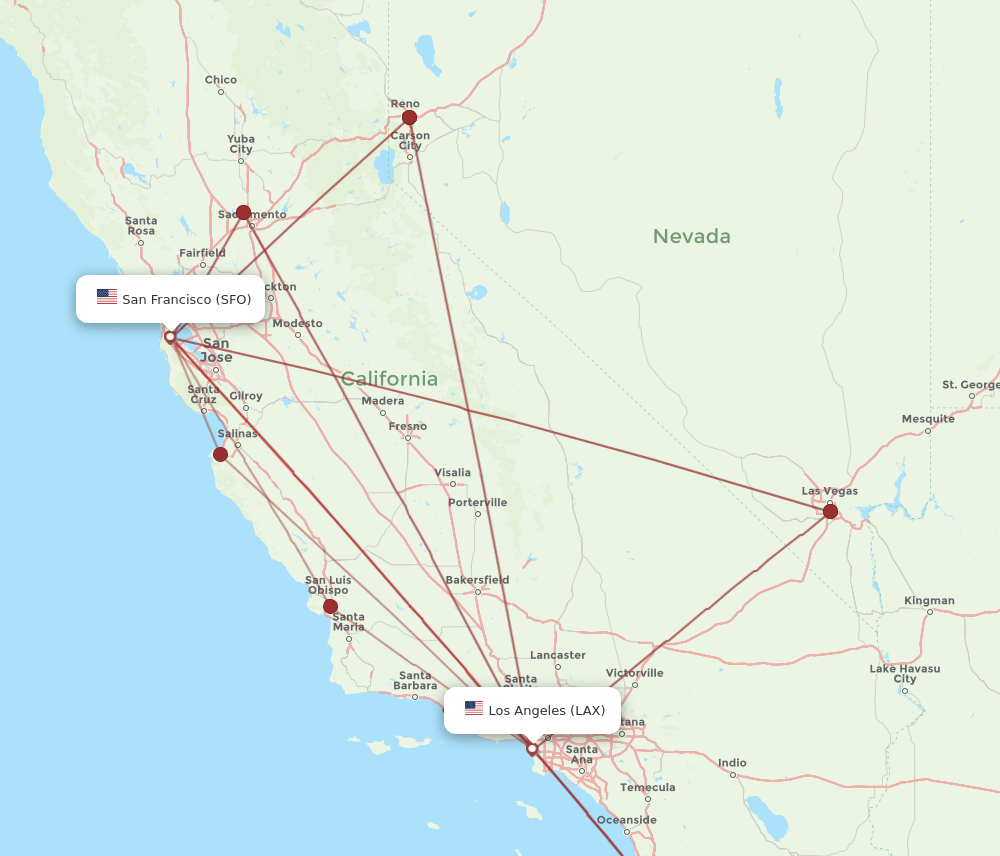
- Los Angeles International Airport (LAX): Located in Southern California, LAX is one of the busiest airports in the world and a major hub for flights from the East Coast, Europe, Asia, and other regions. It typically serves as the most common entry point for those visiting Los Angeles, Orange County (Disneyland), and destinations further south.
- San Francisco International Airport (SFO): Serving Northern California, SFO is a vital gateway, especially for travelers heading to San Francisco, Silicon Valley, Napa Valley, or attractions like Yosemite National Park. Flights to SFO from the same origin as LAX might be marginally longer due to its more northerly position.
- San Diego International Airport (SAN): Situated in the southernmost part of California, SAN is ideal for those focused on exploring San Diego and its surroundings, including the Gaslamp Quarter and Balboa Park.
- Other Notable Airports: Oakland International Airport (OAK) offers an alternative for the San Francisco Bay Area, while Sacramento International Airport (SMF) is key for access to the state capital and Central Valley.
Typical Flight Times from Major Global Hubs
To give you a clearer picture, let’s look at approximate non-stop flight durations from various popular departure regions around the world. These times are estimates and can vary.
East Coast USA to California
Flying from the East Coast of the United States to California is a common transcontinental journey.
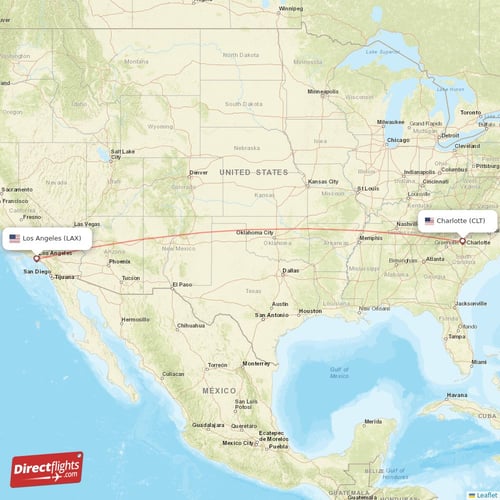
- From New York City (JFK/EWR/LGA) to LAX/SFO: Approximately 5.5 to 6.5 hours.
- From Miami (MIA) to LAX/SFO: Approximately 5.5 to 6 hours.
- From Boston (BOS) to LAX/SFO: Approximately 6 to 6.5 hours.
- From Chicago (ORD) to LAX/SFO: Approximately 4 to 4.5 hours.
- From Atlanta (ATL) to LAX/SFO: Approximately 4.5 to 5 hours.
These flights are typically direct and represent a significant portion of domestic air travel within the USA.
Europe to California: Transatlantic Journeys
Traveling from Europe involves a longer, transatlantic flight, usually covering 9 to 12 hours non-stop, often departing in the morning and arriving in California in the afternoon local time of the same day, due to time zone differences.
- From London (LHR) to LAX/SFO: Approximately 10 to 11 hours.
- From Paris (CDG) to LAX/SFO: Approximately 11 to 12 hours.
- From Frankfurt (FRA) to LAX/SFO: Approximately 11.5 to 12.5 hours.
- From Rome (FCO) to LAX/SFO: Approximately 12 to 13 hours (often with a connection).
- From Amsterdam (AMS) to LAX/SFO: Approximately 11 hours.
Many European cities offer direct flights to LAX or SFO, with fewer direct options to San Diego or Sacramento.
Asia-Pacific to California: Trans-Pacific Expeditions
Flights from the Asia-Pacific region are typically the longest, involving crossing the vast Pacific Ocean. Due to the International Date Line, these flights often depart one day and arrive the same day or even the previous day in local California time, which can be disorienting.
- From Tokyo (NRT/HND) to LAX/SFO: Approximately 9.5 to 10.5 hours.
- From Seoul (ICN) to LAX/SFO: Approximately 10 to 11 hours.
- From Shanghai (PVG) to LAX/SFO: Approximately 11 to 12 hours.
- From Hong Kong (HKG) to LAX/SFO: Approximately 11.5 to 12.5 hours.
- From Sydney (SYD) to LAX/SFO: Approximately 13.5 to 15 hours. This is one of the longest direct flights to California.
- From Auckland (AKL) to LAX/SFO: Approximately 12.5 to 13.5 hours.
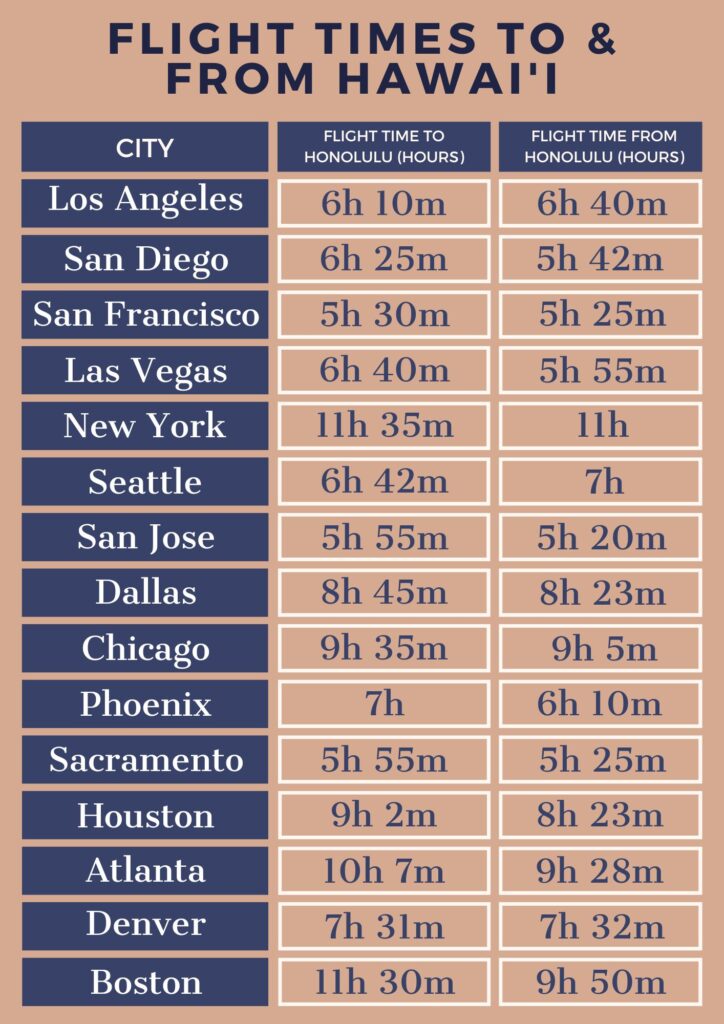
These long-haul flights require careful planning for comfort and jet lag management.
Other International Origins
- From Toronto (YYZ) to LAX/SFO: Approximately 4.5 to 5.5 hours.
- From Mexico City (MEX) to LAX/SFO: Approximately 3.5 to 4 hours.
- From Dubai (DXB) to LAX/SFO: Approximately 15 to 16 hours. These are among the longest commercial flights globally, requiring immense endurance and planning.
- From Sao Paulo (GRU) to LAX: Approximately 12 hours.
Mitigating the Effects of Long-Haul Travel
Long flights, especially those exceeding 6-7 hours, can be tiring. However, with proper preparation, you can make your journey to California much more comfortable and enjoyable.
Preparing for Your Flight: Pre-Departure Tips
- Choose Your Seat Wisely: If possible, select a seat that offers more legroom (e.g., exit row, bulkhead, or premium economy) or one that suits your preferences (window for sleeping, aisle for easy access).
- Pack Smartly: Keep essential items like medications, toiletries, entertainment, and a change of clothes in your carry-on bag.
- Dress Comfortably: Wear loose, breathable clothing. Layers are always a good idea to adjust to cabin temperature fluctuations.
- Stay Hydrated: Start drinking plenty of water a day or two before your flight, and avoid excessive alcohol or caffeine.
- Plan Your Sleep: If crossing many time zones, try to adjust your sleep schedule gradually to match your destination’s time zone a few days before departure.
Staying Comfortable During the Journey
- Move Around: Get up and walk the aisle periodically to promote circulation and prevent stiffness. Perform simple stretches in your seat.
- Hydrate Consistently: Continue to drink water throughout the flight.
- Eat Light Meals: Opt for lighter, easily digestible meals to avoid feeling sluggish.
- Bring Entertainment: Load up your devices with movies, TV shows, podcasts, or e-books. Noise-canceling headphones can be a godsend.
- Invest in Comfort Aids: A good neck pillow, eye mask, and earplugs can significantly improve your ability to rest.
Beating Jet Lag Upon Arrival
Jet lag is almost inevitable on long-haul flights across multiple time zones, but its effects can be minimized.
- Adjust to Local Time Immediately: As soon as you land, try to adapt to the local time. If it’s daytime, resist the urge to nap for too long.
- Seek Natural Light: Exposure to sunlight helps reset your internal clock. Spend time outdoors after arrival.
- Stay Hydrated: Continue drinking water to combat dehydration, which exacerbates jet lag symptoms.
- Eat Regular Meals: Follow the local meal schedule to further anchor yourself to the new time zone.
- Avoid Strenuous Activities Immediately: Give your body some time to adjust before diving into intense sightseeing or activities.
Planning Your California Adventure: Beyond the Flight
While understanding flight durations is crucial, it’s just the first step in planning an unforgettable trip to California.
Choosing Your California Destination
California’s appeal lies in its incredible diversity.
- Southern California: Famous for its theme parks like Disneyland and Universal Studios Hollywood, beautiful beaches (Santa Monica, Malibu), and vibrant cities like Los Angeles and San Diego.
- Northern California: Home to the iconic Golden Gate Bridge in San Francisco, the majestic redwood forests, Napa Valley’s wine country, and natural wonders like Yosemite National Park and Lake Tahoe.
- Central California: Offers rugged coastlines (Big Sur), charming towns (Santa Barbara, Monterey), and access to agricultural regions.
Your chosen destination will dictate which airport is most convenient and thus, indirectly, influence your overall travel experience.
Best Time to Visit California
California enjoys a Mediterranean climate in many parts, but weather varies significantly by region.
- Spring (March-May): Pleasant temperatures statewide, fewer crowds than summer, and blooming wildflowers in many areas. Ideal for city breaks and national park visits.
- Summer (June-August): Peak tourist season, especially in coastal areas and theme parks. Hot in inland areas. Expect higher prices and larger crowds.
- Fall (September-November): Often considered the best time to visit, with warm, clear weather, particularly in Northern California and wine country. Fewer crowds post-Labor Day.
- Winter (December-February): Mild along the coast, rainy in the north, and snowy in the mountains (ideal for skiing in the Sierra Nevada).
Essential Travel Considerations
- Transportation within California: Renting a car is often the most convenient way to explore California’s vast attractions, especially for road trips along scenic routes like Highway 1. Public transport is robust in major cities like Los Angeles and San Francisco.
- Accommodation: Book accommodations well in advance, especially during peak seasons or for popular areas like San Francisco or near Disneyland. Options range from luxury resorts to boutique hotels and budget-friendly stays.
- Travel Insurance: For long-haul and international flights, comprehensive travel insurance is always recommended to cover unforeseen circumstances like flight delays, cancellations, or medical emergencies.
In conclusion, while the precise duration of your flight to California hinges on where you’re coming from and going to, understanding the general timelines and factors at play will equip you to plan a journey that’s as comfortable and efficient as possible. With careful preparation, the journey itself can become an exciting prelude to the incredible experiences that await you in the Golden State.
LifeOutOfTheBox is a participant in the Amazon Services LLC Associates Program, an affiliate advertising program designed to provide a means for sites to earn advertising fees by advertising and linking to Amazon.com. Amazon, the Amazon logo, AmazonSupply, and the AmazonSupply logo are trademarks of Amazon.com, Inc. or its affiliates. As an Amazon Associate we earn affiliate commissions from qualifying purchases.