
When planning a journey to the vibrant heart of the Midwest, one of the most fundamental questions travelers grapple with is: “How long will the flight to Chicago take?” The answer, however, is far from a simple number. Numerous factors coalesce to determine the duration of your airborne expedition, transforming it from a brief hop to a significant undertaking. Understanding these variables is key to setting realistic expectations, packing appropriately, and optimizing your travel experience. This exploration delves into the nuances of flight times to Chicago, offering insights that will empower you to navigate your upcoming trip with confidence.

The Determinants of Flight Duration
The length of a flight is a complex equation influenced by a multitude of factors, each playing a crucial role in the overall travel time. From the physics of aviation to geopolitical considerations, these elements combine to shape your journey from departure to arrival.
Distance and Geographic Location
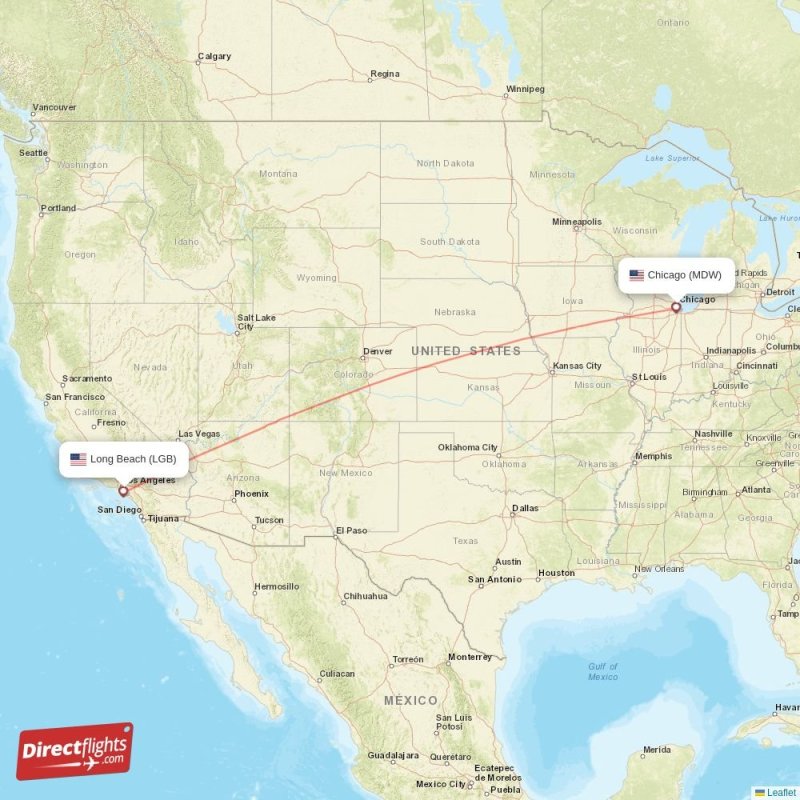
The most obvious determinant of flight duration is the sheer distance between your point of origin and Chicago. Flights originating from closer domestic locations, such as New York City or Denver, will naturally be shorter than those emanating from international hubs like London or Tokyo. For instance, a typical flight from Los Angeles to Chicago O’Hare International Airport hovers around the 4-hour mark. Conversely, an intercontinental journey from Paris can easily extend to 8-9 hours, even without accounting for potential layovers. The curvature of the Earth also plays a subtle role, with great-circle routes dictating the most efficient path, which may not always align with perceived geographical proximity on a flat map.
Aircraft Type and Cruising Speed
The technology of the aircraft itself significantly impacts flight times. Modern jet airliners, designed for efficiency and speed, cruise at impressive velocities, typically between 500 and 600 miles per hour (800 to 970 kilometers per hour). However, different aircraft models have varying cruising speeds. Larger, long-haul aircraft might be optimized for fuel efficiency at slightly lower speeds, while smaller, regional jets may prioritize quicker turnaround times. The sheer power and aerodynamic design of the plane are integral to shortening the time spent airborne. Understanding the capabilities of the aircraft you’ll be flying in can provide a more precise estimate of your flight’s duration.
Wind Patterns and Jet Streams
Perhaps one of the most dynamic and influential factors is the prevailing wind. Flights traveling eastward, from Chicago towards Europe, often benefit from the powerful currents of the jet stream, a high-altitude ribbon of air that can propel aircraft forward at considerable speeds. This tailwind can shave off valuable minutes, or even hours, from the flight duration. Conversely, westbound flights may encounter headwinds, where the aircraft must work against the natural flow of the air, thus increasing travel time. Meteorologists meticulously track these wind patterns to optimize flight paths and minimize fuel consumption and flight duration. This is why a flight from London to Chicago might be slightly shorter than the return journey, even if the distance is identical.
Air Traffic Control and Flight Path Optimization
The skies are a meticulously managed airspace. Air traffic control (ATC) plays a vital role in ensuring the safety and efficiency of air travel. Flight paths are not always the most direct, straight line between two points. ATC directives, based on traffic volume, weather conditions, and airspace restrictions, can reroute aircraft, leading to slightly longer flight times. Airlines and their flight planning departments work in tandem with ATC to create optimized flight paths that balance directness with the need for safe separation of aircraft. This complex coordination is a continuous process throughout the flight.
Layovers and Connecting Flights
For many travelers, especially those flying from further afield or less direct routes, layovers are an unavoidable reality. A flight to Chicago with one or more connecting flights will naturally take significantly longer than a non-stop journey. The duration of the layover, the time spent on the ground at the connecting airport, and the subsequent leg of the flight all contribute to the overall travel time. It’s crucial to factor in not just the flight segments but also the time required for deplaning, navigating the airport, and re-boarding. A flight advertised as “X hours” might refer to the total door-to-door travel time, or it could be the time in the air for a specific segment. Always clarify the total expected travel time when booking.
Domestic vs. International Flights to Chicago
The distinction between domestic and international flights to Chicago is a primary differentiator in flight duration, impacting not only the time in the air but also the pre-flight and post-flight processes.
Short-Haul Domestic Journeys
Flights originating from within the United States to Chicago are generally the shortest. Cities in the Midwest, such as Minneapolis or St. Louis, can be reached in under 1.5 hours. East Coast hubs like Boston or Miami typically require 2.5 to 4 hours of flight time. From the West Coast, such as Seattle or San Francisco, expect flights to be in the range of 4 to 5.5 hours. These domestic flights often operate with high frequency, offering numerous scheduling options for travelers. The ease of boarding and disembarking, combined with minimal customs and immigration procedures, contributes to a more streamlined travel experience.
Long-Haul International Travel
For those journeying to Chicago from overseas, the flight duration can be substantial. Flights from Western Europe, like Dublin or Amsterdam, typically range from 7 to 9 hours. Flights from the Middle East, such as Dubai, can extend to 12-14 hours. Journeys from Asia, including Seoul or Beijing, are often even longer, sometimes exceeding 14 hours, and frequently involve at least one layover. South American destinations, depending on their proximity, can range from 5 hours for cities like Bogotá to 8-10 hours for those further south. These extended flights necessitate careful planning regarding in-flight entertainment, comfort, and potential sleep strategies.
Transatlantic and Transpacific Routes
Transatlantic flights to Chicago from European cities are a common route, with typical non-stop durations falling between 7 and 9 hours, influenced by the aforementioned wind patterns. Transpacific flights, on the other hand, are considerably longer. Traveling from destinations like Sydney or Singapore to Chicago often involves a direct flight time of 15-18 hours or more, or necessitates at least one layover in a major hub like Los Angeles or Vancouver. These extended journeys require a different approach to preparation, including choosing an airline with comfortable seating, ample amenities, and ensuring you have provisions for entertainment and rest.
Strategies for Managing Long Flights to Chicago
Regardless of the exact duration, any flight that extends beyond a few hours can feel like a significant undertaking. Fortunately, there are numerous strategies to make your journey to Chicago as comfortable and productive as possible.
Pre-Flight Preparation and Packing
Thorough preparation is the cornerstone of a pleasant long flight. Start by choosing your seat strategically. An aisle seat offers the freedom to move around without disturbing others, while a window seat can provide a sense of enclosure and a view. Consider investing in a comfortable neck pillow, an eye mask, and earplugs to aid in sleep. Pack layers of clothing, as cabin temperatures can fluctuate. Essential toiletries, such as a toothbrush, toothpaste, and moisturizer, can help you feel refreshed. For entertainment, download movies, podcasts, or audiobooks onto your devices beforehand, as in-flight Wi-Fi can be unreliable or expensive.
In-Flight Comfort and Well-being
Once onboard, prioritize your well-being. Stay hydrated by drinking plenty of water and avoiding excessive caffeine and alcohol, which can contribute to dehydration and disrupt sleep patterns. Get up and move around the cabin every hour or two to promote circulation and prevent stiffness. Simple in-seat exercises, such as ankle rotations and calf raises, can also be beneficial. If you have a long-haul flight, consider bringing compression socks to help prevent deep vein thrombosis. Engage in activities that help you relax, whether it’s reading, listening to music, or meditating. Some passengers find that wearing comfortable loungewear can significantly enhance their in-flight experience.
Maximizing Productivity and Downtime
A long flight can be an opportune time to catch up on work or personal projects. With fewer distractions, you might find it easier to focus. Bring a portable charger for your electronic devices. If your goal is to arrive in Chicago feeling rested, prioritize sleep. Try to adjust your sleep schedule to the destination’s time zone as much as possible. Utilize the provided blankets and pillows, and create a comfortable environment for slumber. Conversely, some travelers prefer to use long flights as a time for complete digital detox, using the uninterrupted hours to disconnect and recharge mentally.
Understanding Average Flight Times
While individual flight times can vary, understanding the general averages provides a valuable baseline for your travel planning. These figures are based on typical routes and conditions, but always check specific flight schedules for the most accurate information.
Key Domestic Departure Hubs
From major U.S. cities, the flight times to Chicago are generally predictable:
- New York City: Approximately 2.5 to 3 hours.
- Los Angeles: Approximately 4 to 4.5 hours.
- Atlanta: Approximately 1.5 to 2 hours.
- Dallas: Approximately 2.5 to 3 hours.
- Miami: Approximately 3.5 to 4 hours.
These times represent direct flights and do not include taxiing at the airport or potential delays.
Major International Gateway Durations
International flights to Chicago present a wider spectrum of durations:
- London: Approximately 7.5 to 8.5 hours.
- Paris: Approximately 8 to 9 hours.
- Frankfurt: Approximately 8.5 to 9.5 hours.
- Tokyo: Approximately 12 to 13 hours (non-stop, if available, otherwise significantly longer with layovers).
- Mexico City: Approximately 3.5 to 4 hours.
It is crucial to remember that these are average times and can fluctuate based on the specific airline, aircraft, and prevailing flight conditions. Always consult your airline or a reputable flight tracking service for the most up-to-date and personalized flight duration information for your specific journey to the Windy City.
LifeOutOfTheBox is a participant in the Amazon Services LLC Associates Program, an affiliate advertising program designed to provide a means for sites to earn advertising fees by advertising and linking to Amazon.com. Amazon, the Amazon logo, AmazonSupply, and the AmazonSupply logo are trademarks of Amazon.com, Inc. or its affiliates. As an Amazon Associate we earn affiliate commissions from qualifying purchases.