
The allure of Hawaii is undeniable. With its sun-drenched beaches, lush volcanic landscapes, vibrant culture, and the spirit of Aloha, it’s a dream destination for many. But before you can feel the warm sand between your toes or witness a breathtaking sunset over the Pacific, there’s a crucial question that looms large for many potential travelers: “How long is the flight to Hawaii?” The answer, of course, is not a single, simple number. It’s a dynamic figure, heavily influenced by your point of departure, the airline you choose, and the specific island you’re aiming for.
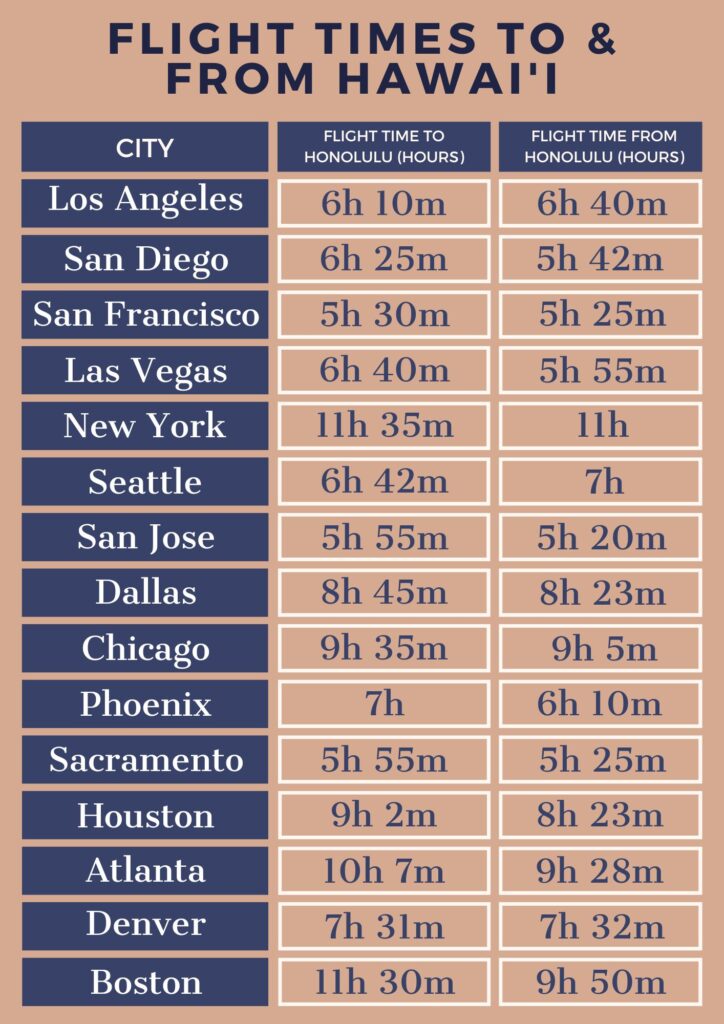
Understanding the flight duration is essential for planning your trip effectively. It impacts everything from packing your carry-on to choosing your ideal departure time and even how you prepare for your journey. A transcontinental flight from the United States mainland can feel vastly different from an international hop from further afield. This guide will delve into the typical flight times to Hawaii, explore the factors that influence them, and offer tips to make your long journey as comfortable as possible, all while keeping the incredible experiences awaiting you in the Hawaiian Islands firmly in focus.
Factors Influencing Flight Duration to Hawaii
The time it takes to reach the paradise of Hawaii is not set in stone. Several key elements converge to determine your total travel time. Understanding these variables will help you set realistic expectations and make informed decisions when booking your flight.
Departure Location: The Great Pacific Divide
The most significant factor influencing flight duration to Hawaii is undoubtedly your point of origin. The sheer geographical distance between your departure city and the Hawaiian Islands dictates the bulk of your travel time.
- West Coast of the United States: For those on the West Coast – think Los Angeles, San Francisco, Seattle, or Portland – Hawaii is relatively accessible. Flights from these major hubs are the shortest, typically ranging from 4.5 to 6 hours. This makes Hawaii a popular choice for shorter getaways and even weekend trips for those living in California or the Pacific Northwest. The relative proximity means you can often find direct flights, minimizing travel hassle.
- Mountain and Central Time Zones: Travelers from cities like Denver, Chicago, or Dallas will experience longer flight times. Flights from these regions generally hover between 6.5 to 8.5 hours, again, assuming a direct flight. The extra distance means more time spent in the air, and it’s more likely that you might encounter a layover, especially if you’re not flying from a major hub.
- East Coast of the United States: If you’re embarking on your Hawaiian adventure from the East Coast – cities like New York City, Miami, or Boston – prepare for a significant commitment of time. Flights can range from 9 to 12 hours or even longer, particularly if there are any layovers. This is a true transcontinental journey, crossing multiple time zones.
- International Departures: For travelers coming from overseas, the flight times to Hawaii can be considerably longer.
- Canada: Flights from major Canadian cities like Vancouver or Toronto will vary. From Vancouver, you’re looking at roughly 5.5 to 7 hours, similar to flights from the northern West Coast of the US. From further east, like Toronto, the duration can extend to 8-10 hours, often with a stopover in a US city.
- Asia: For travelers originating from Asia, Hawaii is a convenient stopover point for many. Flights from Tokyo or Osaka can take approximately 7 to 9 hours. However, from destinations further west in Asia, such as Seoul or Beijing, the flight time can extend to 10-12 hours, often with layovers.
- Australia and New Zealand: The journey from down under is also substantial. Flights from Sydney or Auckland to Honolulu typically take around 10 to 11 hours.
- Europe: For those venturing from Europe, the flight to Hawaii is a considerable undertaking, often exceeding 15-20 hours with one or more layovers, usually in a major US city.
Direct Flights vs. Layovers: The Unavoidable Factor
The dream of a direct flight is a powerful one, especially when the destination is as far-flung as Hawaii. Direct flights are undeniably the most efficient way to reach the islands, minimizing travel time and the potential for missed connections or extended waits in airport terminals.
However, direct flights are not always available or the most cost-effective option. Depending on your departure city and the airline, you may find yourself with one or more layovers. These stops can add significant time to your journey. A short layover might add just a couple of hours, while a longer one can easily tack on an extra four to six hours or more. The total duration you see when booking often includes the layover time, so it’s crucial to scrutinize the itinerary.
Airline and Route Optimization
Airlines strategically plan their routes to optimize efficiency and passenger demand. The specific path your flight takes can subtly influence its duration. Factors like prevailing winds, air traffic control patterns, and the chosen flight path between your origin and the Hawaiian Islands all play a role. While most of these are managed by the airline and air traffic control, they contribute to the overall flight time. Different airlines might also have slightly different schedules and aircraft, which can lead to variations in flight duration even on the same route.
Island Destination: Island Hopping Nuances
Hawaii is not a single destination but an archipelago of islands, each with its own unique charm. The primary international gateway is Daniel K. Inouye International Airport (HNL) on Oahu, near Honolulu. If your ultimate destination is on another island, such as Maui, Kauai, or the Island of Hawaii (also known as the Big Island), you will likely need to take a short inter-island flight after your initial arrival in Honolulu. These inter-island flights are typically brief, ranging from 30 to 60 minutes, but they do add to your overall travel time and can involve additional time spent at the airport for deplaning and reboarding.
Preparing for Your Hawaiian Flight: Making the Journey Enjoyable
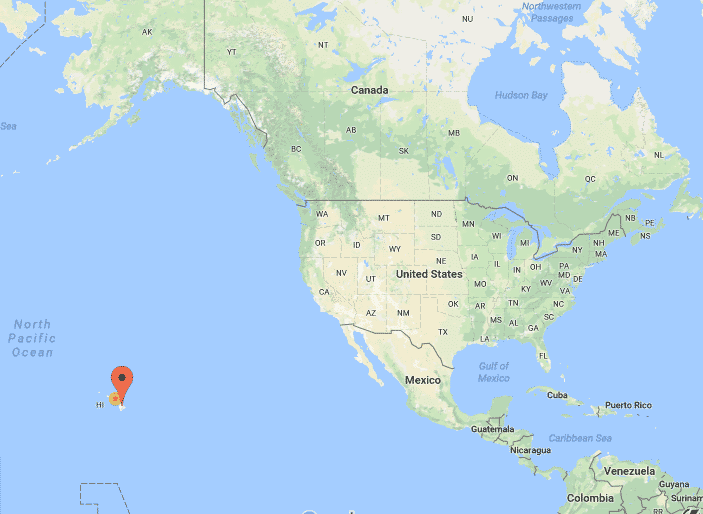
The flight to Hawaii, particularly from the East Coast or international locations, can be a significant portion of your vacation. Proactive preparation can transform a potentially arduous journey into a more comfortable and even enjoyable experience, allowing you to arrive refreshed and ready to embrace the Aloha spirit.
Packing Your Carry-On: Essentials for Comfort
Your carry-on bag is your lifeline during the flight. Pack it wisely to ensure you have everything you need within easy reach.
- Entertainment: Books, e-readers, downloaded movies or shows, podcasts, and music are essential. Consider noise-canceling headphones to block out cabin noise and enhance your listening experience.
- Comfort Items: A neck pillow, a comfortable travel blanket, and an eye mask can make a world of difference in getting some rest. Pack a change of comfortable socks and perhaps a light sweater or shawl, as cabin temperatures can fluctuate.
- Snacks and Drinks: While airlines provide meals on longer flights, having your own favorite snacks can be a lifesaver, especially if you have dietary restrictions or preferences. Carry an empty reusable water bottle to fill up after you pass security, as staying hydrated is crucial on long flights.
- Personal Care: A small toiletry kit with essentials like a toothbrush, toothpaste, lip balm, hand sanitizer, and moisturizer can help you feel refreshed. Consider bringing a travel-sized pack of wet wipes.
- Electronics: Ensure all your devices are fully charged and bring portable power banks to keep them topped up. Don’t forget chargers and any necessary adapters.
- Medications: Pack any prescription medications in their original containers. It’s also wise to carry basic over-the-counter remedies for headaches or motion sickness.
Staying Healthy and Comfortable During the Flight
Long hours in a confined space can take a toll. Here are some tips to help you stay healthy and comfortable:
- Hydration is Key: As mentioned, drink plenty of water. Avoid excessive alcohol and caffeine, as they can dehydrate you.
- Movement is Important: Get up and walk around the cabin every hour or two to improve circulation and prevent stiffness. Do in-seat stretches to keep your muscles from cramping.
- Dress in Layers: The temperature in the cabin can vary significantly. Wearing layers allows you to adjust your clothing to maintain a comfortable body temperature. Opt for loose-fitting, breathable clothing.
- Eye Care: Dry cabin air can irritate your eyes. Consider using lubricating eye drops if you’re prone to dry eyes.
- Sleep Strategy: Try to adjust your sleep schedule to coincide with Hawaii’s time zone as much as possible before you even depart. On the flight, use your eye mask and earplugs to create a conducive sleep environment.
- Mindful Eating: While airline food can be tempting, consider lighter, healthier options if available.
Arriving in Paradise: What to Expect
After a long flight, the anticipation of stepping onto Hawaiian soil is immense. Understanding what awaits you upon arrival can help ease the transition.
Immigration and Customs
If you are flying from an international location, you will go through immigration and customs procedures upon arrival at Daniel K. Inouye International Airport (HNL) or another designated port of entry. This is a standard process for all international travelers. If you are flying domestically from the United States mainland, you will proceed directly to baggage claim.
Baggage Claim and Inter-Island Travel
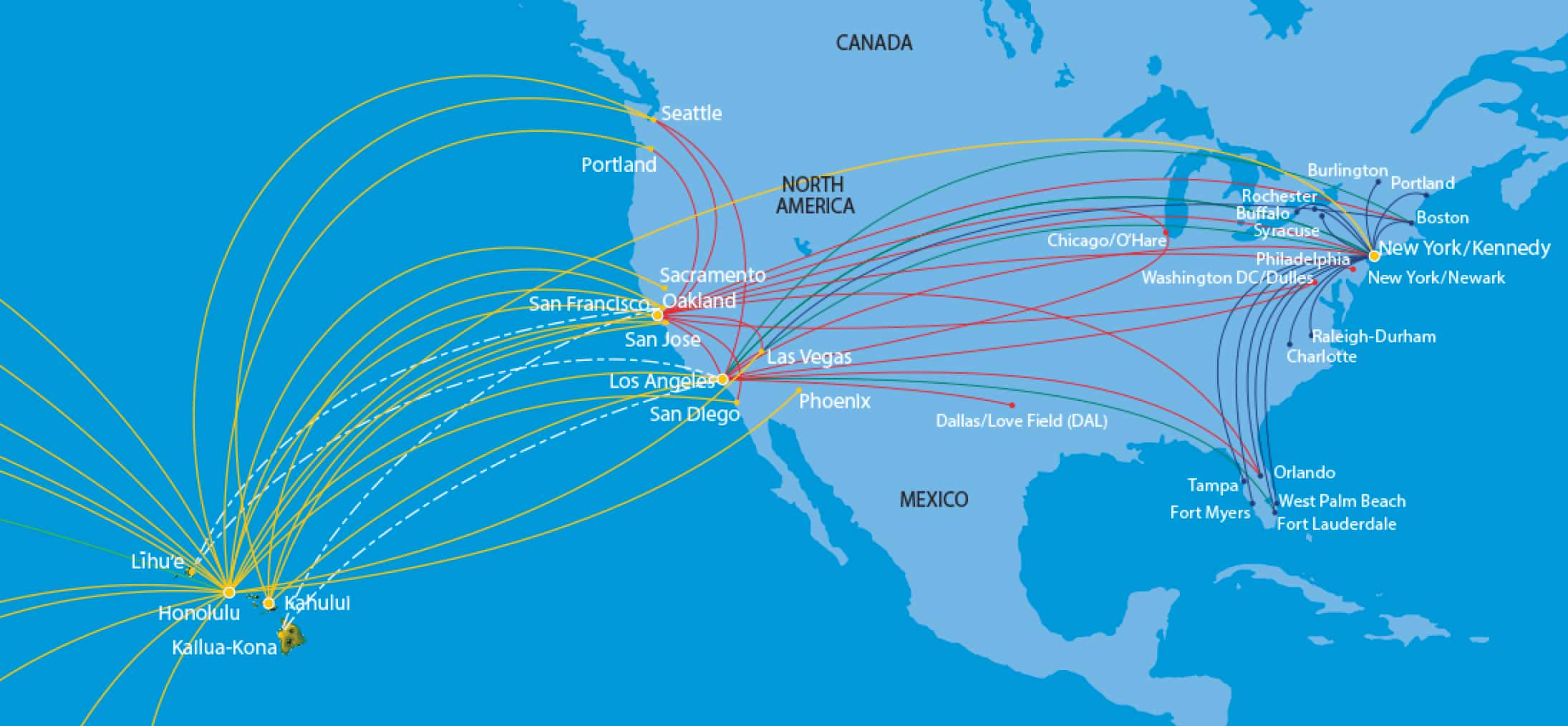
Once you have cleared any necessary procedures, you will proceed to the baggage claim area to collect your checked luggage. If you are continuing your journey to another Hawaiian Island, you will then head to the inter-island terminal. Airlines like Hawaiian Airlines offer frequent flights to Maui, Kauai, Island of Hawaii (Kona and Hilo), and Lanai. You will need to re-check your luggage for the inter-island flight.
Transportation from the Airport
Upon reaching your final island destination, you’ll need to consider how you will get to your accommodation. Options typically include:
- Rental Cars: The most popular option for exploring the islands at your own pace. It’s highly recommended to book your rental car well in advance, especially during peak seasons.
- Taxis and Ride-Sharing Services: Available at most major airports, but can be more expensive for longer distances.
- Airport Shuttles: Many hotels offer shuttle services, or you can book through third-party providers.
- Public Transportation: While some islands have bus services, they are often limited in scope and frequency, making them less practical for most tourists.
The flight to Hawaii is a journey, and its duration is a key consideration for any traveler. By understanding the factors that influence it and preparing accordingly, you can ensure that your passage to this tropical paradise is as smooth and comfortable as possible, setting the stage for an unforgettable experience in the breathtaking Hawaiian Islands. Whether you’re dreaming of luxury resorts like the Grand Hyatt Kauai Resort & Spa, exploring historical landmarks like Pearl Harbor, or simply soaking up the local culture and cuisine, the effort of the journey is undoubtedly worth the reward.
LifeOutOfTheBox is a participant in the Amazon Services LLC Associates Program, an affiliate advertising program designed to provide a means for sites to earn advertising fees by advertising and linking to Amazon.com. Amazon, the Amazon logo, AmazonSupply, and the AmazonSupply logo are trademarks of Amazon.com, Inc. or its affiliates. As an Amazon Associate we earn affiliate commissions from qualifying purchases.