
Traveling from the vibrant beaches of Miami to the iconic skyline of New York City is one of the busiest and most popular air routes in the United States. Whether you’re a business traveler with a tight schedule, a tourist eager to explore the urban jungle, or visiting family, understanding the actual flight duration and the various factors that influence your overall journey is crucial for effective planning. While the direct flight time between these two major hubs is relatively short, the complete door-to-door experience involves much more than just the hours spent airborne. This comprehensive guide will break down what to expect, from the moment you leave your home in Miami until you arrive at your destination in New York.
Understanding the Core Flight Duration
The direct flight time is the most straightforward answer to “How long is the flight?”. However, even this figure isn’t entirely static, influenced by several operational and environmental elements.
Direct Flights: The Baseline
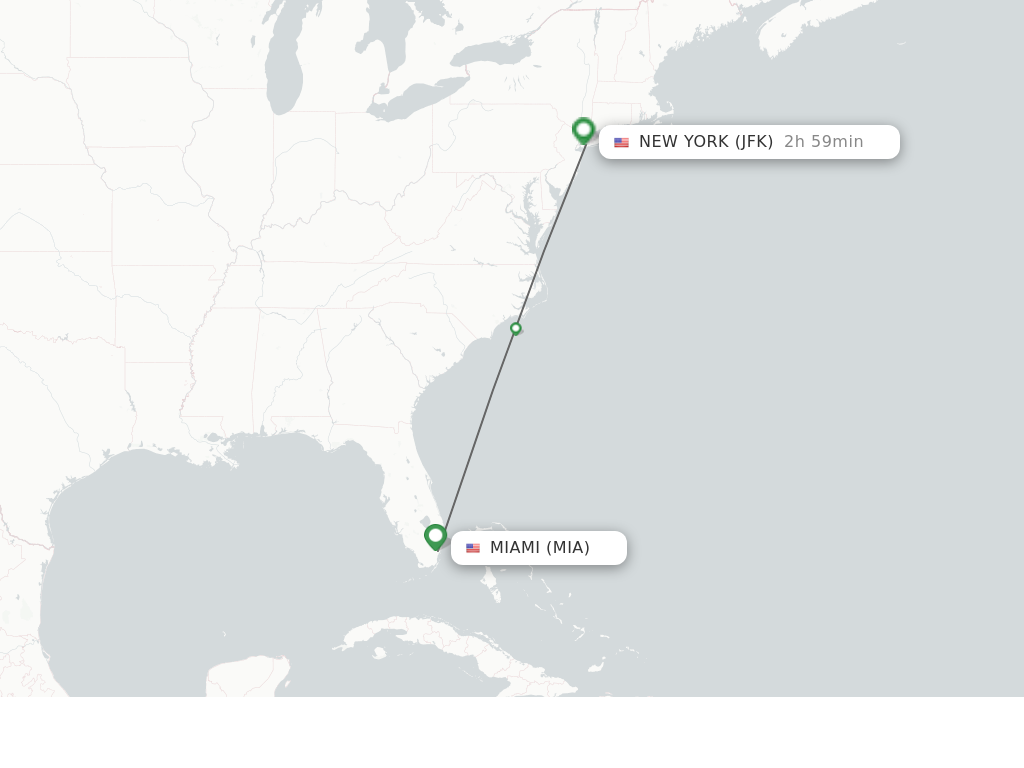
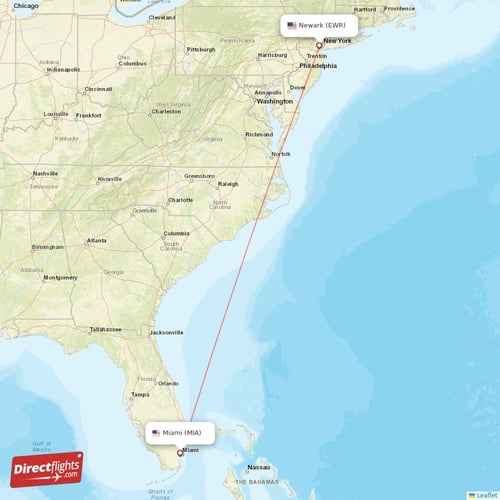
For non-stop flights from Miami to New York, the typical duration ranges from 2 hours and 45 minutes to 3 hours and 30 minutes. This estimate generally covers the time the aircraft is actually in the air, from takeoff to landing. The primary airports facilitating this route are Miami International Airport (MIA) as the departure point, and John F. Kennedy International Airport (JFK), LaGuardia Airport (LGA), or Newark Liberty International Airport (EWR) in the New York metropolitan area as arrival points. The slight variations in flight time can be attributed to a combination of factors, each playing a role in the precise duration of your journey.
Factors Influencing Flight Time
While airlines publish scheduled flight times, the actual duration can fluctuate due to several dynamic variables:
- Air Traffic Control (ATC) Delays: Both Miami and New York are among the busiest airspaces in the world. High traffic volumes can lead to ground delays before takeoff, requiring planes to wait for clearance, or holding patterns in the air upon approach, adding minutes or even an hour to the flight time.
- Weather Conditions: Strong headwinds can significantly slow down an aircraft, extending the flight duration, while tailwinds can shorten it. Severe weather events, such as thunderstorms or blizzards, can also lead to rerouting or necessitate a longer flight path for safety, impacting both departure and arrival times.
- Aircraft Type: While most major airlines use similar narrow-body aircraft (like the Boeing 737 or Airbus A320 series) for this route, slight differences in cruising speed can account for minor variations in flight duration.
- Specific Route Path: The exact flight path can vary slightly based on ATC directives, avoiding weather systems, or optimizing for fuel efficiency, which might add a few minutes to the total airtime.
- Gate Congestion: At busy airports, especially during peak travel times, planes may have to wait for an available gate after landing, adding to the total time spent on the tarmac before passengers can deplane.
Navigating Airports and Transit Times
Understanding the flight duration is just one piece of the puzzle. The time spent at the airports and traveling to and from them constitutes a significant portion of your overall journey.
Miami’s Major Departure Hubs
- Miami International Airport (MIA): As the primary airport for South Florida, MIA is the most common departure point for flights to New York. Located just 8 miles northwest of Downtown Miami, travel time to the airport can range from 20 minutes to over an hour depending on traffic conditions, especially during rush hour. MIA is well-connected by public transport (Metrorail, MIA Mover) and ride-sharing services.
- Fort Lauderdale-Hollywood International Airport (FLL): Located about 21 miles north of Miami, FLL serves as a popular alternative, often offering competitive fares. However, the additional travel time from Miami to FLL (typically 45 minutes to 1.5 hours without traffic) needs to be factored into your total journey.
New York’s Primary Arrival Gates
Once your flight lands, your journey is far from over. New York City is served by three major airports, each with distinct advantages and ground transit challenges to your final destination in the city:
- John F. Kennedy International Airport (JFK): Located in Queens, JFK is the largest and furthest from Manhattan. Travel to Midtown Manhattan can take anywhere from 45 minutes to 1.5 hours using the AirTrain JFK and subway, or potentially longer by taxi or ride-share due to traffic.
- LaGuardia Airport (LGA): Also in Queens, LGA is the closest airport to Manhattan, making it a frequent choice for domestic travelers. However, it lacks direct subway access. Ground transport via bus connections to the subway, taxi, or ride-share usually takes 30 minutes to an hour to reach Midtown, heavily dependent on traffic. Ongoing redevelopment aims to improve transit significantly.
- Newark Liberty International Airport (EWR): Situated in Newark, New Jersey, EWR offers excellent train connections to Manhattan’s Penn Station via AirTrain Newark and NJ Transit. Total travel time to Midtown is typically 45 minutes to an hour, making it a competitive option for many travelers.
The ground transit time from any of these airports to your final destination in New York City is a critical component of your overall journey time and should be planned carefully, especially during peak hours.
Optimizing Your Travel Time and Experience
Smart planning can significantly enhance your travel experience and minimize wasted time.
Choosing the Right Flight
- Non-Stop is Key: Always prioritize non-stop flights for this route. Connecting flights will add several hours due to layovers and the potential for delays at intermediate airports.
- Time of Day: Early morning flights (before 8 AM) and late-night flights (after 8 PM) often face less air traffic and airport congestion, potentially leading to smoother operations and quicker transit through security. Mid-day flights tend to be busiest.
- Airline Choice: While flight times are similar, research airlines’ historical on-time performance for the specific route. Major carriers like American Airlines, Delta, United, and JetBlue all operate frequent flights.
- Booking in Advance: Booking your flight well in advance not only secures better prices but also gives you a wider selection of flight times and airports, allowing you to choose the most convenient options.
Pre-Flight and Post-Flight Strategies
Efficient airport navigation can save valuable time, contributing to a smoother overall journey.
- Arrival at the Airport: For domestic flights, arriving 1.5 to 2 hours before your scheduled departure is a good rule of thumb. If you have checked luggage, aim for the earlier end of that window. Expedited security programs like TSA PreCheck or CLEAR can significantly reduce time spent in security lines, making the experience more efficient.
- Baggage: Traveling with only a carry-on bag means you can bypass baggage check-in and avoid waiting at the baggage claim carousel upon arrival, saving 30-60 minutes on each end of your journey.
- Ground Transportation: Pre-booking your taxi, car service, or familiarizing yourself with public transport options at your arrival airport in New York can streamline your exit from the airport. Use apps like Google Maps or MTA Away to check real-time traffic and transit information.
- Flight Tracking: Utilize airline apps or third-party flight trackers (FlightAware, FlightStats) to monitor your flight’s status, gate changes, and potential delays in real time.
What to Do During the Flight
While a 3-hour flight is relatively short, it’s still enough time to either relax or be productive.
- Entertainment: Most airlines offer in-flight entertainment, but having your own loaded tablet or book ensures you’re never bored.
- Work/Productivity: For business travelers, this can be a valuable window to catch up on emails or prepare for meetings. Many flights now offer Wi-Fi, often for a fee.
- Rest: If you’re heading straight into meetings or sightseeing, consider using this time to rest and recharge.
Beyond the Flight: Total Journey Time Considerations
The actual “travel time” extends far beyond the moment the plane takes off until it lands. It encompasses the entire door-to-door experience.
Calculating Your Door-to-Door Experience
A realistic total journey time for a Miami to New York flight typically looks like this:
- Travel to Departure Airport: (e.g., MIA from downtown Miami): 30 minutes – 1.5 hours
- Airport Check-in & Security: 1 – 2 hours (less with TSA PreCheck)
- Scheduled Flight Time: 2 hours 45 minutes – 3 hours 30 minutes
- Deplaning & Baggage Claim: 15 minutes – 45 minutes (if checking bags)
- Travel from Arrival Airport (e.g., JFK) to Final Destination (e.g., Midtown Manhattan): 45 minutes – 1.5 hours
Adding these up, a typical door-to-door journey can easily range from 5.5 hours to 8 hours or more, especially if you encounter significant delays or choose an airport further from your final destination.
Peak Travel Times and Their Impact
Travel during holidays, major events, or peak business travel days (Monday mornings, Friday afternoons) can exacerbate all the above factors. Airports become more crowded, security lines lengthen, air traffic increases, and ground transportation experiences heavier congestion. If your schedule allows, flying during off-peak days (mid-week) and times can shave considerable time off your total journey.
Preparing for Your New York Arrival
Once you’ve landed and navigated the airport, getting around New York City itself requires a bit of local knowledge.
Essential New York Transit Tips
New York City boasts one of the most extensive public transportation systems in the world.
- MTA Subway and Bus: The subway is often the fastest way to get around Manhattan and the outer boroughs, avoiding surface traffic. Buses fill gaps in the subway system and are excellent for shorter distances.
- Payment: Use a MetroCard (available at stations) or the OMNY tap-to-pay system with your contactless credit card or smartphone.
- Ride-Sharing and Taxis: Readily available, but be prepared for high fares and significant traffic delays, especially during peak hours.
- Walking: Many parts of Manhattan are highly walkable, and it’s often the best way to experience the city.
What to Expect in New York
Prepare for a city that is always bustling, fast-paced, and incredibly diverse. The energy is infectious, but it also means busy streets, crowded public transport, and a need for efficiency. Having a clear plan for your initial transit from the airport and subsequent movements within the city will make your arrival much smoother and more enjoyable.
In conclusion, while the flight from Miami to New York is a swift aerial journey of under 3.5 hours, a truly seamless travel experience demands meticulous planning for all stages, from airport transfers to security checks and navigating the bustling urban landscape upon arrival. By understanding these dynamics, travelers can transform a potentially stressful journey into an efficient and enjoyable adventure.
LifeOutOfTheBox is a participant in the Amazon Services LLC Associates Program, an affiliate advertising program designed to provide a means for sites to earn advertising fees by advertising and linking to Amazon.com. Amazon, the Amazon logo, AmazonSupply, and the AmazonSupply logo are trademarks of Amazon.com, Inc. or its affiliates. As an Amazon Associate we earn affiliate commissions from qualifying purchases.