
Embarking on a journey from the historic streets of Boston, Massachusetts, to the majestic backdrop of the Rocky Mountains in Denver, Colorado, is a common route for business travelers, vacationers, and those seeking to explore the vast diversity of the United States. Understanding the intricacies of this particular flight path, especially its duration, is crucial for effective travel planning. While a seemingly straightforward question, the actual time spent in the air can vary based on several factors, making it essential to delve deeper than a simple numerical answer. This guide aims to provide a comprehensive overview of what to expect when flying between these two prominent U.S. cities, ensuring a smooth and well-informed travel experience.

Understanding the Boston to Denver Air Route
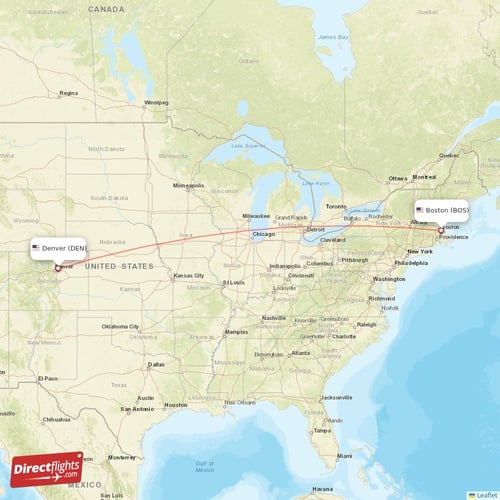
The aerial distance between Boston and Denver spans approximately 1,690 miles (about 2,720 kilometers). This significant distance places it squarely in the category of a medium to long-haul domestic flight. Travelers moving from the East Coast to the Mountain West will cross multiple states and time zones, contributing to the perceived length of the journey.
Direct vs. Connecting Flights
The primary differentiator in flight duration is whether you opt for a direct (non-stop) flight or one with layovers. Non-stop flights offer the most efficient way to travel, minimizing total transit time by eliminating the need to deplane, change aircraft, and wait during a layover. These flights follow a more direct trajectory, optimizing for speed and convenience.
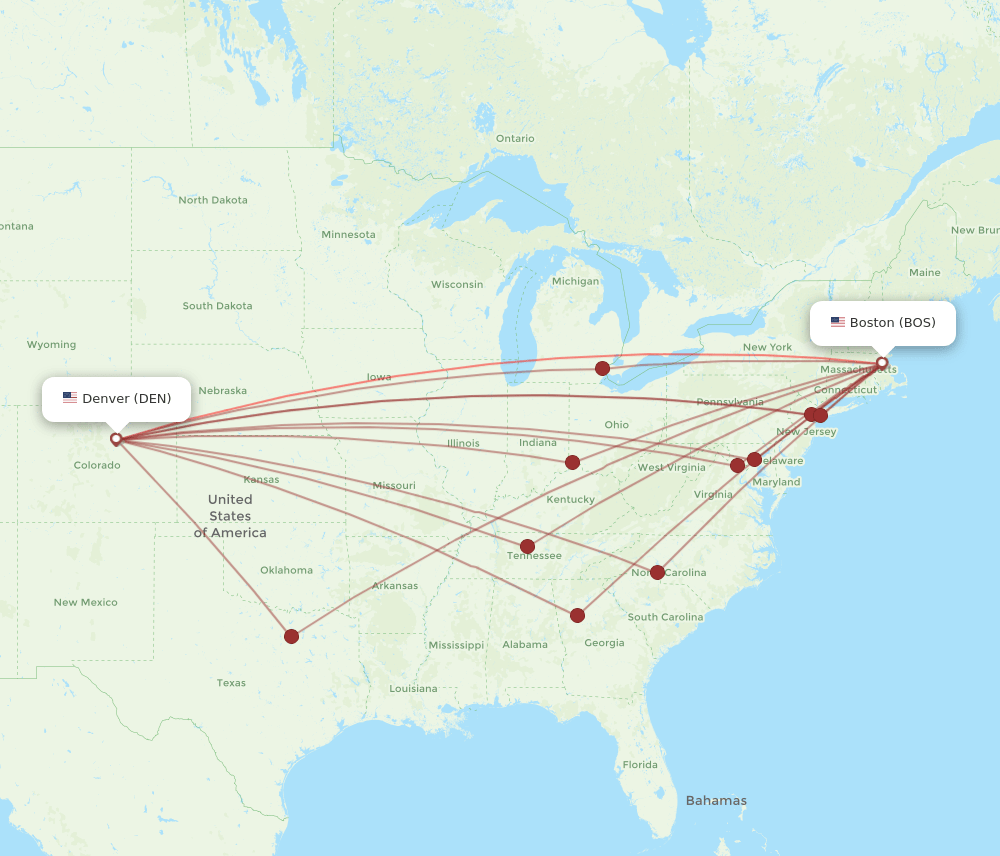
Connecting flights, conversely, involve one or more stops at intermediate airports. While often more economical, they inherently extend the overall travel time significantly. The duration of a connecting flight is the sum of the flight segments plus the time spent on the ground during layovers. A short layover might add an hour or two, while longer stops could stretch the journey to eight, ten, or even twelve hours, sometimes overnight. For this specific route, the convenience of a direct flight often outweighs the marginal cost savings of a connecting option for many travelers, particularly those on a tight schedule.
Factors Influencing Flight Duration
Beyond the basic direct versus connecting distinction, several variables can subtly or substantially alter the flight time from Boston to Denver:
- Tailwinds and Headwinds: Jet streams, powerful high-altitude winds, play a significant role. Flights traveling westward (like Boston to Denver) often encounter headwinds, which can slow the aircraft and extend flight time. Conversely, eastward flights typically benefit from tailwinds, shortening the journey. The strength and direction of these winds can fluctuate daily.
- Air Traffic Control (ATC) Delays: Congestion in the airspace around major airports like Logan International Airport (BOS) or Denver International Airport (DIA) can lead to holding patterns, ground delays before takeoff, or slower cruising speeds, all of which add minutes to the total flight time.
- Route Optimization: Airlines continually optimize flight paths for fuel efficiency and speed, adjusting for weather patterns, restricted airspace, and air traffic. Minor variations in the chosen route on any given day can slightly impact duration.
- Aircraft Type: Different aircraft models have varying cruising speeds and operational efficiencies. While this impact is usually minimal for scheduled passenger flights on the same route, it can contribute to slight differences between airlines.
- Weather Conditions: Severe weather at either departure or arrival airport, or along the flight path, can necessitate rerouting or reduced speeds, leading to delays.
Typical Flight Times and Airlines
Understanding the expected duration for direct flights is key for planning, as these represent the fastest possible transit between the two cities.
Non-stop Flight Durations
For a direct flight from Boston to Denver, travelers can generally anticipate an airborne time of approximately 4 hours and 30 minutes to 5 hours and 15 minutes. This range accounts for the variable factors mentioned above, such as headwinds and specific flight paths on any given day.
When considering the entire travel experience, it’s prudent to factor in pre-flight processes (check-in, security, boarding) and post-flight activities (deplaning, baggage claim, ground transportation). Thus, the door-to-door journey will naturally be longer than the flight time itself. For planning purposes, allocating a total of 7 to 8 hours for the full travel day is a realistic expectation for a non-stop journey.
Major Airlines Operating the Route
Several major U.S. airlines provide direct and connecting services between Boston and Denver, offering travelers a range of choices in terms of schedule, price, and amenities.
- United Airlines: Often a strong contender, United Airlines operates a significant hub at Denver International Airport and typically offers multiple daily non-stop flights from Boston.
- Southwest Airlines: Known for its value and unique boarding process, Southwest Airlines also provides direct service on this route, often with competitive fares.
- JetBlue: A popular choice for Boston-based travelers, JetBlue is renowned for its comfortable cabins and in-flight entertainment, frequently offering direct flights to Denver.
- Delta Air Lines and American Airlines: While sometimes offering direct options, these carriers might more frequently feature connecting flights through their respective hubs (e.g., Delta via Detroit or Minneapolis, American via Charlotte or Chicago), depending on the season and demand.
- Frontier Airlines and Spirit Airlines: These ultra-low-cost carriers may also offer direct flights, often at attractive prices, though their fare structures differ significantly from full-service airlines.
When booking, it is always advisable to compare options across these airlines, considering not just the stated flight time but also baggage policies, seat pitch, and any included amenities to best match your travel preferences and budget.
Optimizing Your Travel Time and Experience
Beyond the duration of the flight itself, several strategies can help optimize your overall travel time and enhance the journey from Boston to Denver.
Best Time to Fly
The time of day and week can influence not only ticket prices but also the likelihood of delays. Early morning flights are generally preferred for punctuality, as they are less susceptible to the cascading delays that can accumulate throughout the day. Mid-week flights (Tuesday, Wednesday) often see fewer travelers compared to peak travel days like Fridays and Sundays, potentially leading to smoother airport experiences.
Consider the season as well. Winter travel, particularly around holidays, can be impacted by snowstorms in either Boston or Denver, or along the flight path, leading to potential delays or cancellations. Spring and fall generally offer more stable weather conditions.
Navigating Logan International Airport (BOS)
Logan International Airport (BOS) is a major East Coast hub and can be very busy. To ensure a stress-free start to your trip:
- Arrive Early: For domestic flights, arriving at least 2 hours before your scheduled departure is recommended, especially if you need to check baggage.
- Security Checkpoints: Familiarize yourself with TSA PreCheck or Clear if you are a member, as these can significantly reduce wait times at security.
- Terminal Information: Most major airlines operate from specific terminals. Confirm your departure terminal in advance to navigate efficiently. BOS offers inter-terminal connections via shuttle buses.
- Parking and Transportation: Plan your journey to the airport, whether by car, public transport (MBTA Blue Line to Airport station), or ride-sharing services, accounting for potential traffic in the Boston area.
Arriving at Denver International Airport (DIA)
Denver International Airport (DIA) is one of the largest and busiest airports in the world by area. It’s known for its distinctive tented roof and efficient operations.
- Gate to Terminal: Upon landing, you’ll likely arrive at one of the concourses (A, B, or C). All concourses are connected to the main Jeppesen Terminal via an underground automated people mover. Allow sufficient time to reach baggage claim or ground transportation.
- Baggage Claim: Baggage carousels are located on Level 5 of the Jeppesen Terminal.
- Altitude Adjustment: Denver is known as the “Mile High City.” Be prepared for the higher altitude upon arrival. Staying hydrated is key.
What to Expect During Your Flight
While the focus is often on the duration, the in-flight experience significantly contributes to overall travel satisfaction.
In-flight Amenities and Comfort
Modern aircraft on the Boston to Denver route typically offer a range of amenities. Most airlines provide Wi-Fi (often for a fee), in-seat power outlets, and a selection of entertainment options (movies, TV shows, music) via seatback screens or personal device streaming. Complimentary snacks and non-alcoholic beverages are common, with more substantial meals and alcoholic drinks usually available for purchase. For a nearly five-hour flight, it’s wise to bring your own entertainment, a comfortable neck pillow, and a warm layer as cabin temperatures can vary.
Time Zone Changes and Jet Lag
Traveling from Boston in the Eastern Time Zone to Denver in the Mountain Time Zone involves a two-hour time difference. Upon arrival, your body will experience a two-hour “gain.” While less severe than international jet lag, it can still disrupt your internal clock, especially if you have a packed schedule immediately after landing.
To mitigate the effects of this mild jet lag:
- Adjust Your Watch: Change your watch to Denver time as soon as you board the flight.
- Stay Hydrated: Drink plenty of water throughout the flight.
- Avoid Excessive Alcohol/Caffeine: These can exacerbate dehydration and disrupt sleep patterns.
- Embrace the New Schedule: Try to align your activities with Denver local time as soon as you arrive, exposing yourself to natural light if it’s daytime.
Planning Your Journey Beyond the Flight
Once your flight lands at Denver International Airport, the next step is to seamlessly transition to your final destination in Denver or beyond.
Ground Transportation in Denver
DIA offers several convenient ground transportation options:
- RTD Rail (A Line): This commuter rail service provides direct access from the airport to Union Station in downtown Denver. It’s an efficient and cost-effective option, taking approximately 37 minutes.
- Shuttle Services: Various hotel and private shuttle services operate from DIA.
- Ride-Sharing & Taxis: Uber, Lyft, and traditional taxis are readily available, with designated pick-up points.
- Rental Cars: Numerous rental car agencies are located just outside the main terminal, accessible via a free shuttle service.
Choosing the right option depends on your budget, destination, and the amount of luggage you have.
Making the Most of Your Trip
The flight from Boston to Denver, typically around 4.5 to 5.25 hours non-stop, serves as your gateway to the vibrant culture and stunning natural beauty of Colorado. By understanding the flight dynamics, preparing for airport navigation, and managing time zone changes, travelers can ensure that the journey itself is as comfortable and efficient as possible, setting the stage for an enjoyable experience in the Mile High City. From the moment you depart Logan International Airport to your arrival at Denver International Airport, a well-planned approach will significantly enhance your travel adventure.
LifeOutOfTheBox is a participant in the Amazon Services LLC Associates Program, an affiliate advertising program designed to provide a means for sites to earn advertising fees by advertising and linking to Amazon.com. Amazon, the Amazon logo, AmazonSupply, and the AmazonSupply logo are trademarks of Amazon.com, Inc. or its affiliates. As an Amazon Associate we earn affiliate commissions from qualifying purchases.