
The journey between Boston, Massachusetts, and New York is one of the most frequently traveled air routes in the United States. While the actual flight time in the air is remarkably brief, the overall travel experience from one city’s doorstep to the other’s involves a complex interplay of factors that extend far beyond the airborne minutes. Understanding these elements is crucial for any traveler planning this popular itinerary.
The Short Hop: Understanding Flight Duration
For many, the appeal of flying from Boston to New York lies in its perceived speed. The two major East Coast hubs are geographically close, making for a swift aerial connection. However, differentiating between “flight time” and “total travel time” is key to setting realistic expectations for your journey.
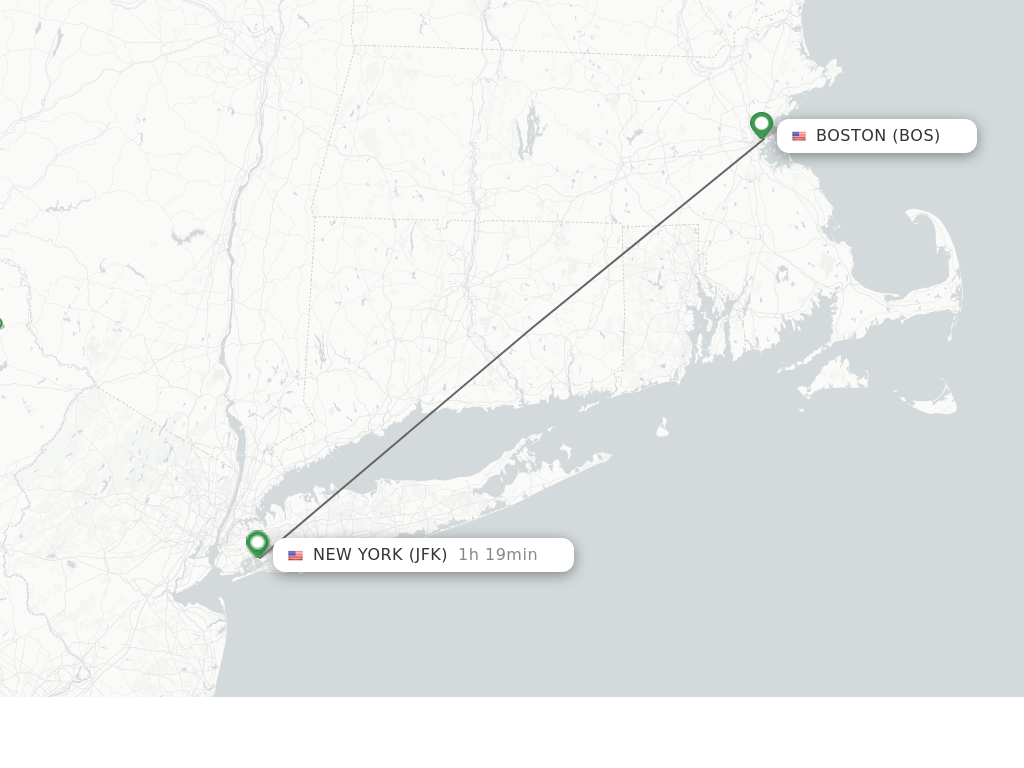
Direct Flight Averages
When you search for flights, the duration advertised by airlines typically refers to “block time.” This is the scheduled time from when the aircraft pushes back from the gate at Boston Logan International Airport (BOS) until it arrives at the gate at one of New York’s major airports: LaGuardia Airport (LGA), John F. Kennedy International Airport (JFK), or Newark Liberty International Airport (EWR).
For a direct flight, the average block time generally falls between 1 hour and 15 minutes to 1 hour and 30 minutes.
The actual time spent in the air, from wheels up to wheels down, is often even shorter, frequently around 45 minutes to 1 hour. This brevity makes it one of the shortest commercial routes in the country. Major carriers like Delta Air Lines, American Airlines, United Airlines, and JetBlue Airways all operate numerous daily flights on this corridor, offering a competitive range of schedules and aircraft types. While some regional jets are common for this route, larger narrow-body aircraft are also frequently deployed, especially during peak travel times. The specific airport pairing can also slightly influence block time, with flights to Newark Liberty International Airport sometimes being marginally longer due to slightly greater distance or different air traffic patterns compared to LaGuardia Airport.
Beyond Airtime: The Total Travel Journey
While the flight itself is quick, anyone traveling this route frequently will attest that the actual airborne duration represents only a fraction of the entire door-to-door journey. A realistic assessment of travel time must incorporate all the necessary steps before and after the flight.
Pre-Flight Considerations
The journey begins long before boarding. Travelers typically need to allocate significant time for:
- Travel to Boston Logan International Airport (BOS): Depending on your starting point in Boston and traffic conditions, reaching BOS can take anywhere from 20 minutes to over an hour. Public transportation, such as the MBTA’s Silver Line, offers a reliable alternative to driving, though it still requires planning.
- Airport Arrival and Check-in: For domestic flights, most airlines recommend arriving 90 minutes to 2 hours before departure. This window accounts for checking in, dropping off any checked baggage, and navigating security. If you have elite status, TSA PreCheck, or Clear, these processes can be significantly faster, potentially reducing the recommended arrival time.
- Security Screening: Boston Logan International Airport is a busy hub, and security lines can vary dramatically. Factors include the time of day, day of the week, and current threat levels. Weekday mornings and evenings, as well as holiday periods, typically see the longest queues.
- Boarding: The boarding process itself, from the initial call to pushing back from the gate, usually takes 20-30 minutes, during which passengers settle into their seats and the aircraft is prepared for departure.
Conservatively, one should factor in at least 2 to 3 hours for the pre-flight experience, from leaving your accommodation in Boston until the aircraft is ready for take-off.
Post-Flight Logistics in New York
Upon landing, the journey continues with similar considerations for reaching your final destination within New York City:
- Deplaning and Baggage Claim: Once the plane arrives at the gate, deplaning can take 5-15 minutes. If you’ve checked luggage, collecting it can add another 15-30 minutes, depending on the efficiency of baggage handling.
- Ground Transportation from New York Airports: This is often the most variable and time-consuming part of the entire journey.
- LaGuardia Airport (LGA): While geographically closest to Manhattan, LGA does not have direct rail access. Travelers rely on taxis, ride-sharing services, or express buses (like the M60 SBS) connecting to the subway system. Depending on traffic, reaching Midtown Manhattan can take anywhere from 30 minutes to over an hour during peak times.
- John F. Kennedy International Airport (JFK): JFK offers the AirTrain, which connects to Long Island Rail Road (LIRR) commuter trains and several subway lines. The AirTrain ride itself is 10-15 minutes, with the subsequent train or subway journey to Manhattan adding another 30-60 minutes. Total travel time to Manhattan can be 60-90 minutes or more.
- Newark Liberty International Airport (EWR): Located in New Jersey, EWR is also well-connected. The AirTrain connects to NJ Transit and Amtrak trains that arrive at New York Penn Station in Midtown Manhattan. This process typically takes 45-75 minutes to reach Manhattan, including the AirTrain segment.
- New York City Traffic: Regardless of the airport, navigating New York City traffic, especially for taxis or ride-shares, can be notoriously slow, particularly during rush hour.
Factoring in deplaning, baggage claim, and ground transportation, another 1.5 to 2.5 hours should be allotted to reach your final destination in New York.
Combining these segments, the full door-to-door travel time for a Boston to New York flight can easily range from 4.5 to 6 hours or even more, despite the short flight time.
Factors Influencing Flight Duration and Overall Travel Time
Several external and operational factors can influence both the block time and the overall travel duration, leading to variations even for flights on the same route.
Air Traffic Control and Weather

- Air Traffic Congestion: Both Boston and New York lie within some of the busiest airspaces in the world. High volumes of air traffic, particularly during peak travel times, can lead to ground delays for take-off or holding patterns in the air before landing, extending block times.
- Weather Conditions: Adverse weather is a significant factor. Headwinds can increase flight time, while strong tailwinds can shorten it. More critically, storms, heavy fog, or snow can cause widespread delays or cancellations at either Boston Logan International Airport or the New York airports, impacting not just the flight but also ground transportation. Winter travel, in particular, can be susceptible to these disruptions.
Aircraft Type and Route
For short-haul flights like BOS-NYC, the type of aircraft usually doesn’t dramatically alter the flight duration by more than a few minutes. While faster jets exist, air traffic control speeds are often regulated. The flight path between these two cities is also fairly direct and optimized, with limited room for significant variation. However, rerouting due to weather or temporary airspace restrictions can occasionally add a few minutes to the airborne segment.
Day of Week and Time of Day
The chosen travel time can significantly impact the overall journey. Weekday mornings (6 AM – 9 AM) and evenings (4 PM – 7 PM) are peak commuter times, leading to increased congestion at airports, longer security lines, and more substantial ground traffic in both Boston and New York. Flights during off-peak hours (e.g., late morning, mid-day, or late night) often experience fewer delays and smoother transit, both in the air and on the ground. Weekends generally see fewer business travelers but increased leisure travel, which can still lead to busy periods.
Alternatives to Flying: A Comparison
Given the comprehensive door-to-door time involved in flying, it’s worth considering alternative modes of transport for the Boston to New York route, which often prove competitive in terms of total travel duration.
Train Travel (Amtrak)
Amtrak offers a popular and often more relaxed alternative. The journey from Boston South Station or Boston Back Bay Station to New York Penn Station typically takes:
- Acela Express: Approximately 3.5 hours.
- Northeast Regional: Approximately 4 hours.
Advantages include comfortable seating, no airport security lines (though some bag checks may occur), and arrival directly into downtown Manhattan, often minimizing ground transportation headaches. For many, the train offers a comparable or even superior door-to-door experience, particularly when destination addresses are near the train stations.
Bus Travel
Various bus companies, such as Greyhound and Peter Pan Bus Lines, operate frequent services between Boston South Station Bus Terminal and New York Port Authority Bus Terminal.
- Duration: Typically 4 to 5 hours, heavily dependent on traffic, especially approaching and within New York City.
- Cost: Generally the most economical option.
Bus travel involves less stringent security than flying and direct access between city centers, but can be less comfortable and more prone to traffic delays.
Driving
Driving offers the most flexibility but can be unpredictable.
- Duration: Approximately 3.5 to 4 hours of pure driving time, without stops.
- Considerations: This does not include time for tolls, fuel stops, and critically, navigating dense traffic in both metropolitan areas, especially as you approach New York City. Parking in New York is also expensive and challenging to find. For a single traveler, driving is rarely the most efficient option for speed or cost, but it can be cost-effective for groups or those needing a vehicle at their destination.
Maximizing Your Travel Efficiency
For those prioritizing air travel between Boston and New York, several strategies can help streamline the journey:
Choosing the Right Airport
Your choice of New York airport should align with your final destination in New York City.
- LaGuardia Airport: Best for destinations in Queens, Upper East Side of Manhattan, or areas accessible by the M60 bus to the subway. Often has shorter flight times due to proximity.
- John F. Kennedy International Airport: Good for destinations in Brooklyn or those easily accessed via the LIRR or subway lines connecting to the AirTrain.
- Newark Liberty International Airport: Ideal for destinations in Midtown Manhattan or the West Side due to its direct rail connection to New York Penn Station.

Smart Planning and Tools
- Real-time Updates: Utilize airline apps, flight tracking websites, and airport mobile applications for live updates on flight status, gate changes, and security wait times. This proactive approach can help you adjust your schedule on the fly.
- Expedited Security: Investing in TSA PreCheck or Clear can drastically reduce time spent in security lines, making the airport experience far more efficient.
- Pack Light: Traveling with only a carry-on eliminates the need to check a bag and wait at baggage claim, shaving 15-30 minutes off your post-flight time.
- Off-Peak Travel: Whenever possible, consider flying during mid-day weekdays or very early mornings/late evenings to avoid the heaviest airport congestion and ground traffic.
- Pre-book Ground Transportation: If using a car service or shuttle, booking in advance can save time upon arrival, particularly during busy periods. Familiarize yourself with public transport options from each New York airport to your specific destination.
In conclusion, while the aerial portion of a flight from Boston to New York is indeed swift, savvy travelers recognize that the overall journey demands careful planning to navigate the various pre- and post-flight stages efficiently. Understanding these dynamics allows for a more realistic travel itinerary and can help in choosing the most suitable mode of transport for your specific needs.
LifeOutOfTheBox is a participant in the Amazon Services LLC Associates Program, an affiliate advertising program designed to provide a means for sites to earn advertising fees by advertising and linking to Amazon.com. Amazon, the Amazon logo, AmazonSupply, and the AmazonSupply logo are trademarks of Amazon.com, Inc. or its affiliates. As an Amazon Associate we earn affiliate commissions from qualifying purchases.