
Embarking on a journey from the sun-drenched shores of California to the vast, captivating continent of Australia is an adventure that sparks the imagination. It’s a trip of a lifetime, crossing vast oceans and time zones, and the first question that often springs to mind is, “How long is the flight?” While the answer isn’t a simple number, it’s a crucial piece of information for planning your unforgettable travel experience.
The duration of a flight from California to Australia is significantly influenced by several factors, primarily the specific departure and arrival cities, the presence and length of layovers, and the type of flight (direct or with connections). Given the immense geographical distance between these two points – thousands of miles across the Pacific Ocean – direct flights are rare and often the most expensive option. Therefore, most travelers will experience flights with at least one stop.
Understanding Flight Durations: Direct vs. Connecting Flights
When considering the time it takes to travel from California to Australia, it’s essential to differentiate between direct flights and those involving layovers.
Direct Flights: The Fastest, Though Rarest Option
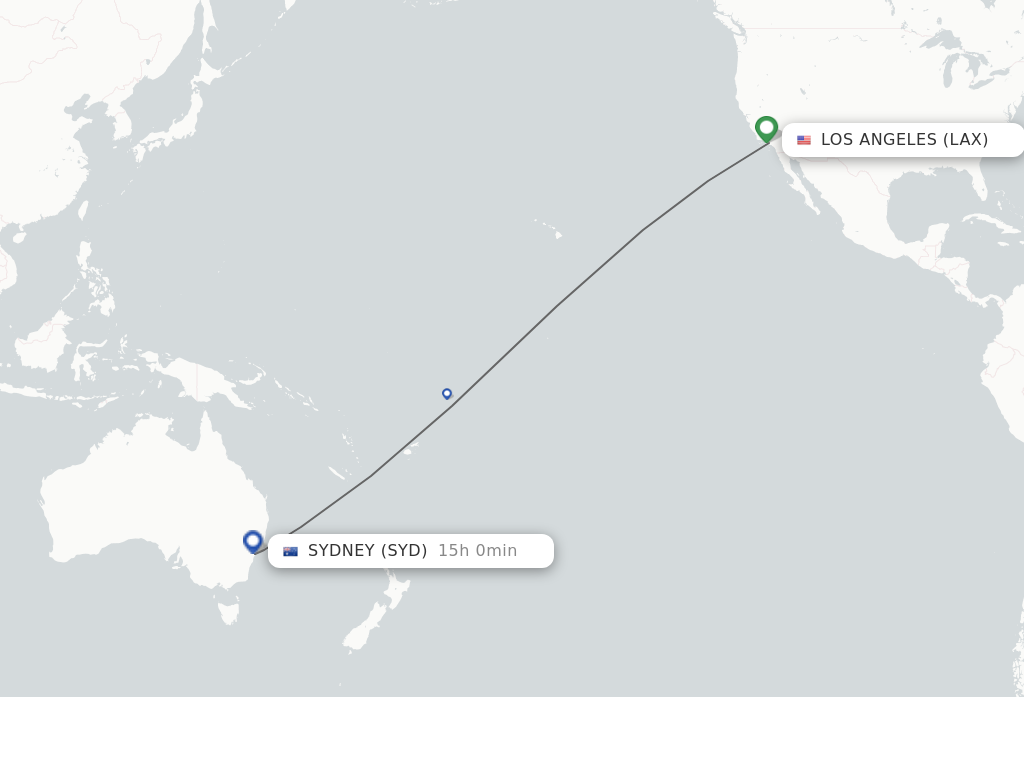
Direct flights, meaning a single, non-stop journey from a Californian airport to an Australian airport, are the quickest way to cover this immense distance. However, due to the sheer length of the route, these are not commonly available. When they are offered, they typically depart from major international hubs like Los Angeles International Airport (LAX) or San Francisco International Airport (SFO) and arrive at prominent Australian gateways such as Sydney Airport (SYD) or Melbourne Airport (MEL).
The flight time for a direct route can range from approximately 14 to 17 hours. This is a substantial block of time spent in the air, and passengers should be prepared for a long-haul journey. The exact duration will depend on factors like prevailing wind patterns, the specific aircraft model, and the precise flight path taken. For those seeking the most efficient travel time and willing to invest in the convenience, direct flights are the ideal choice, minimizing the disruption of multiple takeoffs and landings.
Connecting Flights: The More Common and Flexible Approach
The vast majority of flights from California to Australia involve at least one layover. These connecting flights offer more flexibility in terms of departure times, airlines, and often, price. The total travel time for a connecting flight is the sum of the flight segments and the layover duration.
Factors Influencing Connecting Flight Times:
- Layover Location: The chosen layover city significantly impacts the total journey time. Common layover points include cities on the West Coast of the United States like Seattle or Honolulu, or destinations in Asia such as Tokyo, Seoul, or Singapore. Flights routing through Asia often involve longer flight segments but potentially shorter overall layovers than those on the US mainland.
- Layover Duration: This is the most variable component. Layovers can range from a brief hour or two to an extensive stopover of several hours, or even an overnight stay. Shorter layovers are preferable for minimizing total travel time, but they increase the risk of missing a connection if the first flight is delayed. Longer layovers can be an opportunity to stretch your legs, grab a meal, or even explore a new city if the layover is sufficiently long and you have the necessary visas.
- Number of Stops: While some connecting flights involve a single stop, others may have two or even more. Each additional stop adds to the overall travel time, not just from the flight itself but also from the transit time within airports and potential delays. Flights with two or more stops are generally the longest and least desirable for those prioritizing speed.
When factoring in a single layover, the total travel time from California to Australia can range widely. A well-timed connection might result in a total journey of 17 to 25 hours. However, less optimal connections, longer flight segments, or extended layovers can push this duration to 25 to 35 hours or even more.
Navigating the Pacific: Key Airports and Airlines
Choosing the right airports and airlines can significantly impact your travel experience and the overall time spent on your journey. Understanding the major players in trans-Pacific travel from California to Australia is key to efficient planning.
Major Departure Hubs in California
California boasts several world-class airports that serve as gateways to international destinations. For flights to Australia, the most common departure points are:
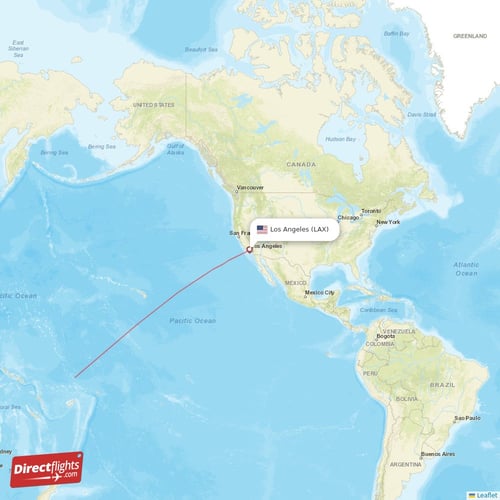
- Los Angeles International Airport (LAX): As one of the busiest airports in the world, LAX offers the most extensive network of international flights, including those to Australia. It is a major hub for airlines like Qantas, United Airlines, and Delta Air Lines.
- San Francisco International Airport (SFO): Another significant international gateway, SFO also provides numerous flight options to Australia, often served by airlines such as Qantas and United Airlines.
- San Diego International Airport (SAN): While less common for direct or single-stop flights to Australia, travelers departing from San Diego will likely need to take a domestic flight to a larger hub like LAX or SFO before commencing their international journey.
Key Arrival Airports in Australia
Upon reaching the land Down Under, you’ll likely arrive at one of these major international airports:
- Sydney Airport (SYD): The busiest airport in Australia, SYD is the primary arrival point for many international flights, offering excellent connections to domestic destinations across the continent.
- Melbourne Airport (MEL): Another major gateway, MEL serves a significant number of international travelers, including those from North America.
- Brisbane Airport (BNE): BNE is the main international airport for Queensland, offering direct flights from some US cities and connections from other hubs.
Major Airlines Operating the Route
Several reputable airlines operate flights between California and Australia. Some of the most prominent include:
- Qantas: As Australia’s flag carrier, Qantas offers a significant number of flights, often with direct services from Los Angeles and San Francisco to Sydney and Melbourne.
- United Airlines: A major US airline, United provides extensive route options, often with layovers in San Francisco or Los Angeles, connecting to Australian cities.
- Delta Air Lines: Another prominent US carrier, Delta also operates flights to Australia, frequently involving connections through Los Angeles.
- Fiji Airways: Offering a unique routing option, Fiji Airways provides flights from Los Angeles to Australia with a stopover in Nadi, Fiji. This can be an attractive option for those wanting a brief tropical interlude.
- Other Asian Carriers: Airlines like Korean Air, Asiana Airlines, and Cathay Pacific often offer competitive fares and routes with layovers in their respective hubs like Seoul or Hong Kong.
When booking your flight, always check the total travel time, including layovers, and the specific airports involved. This will give you the most accurate picture of how long your journey from California to Australia will actually be.
Maximizing Your Journey: Tips for Long-Haul Travel to Australia
A flight from California to Australia is an extended undertaking. To make the most of this significant travel time and ensure a comfortable, enjoyable experience, strategic planning and preparation are essential. Considering aspects of lifestyle travel, from luxury to budget, can enhance your journey.
Preparing for the Long Haul
- Comfort is Key: Invest in a good neck pillow, an eye mask, and earplugs. Comfortable clothing that allows for movement is crucial. Layers are advisable as cabin temperatures can fluctuate. Consider compression socks to help with circulation on such long flights.
- Stay Hydrated and Nourished: Airplane air is notoriously dry. Drink plenty of water throughout the flight. While airlines provide meals, consider bringing your own healthy snacks to supplement them or to enjoy during layovers. Avoid excessive alcohol and caffeine, which can dehydrate you.
- Entertainment and Productivity: Load up your devices with movies, TV shows, podcasts, and books. Many long-haul flights offer in-flight entertainment systems, but having your own ensures you have options you enjoy. Use the time to relax, catch up on sleep, or even get a head start on planning your Australian adventures, perhaps by researching attractions or potential accommodations.
- Movement is Important: Get up and walk around the cabin every hour or two to prevent stiffness and improve circulation. Do some simple in-seat stretches to keep your body from feeling too cramped.
Embracing Layovers as an Opportunity
Longer layovers, while seemingly a drawback, can be transformed into positive experiences.
- Airport Lounges: If your budget allows, consider purchasing access to an airport lounge. These offer a more comfortable and quieter environment than the main terminal, with amenities like complimentary food and drinks, Wi-Fi, and showers. This can be particularly valuable for long layovers in busy hubs like Los Angeles or Singapore.
- City Exploration: For layovers exceeding eight hours, and depending on visa requirements and airport proximity, you might consider a brief excursion into the layover city. This requires careful planning to ensure you have enough time to travel to and from the airport, explore, and return for your connecting flight without stress. A short visit to Honolulu or even a glimpse of Tokyo could add an unexpected dimension to your trip.
- Rest and Recharge: If an overnight layover is part of your itinerary, booking a hotel near the airport can provide a much-needed opportunity for a proper sleep and a refreshing shower, making the second leg of your journey much more bearable. Many hotels offer shuttle services for convenience.
Considering Your Travel Style
Whether you’re a luxury traveler seeking premium comfort or a budget traveler focused on value, the flight duration to Australia remains a constant. However, your choices in airlines, seating classes, and layover options can be tailored to your preferences. For instance, premium economy or business class seats offer significantly more comfort for the long hours in the air, while opting for airlines with more generous baggage allowances or loyalty programs can be beneficial for budget travelers.
Ultimately, understanding that a flight from California to Australia is a significant time commitment is the first step. By preparing adequately, embracing opportunities during layovers, and aligning your travel choices with your lifestyle, you can ensure this extensive journey becomes an integral and positive part of your incredible Australian adventure, from exploring iconic landmarks to immersing yourself in the vibrant local culture.