
Embarking on a journey from the sun-drenched shores of California to the captivating land of Japan is an adventure that many travelers dream of. This trans-Pacific flight connects two vibrant cultures, offering a bridge between the American West Coast and East Asia’s technological marvels and ancient traditions. One of the most common questions for prospective travelers is, naturally, “How long is the flight?” The answer, while seemingly straightforward, involves a fascinating interplay of geography, aviation logistics, and travel preferences. Understanding these factors is key to planning a smooth and enjoyable trip, whether you’re heading for a bustling city escape, a serene cultural immersion, or an important business venture.
The journey across the vast Pacific Ocean is a significant undertaking, typically ranging from 9 to 13 hours for a direct flight. However, this duration can fluctuate based on numerous elements, including your specific departure city in California, your arrival airport in Japan, the type of aircraft, prevailing winds, and whether you opt for a direct or connecting flight. This comprehensive guide will break down everything you need to know about the flight duration, popular routes, and tips for making your long-haul experience as comfortable as possible, drawing on insights from travel planning, accommodation choices, and lifestyle considerations.
Understanding the Core Flight Duration
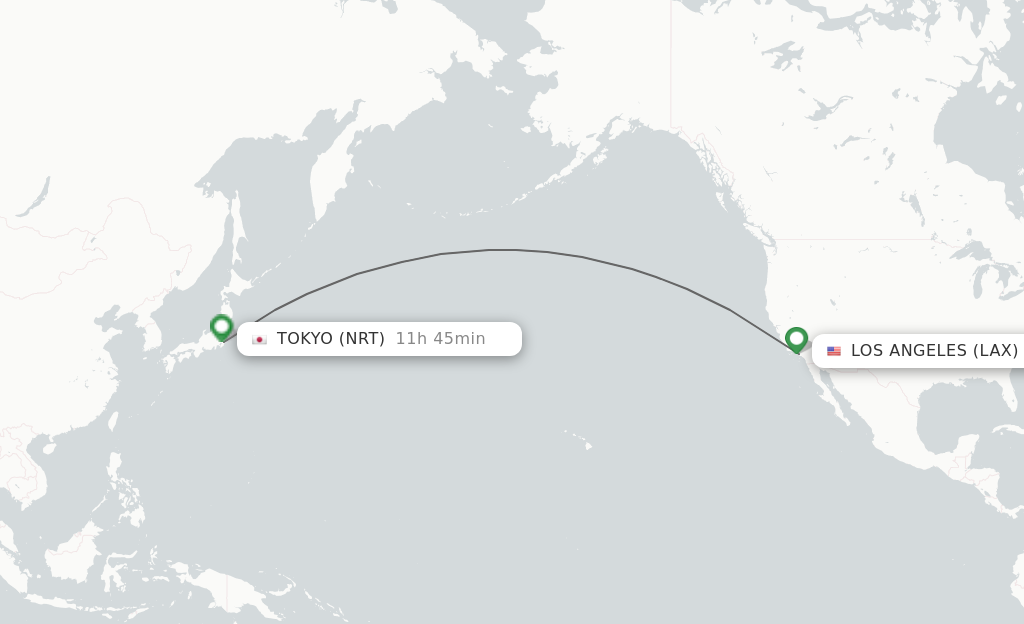
At its heart, the flight duration from California to Japan is dictated by the immense distance between the two regions. The shortest routes, flown by direct flights, usually take advantage of the great circle route, which appears curved on a flat map but is the most direct path over the spherical Earth.
Key Factors Influencing Flight Time
Several variables contribute to the final clocking of your flight time:
- Departure and Arrival Cities: The specific airports chosen dramatically impact distance. For instance, a flight from Los Angeles to Tokyo will differ slightly from a flight originating in San Francisco or arriving in Osaka.
- Prevailing Winds (Jet Stream): The powerful jet stream winds can significantly affect flight times. Flights heading westbound (towards Japan) often fly against these winds, making the journey longer. Eastbound flights (back to California) benefit from the tailwinds, shortening the return trip. This can account for differences of an hour or more.
- Aircraft Type and Speed: Modern long-haul aircraft like the Boeing 787 Dreamliner or Airbus A350 are designed for efficiency and speed over long distances, but minor variations exist between models and airlines.
- Air Traffic Control and Route Optimization: Air traffic congestion, particularly around major international hubs, can lead to slight delays or rerouting, adding minutes to the flight. Airlines continuously optimize routes for fuel efficiency and speed, but unexpected conditions can always arise.
Direct Flights: What to Expect
For travelers prioritizing speed and convenience, direct flights are the preferred option. These non-stop journeys eliminate the need for layovers, minimizing total travel time and reducing the chances of missed connections or lost luggage.
Typical direct flight durations from major California cities to Tokyo (the most common entry point to Japan) are:
- Los Angeles (LAX) to Tokyo (Narita/Haneda): Approximately 10.5 to 11.5 hours.
- San Francisco (SFO) to Tokyo (Narita/Haneda): Roughly 9.5 to 10.5 hours.
- San Diego (SAN) to Tokyo (Narita): Around 10.5 to 11 hours. (Fewer direct options from San Diego compared to LAX or SFO).
Keep in mind that these are flight times, not total travel times. You’ll need to factor in time for check-in, security, boarding, and deplaning.
Navigating Connecting Flights and Layovers
While direct flights offer the quickest journey, connecting flights are a common reality for many travelers. They can sometimes be more budget-friendly, offer more flexible scheduling, or be the only option if your departure or arrival airport lacks direct service. However, they significantly extend the total travel time.
Popular Layover Hubs and Their Impact
Choosing a connecting flight means adding layover time, which can range from a quick 1-2 hour transit to an extended stopover of 12+ hours. Popular layover hubs for flights from California to Japan often include:
- Honolulu (HNL), Hawaii: A popular stop, especially with Hawaiian Airlines. This breaks up the long journey into two more manageable segments, but total travel time will likely exceed 14-16 hours.
- Other US Cities: Sometimes, connections are made through other major US airports like Seattle or Portland.
- Canadian Cities: Vancouver can serve as a transit point.
- East Asian Hubs: For those taking multi-leg journeys or specific airlines, layovers might occur in other major Asian cities such as Seoul (South Korea), Taipei (Taiwan), Shanghai or Beijing (China), or Hong Kong. While these can be excellent opportunities for a mini-exploration, they add substantial time, often bringing the total journey to 15-20 hours or even more.
When considering connecting flights, it’s crucial to evaluate the total travel time, including layovers. A seemingly cheaper flight might end up costing you valuable vacation time or lead to increased fatigue.
Maximizing Your Layover Experience
If you find yourself with a long layover, especially in a city like Honolulu, Seoul, or Taipei, consider it an opportunity. Many airports offer short-term luggage storage, allowing you to venture out and explore. For instance, Seoul’s Incheon International Airport offers free transit tours for passengers with longer layovers, showcasing local culture and landmarks. Even within the airport, many major hubs boast impressive amenities, from shopping and dining to relaxation zones and even hotels within the terminal for quick rest. Using apps to compare accommodation options or checking out airport guides can help you make the most of your unexpected stop.
Choosing Your Route: California Departure Points
California is a vast state, home to several major international airports that serve as gateways to Asia. Your choice of departure city can slightly influence flight duration and, more significantly, the availability and frequency of direct flights.
Major International Airports in California
The Golden State offers multiple convenient options for your departure:
- Los Angeles International Airport (LAX): As one of the busiest airports in the world, LAX offers the widest array of direct flights to Japan, with multiple daily departures to both Narita and Haneda in Tokyo, and often direct service to Osaka (Kansai International Airport).
- San Francisco International Airport (SFO): Another major hub, SFO also provides excellent direct connectivity to Tokyo’s airports and sometimes Osaka. Due to its slightly more northerly location, flights from SFO might be marginally shorter than those from LAX.
- San Diego International Airport (SAN): While it has seen increasing international service, SAN has fewer direct options to Japan compared to LAX or SFO. Travelers often connect through LAX or SFO if a direct flight isn’t available.
- Oakland International Airport (OAK) & Sacramento International Airport (SMF): These airports primarily serve domestic routes with some international connections. Travelers from these areas will almost certainly need to connect through LAX, SFO, or another major hub to reach Japan.
Departure Gateways: Los Angeles vs. San Francisco
For most California residents, the choice between LAX and SFO often comes down to geographical convenience and flight availability. Both airports are well-served by major airlines such as Japan Airlines (JAL), ANA (All Nippon Airways), United Airlines, Delta Air Lines, and American Airlines. While SFO might offer slightly shorter flight times due to its northern position, the difference is usually marginal, often less than an hour. The key consideration should be the total travel time from your home to the airport, check-in process, and the specific airline and timing that best suits your lifestyle and budget.
Arriving in Japan: Key International Airports
Japan has several international airports, but the vast majority of long-haul flights from California will land in either of Tokyo’s primary gateways or at Kansai International Airport serving Osaka and Kyoto.
Tokyo’s Major Hubs: Narita and Haneda
- Narita International Airport (NRT): Historically Tokyo’s main international gateway, Narita is located further from central Tokyo (about 60-80 km/37-50 miles). It offers a wide range of international connections and excellent ground transport options, including the Narita Express train and various bus services, taking 60-90 minutes to reach downtown.
- Haneda Airport (HND): Closer to central Tokyo (about 15-20 km/9-12 miles), Haneda has seen a significant increase in international flights in recent years. Its proximity makes it a highly desirable arrival point for travelers whose final destination is Tokyo itself, with train and monorail services reaching downtown in 20-30 minutes. Many airlines now offer direct flights to Haneda from California, making it a popular choice.
When booking your flight, pay close attention to which Tokyo airport you’ll be arriving at, as it impacts your immediate post-arrival travel plans and potentially your initial accommodation choice.
Beyond Tokyo: Osaka and Other Entry Points
- Kansai International Airport (KIX): Located near Osaka, KIX serves the Kansai region, which includes popular tourist destinations like Kyoto, Nara, and Osaka itself. Some airlines offer direct flights from California to KIX, typically taking around 11-12 hours. This is an excellent option for travelers who wish to explore western Japan first, perhaps visiting Universal Studios Japan or historical temples.
- Chubu Centrair International Airport (NGO) in Nagoya: Fewer direct flights from California exist for Nagoya, which serves central Japan. Most travelers would connect via Tokyo.
- Fukuoka Airport (FUK): Serving the southern island of Kyushu, Fukuoka rarely has direct flights from California. Connections would typically be made through Tokyo or another Asian hub.
Choosing your arrival airport is a crucial decision that can save you significant time and hassle upon landing, particularly if your final destination is outside of Tokyo.
Enhancing Your Trans-Pacific Journey
A long-haul flight to Japan is more than just hours in the air; it’s the beginning of an experience. Thoughtful planning can transform what might seem daunting into a comfortable and even enjoyable part of your travel.
Battling Jet Lag and Maximizing Comfort
The significant time difference between California and Japan (16-17 hours depending on daylight saving) means jet lag is almost inevitable. However, you can mitigate its effects:
- Adjust Before You Fly: Start shifting your sleep schedule by an hour or two each day in the days leading up to your flight.
- Stay Hydrated: Drink plenty of water before, during, and after your flight. Avoid excessive alcohol and caffeine, which can exacerbate dehydration.
- Move Around: Get up and walk the aisles every few hours to promote circulation. Perform simple stretches in your seat.
- Dress Comfortably: Wear loose-fitting clothing and layers.
- Utilize Amenities: Eye masks, earplugs, and neck pillows are your best friends on a long flight. If traveling in a premium class, take full advantage of the enhanced seating, amenities, and service to maximize rest. Many airlines like Japan Airlines and ANA (All Nippon Airways) are known for their excellent service, even in economy.
- Melatonin: Some travelers find melatonin supplements helpful for resetting their internal clock.
For those considering a business trip or a luxury travel experience, booking a suite or resort with premium amenities at your destination can further aid recovery and enhance your overall stay.
Planning Your Post-Arrival Experience
Once you’ve landed, your Japan adventure truly begins. Having your post-arrival plans sorted will significantly reduce stress and help you transition smoothly:
- Transportation from the Airport: Research and book your transport from Narita or Haneda to your hotel in Tokyo in advance. Options include trains (e.g., Narita Express, Keisei Skyliner), limousines buses, and taxis.
- Accommodation Booking: Whether you’re looking for a luxury suite in Shinjuku, a traditional ryokan in Kyoto, or a budget-friendly apartment in Osaka, ensure your accommodation is booked well in advance. Check reviews and compare different types of stays to find one that fits your preference, be it a quiet villa or a lively resort.
- Local Culture and Food: Japan is a treasure trove of local culture and culinary delights. Plan your first few meals to immerse yourself immediately. From sushi and ramen to izakaya dining, the food scene is an integral part of the tourism experience.
- Activities and Landmarks: Consider visiting famous landmarks such as the Tokyo Skytree, the Meiji Jingu Shrine, or planning a trip to see Mount Fuji. If traveling with family, Disneyland Tokyo or Universal Studios Japan are popular attractions.
In conclusion, a flight from California to Japan is a significant journey, with direct flights typically lasting between 9.5 and 11.5 hours. However, by understanding the factors that influence flight duration, choosing your routes wisely, and preparing for the long-haul, you can ensure a comfortable and efficient journey, setting the stage for an unforgettable experience in the Land of the Rising Sun. Safe travels!
LifeOutOfTheBox is a participant in the Amazon Services LLC Associates Program, an affiliate advertising program designed to provide a means for sites to earn advertising fees by advertising and linking to Amazon.com. Amazon, the Amazon logo, AmazonSupply, and the AmazonSupply logo are trademarks of Amazon.com, Inc. or its affiliates. As an Amazon Associate we earn affiliate commissions from qualifying purchases.