
Embarking on a journey from the vibrant Midwest hub of Chicago to the bustling metropolis of New York is a quintessential American travel experience. While the flight itself is a relatively short hop, the true answer to “How long is a flight from Chicago to New York?” encompasses far more than just the time spent airborne. It’s a holistic journey, woven with layers of planning, pre-flight preparations, airport transit, and the dynamic transitions between two of the United States’ most iconic cities. For any traveler, whether a seasoned business professional or an excited tourist, understanding the full scope of this journey – from the moment you leave your doorstep in Illinois to the instant you arrive at your destination in New York or New Jersey – is key to a smooth and enjoyable experience. This article will delve into every facet, from the actual flight duration to navigating the intricate airport systems, choosing the right accommodation, and even a glimpse into the local culture and attractions awaiting you at either end of this popular route.
Deconstructing the Flight Duration: What to Expect in the Air
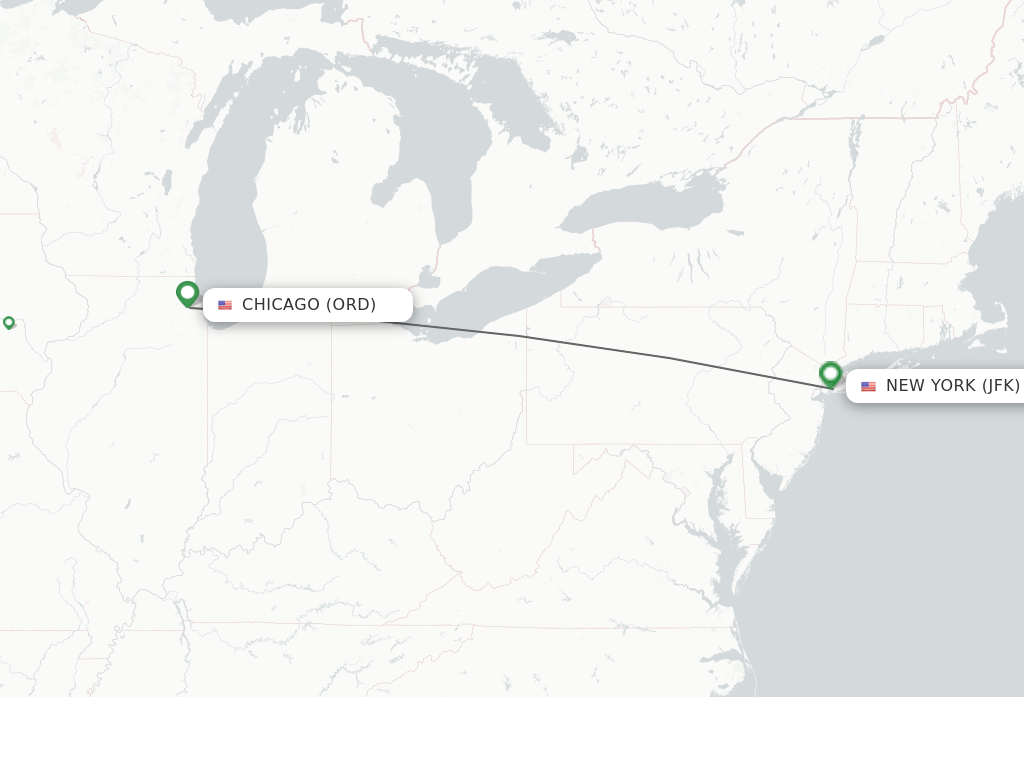
When travelers inquire about flight duration, they are typically referring to the “wheels-up to wheels-down” time. For the Chicago to New York route, this portion of the journey is surprisingly brief, yet subject to several variables that can influence its exact length.
The Core Flight Time: Averages and Variations
On average, a direct flight from Chicago to New York typically spans approximately 2 hours to 2 hours and 30 minutes. This efficient travel time makes it an ideal route for both quick business trips and extended leisure getaways. However, this average can fluctuate based on a few critical factors:
- Wind Conditions: Flying eastbound, especially with favorable tailwinds, can significantly reduce flight time. Conversely, strong headwind can add precious minutes to the journey. Given the vast expanse of North America and its dynamic weather patterns, wind conditions are a constant consideration for pilots and air traffic controllers.
- Aircraft Type: Modern, fuel-efficient aircraft with higher cruising speeds might shave a few minutes off the trip compared to older models. While most airlines operate similar types of planes on this route (e.g., Boeing 737s or Airbus A320s), subtle differences in performance can exist.
- Flight Path and Air Traffic Control: The specific route taken by the aircraft is determined by air traffic controllers to ensure safety and efficiency. This can sometimes involve minor deviations to avoid congested airspace or adverse weather, slightly altering the flight duration. The skies between Chicago and New York are among the busiest in the world, requiring precise coordination.
Beyond the Wheels-Up: Taxiing, Takeoff, and Landing
It’s crucial to distinguish between actual airborne time and the total time an aircraft is in motion on the ground. The taxiing process, both at the departure and arrival airports, can add a substantial amount of time to your journey, sometimes as much as 30 to 60 minutes depending on airport congestion and runway availability.
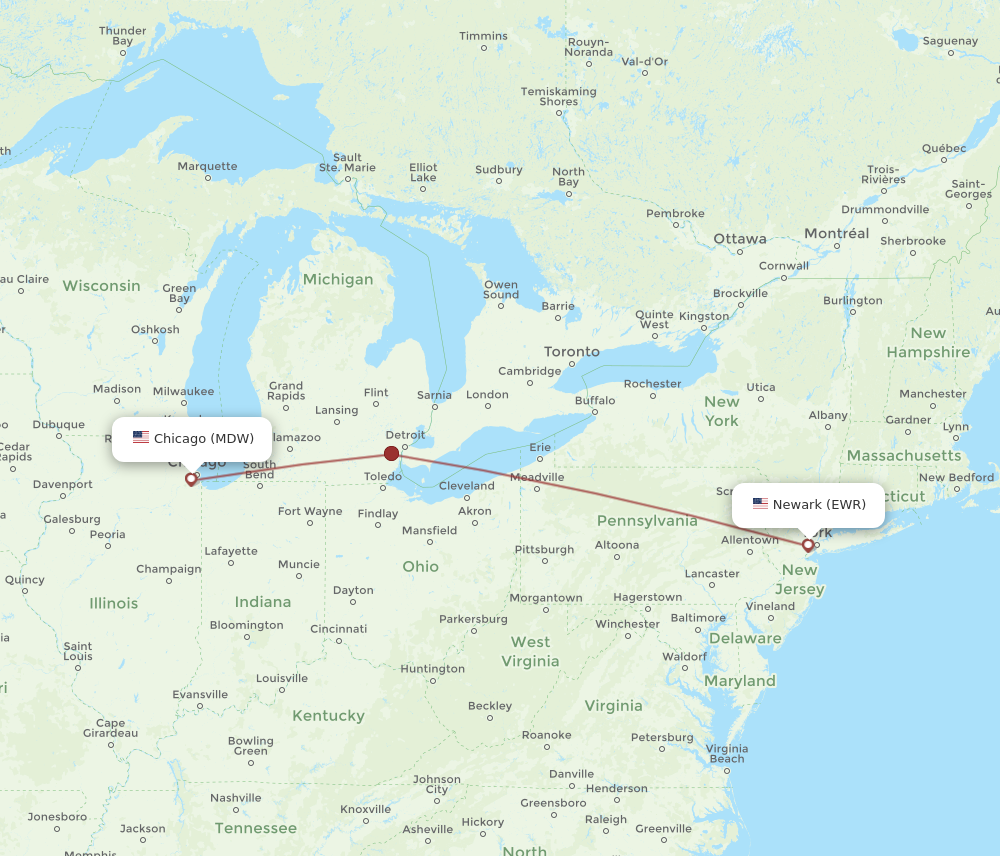
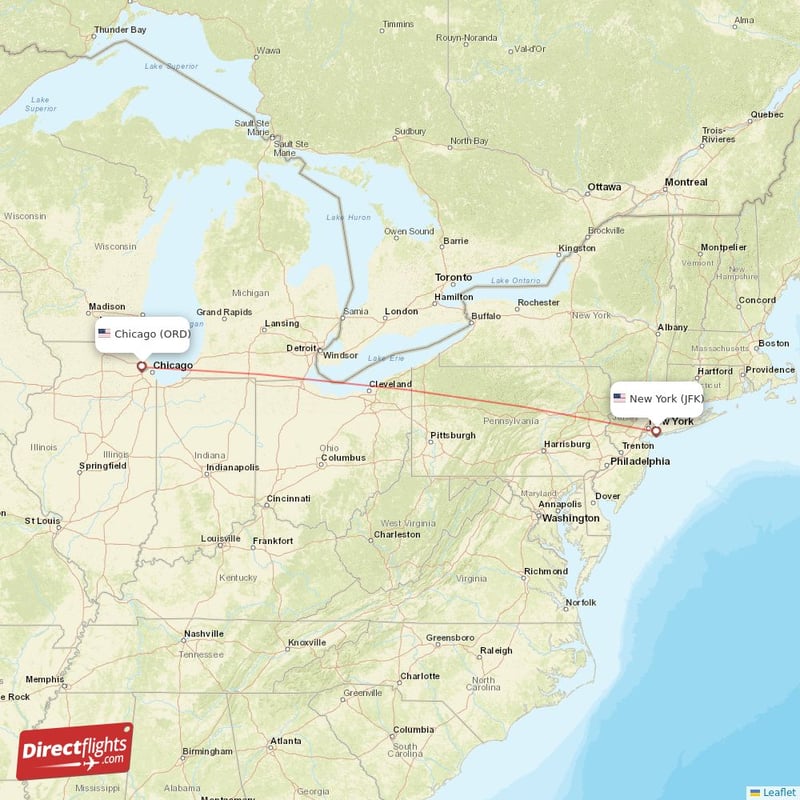
- Departure at Chicago (ORD or MDW): O’Hare International Airport (ORD) is one of the busiest airports globally, and Midway International Airport (MDW) also sees significant traffic. Taxiing from the gate to the runway, especially during peak travel times, can be a lengthy affair.
- Arrival in New York (JFK, EWR, or LGA): Similarly, the three major New York area airports – JFK International Airport (JFK), Newark Liberty International Airport (EWR) in New Jersey, and LaGuardia Airport (LGA) – are perpetually bustling. Waiting for an available gate after landing, or even taxiing from the runway to the terminal, can contribute significantly to the overall travel time.
Therefore, while the flight portion itself might be a swift two and a half hours, the practical “aircraft time” from gate pushback to arrival gate can often stretch to three to four hours, sometimes more during severe delays.
The Full Travel Saga: From Doorstep to Destination
Considering the entire journey, from leaving your home or hotel in Chicago to arriving at your final destination in New York, the total travel time dramatically extends beyond the airborne segment. This involves meticulous planning for ground transportation, navigating airport procedures, and understanding the logistics at your arrival city.
Navigating Chicago’s Airports: O’Hare vs. Midway
Chicago offers two primary airports for travelers: O’Hare International Airport (ORD) and Midway International Airport (MDW). Your choice of airport can impact your overall journey time, primarily due to their location and connectivity.
- Getting to ORD: Located approximately 18 miles northwest of downtown Chicago, O’Hare is accessible via the Chicago Transit Authority (CTA) Blue Line train, which offers a reliable and cost-effective option. Travel time by CTA from the Loop can be 45-60 minutes. Taxis, ride-shares, and shuttle services are also readily available, with travel times varying greatly depending on traffic conditions, from 30 minutes to over an hour during rush hour.
- Getting to MDW: Situated closer to downtown, about 10 miles southwest, Midway is served by the CTA Orange Line. The train ride from the Loop is typically 20-25 minutes. Taxis and ride-shares from downtown are also quicker than to O’Hare, usually taking 20-40 minutes.
- Pre-Flight Procedures: Regardless of the airport, allocating ample time for check-in (especially if checking bags) and security screening is non-negotiable. For domestic flights, arriving 90 minutes to 2 hours before your scheduled departure is a standard recommendation. During peak travel periods or holidays, an extra buffer is wise. Utilizing services like TSA PreCheck or Clear can significantly expedite your passage through security, allowing for a more relaxed start to your trip.
Factor in the commute to the airport (30-60 minutes), check-in and security (60-120 minutes), and potential taxiing delays (15-45 minutes), and you’re already looking at 2 to 3.5 hours before your plane is even in the air.
Arriving in the Tri-State Area: JFK, Newark, or LaGuardia
Upon arrival, the complexity of the New York metropolitan area’s airport system becomes apparent. Each of the three major airports offers different advantages and challenges for reaching your final destination, often in Manhattan.
- JFK International Airport (JFK): Located in Queens, JFK is the furthest from Manhattan, about 15 miles away. The most efficient way to reach Manhattan is typically the AirTrain to either the A train subway line or the Long Island Rail Road (LIRR) at Jamaica Station, or the E train subway line at Sutphin Boulevard-Archer Avenue. Total travel time to midtown Manhattan can range from 60 to 90 minutes. Taxis and ride-shares are also available, but traffic can make this option much slower and more expensive, often taking well over an hour.
- Newark Liberty International Airport (EWR): Located in New Jersey, Newark is approximately 16 miles from midtown Manhattan. Similar to JFK, an AirTrain connects to NJ Transit trains that go directly to New York Penn Station. This is often considered one of the quickest routes, with travel times ranging from 45 to 60 minutes to Manhattan. Taxis and ride-shares can face significant traffic on the New Jersey Turnpike and through the Lincoln or Holland Tunnels.
- LaGuardia Airport (LGA): Also in Queens, LaGuardia is the closest to Manhattan, about 8 miles. While it doesn’t have direct subway or rail connections, it’s well-served by buses that connect to subway lines. The M60-SBS bus to the 125th Street subway station is a popular choice. Taxis and ride-shares are often the preferred, albeit potentially traffic-ridden, option, with travel times to midtown typically ranging from 30 to 60 minutes, highly dependent on congestion. Recent infrastructure improvements have aimed to streamline ground transport.
Considering the deplaning process, baggage claim (if applicable), and ground transportation from the arrival airport to your final New York destination (another 60-120 minutes), the total journey from your starting point in Chicago to your arrival point in New York can easily total 5 to 8 hours. This comprehensive view is essential for effective travel planning, especially for those with tight schedules or connections.
Strategic Planning for a Seamless Journey
Minimizing stress and maximizing efficiency on a Chicago to New York flight involves more than just booking a ticket. It requires strategic decisions about routes, timings, and personal preparedness.
Choosing Your Route: Balancing Cost, Convenience, and Comfort
When selecting your flight, several factors should guide your decision:
- Direct vs. Connecting Flights: For a route as popular and well-served as Chicago to New York, direct flights are abundant and almost always the most efficient choice, eliminating layovers and the risk of missed connections. Connecting flights are rare unless you’re seeking a significantly lower fare or combining multiple legs of a complex journey.
- Airline Choice: Various major airlines operate this route, including United, American, Delta, Southwest, and Spirit. Each offers different price points, amenities, and loyalty programs. Consider factors like baggage allowances, in-flight comfort, and customer service reviews.
- Time of Day: Early morning or late-night flights often have fewer delays and less airport congestion, potentially shortening overall travel time. However, these might require earlier wake-up calls or late arrivals, impacting your first day’s plans. Mid-day flights can be convenient but might coincide with peak airport traffic.
- Travel Style: Business travelers often prioritize speed and convenience, opting for direct flights from airports closest to their office or meeting locations, and potentially flying first or business class for added comfort and productivity. Leisure travelers might be more flexible with timings and airports to find the best deals, potentially choosing a budget-friendly option to save on overall travel costs.
Pre-Flight and In-Flight Best Practices
To ensure a smooth journey, consider these practical tips:
- Online Check-in and Mobile Boarding Passes: Most airlines allow you to check in online 24 hours before your flight, often allowing you to select your seat and receive a mobile boarding pass. This saves time at the airport.
- Security Expediting Programs: As mentioned, TSA PreCheck, Clear, or NEXUS (for Canadian citizens) can drastically reduce your time in security lines, particularly useful at busy airports like O’Hare, JFK, and Newark.
- Packing Smart: Travel light if possible. Carrying on your luggage eliminates the wait at baggage claim and reduces the risk of lost bags. Be mindful of TSA liquid restrictions.
- In-Flight Entertainment and Connectivity: While a short flight, having a book, downloaded movies, or podcasts can make the time pass more pleasantly. Many airlines now offer Wi-Fi, though often for a fee.
- Hydration and Comfort: Even on short flights, staying hydrated and wearing comfortable clothing can make a big difference in how you feel upon arrival, ready to explore or tackle business.
Beyond the Journey: Exploring Chicago and New York
The journey between Chicago and New York is often a means to an end: experiencing the unique offerings of these two world-class cities. Both boast incredible landmarks, diverse cultures, and endless opportunities for travelers.
Iconic Experiences in the Windy City
Chicago, with its stunning architecture and friendly Midwestern charm, is a destination rich in tourism and lifestyle experiences.
- Architectural Wonders: Take an architectural boat tour along the Chicago River to marvel at the city’s iconic skyscrapers, including the formidable Willis Tower. The city’s skyline, set against the backdrop of Lake Michigan, is truly breathtaking.
- Cultural Hotspots: Explore the Art Institute of Chicago, one of the oldest and largest art museums in the United States. Wander through Millennium Park and snap a photo with the iconic Cloud Gate, affectionately known as “The Bean.”
- Shopping and Dining: Stroll along the Magnificent Mile for world-class shopping. No visit to Chicago is complete without indulging in a deep-dish pizza, a local culinary landmark.
- Accommodation: Chicago offers a wide range of accommodation options, from luxury hotels along the riverfront to stylish boutique hotels in neighborhoods like River North, catering to all travel styles and budgets.
Unforgettable Moments in the Big Apple
New York, the city that never sleeps, is an unparalleled global center for travel, culture, and tourism, offering an endless array of attractions and experiences.
- Iconic Landmarks: Witness the dazzling lights of Times Square, take a ferry to see the majestic Statue of Liberty, and stroll through the verdant oasis of Central Park. Don’t miss the panoramic views from the Empire State Building or Rockefeller Center.
- Arts and Culture: Catch a world-renowned show on Broadway, explore the vast collections at the Museum of Modern Art (MoMA) or the Metropolitan Museum of Art, and experience the grandeur of Grand Central Terminal.
- Culinary Adventures: From Michelin-starred restaurants to diverse street food vendors, New York’s food scene is a global melting pot, offering something for every palate and budget.
- Accommodation: As a global destination, New York provides an extensive selection of hotels, from opulent luxury hotels in midtown Manhattan to charming boutique hotels in Greenwich Village, and apartments suitable for long-term stays. Whether you’re planning a family trip, a business stay, or a luxurious retreat, options abound.
In conclusion, while the actual flight time from Chicago to New York is a relatively swift 2 to 2.5 hours, the entire journey from your origin point to your final destination in either city will realistically span 5 to 8 hours. By understanding all components of the trip – from ground transportation and airport procedures to strategic flight choices – travelers can transform a potentially stressful transit into an enjoyable and seamless adventure. Embrace the planning, savor the journey, and immerse yourself in the unparalleled experiences awaiting you in both Chicago and New York.
LifeOutOfTheBox is a participant in the Amazon Services LLC Associates Program, an affiliate advertising program designed to provide a means for sites to earn advertising fees by advertising and linking to Amazon.com. Amazon, the Amazon logo, AmazonSupply, and the AmazonSupply logo are trademarks of Amazon.com, Inc. or its affiliates. As an Amazon Associate we earn affiliate commissions from qualifying purchases.