
For travelers planning an escape from the bustling heart of the Midwest to the sun-kissed shores of the Caribbean, understanding the duration of a flight from Chicago to Puerto Rico is a crucial first step. This journey, spanning over 2,000 miles, connects two vibrant yet distinctly different cultural and geographical landscapes. While the exact flight time can fluctuate based on several factors, direct flights offer the most efficient route, bringing the tropical paradise within a manageable travel window.
Understanding the Direct Flight Duration
The most straightforward way to travel from Chicago to Puerto Rico is via a non-stop flight. These services significantly reduce overall travel time by eliminating the need for layovers and connecting flights, which can add hours to a journey.
Non-stop Services and Typical Flight Times
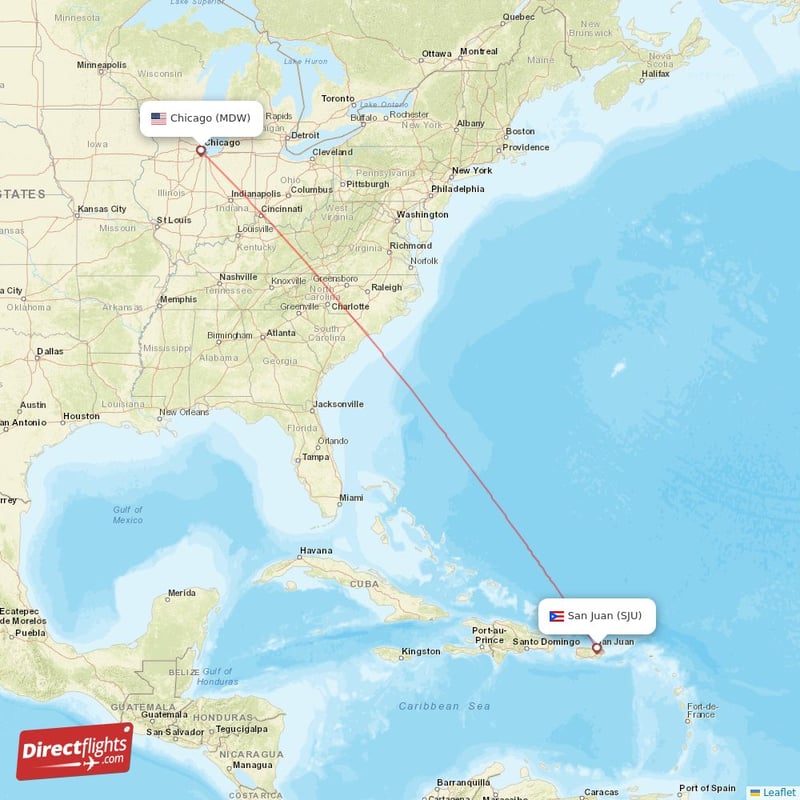
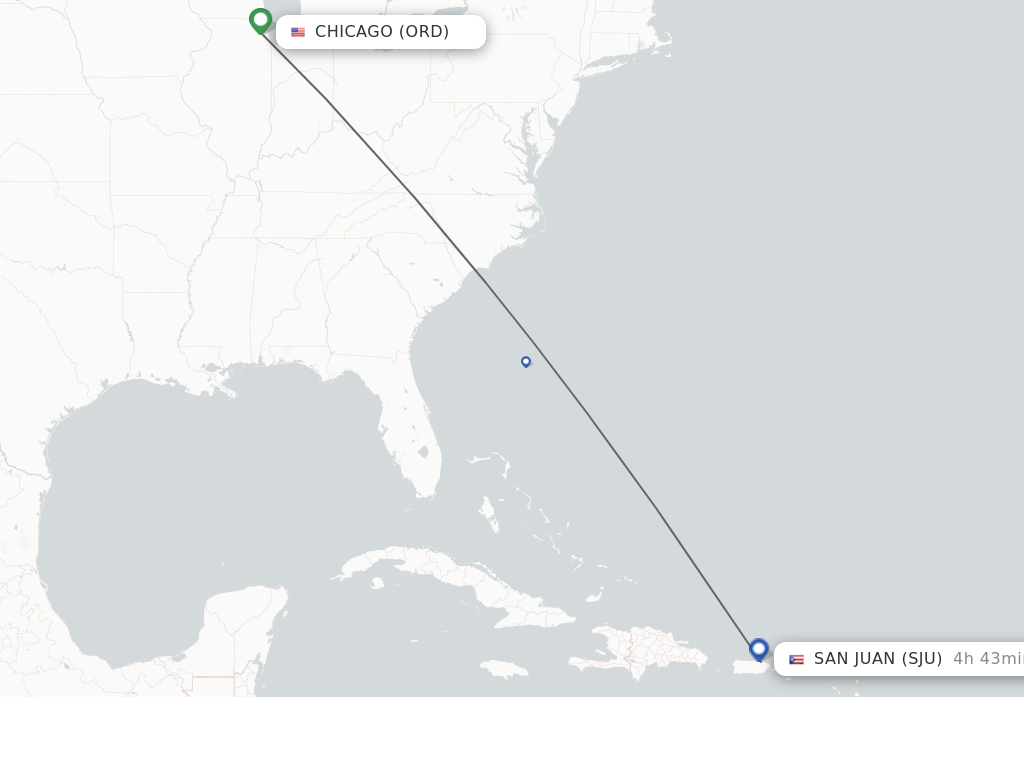
Passengers departing from Chicago primarily utilize O’Hare International Airport (ORD), one of the world’s busiest air hubs, or, less frequently, Midway International Airport (MDW) for flights heading southeast. Direct flights from ORD to Luis Muñoz Marín International Airport (SJU) in San Juan, Puerto Rico, typically range from 4 hours and 30 minutes to 5 hours and 30 minutes.
Airlines such as United Airlines, American Airlines, Spirit Airlines, and Frontier Airlines frequently offer direct routes on this popular trajectory. The geographical distance between Chicago and San Juan is approximately 2,040 miles (about 3,280 kilometers), making it a mid-range international flight that is comfortably handled by narrow-body aircraft. This relatively swift journey means travelers can depart in the morning from the Midwest and be enjoying the Caribbean sun by early afternoon.
Factors Influencing Flight Time
While an average range is provided for direct flights, several variables can subtly, or sometimes significantly, alter the actual time spent in the air. Understanding these elements can help set realistic expectations for your travel day.
Aircraft Type and Speed
The specific model of aircraft used for the flight plays a role in its duration. Modern airliners, such as the Boeing 737 series or the Airbus A320 family, are workhorses of domestic and near-international routes. While their cruising speeds are generally comparable, slight variations exist. A newer, more fuel-efficient model might be able to maintain a slightly faster average ground speed under optimal conditions, shaving a few minutes off the total flight time. Similarly, the aircraft’s size and passenger load can indirectly affect how quickly it can climb to cruising altitude and adhere to a tight flight path.
Weather Conditions
Perhaps one of the most unpredictable factors affecting flight duration is the weather. Headwinds – strong winds blowing against the direction of the aircraft’s travel – can increase flight time by requiring the aircraft to expend more energy and spend longer in the air to cover the same distance. Conversely, tailwinds, which blow in the same direction as the aircraft, can propel it forward, reducing travel time. Thunderstorms, turbulence, or other adverse weather phenomena in either Chicago, en route, or near San Juan can necessitate re-routing, leading to longer flight paths and, consequently, extended flight times. Pilots and air traffic controllers constantly monitor these conditions and adjust flight plans for safety and efficiency.
Air Traffic Control (ATC) and Route Optimization
The global air traffic network is an intricate system, managed by Air Traffic Control (ATC). While airlines aim for the most direct route between two points, ATC directives are paramount for safety and to manage congestion. Airspace restrictions, military operations, or heavy traffic volumes around major hubs like ORD or SJU can lead to delays in departure, holding patterns upon arrival, or minor deviations from the optimal flight path. These “vectors” can add anywhere from a few minutes to half an hour or more to the journey. Airlines also strategically plan their routes, factoring in known busy corridors and aiming for optimized paths that balance fuel efficiency with time.
Airline Specific Scheduling
Each airline sets its “block time” for a specific route, which is the total scheduled time from gate departure at the origin to gate arrival at the destination. This block time often includes buffer minutes to account for minor delays, taxiing, and potential air traffic holding patterns. Therefore, even for the same route, different airlines might list slightly varied flight durations on their schedules. This buffer is designed to enhance on-time performance statistics, making it appear as though a flight is “early” when it arrives within its allocated block time, even if the actual airtime was shorter.
Connecting Flights: An Alternative Perspective
While direct flights are preferred for their speed, connecting flights offer an alternative for travelers, often presenting more flexibility in departure times or potentially lower fares. However, this convenience comes at the cost of a significantly longer total travel time.
Common Layover Hubs and Total Travel Time
For those opting for a flight with a layover, the total journey from Chicago to Puerto Rico can extend considerably. Common connecting hubs for this route are major airports located in the southeastern United States. These include Hartsfield-Jackson Atlanta International Airport (Atlanta, ATL), Charlotte Douglas International Airport (Charlotte, CLT), Miami International Airport (Miami, MIA), Fort Lauderdale-Hollywood International Airport (Fort Lauderdale, FLL), and Orlando International Airport (Orlando, MCO).
The total travel time for a connecting flight can range anywhere from 6 to 8 hours for optimally timed connections, extending to 10-12 hours or even more if the layover is longer or involves multiple stops. The length of the layover itself is the primary determinant of the overall travel duration, adding anywhere from an hour to several hours between flights. When selecting a connecting flight, it’s essential to consider the minimum connection time recommended by the airline and airport, particularly when transferring between different terminals or airlines.
Advantages and Disadvantages of Connecting Flights
The primary advantage of connecting flights often lies in their cost-effectiveness. Tickets with one or more stops can sometimes be significantly cheaper than direct flights, especially during peak travel seasons. They also offer greater flexibility in scheduling, as there are typically more options for flights with layovers throughout the day. This can be beneficial for travelers with less rigid schedules or those looking to depart at specific times.
However, the disadvantages are equally apparent. The most significant is the increased total travel time, which can be tiresome, especially for families or those with limited time off. There’s also an elevated risk of delays or missed connections, particularly if the first leg of the journey is late, which could lead to rebooking challenges and further extensions of travel time. Additionally, the need to navigate multiple airports and transfer luggage can add an extra layer of stress and logistical complexity to the journey.
Preparing for Your Flight: Tips for a Smooth Journey
Regardless of whether you choose a direct or connecting flight, a well-prepared traveler ensures a smoother and more enjoyable journey.
Booking Strategies
Booking your flight well in advance, typically 2-4 months before your desired travel date, can often secure better fares, especially for direct flights which tend to fill up quickly. Using reputable airline websites or trusted online travel agencies ensures transparency in pricing and schedules. When comparing options, always look at the total travel time, including layovers, and consider the reputation of the airlines for punctuality and service. Opting for airlines that have a strong track record on the Chicago to San Juan route can mitigate potential frustrations.
In-flight Comfort
A flight of 4.5 to 5.5 hours is long enough to warrant attention to in-flight comfort. Consider selecting a seat that meets your preferences, whether it’s an aisle for easy movement, a window for views, or an exit row for extra legroom. Packing a small bag with essentials like a travel pillow, eye mask, noise-canceling headphones, and a good book or downloaded entertainment can significantly enhance the experience. Stay hydrated by drinking plenty of water, and avoid excessive caffeine or alcohol. Light snacks can also be a good idea, as airline meal services on these routes can be minimal.
Airport Logistics
Arriving at O’Hare or Midway well in advance of your departure time (at least 2-3 hours for domestic flights, more for international if required, though Puerto Rico is a U.S. territory) is always recommended. This allows ample time for check-in, baggage drop, and navigating security checkpoints, which can sometimes be unexpectedly long. Familiarize yourself with the airport layout, especially if departing from the vast terminals of ORD. Upon arrival at SJU, follow signs for baggage claim and ground transportation. While Puerto Rico is a U.S. territory, remember to have your identification readily available, though you won’t pass through traditional immigration controls.

A Glimpse of the Destination
The flight journey from Chicago to Puerto Rico is a gateway to a vibrant island renowned for its rich history, stunning beaches, and unique blend of Spanish and American cultures. With efficient direct flights, the transition from urban sprawl to tropical serenity is remarkably swift, making Puerto Rico an accessible and appealing destination for a refreshing escape.
LifeOutOfTheBox is a participant in the Amazon Services LLC Associates Program, an affiliate advertising program designed to provide a means for sites to earn advertising fees by advertising and linking to Amazon.com. Amazon, the Amazon logo, AmazonSupply, and the AmazonSupply logo are trademarks of Amazon.com, Inc. or its affiliates. As an Amazon Associate we earn affiliate commissions from qualifying purchases.