
Embarking on a journey from the bustling metropolis of Chicago to the ancient, eternal city of Rome is a quintessential transatlantic experience for many travelers. While the allure of Roman history, culture, and cuisine is undeniable, a common initial question for prospective visitors from the United States is often pragmatic: exactly how long does it take to get there? The answer isn’t a single, fixed number, but rather a range influenced by several crucial factors, primarily whether you opt for a direct flight or one with layovers, and the specific airline chosen.

Understanding the Flight Path: Chicago to Rome
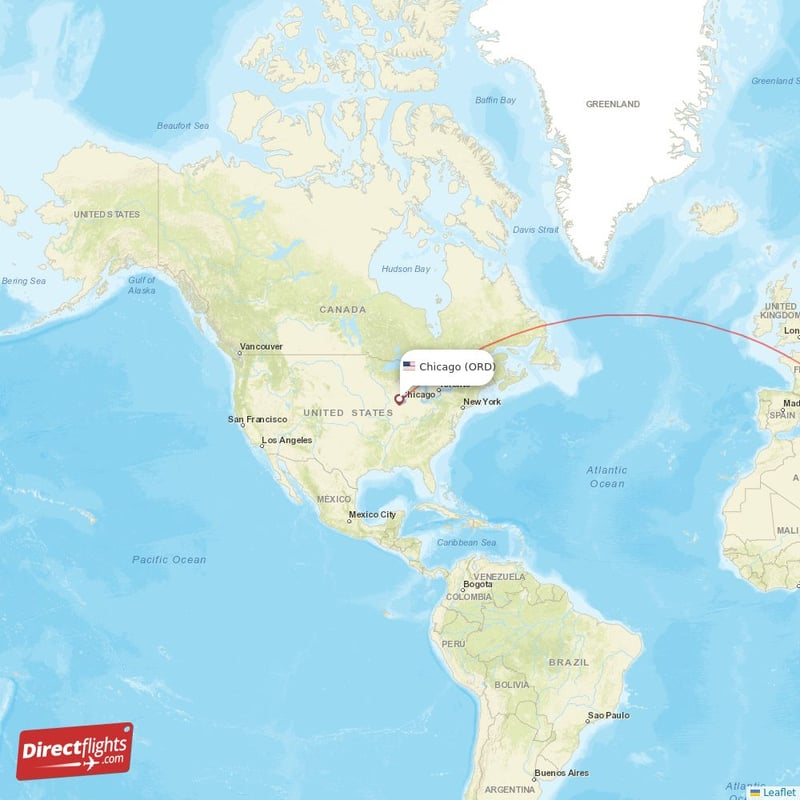
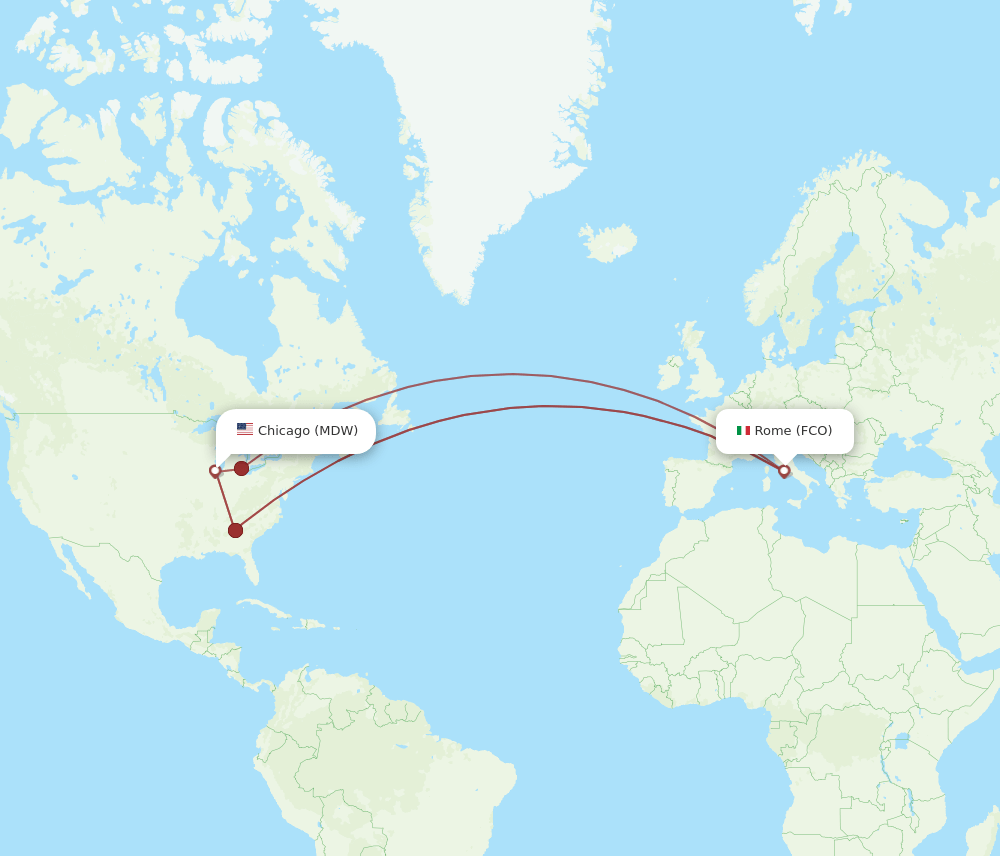
The aerial distance between Chicago’s O’Hare International Airport (ORD) and Rome’s Leonardo da Vinci-Fiumicino Airport (FCO) spans approximately 4,500 nautical miles (around 5,178 statute miles or 8,333 kilometers). This significant distance places the journey firmly in the long-haul category, requiring careful planning for comfort and efficiency.
Direct vs. Connecting Flights
The most significant determinant of your total travel time will be the presence of layovers.
- Direct Flights: While less common than connecting options, direct flights between Chicago and Rome do exist, particularly during peak travel seasons or with specific carriers. A non-stop flight typically clocks in at around 9 to 10 hours in the air. This is by far the fastest way to traverse the Atlantic and reach the Italian capital. The advantages are obvious: minimal time spent in airports, no worries about missed connections, and a quicker arrival at your destination. However, these flights can sometimes be more expensive and may not be available every day of the week, depending on the airline’s schedule.
- Connecting Flights: The vast majority of travelers from Chicago to Rome will utilize connecting flights. These involve one or more stops, usually in a major airline hub city in the US or Europe. The total travel time for connecting flights can vary widely, ranging from 12 to 18 hours or more, including layover times. While longer, connecting flights often offer greater flexibility in terms of departure times, airline choices, and potentially more competitive pricing. The duration of the layover itself is a critical factor here; a quick 1-2 hour connection will add far less to your total travel time than a longer 4-6 hour layover or an overnight stay.
Factors Influencing Flight Duration
Beyond direct vs. connecting, several other elements can subtly, or sometimes significantly, impact the duration of your flight:
- Aircraft Type: Modern, fuel-efficient wide-body jets like the Boeing 787 Dreamliner or Airbus A350 often have slightly faster cruising speeds and more direct routing capabilities compared to older models, potentially shaving a few minutes off the total flight time.
- Wind Conditions (Jet Stream): Flights from west to east (e.g., Chicago to Rome) often benefit from the powerful transatlantic jet stream, which provides a tailwind, effectively pushing the aircraft and reducing flight time. Conversely, flights from east to west can face headwinds, making the journey longer. This effect can lead to differences of an hour or more between outbound and return flights.
- Air Traffic Control & Route Optimization: Air traffic congestion around major hubs and the most efficient flight paths (which can change due to weather or geopolitical considerations) play a role. Airlines constantly optimize routes for fuel efficiency and speed, but unexpected delays can occur.
- Gate Delays & Taxi Time: While not part of the “flight” duration itself, the time spent taxiing to the runway at O’Hare or after landing at Fiumicino, as well as any delays at the gate, contributes to the overall travel experience and can add 30-60 minutes to your journey.
Key Airlines and Typical Routings
Many major airlines operate routes that can take you from Chicago to Rome, though most will involve a stop. Understanding the common hubs can help you plan your itinerary.
Major Hubs and Layover Cities
If you’re flying with a layover, you’ll likely pass through one of these prominent US or European airports:
- US Hubs: New York (JFK or Newark), Atlanta, Charlotte, Philadelphia, Washington D.C. (Dulles). These hubs serve as connecting points for domestic flights to transatlantic services.
- European Hubs: This is where the majority of international connections occur. Popular cities include:
Connecting through these cities allows for a vast network of flights to Rome, often on the same airline or a partner airline within an alliance (e.g., Star Alliance, SkyTeam, Oneworld).
Popular Carrier Options
Several major airlines offer routes from Chicago to Rome with varying connection points:
- United Airlines: As a major carrier at O’Hare, United often offers direct seasonal flights or connections through its hubs like Newark (EWR) or Washington Dulles (IAD).
- American Airlines: Another dominant presence at ORD, American typically connects through Philadelphia (PHL), Charlotte (CLT), or New York (JFK). They also partner with British Airways for connections via London Heathrow (LHR).
- Delta Air Lines: While not a hub for Delta, flights from Chicago often connect through their major hubs like Atlanta (ATL), Detroit (DTW), or New York (JFK), before continuing to Rome.
- Lufthansa, KLM, Air France, British Airways: These European carriers are excellent options, offering connections through their respective hubs mentioned above. They provide a high standard of service for transatlantic travel.
- ITA Airways: As Italy’s flag carrier, ITA Airways might offer direct routes or efficient connections, often from US East Coast gateways, making them a strong contender for travel to Rome.
When booking, it’s wise to compare not just the overall price but also the total travel time, including layovers, and the reputation of the connecting airports for efficiency and ease of transfer.
Optimizing Your Long-Haul Journey
A flight spanning 9 to 18 hours requires more than just booking a ticket; it demands preparation to ensure a comfortable and healthy arrival.
Preparing for a Transatlantic Flight
- Book Smart: Consider the time of day for your arrival in Rome. Arriving in the late afternoon or early evening allows for check-in and a light dinner before a full night’s sleep, aiding jet lag adjustment.
- Choose Your Seat Wisely: For long flights, selecting a seat with more legroom (e.g., exit row, bulkhead, or premium economy) can make a significant difference. If you’re traveling as a couple, consider a window and aisle seat in a three-seat row; often, the middle seat remains empty, granting extra space.
- Pack Essentials in Your Carry-On: This includes comfortable layers of clothing, a neck pillow, eye mask, noise-canceling headphones, essential medications, toiletries (moisturizer, lip balm), a refillable water bottle, and entertainment (books, loaded devices).
- Wear Comfortable Clothing: Opt for loose-fitting, breathable fabrics. Compression socks are also highly recommended to aid circulation and prevent swelling.
- Stay Hydrated: Aircraft cabins have very low humidity. Drink plenty of water before, during, and after your flight. Limit caffeine and alcohol, as they can contribute to dehydration and disrupt sleep.
- Move Around: To prevent deep vein thrombosis (DVT) and reduce stiffness, get up and walk around the cabin every couple of hours. Perform simple stretches in your seat.
Managing Jet Lag
Jet lag is almost inevitable when crossing multiple time zones. Rome is typically 7 hours ahead of Chicago (Central Time). Here’s how to mitigate its effects:
- Adjust Before You Fly: A few days before departure, try to gradually shift your sleep schedule closer to Rome’s time zone.
- Onboard Strategy: Set your watch to Rome time as soon as you board. Try to sleep on the plane if it aligns with nighttime in Rome. Use an eye mask and earplugs.
- Upon Arrival:
- Embrace Sunlight: Maximize exposure to natural light, especially in the morning, to help reset your internal clock.
- Stay Active: Engage in light activity rather than napping immediately, even if you feel tired.
- Eat Local Meals: Try to eat meals at appropriate Rome mealtimes, even if you’re not hungry.
- Resist Napping: If you must nap, keep it short (20-30 minutes) and avoid napping too late in the afternoon. The goal is to get a full night’s sleep in sync with the local time.
What to Expect Upon Arrival in Rome
Your long journey concludes at Leonardo da Vinci-Fiumicino Airport (FCO), Rome’s main international gateway. FCO is a large, modern airport with good connections to the city center.
- Customs and Immigration: As you arrive from outside the Schengen Area, you’ll proceed through immigration. Have your passport ready. The process is generally straightforward but can take time depending on passenger volume.
- Luggage Claim: After immigration, collect your checked luggage.
- Getting to the City Center:
- Leonardo Express: This non-stop train service runs every 15-30 minutes directly from Fiumicino to Rome’s central Termini Station. The journey takes approximately 32 minutes and is often the quickest and most reliable option.
- Regional Trains: Slower, but more economical, regional trains (FL1 line) connect Fiumicino to other Rome stations like Trastevere and Ostiense, but do not go to Termini.
- Taxis: Official white taxis are available outside the terminal. Ensure you use licensed taxis with fixed rates for journeys to the city center.
- Shuttle Buses: Several bus companies offer routes from Fiumicino to Termini Station and other key areas, usually the most budget-friendly option, though potentially slower due to traffic.
Once you’ve settled into your accommodation, the wonders of Rome await. From the ancient grandeur of the Colosseum and Roman Forum to the sacred serenity of Vatican City and the charming chaos around the Trevi Fountain, every corner tells a story. The initial lengthy flight from Chicago will quickly fade into memory as you immerse yourself in the vibrant history and culture of this magnificent destination.
LifeOutOfTheBox is a participant in the Amazon Services LLC Associates Program, an affiliate advertising program designed to provide a means for sites to earn advertising fees by advertising and linking to Amazon.com. Amazon, the Amazon logo, AmazonSupply, and the AmazonSupply logo are trademarks of Amazon.com, Inc. or its affiliates. As an Amazon Associate we earn affiliate commissions from qualifying purchases.