
Embarking on a journey from the bustling heart of Chicago, United States, to the vibrant metropolis of Tokyo, Japan, is a significant undertaking, bridging nearly half the globe. This trans-Pacific flight connects North America with Asia, promising an adventure across continents and time zones. For any traveler planning this expedition, the most pressing question often revolves around one crucial factor: flight duration. Understanding how long you’ll spend in the air is paramount for effective trip planning, managing expectations, and preparing for the unique challenges of long-haul travel.
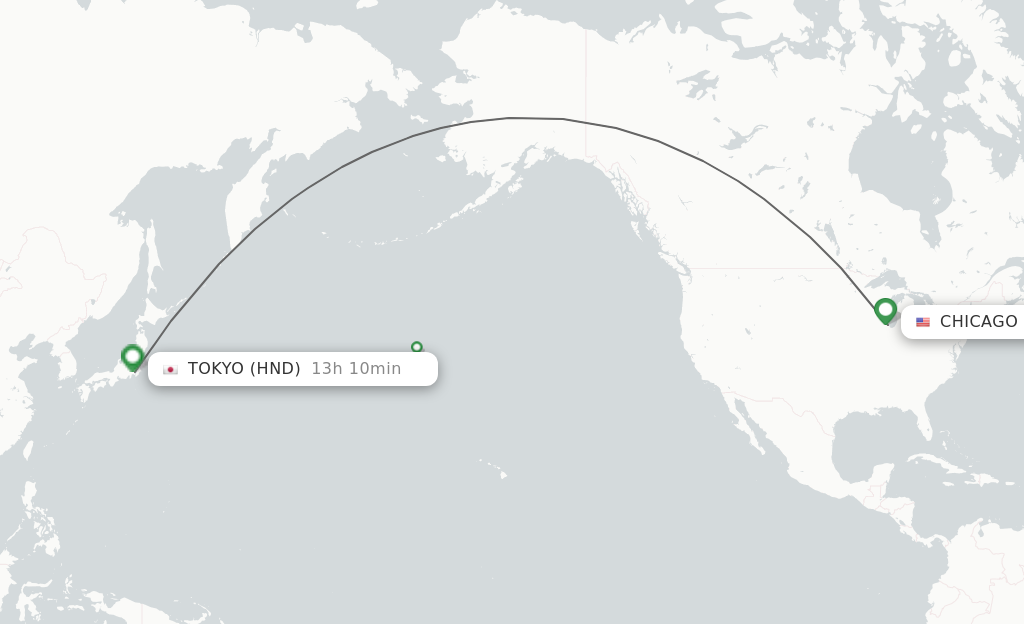
The simple answer, while helpful, doesn’t capture the full picture. A direct flight from Chicago’s O’Hare International Airport (ORD) to Tokyo’s primary international gateways, Narita International Airport (NRT) or Haneda Airport (HND), typically ranges from 12 hours to 13 hours and 30 minutes. However, this is merely an average. Several variables can influence the actual time spent aloft, from the specific airline and aircraft model to prevailing weather conditions and the chosen flight path. This comprehensive guide will delve into these factors, offering insights to help you prepare for and master this epic aerial voyage.
Unpacking the Direct Flight Duration
The allure of a non-stop flight from Chicago to Tokyo lies in its efficiency and minimal disruption. Bypassing layovers not only shaves off considerable travel time but also reduces the potential for delays associated with connecting flights and airport transfers.
The Non-Stop Advantage: Speed and Efficiency
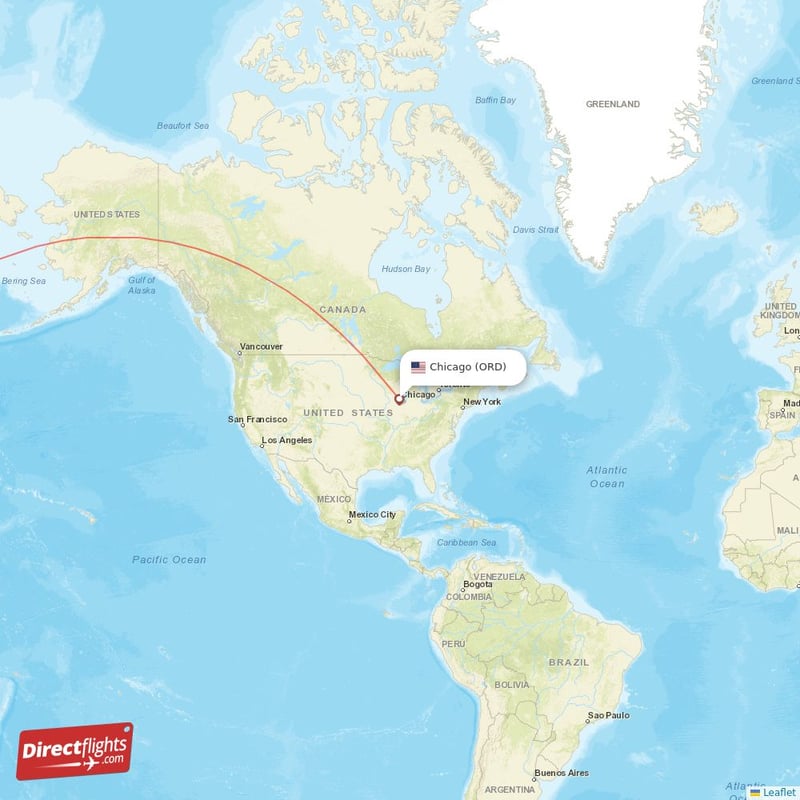
For travelers prioritizing speed and convenience, non-stop flights are the preferred option. Airlines flying this route typically employ modern wide-body aircraft designed for ultra-long-haul journeys, such as the Boeing 787 Dreamliner, Boeing 777, or Airbus A350. These aircraft are known for their fuel efficiency, extended range, and enhanced passenger comfort, which includes better cabin pressurization and humidity levels to mitigate fatigue. The flight path usually follows a Great Circle Route, which is the shortest distance between two points on a sphere, often taking planes over parts of Alaska and Siberia when traversing the Pacific Ocean. This route minimizes the actual nautical miles covered, contributing to the most efficient flight time. The average non-stop flight duration of approximately 12.5 to 13 hours is a testament to advanced aviation technology and precise flight planning.
Common Carriers and Their Routes
Several major airlines operate or have historically operated direct flights or codeshare options on this route. Carriers like United Airlines, Japan Airlines, and All Nippon Airways (ANA) are prominent players. While specific schedules can change, these airlines typically offer a consistent service, connecting O’Hare International Airport (ORD) directly to either Narita International Airport (NRT), historically Tokyo’s main international hub, or increasingly, to the more centrally located Haneda Airport (HND), which serves both domestic and international traffic. The choice of arrival airport in Tokyo can slightly affect overall journey time due to different ground handling procedures and taxiing times, but the flight duration itself remains largely similar.
Factors That Shape Your Journey’s Length
While the average non-stop flight time provides a good baseline, it’s crucial to understand the dynamic elements that can cause fluctuations. These factors are continuously monitored by flight crews and air traffic controllers to ensure safety and efficiency.
Aircraft Performance and Route Optimization
Different aircraft models, even those in the same class (e.g., wide-body jets), have varying cruising speeds and operational efficiencies. A newer, more aerodynamically advanced aircraft might shave a few minutes off a flight compared to an older model. Furthermore, airlines continuously optimize their flight paths using sophisticated software that considers factors like fuel consumption, air traffic, and real-time weather data. These optimizations can lead to slightly different routes day by day, impacting total air time.
Atmospheric Dynamics: Winds and Weather
One of the most significant variables affecting flight duration is wind. The Pacific Ocean is known for powerful jet streams—high-altitude, fast-moving air currents.
When flying eastbound (from Tokyo to Chicago), aircraft can often ride these strong tailwinds, significantly reducing flight time, sometimes by an hour or more. Conversely, flying westbound (from Chicago to Tokyo), planes often encounter headwinds, which can increase flight duration. These headwinds force the aircraft to consume more fuel and exert more power to maintain ground speed, extending the journey. Severe weather systems, such as strong thunderstorms or winter storms, can also necessitate diversions or changes in altitude, adding to the flight time.
Air Traffic Management and Flight Paths
The density of air traffic, particularly around major international hubs like Chicago and Tokyo, can lead to minor delays. Air traffic control (ATC) manages the flow of aircraft to prevent congestion, which can result in holding patterns before landing or delayed take-offs. While usually brief, these instances can add a few minutes to the overall travel time. Additionally, geopolitical considerations or military airspace restrictions can occasionally force slight deviations from the most direct route, though this is less common on established trans-Pacific corridors.
The Layover Variable: Connecting Flights and Extended Travel
For travelers opting for connecting flights, the journey duration extends significantly. While often more economical, these routes can range from 16 to 25 hours or even longer, depending on the layover city, the duration of the stop, and the number of connections. Common layover cities for flights from Chicago to Tokyo include other major North American hubs like San Francisco, Los Angeles, Seattle, or even cities in Canada or elsewhere in Asia. When factoring in layovers, it’s not just the flight time that increases, but also the total “door-to-door” travel time, which includes navigating airports, security checks, and potential delays at connecting points.
Mastering the Long-Haul Experience
A flight of 12-13 hours is a marathon, not a sprint. Preparing for such a journey involves more than just packing your bags; it requires a strategic approach to ensure comfort, well-being, and a smooth transition upon arrival.
Preparing for a Trans-Pacific Flight
Before you even step on the plane, consider how to optimize your experience. Dress in comfortable, layered clothing suitable for varying cabin temperatures. Stay hydrated in the days leading up to your flight and avoid excessive caffeine or alcohol, which can contribute to dehydration. Pack essential comfort items in your carry-on, such as a neck pillow, eye mask, earplugs/noise-canceling headphones, and any necessary medications. Downloading movies, e-books, or podcasts to your personal devices can provide a welcome alternative to in-flight entertainment.
In-Flight Well-being and Entertainment
Once airborne, make conscious efforts to maintain your comfort. Utilize the in-flight entertainment system, but also take breaks from screens. Walk around the cabin regularly (when permitted) to promote circulation and prevent stiffness. Perform simple stretches in your seat. Drink plenty of water throughout the flight. Most long-haul airlines offer meal services, but it’s wise to pack some healthy snacks to supplement, especially if you have dietary preferences or restrictions. Trying to adjust your sleep schedule to Tokyo time (which is 14 hours ahead of Chicago during standard time) while on the plane can also aid in jet lag recovery.
Conquering Jet Lag Upon Arrival in Tokyo
Jet lag is an inevitable companion on a journey spanning 14 time zones. Strategies to combat it begin before you land. Upon arrival in Tokyo, try to immerse yourself in the local time zone immediately. If it’s daytime, expose yourself to natural light, stay active, and resist the urge to nap for too long. If it’s nighttime, try to get a full night’s sleep. Stick to a regular meal schedule according to local time. Gradually, your body’s circadian rhythm will adjust.
Planning Your Trip: Beyond Just Flight Time
Beyond the flight itself, several other logistical considerations contribute to a successful and enjoyable journey from Chicago to Tokyo.
Strategic Booking: Timing and Cost Considerations
The cost of a flight can vary wildly depending on the time of year, how far in advance you book, and current demand. Peak travel seasons for Japan often coincide with cherry blossom season (spring) and autumn foliage, as well as major holidays. Booking 3-6 months in advance generally yields better prices for international long-haul flights. Using flight comparison websites and setting price alerts can help you secure the best deals. Be flexible with your travel dates if possible, as flying mid-week or during off-peak hours can sometimes be cheaper.
Understanding Fare Classes and Airline Services
Airlines offer various fare classes, from economy to business and first class, each with different price points and amenities. While economy class is the most budget-friendly, business and first-class cabins offer significantly more space, lie-flat seats, enhanced dining, and superior service, which can make a 12-hour flight much more tolerable. Even within economy, some airlines offer “economy plus” or “premium economy” options with extra legroom and slightly upgraded services for an additional fee, providing a comfortable middle ground. Consider what level of comfort is worth the investment for such a lengthy journey.
Essential Travel Logistics and Documentation
Ensure your passport is valid for at least six months beyond your intended stay in Japan. For most short-term tourist stays, United States citizens do not need a visa for Japan, but always check the latest entry requirements before your trip, as regulations can change. It’s also wise to consider travel insurance to cover unforeseen circumstances like flight delays, cancellations, or medical emergencies. Familiarize yourself with Japan’s customs regulations, especially regarding what you can and cannot bring into the country.
Arrival in Japan: What to Expect
The final leg of your journey involves navigating Tokyo’s efficient but often vast airports and making your way into the city.
Navigating Tokyo’s Airports (Narita vs. Haneda)
As mentioned, you will likely arrive at either Narita International Airport (NRT) or Haneda Airport (HND). Narita is further from central Tokyo, about 60-90 minutes by train (e.g., Narita Express or Keisei Skyliner), while Haneda is significantly closer, roughly 20-40 minutes by train (e.g., Keikyu Line or Tokyo Monorail). Both airports are well-connected and offer various transportation options, including buses and taxis. Researching your arrival airport and preferred mode of transport beforehand will save time and stress after a long flight.
Initial Impressions and Getting Around
Upon clearing customs and immigration, you’ll immediately experience the efficiency and politeness characteristic of Japan. The public transportation system in Tokyo is world-class, making it easy to navigate the city. Consider purchasing a Japan Rail Pass if you plan extensive train travel outside Tokyo, or an IC card (like Suica or Pasmo) for convenient travel within the city. Armed with these details, your flight from Chicago to Tokyo, though long, will be a well-prepared and exciting beginning to your Japanese adventure.
LifeOutOfTheBox is a participant in the Amazon Services LLC Associates Program, an affiliate advertising program designed to provide a means for sites to earn advertising fees by advertising and linking to Amazon.com. Amazon, the Amazon logo, AmazonSupply, and the AmazonSupply logo are trademarks of Amazon.com, Inc. or its affiliates. As an Amazon Associate we earn affiliate commissions from qualifying purchases.