
The route connecting the Mile High City of Denver to the sun-drenched sprawl of Los Angeles is one of the most popular corridors in the United States. Whether you are a business traveler heading to a conference, an adventurer chasing the Pacific waves, or a family planning a trip to a theme park, understanding the logistics of this flight is essential for a seamless journey. While the physical distance is relatively short, several factors—from air traffic patterns to airline operations—determine exactly how much time you will spend in the air.
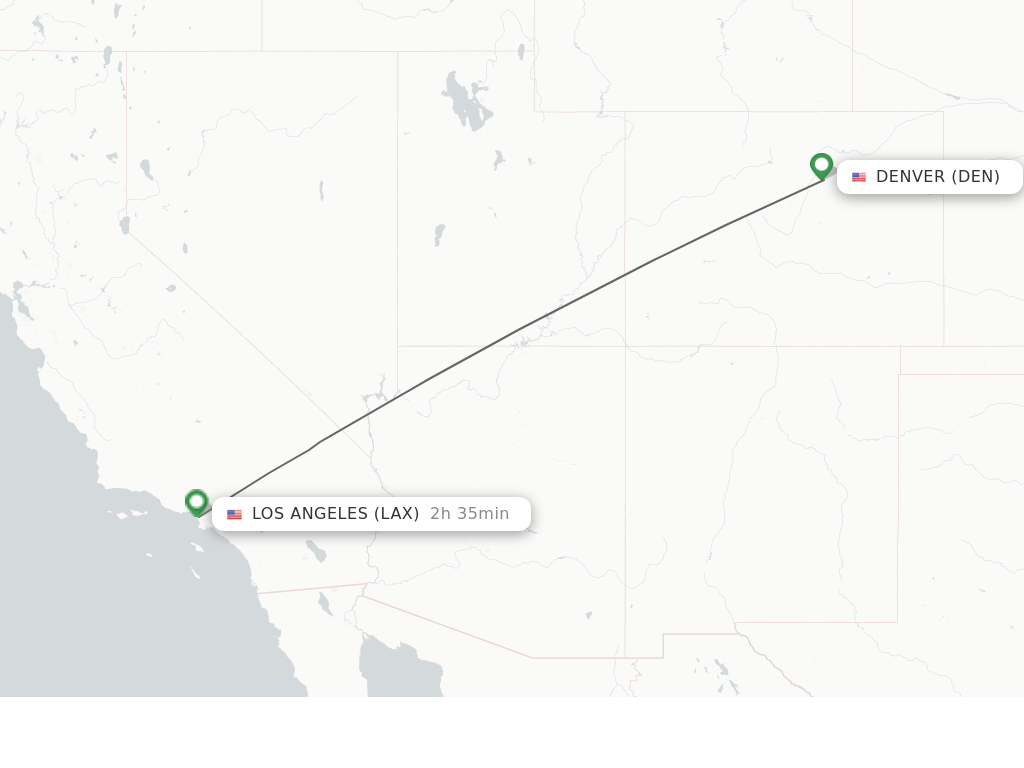
Understanding the Flight Duration
On average, a non-stop flight from Denver International Airport (DEN) to Los Angeles International Airport (LAX) takes approximately 2 hours and 30 minutes to 2 hours and 45 minutes. While this may seem straightforward, the actual time spent in the air can fluctuate based on a few key variables.
The Impact of Jet Streams and Wind
The most significant factor affecting flight duration is the wind. Because air travel in the Northern Hemisphere is heavily influenced by the jet stream—a high-altitude current of fast-moving air—flights heading west often face a “headwind.” When flying from Colorado to California, planes are fighting against this prevailing wind, which can add 10 to 20 minutes to the total flight time. Conversely, the return trip from the West Coast back to the Rockies often benefits from a tailwind, which can shorten the duration significantly, sometimes clocking in at under two hours and fifteen minutes.
Taxi Times and Air Traffic Control
While the flight time is the time spent in the air, the “gate-to-gate” time is usually longer. Denver International Airport is the largest airport in North America by land area, which means your plane may have a longer taxi time from the gate to the runway. Similarly, Los Angeles International Airport is notorious for its dense air traffic and congestion on the tarmac. Expect to add at least 30 to 45 minutes to your total travel time to account for taxiing, takeoff, and landing procedures.
Navigating Major Airlines and Schedules
Numerous carriers operate this route, providing travelers with significant flexibility in terms of pricing and timing. Because this is such a high-traffic lane, frequency is rarely an issue; you can find multiple departures throughout the day, allowing you to maximize your time in either city.
Full-Service Carriers vs. Budget Options
Major airlines like United Airlines, Delta Air Lines, and American Airlines maintain a strong presence at both Denver International Airport and Los Angeles International Airport. These carriers generally offer a more standardized experience with higher flight frequencies.
On the other hand, budget-friendly options like Southwest Airlines or Frontier Airlines offer competitive pricing. When selecting your flight, remember to account for the total experience. Budget carriers may utilize different concourses or terminals that could slightly impact the ease of transit once you land. Always check the departure and arrival terminals, as Los Angeles International Airport is massive and walking between terminals can be time-consuming.

Timing Your Departure
If you are sensitive to delays, experts recommend booking the earliest flight of the day. As air traffic builds up across the country throughout the morning, the risk of “ripple effect” delays—where a delay in one city causes a domino effect on subsequent flights—increases. By departing Denver in the early morning, you minimize the likelihood of encountering the afternoon air traffic congestion often found at major hubs like Los Angeles International Airport.
Planning for Arrival: From LAX to the City
Once you land in California, your journey isn’t quite over. Depending on your final destination, the time it takes to leave the airport can be significant.
Ground Transportation and Traffic
Los Angeles is famous for its traffic, and Los Angeles International Airport is located on the west side of the city. If you are heading to Downtown Los Angeles, Hollywood, or Santa Monica, the travel time from the airport can range anywhere from 45 minutes to nearly two hours, depending on the time of day.
- Peak Hours: If you arrive between 7:00 AM and 10:00 AM or 3:00 PM and 7:00 PM, anticipate heavy traffic on the 405 or 105 freeways.
- Off-Peak: Arriving late at night or mid-day on a weekend can save you substantial time.
Choosing Your Arrival Time
When booking your flight, consider where you are staying. If you are heading to Anaheim or other parts of Orange County, you might find that arriving at John Wayne Airport is more convenient than Los Angeles International Airport, even if it requires a connection. However, for most travelers heading to the heart of the city, the non-stop route from Denver remains the most efficient choice despite potential airport traffic.

Final Travel Tips for the Journey
To ensure the smoothest travel experience, keep these considerations in mind before you head to the gate:
- Check-In Early: Even if you have TSA PreCheck, arriving at Denver International Airport at least 90 minutes before your domestic flight is recommended due to the airport’s layout and security line variations.
- Stay Hydrated: The flight from Denver to Los Angeles involves transitioning from high-altitude, dry mountain air to the coastal climate of California. Drinking plenty of water during the flight helps with altitude adjustment and reduces the fatigue associated with air travel.
- Monitor Your Flight: Use your airline’s mobile app to track flight status in real-time. Airlines are generally good at providing updates regarding gate changes or unexpected delays, and having this information at your fingertips allows you to adjust your travel plans accordingly.
- Consider Your Luggage: Since you are traveling between two major metropolitan areas, remember that standard baggage policies apply. Ensure you are aware of your carrier’s carry-on versus checked bag rules to avoid unexpected fees at the gate.
The flight from Denver to Los Angeles is a relatively quick trip, bridging the gap between the majestic peaks of the Rocky Mountains and the iconic shores of the Pacific Ocean. While you should budget roughly 2.5 hours of flight time, keeping the nuances of wind patterns, ground traffic, and airport logistics in mind will help you plan your itinerary with confidence. Whether you are traveling for the bustling Hollywood scene or the serene coastal views, this route is the gateway to your next West Coast adventure.
LifeOutOfTheBox is a participant in the Amazon Services LLC Associates Program, an affiliate advertising program designed to provide a means for sites to earn advertising fees by advertising and linking to Amazon.com. Amazon, the Amazon logo, AmazonSupply, and the AmazonSupply logo are trademarks of Amazon.com, Inc. or its affiliates. As an Amazon Associate we earn affiliate commissions from qualifying purchases.