
Embarking on a journey from the heart of the Midwest, Detroit, to the idyllic shores of Hawaii is an adventure that spans continents and time zones, promising a significant transition from urban landscapes to tropical paradise. The duration of this trans-Pacific flight is a primary consideration for any traveler, shaping expectations and influencing travel plans. While there are no direct flights connecting Detroit Metropolitan Wayne County Airport (DTW) with the Hawaiian Islands, the journey typically involves one or more layovers, extending the total travel time considerably.
Understanding the Journey: The Transcontinental Traverse
The vast expanse separating Michigan from the mid-Pacific archipelago means that a trip to Hawaii is, by definition, a long-haul flight experience. The average distance covered is roughly 4,000 to 4,500 miles, depending on the specific Hawaiian island destination. This immense distance, coupled with the necessity of layovers, places the total travel time firmly in the 11 to 16-hour range, though it can extend further based on various factors.
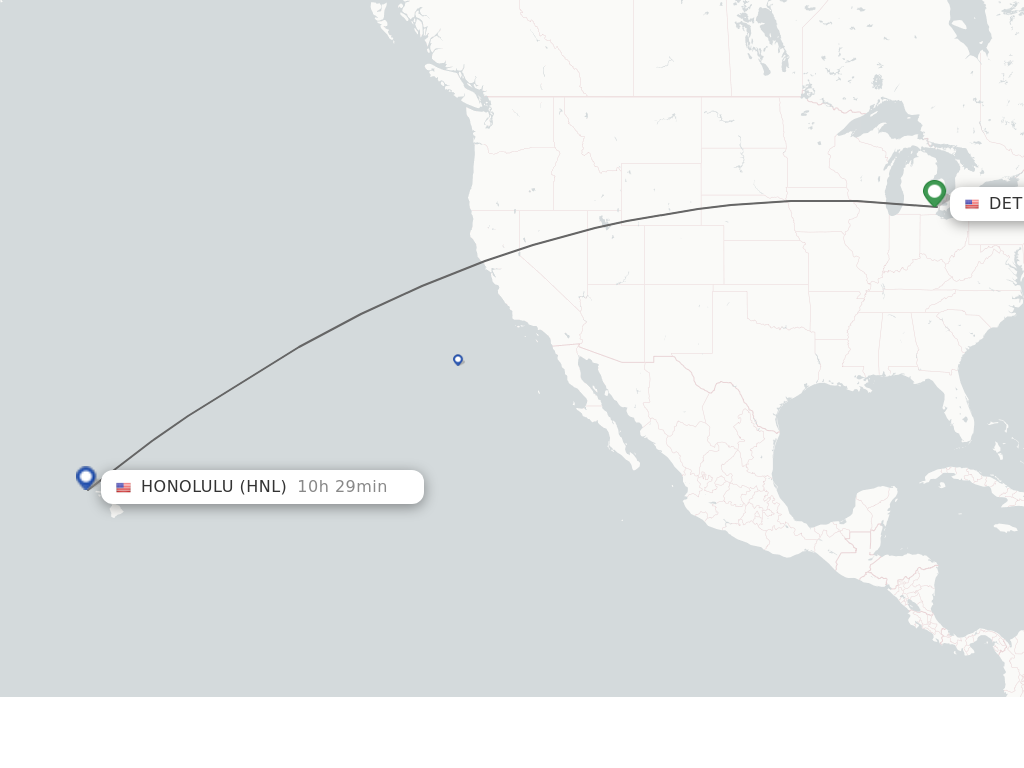
Several elements contribute to the overall flight duration:
- Distance: The sheer mileage from Detroit to destinations like Honolulu (Oahu), Kahului (Maui), Kona (Big Island), or Lihue (Kauai) mandates a lengthy time in the air.
- Air Speed and Route: Commercial jets typically cruise at similar speeds, but specific flight paths, dictated by air traffic control, weather patterns (like prevailing jet streams), and operational considerations, can marginally affect the actual flight time. Flights heading west often take longer due to flying against the jet stream, while eastbound flights can be quicker.
- Number and Duration of Layovers: This is the most significant variable. A single, efficient layover will naturally result in a shorter total travel time compared to itineraries with multiple stops or extended layovers. The connecting city plays a crucial role, with major airline hubs on the West Coast offering the most streamlined connections.
- Aircraft Type: While less impactful than layovers, different aircraft models can have slight variations in cruising speed and efficiency, marginally influencing segment times.
For a typical one-stop journey, travelers can expect the first leg from Detroit to a West Coast hub to last approximately 3.5 to 5 hours. Following a layover, the second leg, the trans-Pacific segment, will add another 5.5 to 6.5 hours of flying time to Hawaii. When factoring in a standard 1.5 to 3-hour layover, the total door-to-door travel time often approaches a full day.
Navigating the Skies: Common Routes and Airlines
Travelers departing from Detroit Metropolitan Wayne County Airport (DTW) have a range of options, primarily involving a stop at a major United States West Coast or Mountain West hub before continuing to the Hawaiian Islands.
Major Departure and Arrival Points
The journey begins at DTW, a large and efficient hub, primarily for Delta Air Lines. From there, flights typically route to one of several popular arrival airports in Hawaii, each serving a different island:
- Daniel K. Inouye International Airport (HNL) in Honolulu, Oahu: The busiest airport, serving as the main gateway to the islands. Many flights from the mainland terminate here.
- Kahului Airport (OGG) in Kahului, Maui: A popular choice for those heading directly to Maui’s resorts and natural beauty.
- Kona International Airport (KOA) in Kona, Big Island: Serves the western side of the Big Island, a destination known for its volcanoes and diverse landscapes.
- Lihue Airport (LIH) in Lihue, Kauai: The main airport for the “Garden Isle,” Kauai, famed for its dramatic cliffs and lush rainforests.
Common Layovers and Airlines
The major airlines facilitate these connections, often leveraging their hubs across the country:
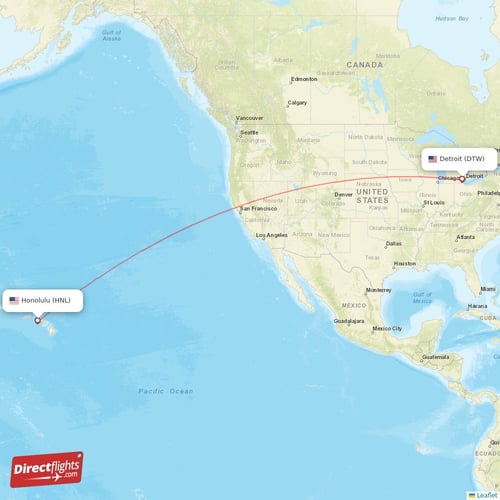
- Delta Air Lines: Given DTW is a Delta hub, many travelers will fly Delta to a West Coast hub like Los Angeles International Airport (LAX), Seattle-Tacoma International Airport (SEA), or Salt Lake City International Airport (SLC) before connecting to Hawaii.
- United Airlines: Often routes through hubs such as Chicago O’Hare International Airport (ORD), Denver International Airport (DEN), San Francisco International Airport (SFO), or Houston George Bush Intercontinental Airport (IAH) on their way to the islands.
- American Airlines: Common layovers include Chicago (ORD), Dallas/Fort Worth International Airport (DFW), or Phoenix Sky Harbor International Airport (PHX) before flying across the Pacific.
- Southwest Airlines: Known for its network, Southwest often connects via California cities like Oakland, Sacramento, or San Jose.
- Alaska Airlines: Typically uses Seattle (SEA) or Portland International Airport (PDX) as connecting points.
The optimal route often balances total travel time with layover efficiency and airline preference. Shorter layovers (90 minutes to 2 hours) are ideal for minimizing overall transit time, but passengers should ensure sufficient time for connections, especially in large, busy airports.
Optimizing Your Long-Haul Flight Experience
A journey of this length requires thoughtful planning to ensure comfort and minimize the effects of extended travel.
Selecting the Right Flight
Choosing the right itinerary can significantly enhance your travel experience.
- Consider Layover Duration: While the shortest possible layover might seem appealing, a rush between gates in a sprawling airport like LAX or SFO can be stressful. Aim for at least a 2-hour layover for domestic connections, especially if your initial flight is prone to delays. Conversely, overly long layovers (4+ hours) can needlessly extend your travel day.
- Red-Eye vs. Daytime Flights: Many trans-Pacific flights from the West Coast to Hawaii depart in the late morning or early afternoon, arriving in Hawaii in the afternoon or evening. This allows travelers to settle in and begin adjusting to the time zone. Red-eye flights from the Midwest to the West Coast can position you for an early morning connection, getting you to Hawaii earlier in the day, but might leave you more fatigued.
- Impact of Travel Season: Flight times themselves don’t change much with the season, but airfare and availability do. Peak travel seasons (e.g., winter holidays, summer, spring break) often mean fuller flights and potentially less flexibility in choosing optimal connection times. Booking well in advance is always recommended for Hawaii travel.
Preparing for a Marathon in the Air
Long flights can be grueling without proper preparation. A few strategies can make the experience more manageable:
- Packing Essentials for the Cabin: A small carry-on bag with in-flight necessities is crucial. Include a comfortable neck pillow, an eye mask, earplugs/noise-canceling headphones, and layers of clothing (the cabin temperature can fluctuate). Bring your own reusable water bottle to fill after security, snacks, and any necessary medications.
- Entertainment: Load up your devices with movies, TV shows, podcasts, e-books, or music. While airlines offer in-flight entertainment, having your own backup is always a good idea, especially for the multi-hour segments.
- Stay Hydrated and Avoid Alcohol: Air travel, particularly long-haul, can be dehydrating. Drink plenty of water before, during, and after your flight. While a celebratory drink might be tempting, alcohol can exacerbate dehydration and jet lag.
- Move Regularly: To prevent stiffness and reduce the risk of deep vein thrombosis (DVT), get up and walk around the cabin every couple of hours if permitted. Perform simple stretches in your seat. Compression socks can also be beneficial.
- Managing Jet Lag: Hawaii operates on Hawaii Standard Time (HST), which is 5 hours behind Detroit during daylight saving time and 6 hours behind during standard time. This significant time difference can lead to jet lag. Begin adjusting your sleep schedule a few days before departure, try to sleep on the plane, and expose yourself to natural light upon arrival to help reset your body clock. Avoid heavy meals and excessive caffeine on arrival.

Beyond the Flight: Planning Your Hawaiian Arrival
Successfully landing in Hawaii is just the beginning. The transition from aircraft to island life involves a few more steps.
- Ground Transportation: Upon arrival at any Hawaiian airport, have your ground transportation plan in place. Options typically include rental cars (highly recommended for exploring the islands), airport shuttles, taxis, ride-sharing services, or public transit (less comprehensive on some islands). Pre-booking a rental car is especially important during peak seasons.
- Inter-Island Travel: If your itinerary includes visiting multiple islands, factor in additional flight time for inter-island connections. These flights are short (20-45 minutes) but add to the overall travel budget and time. Airlines like Hawaiian Airlines and Southwest Airlines operate frequent inter-island routes.
- Time Zone Adjustment and First Hours: Embrace the new time zone immediately. Even if you arrive in the afternoon, try to stay awake until a reasonable local bedtime. Hydrate, take a light walk, and enjoy your first Hawaiian meal. Resist the urge to nap for too long, as this can prolong jet lag.
- Immigration and Customs: For domestic travelers, the arrival process is straightforward. However, remember that Hawaii has strict agricultural inspection rules to protect its unique ecosystem. Be prepared to declare any agricultural items you are carrying.
The journey from Detroit to Hawaii is substantial, often requiring a full day of travel. By understanding the typical flight durations, common routes, and essential tips for long-haul comfort, travelers can transform what could be an arduous journey into an integral, and even enjoyable, part of their Hawaiian adventure. The allure of pristine beaches, volcanic landscapes, and vibrant culture at the destination undoubtedly makes the extensive travel time worthwhile.
LifeOutOfTheBox is a participant in the Amazon Services LLC Associates Program, an affiliate advertising program designed to provide a means for sites to earn advertising fees by advertising and linking to Amazon.com. Amazon, the Amazon logo, AmazonSupply, and the AmazonSupply logo are trademarks of Amazon.com, Inc. or its affiliates. As an Amazon Associate we earn affiliate commissions from qualifying purchases.