
Embarking on a journey from the sprawling metropolis of Houston to the neon-lit corridors of Las Vegas is a popular route for travelers seeking a transition from the humid bayous of Texas to the arid high-energy atmosphere of Nevada. Whether you are traveling for a high-stakes business meeting, a weekend of world-class entertainment, or a gateway to the natural wonders of the American West, understanding the logistics of your flight is essential for a seamless experience. The flight between these two iconic cities in the United States covers a significant portion of the country, crossing various terrains and time zones.
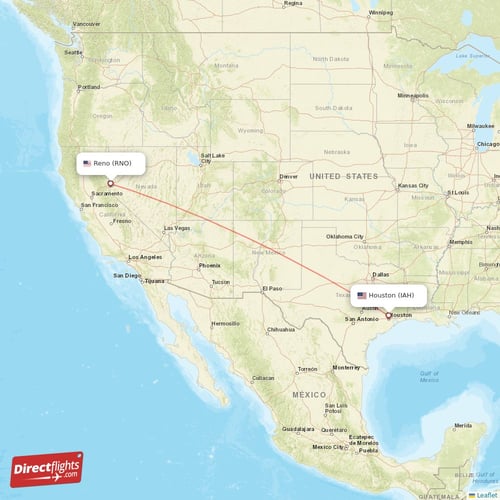
Understanding Flight Durations and Logistics
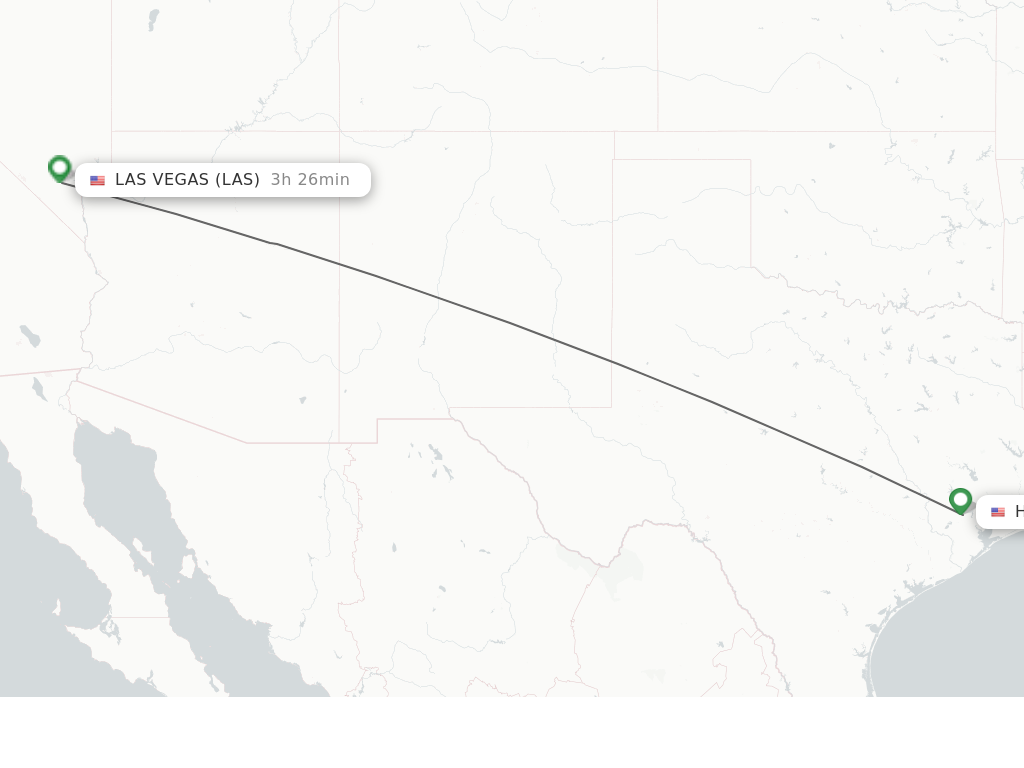
When planning your itinerary, the most critical question is the actual time spent in the air. On average, a direct flight from Houston to Las Vegas takes approximately 3 hours and 15 minutes. However, this duration can fluctuate based on several factors, including wind speeds, air traffic control patterns, and the specific airport of departure. The distance between the two cities is roughly 1,220 miles (1,963 kilometers), a distance that commercial jets navigate efficiently at cruising altitudes.
Direct Flight Times vs. Connecting Routes
For most travelers, a non-stop flight is the preferred method of travel. Airlines like United Airlines and Southwest Airlines offer frequent daily direct flights. A westward journey often takes slightly longer than the return trip due to the prevailing jet stream winds that blow from west to east across the United States. While the outbound flight might take 3 hours and 25 minutes, the return flight from Nevada back to Texas can often be completed in just under 3 hours.
If you opt for a connecting flight, the total travel time increases significantly. Common layover cities include Dallas, Phoenix, or Denver. Depending on the duration of the layover, a connecting journey can range from 5 to 8 hours. While usually less convenient, these routes sometimes offer cost savings for budget-conscious travelers or allow for a multi-city exploration.
The Impact of Time Zones
One of the most important logistical details to remember is the change in time zones. Houston operates on Central Standard Time (CST), while Las Vegas operates on Pacific Standard Time (PST). This means that Las Vegas is two hours behind Houston. When you land in the desert, you “gain” two hours, which often makes it possible to leave Texas in the morning and arrive in time for an early lunch on The Strip. Conversely, the return trip will feel faster on the clock but will result in “losing” two hours upon arrival.
Navigating the Departure: Leaving the Space City
Houston is unique because it is served by two major commercial airports, each offering a different travel experience. Depending on your airline preference and your location within the Houston metropolitan area, you will likely depart from either the north side or the south side of the city.
George Bush Intercontinental Airport (IAH)
Located about 23 miles north of Downtown Houston, George Bush Intercontinental Airport is the primary international hub for the region. It serves as a major fortress hub for United Airlines, which provides the highest frequency of flights to Las Vegas. The airport is vast, featuring five terminals connected by an automated people mover system. Travelers departing from George Bush Intercontinental Airport should allow ample time for security, as it is one of the busiest transit points in the United States. The airport offers a wide array of amenities, including high-end lounges and local Tex-Mex dining options, ensuring a comfortable start to your journey.
William P. Hobby Airport (HOU)
On the southern side of the city lies William P. Hobby Airport. This airport is significantly smaller and more navigable than its northern counterpart, making it a favorite for local travelers who prefer a quicker curb-to-gate experience. William P. Hobby Airport is a primary operating base for Southwest Airlines. Flying from here to Harry Reid International Airport is often characterized by the efficient, no-frills service that the airline is known for. Because the airport is closer to the Gulf of Mexico, it provides a different perspective of the Texas coastline upon takeoff before the plane turns west toward the Mojave Desert.
Arrival in the Entertainment Capital: Harry Reid International Airport
As your flight descends over the rugged peaks of the Rocky Mountains or the vast expanses of the desert, the first glimpse of the Las Vegas valley is breathtaking. The transition from the brown desert floor to the sudden cluster of mega-resorts is a sight to behold, especially at night when the city glows with millions of lights.
Landing at Harry Reid International Airport
All commercial flights from Houston arrive at Harry Reid International Airport, formerly known as McCarran International Airport. This facility is uniquely situated just a few miles from the heart of the city, offering one of the most scenic airport approaches in the world. Upon landing, travelers are immediately greeted by the sounds of slot machines within the terminal, a signature feature that reminds you exactly where you have arrived. The airport is divided into Terminal 1 and Terminal 3, so it is important to note which terminal your airline utilizes for baggage claim and ground transportation.
Transportation to the City Center
One of the greatest advantages of traveling to Las Vegas is the airport’s proximity to the main attractions. Once you have cleared Harry Reid International Airport, a short 10-to-15-minute rideshare or taxi trip will bring you to iconic landmarks such as the Bellagio, Caesars Palace, or the MGM Grand. For those looking to explore beyond the gambling halls, the airport is also a convenient starting point for trips to Red Rock Canyon, the Hoover Dam, or Lake Mead.
Optimizing Your Travel Experience
To make the most of your flight from Houston to Las Vegas, timing and airline selection play pivotal roles. The route is highly competitive, which often results in favorable pricing for travelers who book in advance.
Best Times to Fly
The demand for flights to Nevada peaks during weekends and major holidays. If your schedule allows, flying on a Tuesday or Wednesday can result in significantly lower fares and a less crowded experience at both George Bush Intercontinental Airport and William P. Hobby Airport. Seasonally, Las Vegas is a year-round destination, but the spring and fall months offer the most pleasant weather for exploring the outdoors. During the height of summer, temperatures in the Mojave Desert can exceed 100 degrees Fahrenheit, making the air-conditioned comfort of the resorts and the flight itself quite welcome.
Airline Options and Cabin Classes
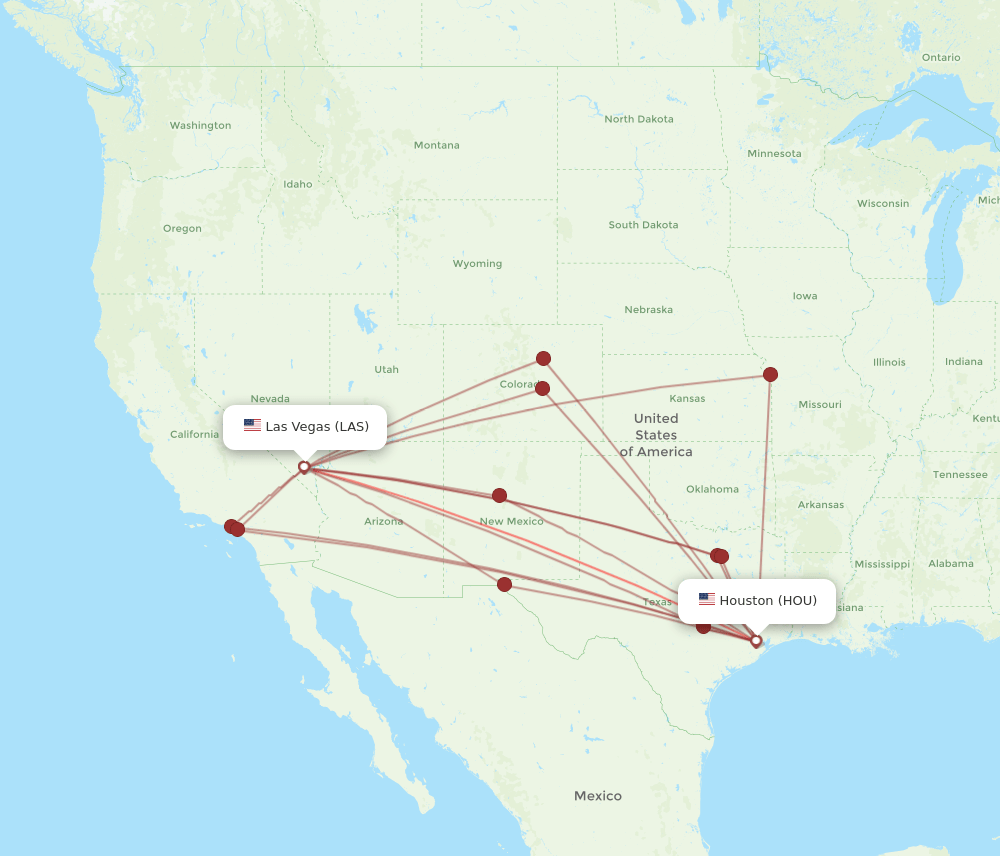
Travelers have a variety of choices when it comes to the inflight experience. United Airlines offers a traditional multi-cabin service, including First Class and Economy Plus, which is ideal for those seeking extra legroom or meal service during the three-hour journey. Southwest Airlines is a popular choice for those with checked luggage, as they famously allow two free bags per passenger—a major benefit if you are packing for a long stay or a special event.
For those seeking the lowest possible fare, budget carriers like Spirit Airlines and Frontier Airlines frequently operate this route. While these airlines offer basic transportation, they are an excellent way to save money that can be better spent at the world-class restaurants or shows in Las Vegas. Additionally, American Airlines and Delta Air Lines provide connecting service through their respective hubs, offering more flexibility for members of their loyalty programs.
In conclusion, the flight from Houston to Las Vegas is a relatively short and straightforward journey that connects two of the most vibrant regions in the United States. By choosing the right airport, understanding the time zone shift, and selecting an airline that aligns with your needs, you can ensure that your travel is as enjoyable as the destination itself. From the moment you depart the humid plains of Texas to the moment you see the shimmering skyline of The Strip, the experience is a quintessential American travel story.
LifeOutOfTheBox is a participant in the Amazon Services LLC Associates Program, an affiliate advertising program designed to provide a means for sites to earn advertising fees by advertising and linking to Amazon.com. Amazon, the Amazon logo, AmazonSupply, and the AmazonSupply logo are trademarks of Amazon.com, Inc. or its affiliates. As an Amazon Associate we earn affiliate commissions from qualifying purchases.