
The allure of the Hawaiian Islands, with their sun-drenched beaches, lush rainforests, and vibrant culture, often beckons travelers from the desert heat of Las Vegas. But before you can feel the warm sand between your toes and hear the gentle lapping of the Pacific Ocean, you’ll need to traverse the vast expanse of the ocean. The question on many minds planning this getaway is a practical one: “How long is a flight from Las Vegas to Hawaii?” This seemingly simple question opens the door to a world of travel considerations, from flight durations and time differences to the best ways to prepare for your island adventure.
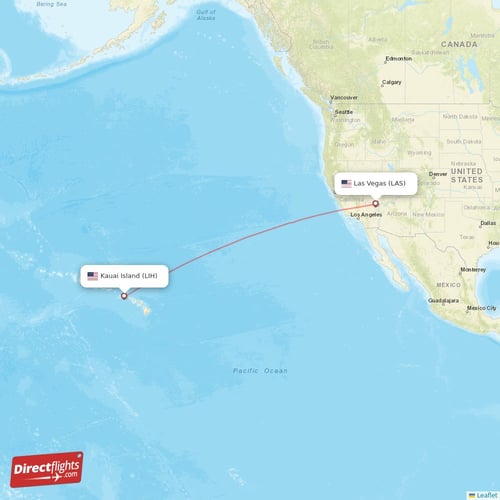
While the direct flight time is the most straightforward answer, understanding the nuances of this journey can significantly enhance your travel experience. Factors such as the specific island you’re flying into, the time of day, potential layovers, and even prevailing wind conditions can influence the overall travel duration. This article aims to provide a comprehensive overview, delving into the typical flight times, factors that affect them, and essential tips for making your trip from Las Vegas to Hawaii as seamless and enjoyable as possible. We’ll explore how this Pacific crossing fits into the broader spectrum of travel and how to best prepare for your lifestyle choices, whether you’re seeking a luxury travel escape or a more budget travel experience.
Understanding Flight Durations: The Direct Path to Paradise
When considering a flight from Las Vegas to Hawaii, the most direct and desirable option is a non-stop flight. These flights minimize travel time and the inconvenience of changing planes. The actual flight duration can vary, but typically, you can expect a Las Vegas to Hawaii flight to last between 5 to 6 hours. This is for a direct flight to islands like Oahu (home to Honolulu and Waikiki Beach) or Maui.
It’s important to note that this is the airborne time. This does not include the time spent getting to the airport, going through security, boarding the aircraft, taxiing to the runway, or the deplaning process upon arrival. Therefore, while the flight itself might be around 5.5 hours, your total travel time from leaving your hotel in Las Vegas to arriving at your accommodation in Hawaii will be considerably longer.
Several airlines offer direct flights from McCarran International Airport (LAS) in Las Vegas to key Hawaiian airports, including Daniel K. Inouye International Airport (HNL) in Honolulu on Oahu, and Kahului Airport (OGG) on Maui. Popular carriers that have historically operated this route include Southwest Airlines and Hawaiian Airlines. It’s always advisable to check with specific airlines for the most up-to-date flight schedules and direct flight availability.
Factors Influencing Flight Time
While the 5-6 hour estimate for a direct flight is a good benchmark, several factors can subtly influence this duration:
Prevailing Winds and Air Currents
The Earth’s atmosphere is a dynamic system, and wind currents play a significant role in flight times. For eastbound flights (like from Hawaii to the mainland United States), headwinds can sometimes increase flight times. Conversely, westbound flights from the mainland to Hawaii can benefit from tailwinds, potentially shortening the journey. While pilots and air traffic control are adept at navigating these conditions, they can contribute to minor variations in flight duration.
Specific Island Destination
Hawaii is an archipelago, and the island you choose to visit will impact your flight time, especially if you opt for a connecting flight. Flights to Oahu are generally the most common and often have the shortest direct flight durations from Las Vegas. However, if your final destination is Kauai, Big Island (with airports in Kona and Hilo), or Maui, and you’ve booked a flight that lands in Honolulu first, you will need to factor in an additional inter-island flight. These inter-island flights are usually quite short, often ranging from 30 to 50 minutes, but they do add to your overall travel time and require you to navigate another boarding process.
Aircraft Type and Airline Scheduling
Different aircraft have varying cruising speeds, and airlines schedule their flights with specific departure and arrival times in mind. While the difference might be marginal, the specific aircraft assigned to your route and the airline’s operational planning can contribute to slight variations in the published flight duration.
The Impact of Time Difference
Beyond the physical time spent in the air, it’s crucial to consider the time difference between Las Vegas, Nevada, and Hawaii. Hawaii observes Hawaii Standard Time (HST), which is three hours behind Pacific Standard Time (PST) and four hours behind Pacific Daylight Time (PDT), which Nevada observes during daylight saving. This means that when it’s noon in Las Vegas, it’s 9:00 AM in Hawaii.
This time difference can significantly affect your perception of arrival time. A 1:00 PM flight departing Las Vegas that takes 5.5 hours to reach Hawaii will land at 6:30 PM Las Vegas time. However, due to the three-hour time difference, it will actually be 3:30 PM Hawaii time. This can be advantageous, as arriving in the afternoon allows you ample time to check into your hotel or resort, perhaps enjoy a sunset stroll along the beach, and still have a relatively normal evening before settling down for your first night. It also means you can potentially maximize your first day on the islands by departing Las Vegas in the morning and arriving in Hawaii with much of the day still ahead of you.
Beyond Direct Flights: Understanding Layovers and Connecting Flights
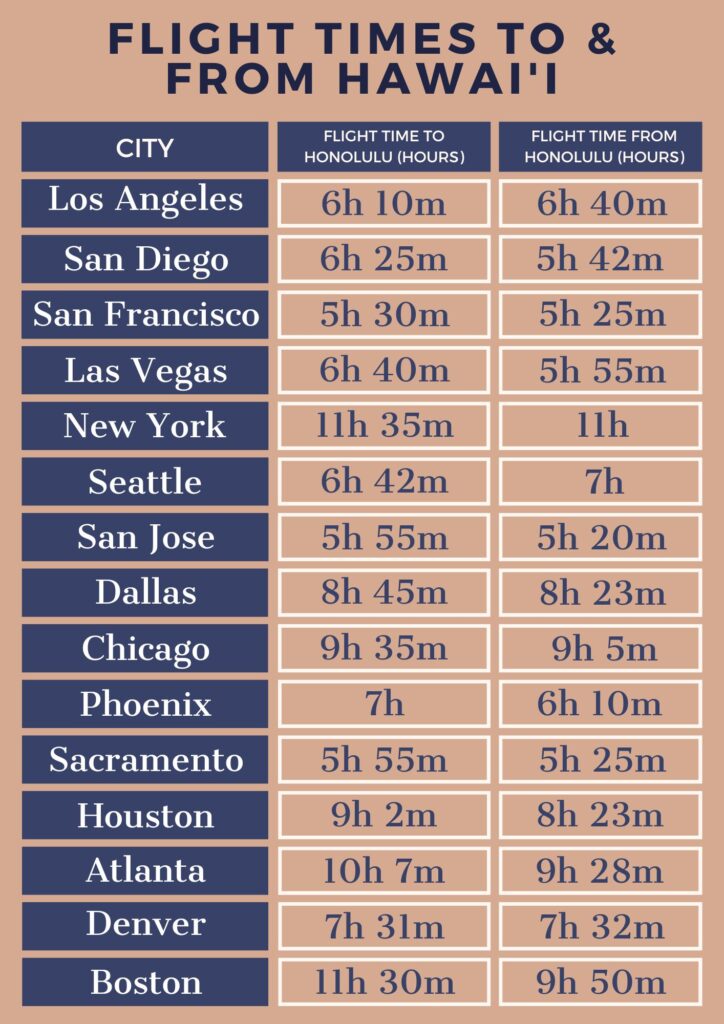
While direct flights are ideal, they are not always available or the most cost-effective option. Many travelers opt for flights with layovers, which can add significant time to their journey but might offer more flexible schedules or better pricing.
Common Layover Destinations
When flying from Las Vegas to Hawaii with a layover, the most common hubs are on the West Coast of the United States, such as:
- Los Angeles (LAX): This is a major gateway to the Pacific and a frequent stop for flights heading to Hawaii.
- San Francisco (SFO): Another significant international airport that serves as a connection point for Hawaiian travel.
- Seattle (SEA): For those originating further north, Seattle can be a convenient layover point.
Occasionally, flights might route through other major US cities, but West Coast hubs are the most typical for this specific route.
The Extended Travel Time
A flight with one layover can easily extend your total travel time to anywhere from 8 to 12 hours, and sometimes even longer, depending on the layover duration. This includes the time spent on the ground at the connecting airport, which can range from a quick 1-2 hour stop to a much longer waiting period if you’re trying to catch a more affordable flight.
For instance, a flight might depart Las Vegas in the morning, arrive in Los Angeles in the late morning, and then have a 3-hour layover before its departure to Honolulu. The flight from Los Angeles to Honolulu is typically around 5.5 hours. This would result in a total travel time of roughly 8.5-9 hours, not including time spent at each airport.
When booking flights with layovers, always pay close attention to the total travel time listed. It’s also important to consider the time you’ll need to disembark, navigate the connecting airport, and re-board. For longer layovers, you might even have time to explore a bit of the layover city, depending on its proximity to the airport and your lifestyle preferences, although this is generally not feasible for short layovers. This is where travel planning becomes essential, ensuring your experiences are not overshadowed by excessive travel stress.
Preparing for Your Journey: Maximizing Comfort and Enjoyment
Understanding the flight duration is only one piece of the puzzle. Effective preparation can ensure your journey from the bustling energy of Las Vegas to the tranquil shores of Hawaii is as comfortable and stress-free as possible. This preparation extends to your lifestyle choices and how you approach the entire travel experience.
Packing Essentials for Long Flights
For a flight of 5-6 hours or more, comfort is key. Consider packing:
- Comfortable Clothing: Layers are essential. The cabin temperature can fluctuate. Think soft fabrics, loose-fitting pants, and a sweater or jacket.
- Travel Pillow and Blanket: While many airlines provide these, having your own ensures a familiar level of comfort.
- Entertainment: Download movies, music, podcasts, or e-books to your devices. Consider noise-canceling headphones to create your own serene environment.
- Eye Mask and Earplugs: These can be invaluable for catching some sleep, especially on overnight flights.
- Hydration: Drink plenty of water before and during the flight. Carry an empty reusable water bottle to fill after security. Avoid excessive caffeine and alcohol, which can dehydrate you.
- Snacks: While airlines offer meals or snacks, having your own favorite treats can be a lifesaver.
- Personal Hygiene Items: Pack a small bag with essentials like a toothbrush, toothpaste, moisturizer, and lip balm.
- Medication: If you take any prescription or over-the-counter medications, ensure you have them with you.
Choosing Your Accommodation Wisely
Your accommodation choice in Hawaii will greatly influence your overall travel experience. Whether you opt for a luxurious resort on Maui, a charming villa in Kauai, a family-friendly apartment in Waikiki, or a boutique hotel on the Big Island, consider factors such as location, amenities, and reviews.
- Resorts: Often offer a wide array of amenities, including multiple swimming pools, restaurants, spas, and direct beach access, catering to a luxury travel experience.
- Villas and Apartments: Can offer more space, privacy, and a kitchen, which can be beneficial for families or longer stays, aligning with long-term stay considerations.
- Hotels: Range from budget-friendly options to high-end establishments, providing a variety of choices to suit different lifestyle preferences.
Booking in advance is highly recommended, especially during peak travel seasons. Websites specializing in accommodation comparison and reviews can be invaluable tools in making the right choice. Remember that the island you choose also offers unique attractions and experiences, from the historical Pearl Harbor on Oahu to the volcanic Hawaiʻi Volcanoes National Park on the Big Island, and the stunning natural beauty of the Nā Pali Coast on Kauai.

Embracing the Local Tourism
Once you arrive in Hawaii, you’ll want to immerse yourself in the local culture and make the most of your tourism opportunities. Research local activities, plan your visits to landmarks, and explore the diverse food scene. Whether it’s attending a traditional luau, hiking to a breathtaking waterfall, learning to surf on the famous waves, or simply relaxing on a world-renowned beach, Hawaii offers an abundance of experiences for every type of traveler. Understanding the rhythm of island life, respecting local customs, and embracing the spirit of aloha will undoubtedly enhance your journey, making the flight from Las Vegas a distant memory as you create lasting memories in paradise.