
For anyone considering a move to the Lone Star State, investing in its burgeoning real estate market, or even planning an extended stay to fully immerse themselves in its vibrant culture, understanding the intricacies of property taxes in Texas is paramount. Beyond the picturesque landscapes and lively cityscapes that attract millions of tourists each year, the financial landscape for property owners in [Texas] plays a significant role in the overall cost of living and the profitability of real estate ventures. From the bustling metropolises of Houston and Dallas to the cultural heart of San Antonio and the live music capital of Austin, the property tax calendar is a consistent rhythm that all homeowners and investors must dance to.
Understanding the Texas Property Tax Calendar: Key Dates for Owners and Investors
The property tax system in [Texas] operates on a specific annual calendar, with several crucial dates that property owners must be aware of. Unlike many other states, [Texas] does not have a state income tax, making local property taxes a primary source of revenue for funding public schools, county services, city infrastructure, and other vital local entities. This structure means that property taxes, while locally assessed and collected, are a significant financial consideration for anyone involved with real estate in the state.
The Annual Property Tax Cycle: From Assessment to Due Date
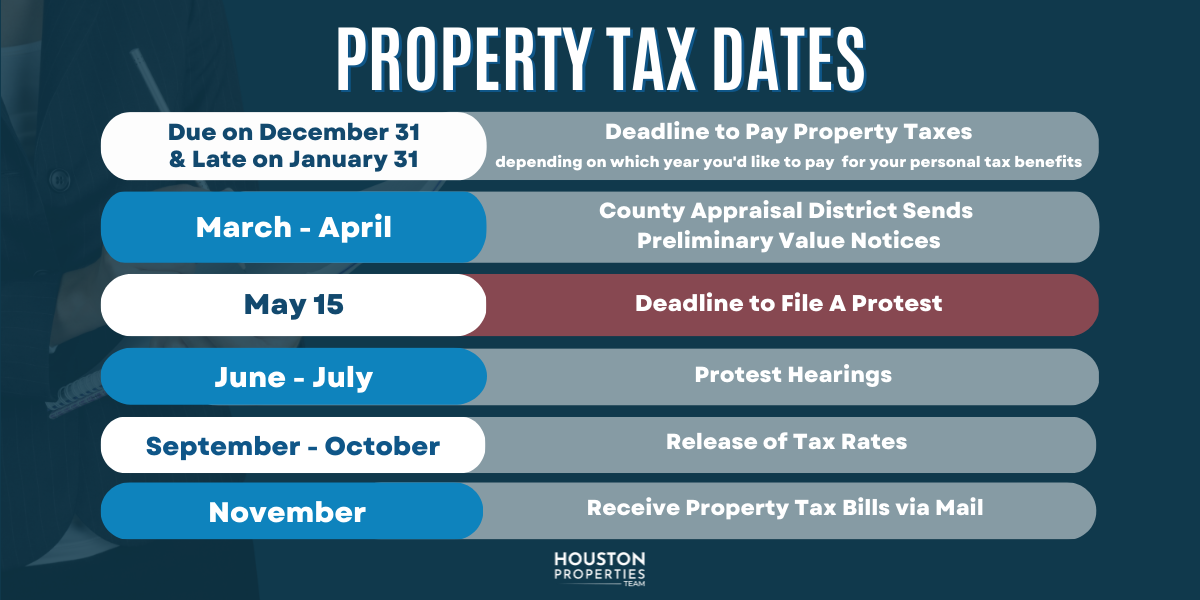
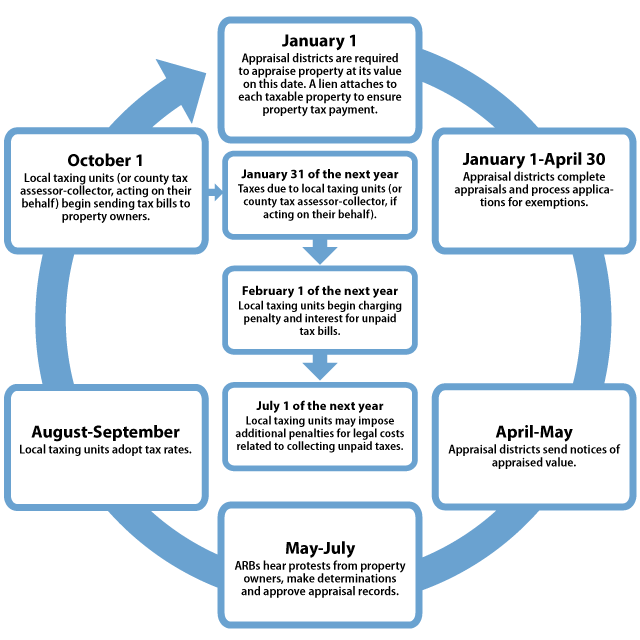
The property tax year in [Texas] officially begins on January 1st. This is the date when properties are appraised for their market value, which serves as the basis for calculating taxes for the upcoming year. While the actual tax bills aren’t mailed until much later in the year, this initial assessment date is critical as it sets the stage for the entire tax cycle.
-
January 1st: Appraisal Date
Every year, all taxable property in [Texas] is appraised at its market value as of January 1st. This appraisal is conducted by the county appraisal district (CAD) where the property is located. For travelers considering buying a second home in the Texas Hill Country or an investment property in a growing city like Plano, understanding how this appraisal process works is crucial for estimating future tax liabilities. The CAD’s role is to ensure fair and uniform appraisals, but owners have rights to protest these values if they believe they are incorrect. -
April-May: Notice of Appraised Value and Protest Period
Typically, around April or May, property owners will receive a “Notice of Appraised Value” from their local CAD. This notice informs them of the CAD’s assessment of their property’s market value. This period is incredibly important because it opens the window for property owners to formally protest their appraisal if they believe it is too high. The deadline for filing a protest is usually May 15th or 30 days after the notice is mailed, whichever is later. For those interested in buying existing rental properties or commercial accommodations, understanding the protest process can be a valuable tool in managing operational costs. Engaging in the protest process effectively can potentially lower the assessed value and, consequently, the tax bill. -
October 1st: Tax Bills Mailed
After the appraisal and protest period concludes, local taxing units (cities, counties, school districts, special districts) set their tax rates for the year. By October 1st, property tax bills are generally mailed to property owners. These bills detail the total amount of taxes due for the year, broken down by each taxing unit, along with the specific due date. This marks the point when the financial obligation becomes concrete. For travelers considering a long-term stay in a Texas city, understanding how these local tax rates contribute to the overall cost of living is key. -
January 31st (of the following year): The Official Due Date
The most critical date for [Texas] property owners is January 31st of the following year. This is the official deadline for property tax payments. For example, taxes assessed for the 2023 tax year would be due on January 31, 2024. Payments postmarked by this date are considered timely. It’s important to note that payment extensions are rare and typically granted only in extenuating circumstances, such as declared natural disasters. Missing this deadline can lead to significant penalties and interest.
Property Taxes and the Texas Lifestyle: What Travelers and Investors Should Know
The decision to travel, reside, or invest in [Texas] is often influenced by its diverse economy, vibrant culture, and unique lifestyle offerings. From the historic charm of the Alamo in [San Antonio] to the technological innovation of [Austin] and the coastal appeal of Galveston, each region offers a distinct experience. Property taxes, while a less glamorous topic, are intrinsically linked to the overall lifestyle and economic viability of these areas.
Impact on Accommodation and Investment Decisions
For those seeking long-term accommodation beyond traditional hotels or resorts, such as purchasing a second home or a condominium, property taxes become a major component of the total cost of ownership. A traveler enchanted by the Texas Hill Country’s wineries in Fredericksburg might consider buying a vineyard property or a charming cottage. Similarly, an investor looking to capitalize on the booming tourism in South Padre Island or Corpus Christi for vacation rentals must factor in property tax rates, which can vary significantly between counties and even within different school districts.
-
Luxury vs. Budget Lifestyle: Property taxes often reflect the desirability and amenities of a given area. For instance, a luxury property in an affluent neighborhood like Highland Park in [Dallas] will naturally have a higher assessed value and, consequently, a higher tax bill than a more budget-friendly home in a less developed area. Understanding these differentials is crucial for aligning real estate decisions with one’s lifestyle and financial goals, whether planning for a luxury travel lifestyle or a more budget-conscious approach.
-
Tourism Infrastructure and Services: The property taxes collected by local governments directly fund the infrastructure and services that enhance the tourism experience. This includes well-maintained roads leading to Big Bend National Park, public safety services around the Space Center Houston, and even beautification projects along San Antonio’s Riverwalk. For travelers, this means that understanding the local tax base provides insight into the quality of local amenities they enjoy. For investors in the tourism sector, these funds directly support the environment in which their businesses operate.
Navigating Property Tax Assessments and Appeals

As mentioned, property owners have the right to protest their appraised value. This process is not just for current homeowners; it’s also a vital consideration for prospective buyers and investors. A thorough understanding of the protest system can lead to significant savings.
-
Understanding Appraisal Methods: CADs use various methods to appraise property, primarily focusing on market value—what a property would sell for on January 1st. This involves comparing similar properties that have recently sold, considering construction costs, and evaluating potential rental income for commercial properties. For someone looking to buy a hotel or a large commercial accommodation in Fort Worth, understanding the appraisal methodology is critical for due diligence.
-
The Protest Process: If a property owner believes their appraisal is too high, they can file a notice of protest with the Appraisal Review Board (ARB). This involves presenting evidence to support a lower valuation, such as sales of comparable homes, repair estimates, or discrepancies in the CAD’s data. Successfully protesting an appraisal can directly reduce the tax burden, making a property more financially attractive for both personal use and investment. This is an important tip for anyone looking to optimize their cost of living or investment returns in [Texas].
The Impact of Property Taxes on Texas’s Vibrant Travel & Real Estate Market
[Texas]’s economic landscape is characterized by its robust growth, diverse industries, and attractive business environment. The travel and real estate sectors are particularly dynamic, with strong demand for both tourist experiences and property investments. Property taxes play a nuanced but significant role in shaping these markets, influencing everything from urban development to rural tourism.Fueling Local Growth and Tourism Infrastructure
Without a state income tax, property taxes are the bedrock of local government funding in [Texas]. These funds are reinvested into communities, directly supporting the quality of life and the infrastructure that underpins both residential and tourist appeal.
-
Schools and Public Services: A significant portion of property tax revenue goes to public school districts. High-quality schools are a major draw for families considering relocation, thereby supporting property values and overall community desirability. This indirectly impacts tourism by fostering well-maintained, family-friendly environments. Additionally, police, fire, emergency services, and public health initiatives are funded through these taxes, ensuring safety and readiness for both residents and visitors in popular destinations like El Paso or near attractions like Padre Island National Seashore.
-
Roads, Parks, and Utilities: Property taxes also fund critical infrastructure—roads, bridges, parks, public libraries, and utility services. These are essential for a smooth travel experience and the efficient operation of hotels, resorts, and other tourism businesses. For instance, improved road networks make destinations like Lake Travis more accessible, enhancing its appeal for weekend getaways and water recreation.
Influencing Investment and Development Trends
The property tax environment directly impacts developers, investors, and businesses operating within the real estate and tourism sectors. High property taxes can sometimes deter development in certain areas, while competitive rates combined with other favorable factors can spur growth.
-
Commercial Real Estate and Accommodation: For those investing in commercial properties, such as new hotels, apartment complexes for long-term stays, or short-term rentals, property taxes are a crucial operational expense. Investors carefully analyze tax rates in different locales to determine potential returns. For example, a developer might weigh the higher property taxes in a prime downtown [Austin] location against the potential for higher occupancy rates and rental income compared to a more suburban area with lower taxes. This strategic consideration directly influences where new accommodations and tourist facilities are built, thereby shaping the future travel landscape of [Texas].
-
Rural and Agritourism Development: Beyond urban centers, property taxes affect rural land owners, including those involved in agritourism or developing unique countryside accommodations. Understanding agricultural exemptions and specific rural land valuations can significantly alter the financial viability of such ventures, promoting the growth of niche tourism markets like farm stays or ranch experiences in West Texas.
Resources for Property Owners and Aspiring Texas Residents/Investors
Navigating the [Texas] property tax system requires access to reliable information and, at times, professional guidance. For anyone considering an extended stay, investment, or relocation to [Texas], these resources are invaluable.
-
County Appraisal District (CAD) Websites: Each county in [Texas] has its own CAD, responsible for appraising property values. Their websites are the primary source for property search tools, appraisal records, tax rolls, and information on how to protest an appraisal. Key information, including appraisal review board schedules and protest forms, can be found here.
-
Texas Comptroller of Public Accounts: This state agency provides comprehensive resources on property taxes, including publications, guides, and details on statewide tax laws and exemptions. It’s an excellent resource for understanding the broader legal framework governing property taxation in the United States and specifically in [Texas].
-
Real Estate Professionals and Tax Advisors: For complex situations, particularly for out-of-state investors or those unfamiliar with [Texas] real estate law, consulting a local real estate agent, a property tax consultant, or a tax attorney is highly recommended. These professionals can provide tailored advice, assist with the protest process, and help optimize tax strategies, ensuring that your investment or long-term stay is as financially sound as possible.
In conclusion, while the vibrant culture, diverse attractions, and welcoming communities of [Texas] make it an irresistible destination for travelers and a fertile ground for investors, understanding the rhythm of its property tax calendar is non-negotiable. The January 31st deadline is a critical date, but the entire annual cycle—from appraisal to protest to billing—deserves careful attention. Being well-informed about property taxes is not merely a bureaucratic chore; it’s an essential part of truly embracing the [Texas] lifestyle, ensuring financial preparedness, and making the most of every travel experience or investment opportunity in this remarkable state. Whether you’re planning a thrilling adventure or seeking a tranquil retreat, a solid grasp of these financial fundamentals ensures a smoother journey in the Lone Star State.
LifeOutOfTheBox is a participant in the Amazon Services LLC Associates Program, an affiliate advertising program designed to provide a means for sites to earn advertising fees by advertising and linking to Amazon.com. Amazon, the Amazon logo, AmazonSupply, and the AmazonSupply logo are trademarks of Amazon.com, Inc. or its affiliates. As an Amazon Associate we earn affiliate commissions from qualifying purchases.