
Embarking on a journey from the bustling metropolis of Los Angeles, California, to the serene, sun-drenched shores of Hawaii is a dream for many. This transatlantic flight across a significant stretch of the Pacific Ocean marks the beginning of an unforgettable escape to one of the United States’ most coveted island paradises. While the allure of Hawaii’s pristine beaches, vibrant culture, and lush landscapes is undeniable, one of the most common questions travelers ask before booking their trip revolves around the practicalities of the journey: specifically, “How long is a flight from Los Angeles to Hawaii?”
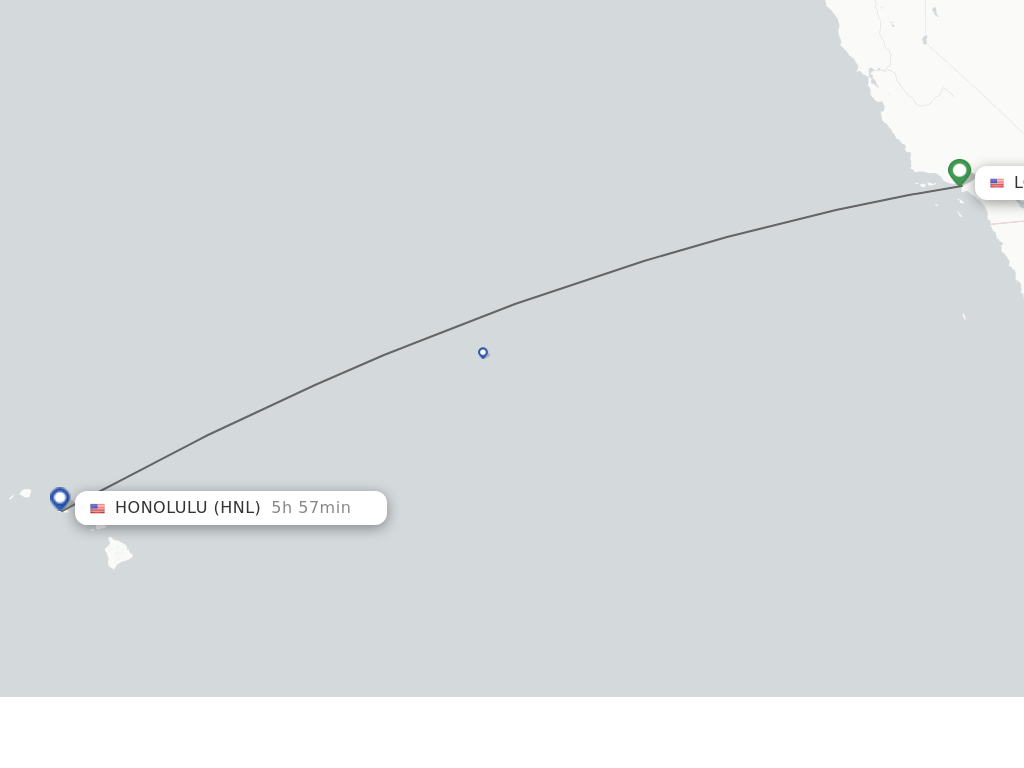
The answer, while seemingly straightforward, depends on several factors, including the specific island you’re flying to, the airline, the type of aircraft, and even prevailing wind conditions. Typically, a direct flight from Los Angeles to the major Hawaiian Islands ranges from 5 hours and 20 minutes to 6 hours and 15 minutes. This duration positions Hawaii as an accessible yet wonderfully remote destination, making it perfect for those seeking both adventure and relaxation. Understanding these nuances can help you better plan your itinerary, ensuring a smooth and enjoyable transition from the mainland to aloha country.
The Core Flight Duration: What to Expect
The flight path from Southern California to the Hawaiian archipelago is a well-traveled route, serviced by numerous airlines daily. While the average flight time provides a good baseline, it’s beneficial to look at the specifics for each popular island destination.
Average Flight Times to Key Hawaiian Islands
The primary international airports in Hawaii are located on the four largest and most visited islands: Oahu, Maui, the Big Island (also known as the Island of Hawaii), and Kauai. Each offers a unique gateway to the Hawaiian experience, and their geographical positions subtly influence flight duration.
- To Oahu (Daniel K. Inouye International Airport – HNL): As the most populous island and home to the capital city of Honolulu, Oahu is often the first stop for many travelers. Flights from Los Angeles International Airport (LAX) to HNL typically take 5 hours and 20 minutes to 5 hours and 45 minutes. This makes Oahu the quickest destination to reach from LAX.
- To Maui (Kahului Airport – OGG): Maui, known for its stunning beaches and incredible resorts, is slightly further west. A direct flight from LAX to Kahului Airport (OGG) usually clocks in at around 5 hours and 30 minutes to 5 hours and 55 minutes.
- To the Big Island (Kona International Airport – KOA or Hilo International Airport – ITO): The Big Island, with its active volcanoes and diverse landscapes, has two main airports. Flights to Kona International Airport (KOA) on the west side are generally 5 hours and 45 minutes to 6 hours and 10 minutes. Flights to Hilo International Airport (ITO) on the east side are similar.
- To Kauai (Lihue Airport – LIH): The “Garden Isle” of Kauai, famous for its dramatic cliffs and lush rainforests, is the most northwestern of the main islands. Flights from LAX to Lihue Airport (LIH) tend to be the longest, ranging from 5 hours and 55 minutes to 6 hours and 15 minutes.
These times represent non-stop services. Connecting flights, naturally, will extend the total travel time significantly.
Factors Influencing Flight Duration
Beyond the specific destination, several elements can subtly alter the actual flight time you experience:
- Headwinds and Tailwinds: The Pacific Ocean is known for its strong jet streams. Flights traveling westward from Los Angeles to Hawaii often encounter headwinds, which can add 15-30 minutes to the flight. Conversely, the return journey eastward often benefits from tailwinds, making the flight notably shorter (sometimes as little as 4 hours and 45 minutes back to the mainland).
- Aircraft Type: Modern, fuel-efficient aircraft like the Boeing 787 Dreamliner or Airbus A330 series might offer slightly faster cruise speeds compared to older models, though the difference is usually marginal.
- Air Traffic Control (ATC): Delays on the ground at LAX or inbound traffic at Hawaiian airports can affect departure and arrival times, but typically don’t impact the “flight time” in the air.
- Direct vs. Connecting Flights: As mentioned, always prioritize direct flights for the shortest travel time. While cheaper connecting flights might seem appealing, they often involve layovers on the mainland or inter-island transfers once you reach Hawaii, substantially increasing your total travel duration and potential for delays.
Navigating Your Departure: Los Angeles Airports
While LAX is the primary gateway for flights to Hawaii, travelers in Southern California have several options for their departure airport, each offering different levels of convenience and potential cost savings.
Los Angeles International Airport (LAX)
LAX is the most popular and busiest airport for flights to Hawaii. It offers the widest selection of airlines, flight times, and direct routes to all major Hawaiian Islands. Major carriers like Alaska Airlines, American Airlines, Delta Air Lines, Southwest Airlines, United Airlines, and Hawaiian Airlines all operate extensive schedules from LAX. While its size can be overwhelming, the sheer volume of flights means more competitive pricing and flexibility for travelers. Many prefer LAX for the ease of direct connections and superior in-flight amenities often found on longer-haul aircraft.
Other Southern California Gateways
For those living outside the immediate Los Angeles area or seeking a less hectic airport experience, other regional airports offer direct flights, albeit usually with fewer options.
- Orange County’s John Wayne Airport (SNA): Located in Santa Ana, SNA is a smaller, often more pleasant airport experience. It typically offers direct flights to Honolulu and Kahului, primarily with Southwest and United.
- Long Beach Airport (LGB): Known for its quaint, art-deco terminal and often quicker security lines, LGB offers direct flights to Honolulu and Maui via Southwest Airlines. It’s an excellent alternative for those living in Orange County or parts of LA County.
- Ontario International Airport (ONT): Serving the Inland Empire, ONT has grown in popularity, offering direct flights to Honolulu and Maui through Southwest and Hawaiian Airlines. It provides a convenient option for travelers avoiding the coastal traffic.
While these alternative airports can sometimes offer slightly different flight times due to their specific runway configurations or air traffic patterns, the overall duration to Hawaii remains within the typical 5.5 to 6.5-hour range for direct services.
Enhancing Your Flight Experience: Tips for the Journey
A five to six-hour flight is a significant amount of time to be airborne, even with the promise of Hawaii at the other end. Optimizing your journey can make a world of difference.
Choosing the Right Airline and Class
The airline you choose can greatly impact your comfort and overall experience. While all major carriers offer basic economy, exploring options for Premium Economy, Business Class, or First Class can transform your flight.
- Hawaiian Airlines: Often provides a touch of aloha spirit even before landing, with themed meals and in-flight entertainment. Their “Extra Comfort” seats offer more legroom.
- United, Delta, American, Alaska: Offer various cabin classes, including lie-flat seats in First Class on some routes, providing maximum comfort for relaxation or even work.
- Southwest Airlines: Known for its open seating policy and two free checked bags, making it a popular choice for families or budget-conscious travelers. While it doesn’t offer different cabin classes, their friendly service can make the flight enjoyable.
Consider the trade-off between cost and comfort, especially if you have specific needs or are celebrating a special occasion.
Maximizing Comfort on Long Flights
Even in economy, there are strategies to make your journey more pleasant:
- Hydrate: Drink plenty of water before and during the flight to combat dehydration.
- Move Around: Stand up, stretch, and walk the aisle periodically to promote circulation and prevent stiffness.
- Dress Comfortably: Wear loose, layered clothing and slip-on shoes.
- Bring Entertainment: Load up your devices with movies, TV shows, podcasts, or e-books. Don’t rely solely on in-flight entertainment.
- Noise-Canceling Headphones: Essential for peace and quiet, whether you’re listening to music or trying to sleep.
- Neck Pillow and Eye Mask: Small items that can significantly improve your ability to rest.
- Snacks: While airlines offer service, having your favorite snacks on hand can be a lifesaver.
Remember to adjust to the time difference upon arrival. Hawaii observes Hawaii Standard Time, which is two or three hours behind Pacific Standard Time (depending on daylight saving), meaning you’ll arrive earlier in the day than you departed in Los Angeles time, which can initially feel disorienting.
Booking Strategies for Optimal Travel
Timing your booking can influence both cost and flight availability.
- Book in Advance: Especially for peak seasons (summer, holidays, spring break), aim to book 3-6 months out.
- Flexibility with Dates: If your travel dates are flexible, use flight comparison websites to identify cheaper days to fly, often mid-week.
- Consider Package Deals: Sometimes booking your flight and accommodation together can offer significant savings.
- Sign Up for Alerts: Airlines and travel sites often send out alerts for fare drops on popular routes.
Beyond the Flight: Planning Your Hawaiian Escape
Once you’ve factored in the flight duration and selected your ideal route, the true excitement of planning your Hawaiian adventure begins. The rich diversity of the Hawaiian Islands means there’s a perfect experience waiting for every traveler, from luxury seekers to budget-conscious explorers, families, and business travelers.
Exploring Diverse Hawaiian Islands
Each of the main Hawaiian Islands offers a distinct character and array of experiences:
- Oahu: The heart of Hawaii, combining urban sophistication in Honolulu and Waikiki with world-famous surfing on the North Shore. Explore historical landmarks like Pearl Harbor, hike up Diamond Head, or enjoy the vibrant nightlife and diverse culinary scene.
- Maui: Known as the “Valley Isle,” Maui is celebrated for its stunning beaches, luxurious resorts in West Maui and South Maui, and dramatic landscapes like Haleakala National Park. Driving the Road to Hana is a quintessential Maui experience.
- Big Island: The youngest and largest island, home to Hawaii Volcanoes National Park where you can witness an active volcano. It boasts incredible diversity, from the black sand beaches near Hilo to the Kona coffee farms on the west side and the snow-capped summit of Mauna Kea.
- Kauai: The “Garden Isle” is a paradise for nature lovers, with the breathtaking Na Pali Coast, Waimea Canyon (the “Grand Canyon of the Pacific”), and lush rainforests. Popular areas include Poipu in the south and Princeville in the north.
- Lanai and Molokai: For those seeking ultimate seclusion and a glimpse into old Hawaii, these smaller islands offer exclusive resorts like the Four Seasons Lanai and unspoiled natural beauty, often requiring inter-island flights or ferries.
Accommodation Choices: From Resorts to Villas
Your choice of accommodation can significantly shape your lifestyle experience in Hawaii.
- Luxury Resorts: From iconic Waikiki hotels to sprawling Maui’s resorts like the Grand Wailea or the Ritz-Carlton Kapalua, these offer unparalleled amenities, dining, and service, perfect for a high-end escape.
- Boutique Hotels & Apartments: For a more personalized or local feel, smaller hotels or vacation rentals in areas like Kapaa on Kauai or Kona on the Big Island provide comfort without the resort price tag.
- Villas & Vacation Rentals: Ideal for families or longer stays, offering privacy, kitchens, and often multiple bedrooms. This option provides a “home away from home” experience.
- Budget Accommodation: Hostels and guesthouses are available, especially in Honolulu, making Hawaii accessible for budget travel.
Booking your accommodation well in advance, especially during peak seasons, is crucial to secure your preferred options and often better rates.
Immersing in Local Culture and Activities
Hawaii’s appeal extends far beyond its physical beauty. Its rich local culture, known as “aloha spirit,” is a significant part of the tourism experience.
- Food: Savor traditional Hawaiian cuisine like poke, kalua pig, and fresh seafood. Explore diverse offerings from food trucks to fine dining.
- Activities: From surfing lessons at Waikiki Beach to snorkeling with manta rays in Kona, hiking through rainforests, or stargazing on Mauna Kea, the islands offer countless adventures.
- Cultural Experiences: Attend a luau, learn to hula, visit ancient Hawaiian sites, or explore museums that highlight the islands’ history and heritage. Supporting local artisans and businesses is also a great way to engage with the culture.
Making the Most of Your Hawaiian Adventure
While the flight from Los Angeles to Hawaii is a significant part of your journey, it’s merely the prelude to an extraordinary destination. With proper planning for your flight, choosing the right island for your interests, and selecting accommodation that suits your lifestyle and budget, you are set for an unforgettable escape. Embrace the aloha spirit, explore the breathtaking landmarks and natural wonders, and create memories that will last a lifetime. The journey, though a few hours across the Pacific, transports you to a world of unparalleled beauty and tranquility.