
The journey from the sun-drenched beaches of Miami to the architectural marvels of Chicago is a popular route for both business and leisure travelers. Understanding the typical flight duration is crucial for planning your itinerary, whether you’re catching a connecting flight, booking a hotel, or simply estimating your arrival time. While the distance between these two vibrant metropolises might suggest a straightforward calculation, a variety of factors influence how long your flight will actually take.
Factors Influencing Flight Time
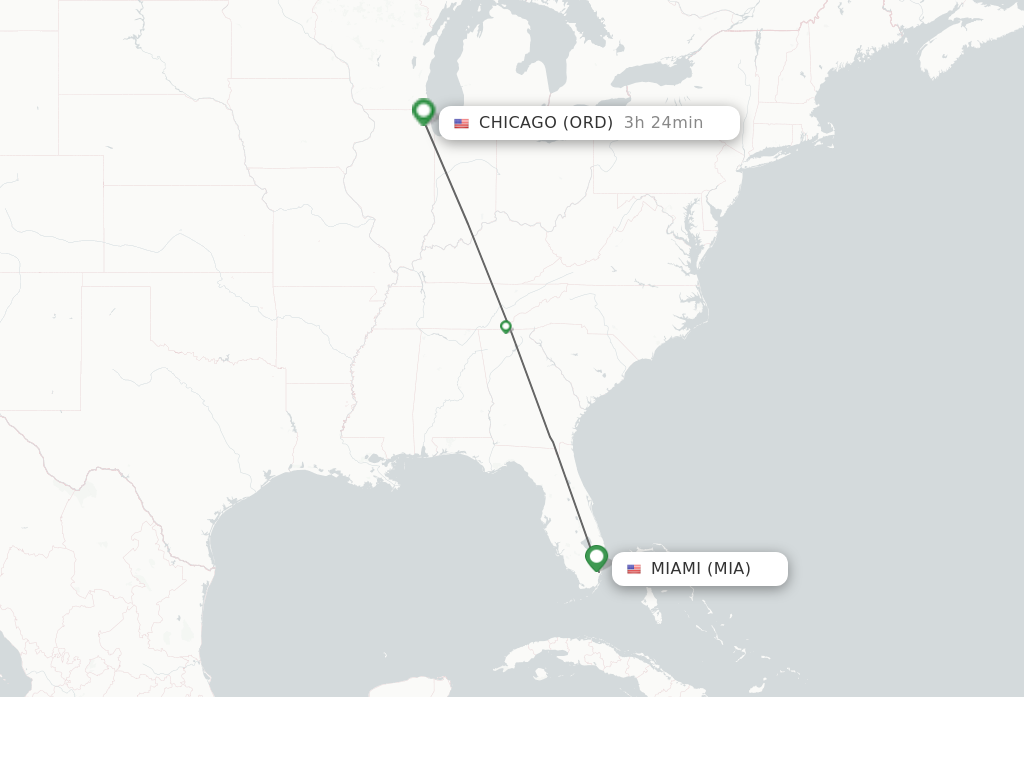
The seemingly simple question of flight duration is influenced by a complex interplay of elements, ranging from the aircraft’s capabilities to the whims of the weather. For the approximately 1,150-mile (1,850 km) air distance between Miami International Airport (MIA) and O’Hare International Airport (ORD), the average flight time hovers around three hours. However, this is a generalized figure, and individual flights can vary significantly.
Aircraft Type and Speed
The specific aircraft model used by an airline plays a role in determining flight speed. Modern jet airliners, such as those manufactured by Boeing and Airbus, are designed for efficient cruising speeds. For instance, a Boeing 737 or an Airbus A320, commonly used on domestic routes like MIA to ORD, typically cruise at speeds between 500 and 560 miles per hour (800 to 900 km/h). Faster aircraft can, in theory, reduce flight time, but airlines often schedule flights to maintain consistency and manage operational efficiency.
Wind Conditions
Perhaps the most dynamic factor affecting flight duration is the wind. Flights are subject to two main types of winds: headwinds and tailwinds.
- Headwinds are winds blowing directly against the aircraft’s direction of travel, effectively slowing it down relative to the ground. Flying north from Miami to Chicago, you are more likely to encounter headwinds from the prevailing westerly winds.
- Tailwinds, conversely, blow in the same direction as the aircraft, pushing it forward and reducing travel time. Flights traveling south, from Chicago to Miami, often benefit from tailwinds.
The strength of these winds, particularly the jet stream at higher altitudes, can add or subtract significant minutes from a flight. Pilots and air traffic control constantly monitor wind patterns to optimize routes and flight times.
Air Traffic Congestion and Routing
The skies are a meticulously managed airspace, and air traffic control plays a pivotal role in how quickly a plane can reach its destination. During peak travel times, major hubs like Miami International Airport and O’Hare International Airport can experience significant congestion. This can lead to delays in takeoff and landing, as well as holding patterns where aircraft circle the airport while waiting for clearance.
Furthermore, airlines may choose slightly longer, but more efficient, flight paths to avoid turbulent weather, utilize favorable wind currents, or navigate around busy air corridors. These route adjustments, while strategically sound, can also impact the overall flight duration.
Airline Scheduling and Layover Considerations
When booking a flight, it’s important to distinguish between the actual “wheels-up” to “wheels-down” time and the total travel time, which includes taxiing on the runway and potential delays. Airlines schedule their flights with buffers to account for these variables. For direct flights, the scheduled duration usually reflects the expected travel time with these considerations in mind.
However, if your journey involves a layover, the total travel time can extend considerably. Even a short stop in a connecting city can add several hours to your trip, making the direct flight duration a crucial piece of information for comparison.
Typical Flight Durations
Given the multitude of influencing factors, it’s helpful to look at typical scheduled flight times for the Miami to Chicago route. These figures provide a realistic expectation for planning purposes.
Direct Flights
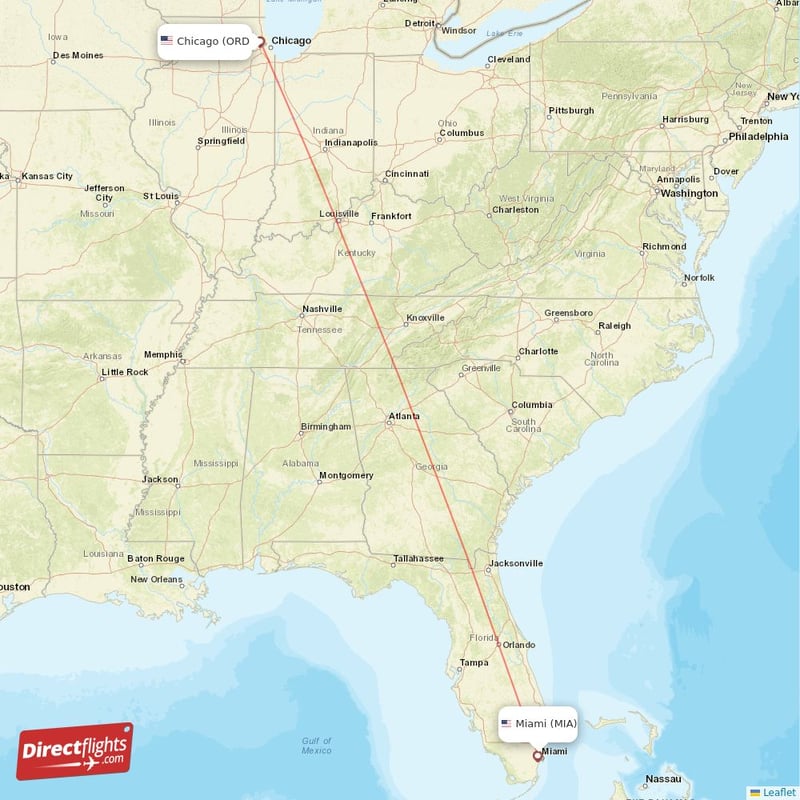
For a non-stop flight from Miami International Airport to O’Hare International Airport, you can generally expect the flight to last:
- Scheduled Duration: Approximately 3 hours to 3 hours and 30 minutes. This includes the time spent taxiing to and from the gate.
- Actual Airborne Time: The time the aircraft spends in the air is typically closer to 2 hours and 45 minutes to 3 hours.
- Variations: Actual flight times can be shorter if there are strong tailwinds or longer if headwinds are prevalent or if air traffic control requires holding patterns.
Airlines like American Airlines, United Airlines, and Spirit Airlines frequently operate this route, and their schedules reflect these typical durations.
Flights with Layovers
If you opt for a flight with a layover, the total travel time can increase significantly. Common connection points for this route might include cities like Atlanta, Charlotte, or Detroit.
- Minimum Total Travel Time: Even with a short layover of about an hour, the total journey can range from 5 hours to 6 hours.
- Longer Layovers: If the layover is extended, or if there are significant delays with the connecting flight, the total travel time can easily reach 7 to 10 hours or more.
When comparing flight options, it’s essential to scrutinize the total duration, including the layover time, rather than just the flight segments themselves.
Preparing for Your Flight
Knowing the expected flight duration from Miami to Chicago allows for more informed travel decisions and a smoother experience.
Booking Your Flight
When searching for flights, pay close attention to the listed duration for each option. Direct flights are typically the quickest, but sometimes flights with a single, short layover can be more affordable. Consider your priorities: saving time or saving money. Websites and apps that compare flights will usually show the total travel time, making it easier to make an informed choice.
Packing for Comfort and Convenience
For a flight of around three hours, most passengers don’t require extensive amenities, but a few items can enhance comfort.
- Entertainment: A book, tablet, or headphones can help pass the time, especially during potential delays.
- Comfort Items: A neck pillow and a light blanket can make the cabin more comfortable.
- Snacks and Drinks: While airlines offer these, bringing your own preferred options can be a good idea, especially for longer flights or if you have dietary restrictions.
- Layers: Airplane cabins can fluctuate in temperature, so wearing layers is advisable.
Arriving at the Airport
For a domestic flight of this length, arriving at Miami International Airport or O’Hare International Airport at least two hours before departure is generally recommended. This provides ample time for check-in, security screening, and reaching your gate without feeling rushed.

Navigating Between Cities
Once you’ve arrived in Chicago, understanding your onward travel options is also part of the planning process.
- Transportation from O’Hare: O’Hare International Airport is well-connected to the city center via the CTA ‘L’ train (Blue Line), which is an efficient and cost-effective option. Taxis, ride-sharing services, and rental cars are also readily available.
- Transportation from Miami: Similarly, Miami International Airport offers various transit options, including the Miami-Dade Transit system, taxis, and ride-sharing.
By considering these aspects, your travel experience between Miami and Chicago will be more predictable and enjoyable, allowing you to focus on the excitement of your destination. Whether you’re heading to the Windy City for business or pleasure, a well-planned journey sets the stage for a successful trip.
LifeOutOfTheBox is a participant in the Amazon Services LLC Associates Program, an affiliate advertising program designed to provide a means for sites to earn advertising fees by advertising and linking to Amazon.com. Amazon, the Amazon logo, AmazonSupply, and the AmazonSupply logo are trademarks of Amazon.com, Inc. or its affiliates. As an Amazon Associate we earn affiliate commissions from qualifying purchases.