
Embarking on a journey from the bustling streets of New York City to the serene shores of Hawaii is a remarkable transition across the vast geography of the United States. This transcontinental trek covers nearly 5,000 miles, making it one of the longest domestic routes available to travelers today. Whether you are seeking the volcanic wonders of The Big Island or the urban tropical charm of Honolulu, understanding the logistics of this flight is essential for a seamless transition from the Atlantic Ocean to the Pacific Ocean.
The Logistics of a Transcontinental Journey
When planning a trip to the Aloha State, the most pressing question for many travelers is the duration of the flight. Because the distance is so significant, the time spent in the air can vary based on several factors, including the specific destination island, the flight path, and the type of aircraft being used.
Average Flight Times and Distances
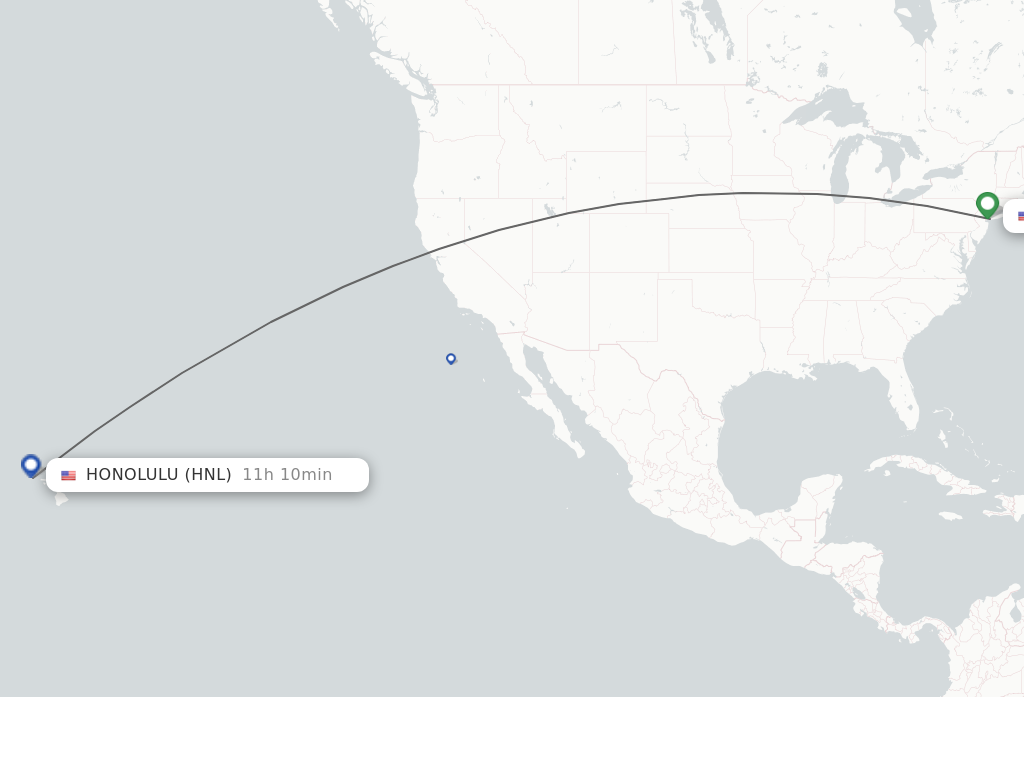
For a non-stop flight from Manhattan area airports to Oahu, travelers should prepare for a journey that typically lasts between 10 hours and 45 minutes to 11 hours and 30 minutes. The return flight from Hawaii back to New York City is generally shorter, often clocking in at around 9 hours and 30 minutes to 10 hours. This discrepancy is primarily due to the prevailing winds that blow from west to east across North America.
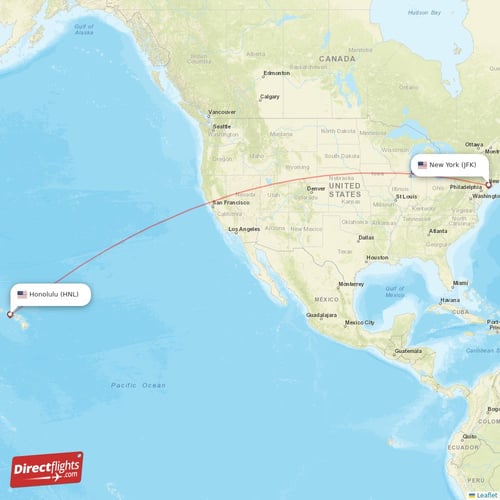
The total distance covered is approximately 4,960 miles. To put this into perspective, a flight from New York City to London is roughly 3,450 miles, meaning the trip to the Hawaiian Islands is significantly longer than many popular transatlantic routes.
The Impact of Jet Streams and Seasonal Winds
Aviation duration is never static. The high-altitude jet stream plays a crucial role in how quickly an aircraft can traverse the continent. During the winter months, these winds can be particularly strong. When flying westward toward Daniel K. Inouye International Airport, planes are essentially flying against a powerful headwind, which can add 30 to 45 minutes to the total travel time. Conversely, on the return trip, these same winds act as a tailwind, pushing the aircraft faster toward the East Coast.
Strategic Departure Points in the New York Metropolitan Area
Travelers leaving from the Tri-State Area have two primary options for direct flights to Hawaii. Both John F. Kennedy International Airport and Newark Liberty International Airport serve as major hubs for these long-haul domestic routes.
John F. Kennedy International Airport (JFK)
As the primary international gateway for New York City, John F. Kennedy International Airport offers consistent daily service to Honolulu. Carriers like Hawaiian Airlines and Delta Air Lines frequently operate out of this terminal. Choosing this airport often provides a wider range of amenities and lounge options for travelers looking to relax before their eleven-hour odyssey. For those coming from Brooklyn or Queens, this is often the most convenient starting point.
Newark Liberty International Airport (EWR)
Located just across the Hudson River in New Jersey, Newark Liberty International Airport is a massive hub for United Airlines. United Airlines operates one of the most popular non-stop routes from the East Coast to Hawaii. For residents of Manhattan or northern New Jersey, the ease of access via the New Jersey Transit or the PATH train makes this an attractive alternative to the often-congested roads leading to John F. Kennedy International Airport.
Comparing Direct and Connecting Flight Options
While a non-stop flight is the most time-efficient way to reach the islands, many travelers opt for connecting flights. These itineraries can offer cost savings or the opportunity to break up the long journey.
The Convenience of Non-Stop Service
The primary benefit of a direct flight is, of course, the time saved. By avoiding a layover, you eliminate the risk of missing a connection due to delays in Chicago, Dallas, or Denver. Furthermore, a direct flight allows you to settle into your seat and adjust your internal clock more effectively. If you depart New York City in the morning, you will typically arrive in Honolulu in the mid-afternoon, just in time to check into a resort at Waikiki Beach and enjoy a sunset dinner.
Benefits of West Coast Layovers
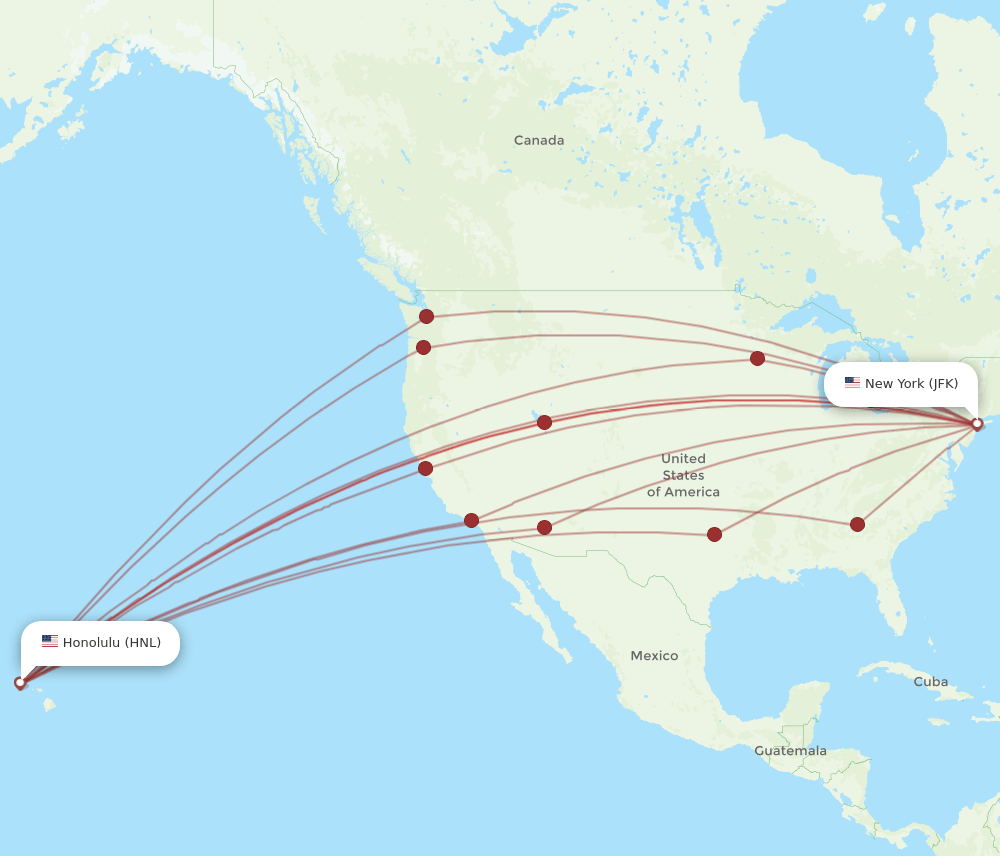
Connecting through cities like Los Angeles, San Francisco, or Seattle can extend the total travel time to 13 or 15 hours, but it provides a chance to stretch your legs and experience a different city. For some, a “multi-city” ticket allows for a 24-hour stopover in California, effectively turning a long transit day into a two-part vacation. Additionally, flying into smaller airports like Kahului Airport on Maui or Lihue Airport on Kauai often requires a connection anyway, as direct flights from the East Coast to the neighboring islands are less frequent than those to Oahu.
Navigating the In-Flight Experience and Time Zone Shifts
A flight exceeding ten hours requires physical and mental preparation. Crossing multiple time zones can take a toll on the body, especially when moving westward.
Managing the Time Difference
Hawaii operates on Hawaii-Aleutian Standard Time, which does not observe Daylight Saving Time. This means that for much of the year, there is a six-hour time difference between New York City and Honolulu. When it is noon in Times Square, it is only 6:00 AM on the beaches of Waikiki.
To combat jet lag, experts suggest adjusting your sleep schedule a few days before departure. During the flight, stay hydrated and try to avoid excessive caffeine. Many travelers find that staying awake for the duration of the westward flight and going to bed early upon arrival in Hawaii helps them synchronize with the local time more rapidly.
Maximizing Comfort on Long-Haul Carriers
Since this is such a lengthy trip, the choice of airline and cabin class significantly impacts the experience. Hawaiian Airlines is often praised for its “Island Hospitality,” which begins the moment you step on board. They frequently provide complimentary meals even in economy class, which is a rarity for domestic flights in the United States.
For those looking for extra comfort, United Airlines and American Airlines offer premium cabins with lie-flat seats on their wide-body aircraft servicing this route. Having the ability to sleep comfortably for five or six hours can make the difference between arriving exhausted and arriving ready to explore the North Shore.
Arrival and Island Exploration
Once the aircraft begins its descent over the Pacific Ocean, the turquoise waters and emerald peaks of the islands come into view. The arrival experience is the gateway to the many attractions Hawaii has to offer.
Touching Down in Honolulu and Beyond
Most flights from New York City land at Daniel K. Inouye International Airport. From here, the legendary landmarks of Oahu are just a short drive away. Visitors can pay their respects at Pearl Harbor, hike the iconic Diamond Head crater, or immerse themselves in the local culture at the Polynesian Cultural Center.
If your final destination is Maui, you might find yourself exploring the lunar landscapes of Haleakala National Park. For those heading to Kauai, the dramatic cliffs of the Na Pali Coast and the deep red hues of Waimea Canyon State Park await. Each island offers a distinct atmosphere, from the quiet luxury of Lanai to the authentic, rural feel of Molokai.
Essential Tips for the First-Time Hawaii Visitor
Planning the return leg is just as important as the arrival. Remember that Hawaii has strict agricultural inspections. Before you check your bags at Kona International Airport or Hilo International Airport, they must pass through a screening process to ensure no invasive species or prohibited plants are being transported back to the mainland.
Furthermore, if you are planning to visit multiple islands, consider the “puddle jumper” flights. These short, 30-to-45-minute hops between islands are frequent and provide stunning aerial views of the archipelago. Whether you are moving from the volcanic activity of Hawaii Volcanoes National Park on The Big Island to the lush rainforests of Hana, these inter-island connections are a vital part of the regional travel experience.
In conclusion, while the flight from New York City to Hawaii is undeniably long, the rewards at the end of the journey are unparalleled. By choosing the right airport, preparing for the time shift, and understanding the nuances of the flight duration, travelers can turn a daunting transit day into the exciting start of a lifelong memory in the Pacific.
LifeOutOfTheBox is a participant in the Amazon Services LLC Associates Program, an affiliate advertising program designed to provide a means for sites to earn advertising fees by advertising and linking to Amazon.com. Amazon, the Amazon logo, AmazonSupply, and the AmazonSupply logo are trademarks of Amazon.com, Inc. or its affiliates. As an Amazon Associate we earn affiliate commissions from qualifying purchases.