
Embarking on a journey from the vibrant energy of New York to the sun-drenched charm of Barcelona is a transatlantic adventure many dream of. The question of flight duration is often one of the first practical considerations for travelers planning this exciting trip. While the precise time in the air can fluctuate, understanding the typical flight times, the factors that influence them, and how to make the most of your journey provides a crucial foundation for a seamless travel experience. This article delves into the specifics of how long you can expect to be airborne between these two iconic cities, offering insights to help you prepare for your European escapade.
Understanding Transatlantic Flight Durations
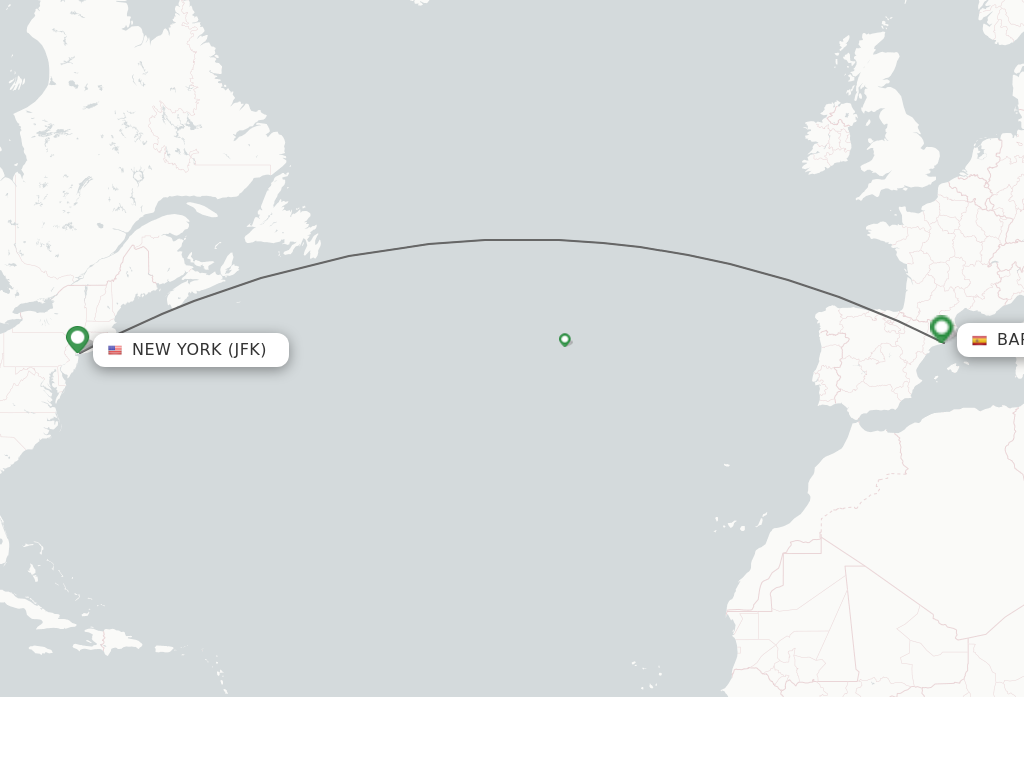
The distance between New York and Barcelona spans approximately 3,850 miles (6,197 kilometers) across the Atlantic Ocean. This significant distance inherently dictates a substantial flight time. When considering direct flights, the goal is to minimize the time spent in transit. However, the complexities of air travel mean that several variables come into play, influencing the total duration you’ll spend in the sky.
Direct Flight Timelines
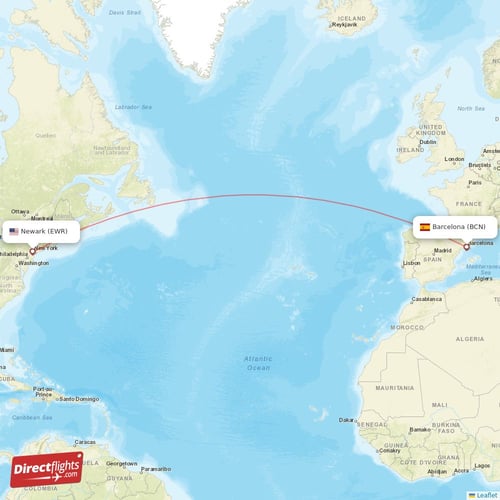
For travelers prioritizing efficiency, direct flights are the most desirable option. These flights eliminate the need for layovers, significantly reducing the overall travel time. A typical direct flight from New York (often departing from John F. Kennedy International Airport or Newark Liberty International Airport) to Barcelona El Prat Airport generally ranges from 7 to 8.5 hours. This timeframe can vary depending on the specific airline, the aircraft type, and prevailing wind conditions. For instance, eastbound flights (from New York to Barcelona) often benefit from the jet stream, a high-altitude wind current that flows from west to east. This tailwind can shorten the flight duration compared to westbound journeys.
Factors Influencing Flight Time
Several environmental and operational factors contribute to the variability in flight durations:
- Jet Streams: As mentioned, the powerful jet stream can significantly impact flight times. When flying east, a strong jet stream acts as a tailwind, pushing the aircraft along and reducing travel time. Conversely, flying west against the jet stream will lengthen the flight.
- Weather Conditions: Adverse weather, such as storms or strong headwinds, can necessitate rerouting or slower flight speeds, thereby increasing the duration of the flight. Airports on both ends can also experience delays due to weather, impacting departure and arrival times.
- Air Traffic Control: Congestion in the airspace, particularly around major international airports like those in New York and Barcelona, can lead to holding patterns before landing, adding to the overall travel time, though not necessarily the time spent airborne.
- Aircraft Type and Speed: Different aircraft models have varying cruising speeds. Modern, larger aircraft are generally more fuel-efficient and capable of higher cruising speeds, which can contribute to shorter flight durations.
- Flight Path Optimization: Airlines constantly work with air traffic control to optimize flight paths for efficiency, considering winds, weather, and air traffic. These real-time adjustments can lead to minor variations in flight duration.
The Impact of Layovers on Total Travel Time
While direct flights offer the shortest airborne time, many travelers opt for flights with layovers, often due to cost savings or the opportunity to break up a long journey. However, it’s crucial to understand that the total travel time for a flight with layovers extends significantly beyond just the hours spent in the air.
Connecting Flights: A Comprehensive Look
Flights from New York to Barcelona that include layovers can vary enormously in their total duration. The time spent in the air on these flights will be broken into segments, with the longest single leg typically being between 6 to 7 hours. However, the real differentiator is the layover itself.
- Layover Duration: A layover can range from a short 1-hour connection to several hours, or even an overnight stay. The time spent waiting at an intermediate airport is a critical factor.
- Location of Layover: The chosen layover city can also influence the overall travel time. Common layover points for flights from the United States to Spain might include cities in the United Kingdom, Ireland, or other major European hubs. The routing to these cities from New York and then on to Barcelona determines the total flight time.
- Total Journey Time: When factoring in the time spent in the air for each leg, the time spent on the ground during layovers, and potential deplaning and re-boarding, a flight with one layover can easily stretch to 10 to 15 hours, and sometimes even longer. Flights with multiple layovers are generally not recommended for this route due to the significant increase in total travel time.
Maximizing Your Layover Experience
While a layover adds time to your journey, it can also be an opportunity. If you have a substantial layover (e.g., over 5-6 hours), you might consider a brief excursion into the layover city, provided you have adequate time to clear security and board your next flight. Many airports offer city tours or have convenient transport links to nearby attractions. This can turn a long transit into a mini-adventure, allowing you to briefly experience another destination before continuing to Barcelona. However, it is crucial to meticulously plan and allow ample buffer time to avoid missing your connecting flight.
Preparing for Your Transatlantic Journey
Understanding the flight duration is only one piece of the puzzle when preparing for your trip from New York to Barcelona. To ensure a comfortable and enjoyable experience, consider how to best manage your time in the air and prepare for arrival.
Comfort and Well-being in the Air
Long flights, whether direct or with layovers, can be taxing. Prioritizing comfort can make a significant difference:
- Seating: If budget allows, consider upgrading to premium economy or business class for more legroom and better seating. If not, strategically choosing your seat when booking can help. Seats towards the front of the cabin or those with more legroom (often at the bulkhead or exit rows, though these may have restrictions) can enhance comfort.
- In-Flight Entertainment: Most transatlantic flights offer extensive in-flight entertainment systems with movies, TV shows, music, and games. Download your favorite content beforehand as a backup.
- Comfort Essentials: Pack a neck pillow, eye mask, earplugs, and a comfortable blanket or shawl. Staying hydrated by drinking plenty of water and avoiding excessive alcohol and caffeine is also essential.
- Movement: Getting up and walking the aisles periodically helps with circulation and reduces the risk of deep vein thrombosis. Simple in-seat stretches can also be beneficial.
Navigating Arrival in Barcelona
Upon landing at Barcelona El Prat Airport, you’ll be eager to begin exploring the city. Understanding the arrival process and transfer options will help you transition smoothly.
- Immigration and Customs: As you are flying from the United States to Spain, which is part of the Schengen Area, you will go through immigration upon arrival. Be prepared to present your passport. The efficiency of this process can vary.
- Baggage Claim: After clearing immigration, proceed to baggage claim to collect your luggage.
- Ground Transportation: From Barcelona El Prat Airport, you have several convenient options to reach the city center and your accommodation:
- Aerobús: This express bus service runs frequently to key locations in the city, including Plaça de Catalunya.
- Metro: The metro system offers a cost-effective way to reach various parts of Barcelona.
- Taxi: Taxis are readily available outside the terminals for a more direct and convenient transfer.
- Train: The Renfe train service connects the airport to the city’s main train stations.
By understanding the typical flight durations, the factors that influence them, and how to prepare for your journey, you can approach your flight from New York to Barcelona with confidence and excitement, ready to immerse yourself in the wonders of Catalan culture.
LifeOutOfTheBox is a participant in the Amazon Services LLC Associates Program, an affiliate advertising program designed to provide a means for sites to earn advertising fees by advertising and linking to Amazon.com. Amazon, the Amazon logo, AmazonSupply, and the AmazonSupply logo are trademarks of Amazon.com, Inc. or its affiliates. As an Amazon Associate we earn affiliate commissions from qualifying purchases.