
Embarking on a journey from the bustling metropolis of New York to the architectural marvels of Chicago is a common itinerary for travelers across the United States. Whether you’re traveling for business, a quick weekend getaway, or to visit family, understanding the duration and nuances of this aerial commute is key to a smooth and enjoyable trip. While the direct flight time is relatively short, the overall travel experience encompasses more than just the time spent airborne. This comprehensive guide will delve into every aspect of flying between these two iconic North American cities, offering insights into flight dynamics, airport logistics, and how to maximize your time in both destinations.
The Core Journey: Understanding Flight Duration
At its heart, the question “How long is a flight from New York to Chicago?” seeks a straightforward answer regarding the time spent in the air. However, several variables contribute to the actual duration, making it a dynamic rather than a fixed number.
Direct Flight Time Explained
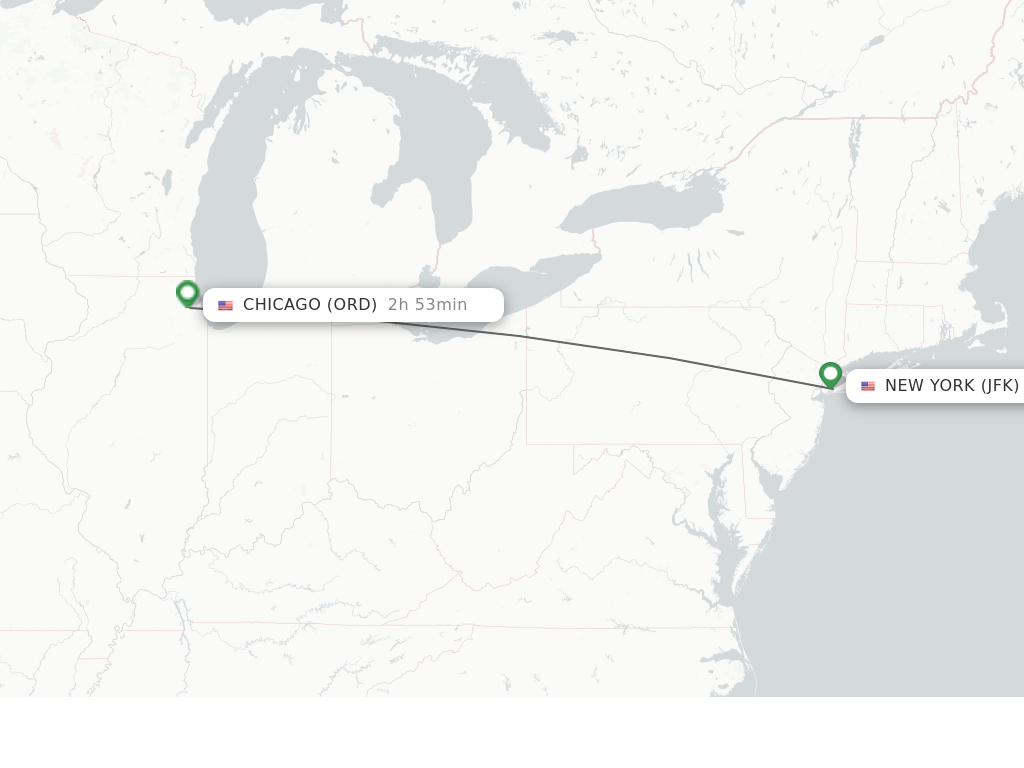
For a direct, non-stop flight, the typical airborne duration from New York to Chicago ranges from 2 hours to 2 hours and 30 minutes. This estimate covers the time from takeoff to landing, not including taxiing, gate delays, or security checks. The distance between the two cities is approximately 713 miles (1,147 kilometers) as the crow flies, which is a relatively short haul for modern commercial aircraft. Airlines such as United Airlines, American Airlines, Delta Air Lines, Southwest Airlines, and JetBlue Airways frequently operate this route, offering numerous daily options to suit various schedules and preferences.
Factors Influencing Flight Length
While the average provides a good baseline, several elements can influence the precise flight time:
- Weather Conditions: Strong headwind or tailwind can significantly affect a plane’s ground speed. A tailwind can shorten the journey, sometimes reducing it to less than two hours, while a headwind can extend it closer to the 2.5-hour mark. Severe weather like thunderstorms might also necessitate rerouting, adding extra time to the flight path.
- Air Traffic Control (ATC) and Congestion: Both New York and Chicago are major air hubs, meaning their airspace can get very crowded, especially during peak travel times. ATC might instruct planes to hold, delay takeoff, or take a longer approach path, all of which contribute to extended flight times. This is particularly common around holidays or during business rush hours.
- Aircraft Type: Different aircraft models have varying cruising speeds. While most airlines use similar narrow-body jets (like Boeing 737s or Airbus A320s) for this route, slight differences in their operational speeds can lead to minor variations in flight duration.
- Specific Route Taken: Although the “as the crow flies” distance is fixed, the actual flight path can vary due to ATC directives, weather patterns, or other operational considerations, leading to slightly longer or shorter distances covered.
Understanding these factors helps set realistic expectations for your journey, reminding you that flexibility and patience are key components of modern air travel.
Planning Your Trip: Beyond the Flight
The actual flight time is just one piece of the puzzle when calculating your total travel duration. A true understanding of the journey from New York to Chicago requires considering the time spent before and after takeoff and landing.
Choosing Your Departure and Arrival Points
The New York metropolitan area is served by three major airports, each with its own characteristics and implications for travel time:
- John F. Kennedy International Airport (JFK): Located in Queens, JFK is a major international gateway. While it offers a vast array of flights, getting to and from JFK from Manhattan can be time-consuming, typically taking 45 minutes to over an hour by car or AirTrain/subway, especially during peak hours.
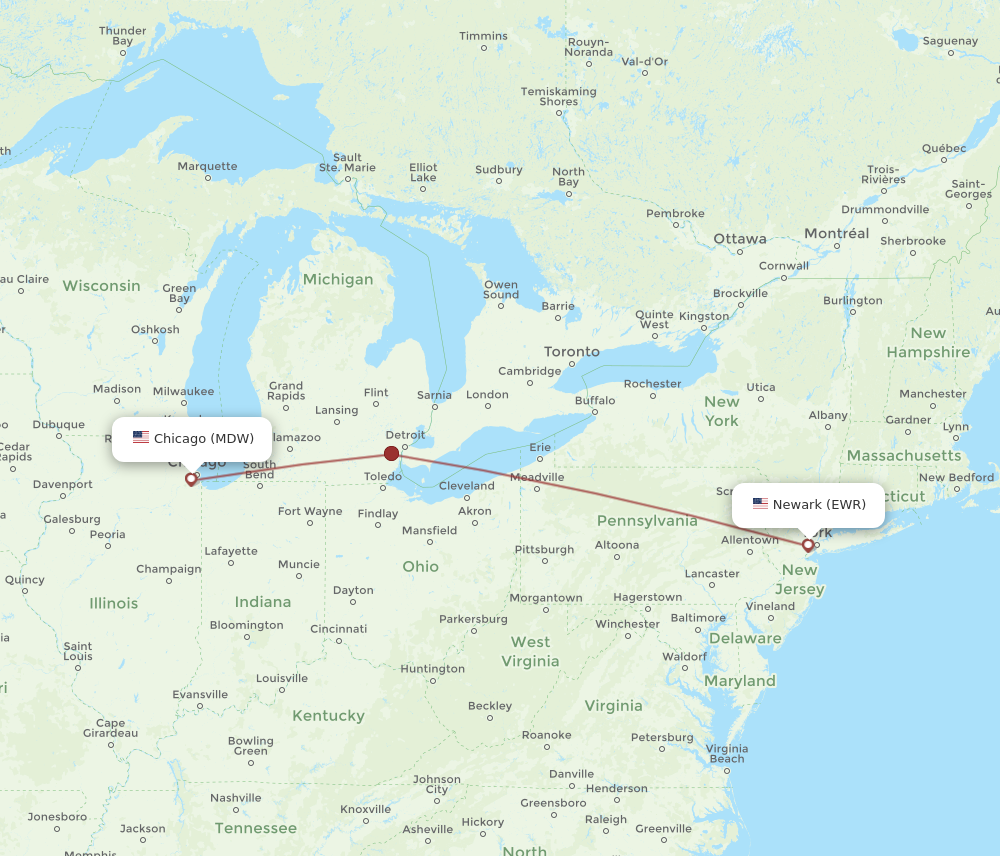
- Newark Liberty International Airport (EWR): Situated in Newark, New Jersey, EWR is a significant hub for United Airlines. Access from Manhattan is generally efficient via NJ Transit trains to Penn Station and then the AirTrain, taking about 30-45 minutes.
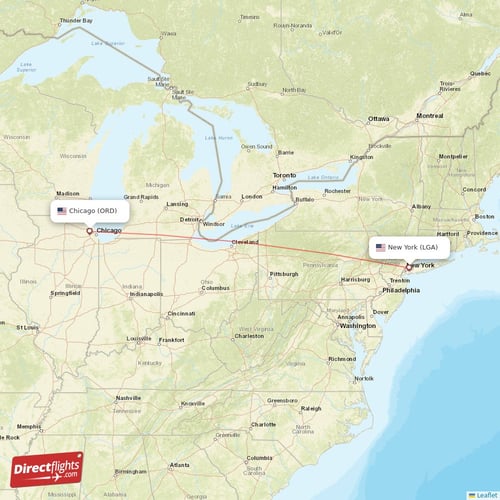
- LaGuardia Airport (LGA): Also in Queens, LGA primarily handles domestic flights. It’s often the most convenient for travelers coming from Manhattan, with car/taxi rides taking 30-45 minutes, though traffic can be unpredictable. Recent renovations have significantly improved the passenger experience.
Similarly, Chicago offers two primary options:
- O’Hare International Airport (ORD): One of the busiest airports in the world, O’Hare is located northwest of downtown Chicago. It’s a major hub for United Airlines and American Airlines. The CTA Blue Line provides efficient rail access to the city center in about 45-60 minutes, while car travel can vary wildly with traffic.
- Midway International Airport (MDW): Located southwest of downtown, Midway is a key base for Southwest Airlines and is generally considered more convenient for city access. The CTA Orange Line offers a direct route to the Loop in about 20-25 minutes.
The choice of airport at both ends can easily add an extra hour or two to your door-to-door travel time, making careful planning essential for any lifestyle of travel.
The Total Travel Time Equation
To accurately estimate your total journey time, consider these factors beyond just the flight:
- Airport Commute (to departure airport): Allow ample time for traffic or public transport connections.
- Pre-Flight Procedures:
- Check-in and Bag Drop: 15-30 minutes (or less if done online and no checked bags).
- Security Checkpoint: This is highly variable, from 15 minutes to over an hour, depending on the airport, time of day, and TSA PreCheck/Clear status.
- Gate Transit: Time to walk to your gate, which can be considerable in large airports.
- Boarding: Airlines typically begin boarding 30-45 minutes before departure.
- Taxiing (before takeoff): Depending on runway availability and airport traffic, this can take 10-30 minutes.
- In-Flight: The actual 2-2.5 hour flight time.
- Taxiing (after landing): Another 5-20 minutes to reach the gate.
- Deplaning: 5-15 minutes, depending on your seat location.
- Baggage Claim: If checking a bag, allow 15-30 minutes.
- Airport Commute (from arrival airport): Travel time from the arrival airport to your final destination in Chicago.
Factoring all these in, a typical door-to-door journey from Manhattan to downtown Chicago can easily extend to 5-7 hours, even for a direct flight. This comprehensive view helps you manage expectations and plan your schedule effectively.
Exploring the Destinations: From the Big Apple to the Windy City
A trip between New York and Chicago isn’t just about the flight; it’s about experiencing two of America’s most vibrant cities. Both offer an incredible array of landmarks, attractions, and unique cultural experiences.
What to Experience in New York City
New York City is a world unto itself, a true melting pot of cultures, commerce, and creativity. Before or after your flight, consider exploring:
- Iconic Landmarks: Marvel at the majestic Statue of Liberty, ascend the Empire State Building or Top of the Rock for breathtaking views, and immerse yourself in the dazzling lights of Times Square.
- Culture and Arts: Catch a world-class show on Broadway, explore the vast collections of the Metropolitan Museum of Art or the Museum of Modern Art, and stroll through the serene paths of Central Park.
- Culinary Tourism: From Michelin-starred restaurants to street food vendors in various neighborhoods, New York offers an unparalleled gastronomic adventure. Don’t miss exploring diverse food scenes in areas like Greenwich Village, Lower East Side, or Flushing, Queens.
- Accommodation Options: New York boasts an incredible range of hotels. For luxury, consider classics like The Plaza Hotel or The Ritz-Carlton New York, Central Park. Mid-range options like W Hotel Union Square or boutique stays in SoHo offer stylish comfort. Budget travelers can find value in properties like Moxy NYC Times Square or various apartments and hostels.
Discovering the Charms of Chicago
Often called the “Second City” but second to none in architecture and deep-dish pizza, Chicago offers a distinctly American experience that blends urban sophistication with a friendly Midwest charm.
- Architectural Wonders: Take an architectural boat tour along the Chicago River to admire the city’s iconic skyscrapers. Visit the Willis Tower (formerly Sears Tower) Skydeck for panoramic views, or explore the Magnificent Mile for world-class shopping amidst stunning buildings.
- Art and Green Spaces: Spend time in Millennium Park, home to the famous “Bean” (Cloud Gate), and explore the vast collections at the Art Institute of Chicago. Enjoy the tranquility of Lincoln Park or the views of Lake Michigan from Navy Pier.
- Culinary Delights: No trip to Chicago is complete without indulging in deep-dish pizza from Lou Malnati’s or Giordano’s. Explore the vibrant food scene in neighborhoods like West Loop or Wicker Park for diverse dining experiences.
- Accommodation Choices: Chicago offers luxurious options like The Peninsula Chicago, The Langham Chicago, or The St. Regis Chicago for an upscale resort-like experience. For those seeking comfort and convenience, major brands like Hyatt, Marriott, and Hilton have strong presences. Budget-friendly hotels and boutique hotels are also plentiful, particularly outside the Loop.
Both cities offer rich tourism experiences that complement any travel guide, catering to various interests from history and culture to culinary adventures.
Making the Most of Your Journey: Travel Tips and Lifestyle
Optimizing your travel experience from New York to Chicago goes beyond merely booking a flight. It involves strategic planning, smart choices, and embracing a lifestyle that prioritizes convenience and enjoyment.
Optimizing Your Flight Experience
- Book Smart: Use flight comparison websites and consider booking in advance for better deals. Flexibility with your travel dates and times can often lead to significant savings. Early morning or late-night flights often have fewer delays and less airport congestion.
- Choose the Right Airport: As discussed, selecting LGA for New York and MDW for Chicago can often reduce commute times and overall stress, especially for those prioritizing efficiency for a business stay.
- Streamline Airport Procedures: Enroll in TSA PreCheck or Clear to speed through security. Travel with just a carry-on to save time at baggage claim. Arrive at the airport with ample time, but not excessively early, to avoid long waits.
- In-Flight Comfort: Even on a short 2-hour flight, comfort matters. Choose an aisle or window seat based on your preference. Bring a good book, download movies or podcasts, and wear comfortable clothing. Many airlines offer Wi-Fi for purchase, allowing you to stay productive or entertained.
Accommodation Choices and Travel Styles
Your choice of accommodation significantly impacts your overall trip experience, whether it’s for luxury travel, a budget trip, or a family vacation.
- Luxury Travel: Both cities offer world-class hotels and resorts with exceptional amenities like spas, fine dining, and concierge services. For a truly indulgent experience, consider a suite with city views.
- Budget Travel: Options like boutique hotels, hostels, or vacation rentals booked through platforms that offer long-term stay options can provide affordable yet comfortable stays. Consider staying slightly outside the most central areas for better value.
- Family Trips: Look for hotels with pools, family suites, or apartments that offer more space and kitchenettes. Proximity to parks and family-friendly attractions is also a key consideration.
- Business Stays: Choose hotels with strong Wi-Fi, business centers, and convenient access to corporate districts. Many chains like Marriott, Hilton, and Hyatt cater specifically to business travelers.
Using booking platforms to compare prices and read reviews is crucial for finding the best accommodation that aligns with your specific needs and travel style.
Beyond Air Travel: Alternative Routes
While flying is undoubtedly the fastest way to get from New York to Chicago, it’s worth briefly mentioning alternatives for those with more time or a different travel philosophy.
- Train (Amtrak): Amtrak offers daily service between New York’s Penn Station and Chicago Union Station on routes like the Lake Shore Limited. This journey is significantly longer, typically around 19-20 hours, making it an overnight trip. It offers a scenic experience for those who prefer to relax and enjoy the journey without the airport hassle, often a choice for slow travel enthusiasts.
- Driving: The drive covers approximately 790 miles (1,270 km) and takes around 12-13 hours of pure driving time, not accounting for stops, traffic, or overnight stays. While it offers flexibility and the chance to explore en route, it’s a considerable commitment of time and energy.
These alternatives highlight why air travel remains the preferred option for the New York to Chicago route for the majority of travelers, despite the cumulative time involved.
In conclusion, while a direct flight from New York to Chicago is a mere 2 to 2.5 hours, the complete journey demands a more holistic time allocation. From navigating airport commutes and security lines to exploring the vibrant attractions and diverse accommodation options in both cities, understanding the full scope of your trip ensures a seamless and enriching travel experience. Whether you’re chasing the urban grandeur of the East Coast or the architectural wonders of the Midwest, careful planning is your best companion.
LifeOutOfTheBox is a participant in the Amazon Services LLC Associates Program, an affiliate advertising program designed to provide a means for sites to earn advertising fees by advertising and linking to Amazon.com. Amazon, the Amazon logo, AmazonSupply, and the AmazonSupply logo are trademarks of Amazon.com, Inc. or its affiliates. As an Amazon Associate we earn affiliate commissions from qualifying purchases.