
Embarking on a journey from the bustling metropolis of New York to the architectural marvels of Chicago is a common itinerary for both business travelers and leisure seekers. While the direct answer to “how long is a flight” might seem straightforward, the actual travel experience encompasses much more than just airborne hours. This comprehensive guide will delve into the nuances of flight duration, what influences it, and how to make the most of your journey between these two iconic American cities, covering everything from airport navigation to exploring local attractions and finding the perfect accommodation.
The Direct Answer: Flight Duration Explained
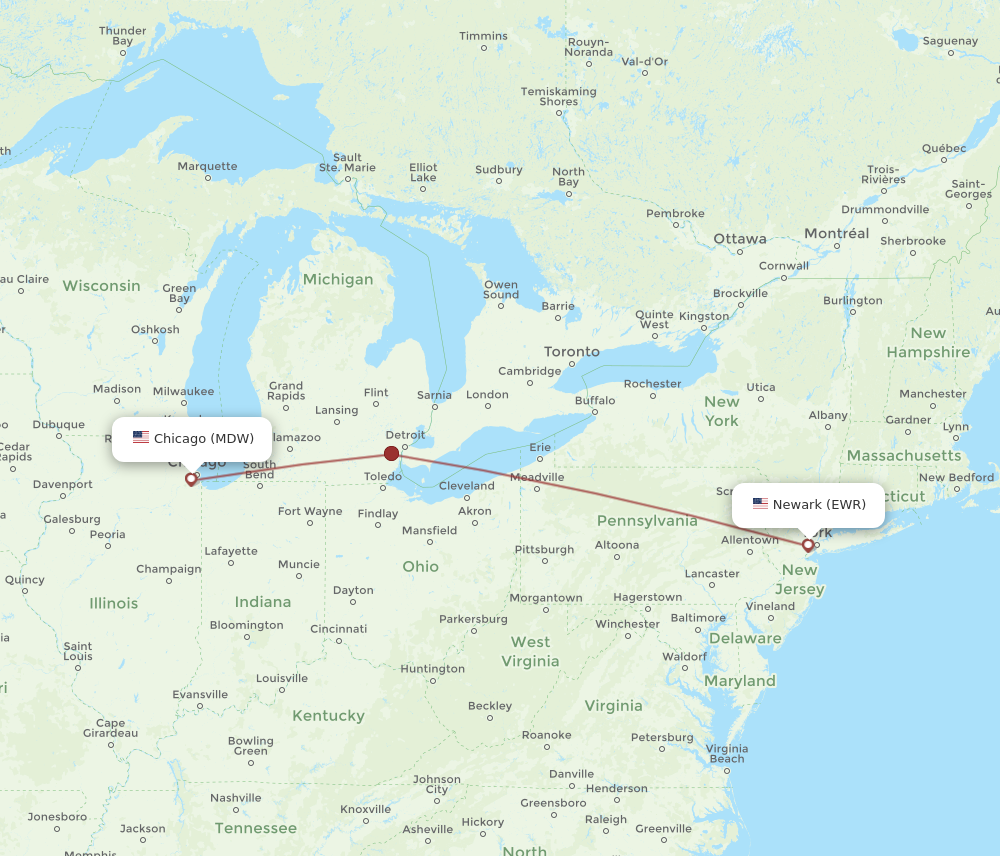
The core question revolves around the time spent in the air. For a non-stop flight from New York to Chicago, the typical duration ranges from 2 hours to 2 hours and 30 minutes. This is for direct flights, which are by far the most popular and efficient option for this route.
Understanding Non-Stop vs. Connecting Flights
When planning your trip, it’s crucial to distinguish between non-stop and connecting flights. A non-stop flight is the most direct route, taking you from your departure airport to your destination without any intermediate stops. This is where the 2-to-2.5-hour estimate applies.
A connecting flight, however, involves one or more layovers at another airport. While sometimes more affordable, these flights significantly extend your total travel time. A connecting flight could easily turn a 2-hour airborne journey into a 5-hour, 8-hour, or even longer travel day, depending on the layover duration and location. For the New York to Chicago route, connecting flights are rarely necessary unless you’re seeking substantial savings or a specific airline loyalty program benefit. Most major airlines offer frequent direct services.
Factors Influencing Flight Time
Even for non-stop flights, the exact duration can fluctuate due to several variables:
- Aircraft Type: Modern, faster jets might shave a few minutes off the journey compared to older models. However, for a relatively short domestic flight like NYC to ORD, this difference is usually marginal.
- Air Traffic Control (ATC) and Route Optimizations: Air traffic congestion, especially around major hubs like New York and Chicago, can lead to slight delays or re-routing, impacting flight time. ATC constantly optimizes flight paths for safety and efficiency, which can result in minor variations.
- Headwinds/Tailwinds: Wind conditions play a significant role. Flying eastward across the United States, planes often benefit from tailwinds, making the journey quicker. Conversely, flying westward (like from New York to Chicago), strong headwinds can extend the flight by 15-30 minutes. Pilots and airlines account for these factors in their estimated flight times.
- Weather Conditions: Severe weather at either departure or arrival airport, or along the flight path, can lead to delays, diversions, or longer flight times as pilots navigate around storms.
- Gate Availability: On arrival, if a gate isn’t immediately available, the aircraft might have to wait on the tarmac, adding to the total time from touchdown to deplaning, though not to the actual “flight time.”
Beyond the Air: The Full Travel Journey
While the flight itself is relatively short, the complete door-to-door journey from your starting point in New York to your final destination in Chicago involves several stages that demand consideration and planning.
Navigating New York’s Airports: Departure Day
New York City is served by three major airports, each with its own characteristics and travel times:
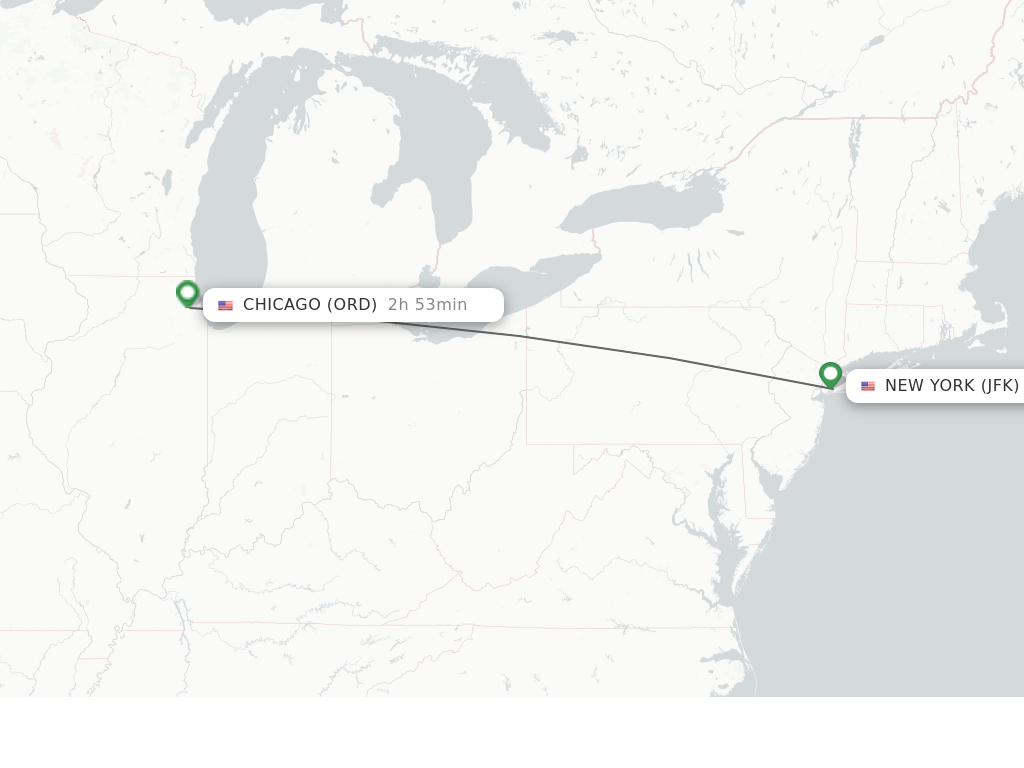
- John F. Kennedy International Airport (JFK): Located in Queens, JFK is primarily known for international flights but also handles a substantial volume of domestic traffic. Getting to JFK from Manhattan can take anywhere from 45 minutes to 1.5 hours by taxi or ride-share, often longer during peak traffic. The AirTrain JFK connects to subway and Long Island Rail Road (LIRR) services, offering a more predictable but sometimes longer journey.
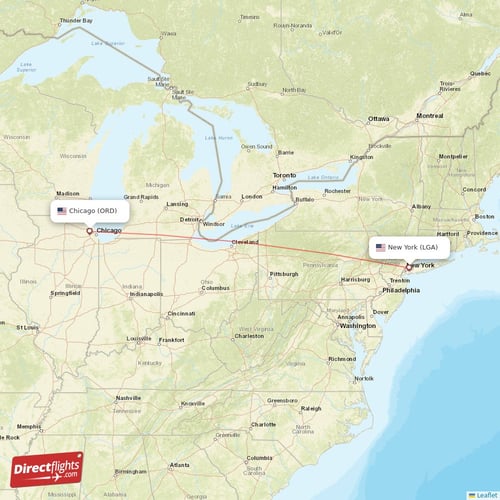
- LaGuardia Airport (LGA): Also in Queens, LGA is undergoing massive redevelopment and is primarily a domestic hub. Its closer proximity to Manhattan (typically 30-60 minutes by car, depending on traffic) makes it a popular choice for Chicago-bound travelers. Public transport options are improving with the new LaGuardia AirTrain planned.
- Newark Liberty International Airport (EWR): Located in Newark, New Jersey, EWR serves the NYC metropolitan area and is a major hub for United Airlines. Travel time from Manhattan to EWR by car or express bus ranges from 45 minutes to 1.5 hours. The AirTrain Newark provides efficient rail links to Penn Station in Manhattan.
Regardless of the airport, remember to factor in time for check-in, security screening (which can vary wildly depending on the time of day and airport), and boarding. For domestic flights, arriving 1.5 to 2 hours before your scheduled departure is a safe bet, especially during peak travel times.
Arrival and Exploration in Chicago
Upon landing in Chicago, you’ll likely arrive at one of two major airports:
- O’Hare International Airport (ORD): One of the busiest airports in the world, O’Hare is located approximately 18 miles northwest of downtown Chicago. The most convenient way to reach the city center is via the CTA Blue Line train, which takes about 45-60 minutes. Taxis and ride-shares can take 30-90 minutes, depending on traffic.
- Midway International Airport (MDW): Closer to downtown Chicago (about 11 miles southwest), Midway is a hub for Southwest Airlines and is often preferred for its ease of access. The CTA Orange Line connects Midway to downtown in about 20-25 minutes. Taxis and ride-shares typically take 20-40 minutes.
After deplaning, allow time for baggage claim (if checking luggage) and transit to your final destination in Chicago. This entire process, from touchdown to stepping into your hotel lobby or first meeting, can add another 1 to 2.5 hours to your overall journey.
Considering all these factors, a typical door-to-door travel time from New York to Chicago for a non-stop flight can realistically range from 4.5 to 7 hours, depending on your starting point, chosen airport, mode of transport, and security wait times.
Making the Most of Your Trip: New York and Chicago Highlights
Both New York and Chicago are world-class destinations brimming with attractions, culture, and unique experiences. Understanding what each city offers can help you plan your itinerary effectively.
Iconic Landmarks and Attractions in New York
Before or after your flight, immerse yourself in the vibrant energy of New York City. Whether you’re a first-time visitor or a seasoned explorer, there’s always something new to discover:
- Statue of Liberty & Ellis Island: A timeless symbol of freedom and a profound historical site for immigration.
- Empire State Building & Top of the Rock: Offering unparalleled panoramic views of the city skyline.
- Central Park: A sprawling urban oasis perfect for a leisurely stroll, a bike ride, or simply people-watching.
- Times Square: The dazzling heart of Broadway, alive with neon lights, street performers, and world-renowned theaters.
- Museum of Modern Art (MoMA) & Metropolitan Museum of Art (The Met): Home to some of the world’s most impressive art collections, catering to diverse tastes.
- Brooklyn Bridge: Walk or bike across this iconic landmark for stunning views of Manhattan and Brooklyn.
- Greenwich Village & SoHo: Explore charming streets, unique boutiques, and historical literary sites.
Discovering Chicago’s Unique Charm
Upon arrival, Chicago welcomes you with its distinctive architecture, world-class museums, and a vibrant food scene:
- Millennium Park: Home to the famous “Cloud Gate” sculpture (the Bean), Crown Fountain, and the outdoor Jay Pritzker Pavilion.
- Art Institute of Chicago: One of the oldest and largest art museums in the United States, boasting an encyclopedic collection.
- Architectural River Cruise: The best way to appreciate Chicago’s stunning skyline and learn about its rich architectural history.
- Navy Pier: A family-friendly attraction with rides, restaurants, shops, and seasonal events along the shores of Lake Michigan.
- Magnificent Mile: A premier shopping district along Michigan Avenue, featuring high-end boutiques, department stores, and luxury hotels.
- Deep Dish Pizza: No trip to Chicago is complete without indulging in its signature deep-dish pizza from iconic establishments like Lou Malnati’s, Giordano’s, or Pequod’s Pizza.
- Skydeck Chicago at Willis Tower / 360 Chicago at John Hancock Center: For breathtaking views of the city and Lake Michigan.
Planning Your Stay: Accommodation and Lifestyle
Whether your trip is for business, a family vacation, or a luxury getaway, both New York and Chicago offer a diverse range of accommodation options to suit every preference and budget.
Finding the Perfect Hotel in Both Metropolises
From opulent five-star resorts to cozy boutique hotels and budget-friendly apartments, the choices are vast.
In New York:
- Luxury: Hotels like The Plaza Hotel, St. Regis New York, or Mandarin Oriental, New York offer unparalleled service and amenities, often with iconic views.
- Mid-Range: Brands such as Hilton, Marriott, and Hyatt have numerous properties across Manhattan and other boroughs, providing comfort and convenience.
- Boutique & Budget: Explore trendy areas like Lower East Side, Brooklyn, or Long Island City for unique stays and more affordable options, often with easy subway access to major attractions. Serviced apartments are also an excellent option for longer stays or those seeking a home-away-from-home feel.
In Chicago:
- Luxury: Along the Magnificent Mile and in the Loop, you’ll find high-end options like The Langham Chicago, Four Seasons Chicago, or Waldorf Astoria Chicago, known for their exceptional service and prime locations.
- Mid-Range: Numerous reputable hotel chains offer comfortable and convenient stays near major attractions, business districts, and convention centers. Consider properties in areas like River North or Streeterville.
- Boutique & Unique: Chicago also boasts a thriving scene of stylish boutique hotels, particularly in neighborhoods like West Loop or Fulton Market, offering distinct character and access to cutting-edge dining and nightlife.
When booking accommodation, always consider the location relative to the attractions or business meetings you plan to attend, as well as proximity to public transportation. Reviews and comparison sites can be invaluable resources for finding the best fit for your travel style and budget.
Travel Styles: Business, Leisure, or Family Adventures
The “how long” of your trip can also be dictated by your travel purpose and lifestyle.
- Business Stays: For corporate travelers, efficiency is key. Choosing airports with reliable public transport links to business districts (e.g., LGA or EWR to Midtown Manhattan, MDW to Chicago Loop) can save precious time. Booking hotels with business amenities, such as meeting rooms, fast Wi-Fi, and executive lounges, is often a priority. The short flight time between New York and Chicago makes same-day return trips feasible for urgent meetings, though a single overnight stay is more comfortable for extended discussions.
- Leisure & Luxury Travel: If you’re traveling for pleasure, the journey itself can be part of the experience. Consider upgrading to first class or business class for added comfort, expedited airport services, and a more relaxed flight. This frees up time and energy to enjoy fine dining, theatrical performances, and exclusive shopping at your destination.
- Family Trips: Traveling with family requires extra planning. Opt for direct flights to minimize stress and fatigue. Choose family-friendly hotels or serviced apartments with amenities like swimming pools, kids’ clubs, or kitchens. When exploring, factor in travel time between attractions and build in breaks for younger travelers. Both New York and Chicago offer numerous attractions suitable for all ages, from museums and parks to interactive exhibits.
Smart Travel Tips for the NYC-Chicago Route
To ensure a smooth and enjoyable journey from New York to Chicago, keep these tips in mind:
- Book in Advance: Especially for peak travel seasons (holidays, summer, major events), booking flights and popular accommodations well in advance can secure better prices and availability.
- Be Flexible with Dates: If your schedule allows, flying on Tuesdays, Wednesdays, or Saturdays often yields lower fares and less crowded airports compared to Mondays, Fridays, and Sundays.
- Check Airport Specifics: Know which New York and Chicago airports your flight uses, and plan your ground transportation accordingly. Use apps for real-time traffic updates.
- Consider TSA PreCheck/Global Entry: These programs can significantly reduce your time in security lines, particularly beneficial at busy airports like JFK, LGA, EWR, and ORD.
- Pack Smart: For a short flight, a carry-on only strategy can save time at baggage claim, getting you out of the airport faster.
- Stay Informed: Monitor your flight status through airline apps or airport websites for any last-minute gate changes or delays.
- Embrace Public Transportation: Both New York and Chicago boast excellent public transit systems. Utilizing subways, buses, and trains can be more cost-effective and often faster than taxis or ride-shares, especially during rush hour.
- Hydrate and Stay Comfortable: Even on a short flight, staying hydrated and wearing comfortable clothing can make a big difference in your overall well-being.
In conclusion, while the flight time from New York to Chicago is a mere couple of hours, the complete travel experience is a multi-faceted journey that can be efficiently managed with careful planning. By understanding the variables and leveraging smart travel strategies, you can transform a simple city-to-city transfer into a seamless and enjoyable part of your adventure.
LifeOutOfTheBox is a participant in the Amazon Services LLC Associates Program, an affiliate advertising program designed to provide a means for sites to earn advertising fees by advertising and linking to Amazon.com. Amazon, the Amazon logo, AmazonSupply, and the AmazonSupply logo are trademarks of Amazon.com, Inc. or its affiliates. As an Amazon Associate we earn affiliate commissions from qualifying purchases.