
Understanding the duration of a flight from New York to Dallas is crucial for planning any trip, whether for business, leisure, or a brief escape. This transcontinental journey covers a significant distance across the United States, and while the advertised flight times offer a general guideline, several factors can influence the actual time spent in the air. This guide delves into the typical flight durations, the variables that affect them, and what travelers can expect when traversing this popular route.
Typical Flight Durations
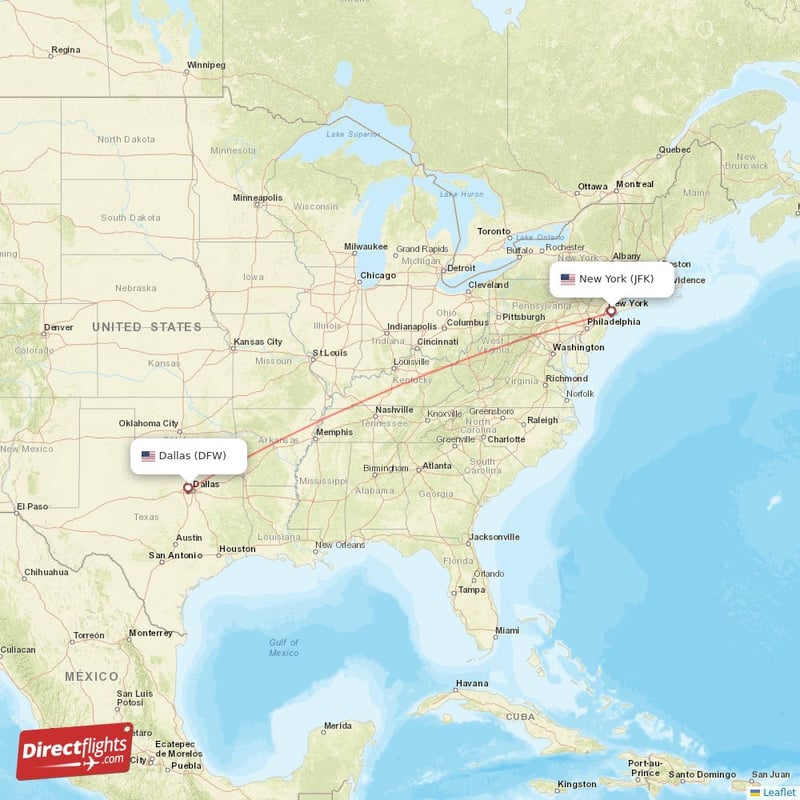
Direct flights between New York City and Dallas, Texas are the most sought-after for their efficiency. On average, these non-stop flights can range from approximately 3.5 to 4.5 hours. This timeframe is subject to prevailing wind conditions, the specific flight path taken by the airline, and the efficiency of air traffic control at both the departure and arrival airports.

Factors Influencing Direct Flight Times
- Aircraft Type and Speed: Different aircraft models have varying cruising speeds. While most major airlines utilize efficient jetliners on this route, subtle differences in their capabilities can contribute to minor variations in flight duration.
- Wind Speed and Direction (Jet Stream): The United States experiences a powerful atmospheric current known as the jet stream. Flying eastward generally benefits from tailwinds, reducing flight time, while flying westward can encounter headwinds, extending it. The flight from New York to Dallas is predominantly westward, meaning headwinds can play a noticeable role in extending the flight beyond the minimum advertised time.
- Air Traffic Control and Routing: Air traffic control plays a vital role in managing the skies. Flight paths are not always a straight line; they are often dictated by weather patterns, military airspace, and the need to maintain safe separation between aircraft. These deviations, though often minimal, can add a few minutes to the journey.
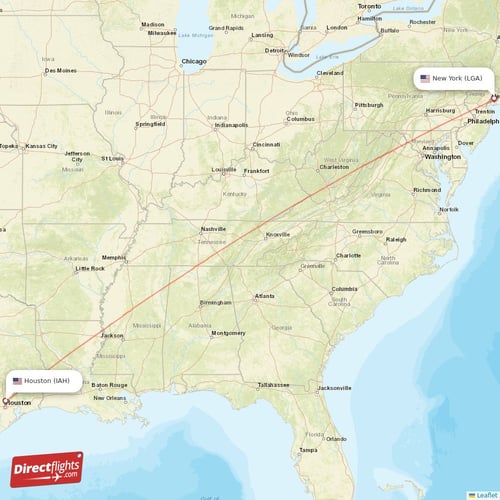
- Airport Congestion: Delays can occur not just in the air but also on the ground. Congestion at major hubs like John F. Kennedy International Airport (JFK) or LaGuardia Airport (LGA) in New York, and Dallas/Fort Worth International Airport (DFW) or Dallas Love Field in Dallas, can lead to extended taxi times or gate delays, which are not part of the airborne flight duration but contribute to the overall travel experience.
Flights with Layovers
For travelers seeking more budget-friendly options, flights with one or more layovers are common. These itineraries significantly increase the total travel time. The duration of a flight with a layover is not solely determined by the time spent in the air but also by the length of the stopover.
Common Layover Cities and Their Impact
- Midwest Hubs: Cities like Chicago, St. Louis, or Denver often serve as connecting points for flights between the East and West coasts. A layover in one of these cities could add anywhere from 1.5 to 4 hours (or more) to your total travel time, depending on the connection duration.
- Southern Hubs: Sometimes, flights may connect through southern cities like Atlanta or Charlotte. These routes can also involve similar layover times.
- Total Travel Time: When considering a flight with a layover, it’s essential to look at the “total duration” provided by airlines, which includes the time spent on the ground between flights. This can easily push the total travel time from New York to Dallas to anywhere from 6 to 12 hours, or even longer for less convenient connections.
Planning Your Travel Day
To make the most of your journey, it’s wise to account for potential variations in flight times.
Pre-Flight Considerations
- Airport Arrival: For domestic flights, arriving at the airport at least two hours before departure is generally recommended. This allows ample time for check-in, security screening, and navigating to your gate, especially at large airports like those serving New York and Dallas.
- Time Zone Changes: Remember that Dallas observes Central Standard Time (CST), which is one hour behind Eastern Standard Time (EST) observed in New York. This time difference should be factored into your arrival and departure planning. For instance, a 4-hour flight departing New York at 2:00 PM EST will arrive in Dallas around 5:00 PM CST (accounting for the 2 PM + 4 hours flight time + 1 hour time difference).
Post-Flight Logistics
- Baggage Claim and Ground Transportation: Upon arrival at Dallas/Fort Worth International Airport or Dallas Love Field, factor in time for baggage claim and securing ground transportation. Dallas offers various options, including rental cars, ride-sharing services, and public transport, to reach your final destination within the city.
- Connection Times: If you have a connecting flight, ensure your layover is sufficiently long to comfortably make your next flight, especially if you need to change terminals or retrieve and re-check baggage. Airlines typically suggest a minimum connection time, but adding an extra hour can prevent stress and potential missed connections.
In conclusion, while a direct flight from New York to Dallas is typically around 3.5 to 4.5 hours, understanding the variables that can affect this duration is key. By accounting for wind, air traffic, potential layovers, and pre- and post-flight logistics, travelers can better prepare for their journey and ensure a smoother travel experience.
LifeOutOfTheBox is a participant in the Amazon Services LLC Associates Program, an affiliate advertising program designed to provide a means for sites to earn advertising fees by advertising and linking to Amazon.com. Amazon, the Amazon logo, AmazonSupply, and the AmazonSupply logo are trademarks of Amazon.com, Inc. or its affiliates. As an Amazon Associate we earn affiliate commissions from qualifying purchases.