
Planning a trip from the bustling streets of New York to the romantic landscapes of France is an exciting endeavor, but understanding the logistics of your journey is the first step toward a seamless travel experience. Whether you are flying for business, a quick getaway, or an extended European vacation, the duration of your flight is influenced by a variety of factors, including the specific departure airport, flight path, and wind conditions.
Understanding Direct Flight Durations
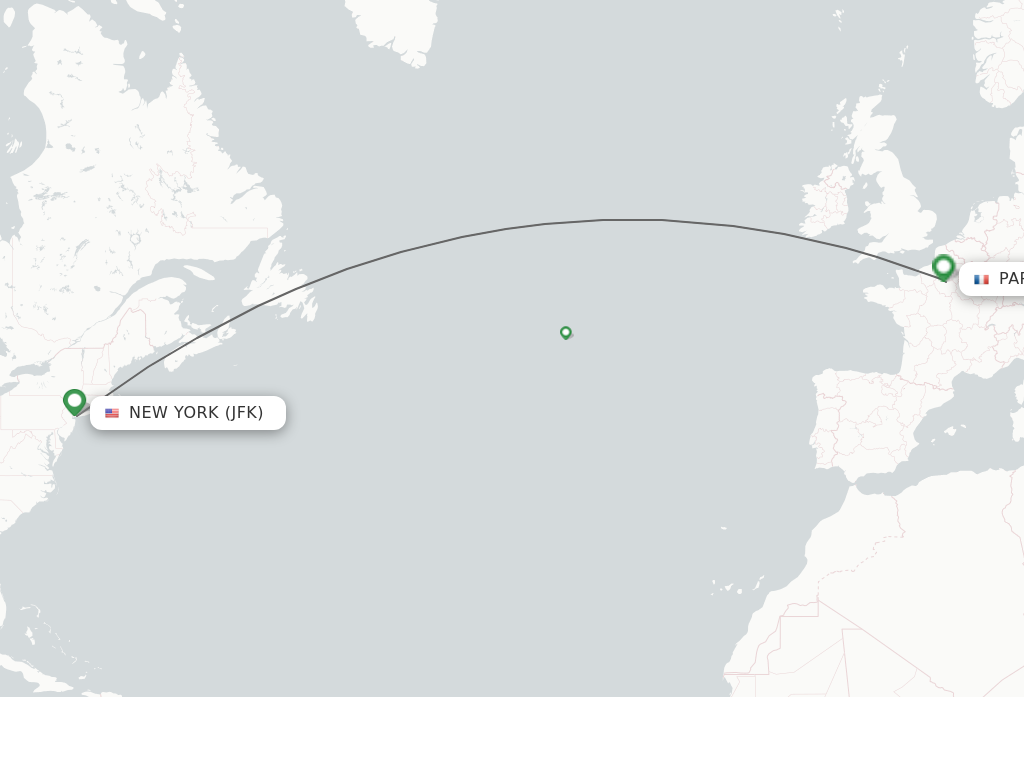
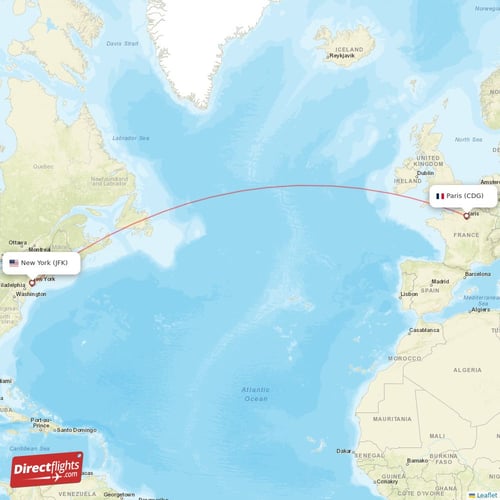
For most travelers departing from the United States, the most efficient way to cross the Atlantic Ocean is by booking a non-stop service. When flying from John F. Kennedy International Airport to Charles de Gaulle Airport in Paris, you can expect an average flight time of approximately 7 hours and 30 minutes to 8 hours.
Factors Influencing In-Flight Time
While the flight time is generally consistent, several variables play a role in how long you will spend in the air:
- Jet Stream Patterns: Flying eastbound, planes often benefit from tailwinds caused by the jet stream, which can shorten the flight time significantly. Conversely, returning from France to New York often takes slightly longer due to flying against these high-altitude winds.
- Flight Path Variations: Air traffic control protocols and weather conditions over the North Atlantic may require pilots to adjust their flight path, which can add or subtract minutes from your journey.
- Departure and Arrival Airports: While Paris is the primary hub, flights arriving at Nice Côte d’Azur Airport or Lyon-Saint Exupéry Airport may have slightly different durations due to the distance and specific flight corridors utilized by airlines.
The Reality of Connecting Flights
Not every journey from New York to France is a non-stop affair. Many travelers choose connecting flights to secure better ticket prices or to visit multiple destinations. If your itinerary involves a layover, the “total time” of your travel will increase significantly.
Strategic Layovers
When booking a flight with a connection, it is essential to consider the duration of your layover. A typical connecting flight might take you through major aviation hubs such as London Heathrow Airport, Frankfurt Airport, or Dublin Airport.
A short connection—lasting 90 minutes to two hours—is generally ideal. It provides enough time to navigate security and transfer gates without leaving you stranded in an airport for an extended period. If your layover exceeds four hours, it is often wise to consider the added fatigue of a longer travel day. Total travel time with a connection can easily range from 11 to 15 hours or more, depending on the efficiency of the connection.
Maximizing Comfort on Long-Haul Travel
Because the flight from New York to France is a long-haul international journey, your comfort on board should be a priority. Regardless of whether you are seated in economy, business, or first class, the duration of the flight is substantial enough to require careful preparation.
Tips for a Better Flying Experience
To arrive feeling refreshed and ready to explore Paris or the French Riviera, consider the following strategies:
- Hydration is Key: The air in the aircraft cabin is notoriously dry. Consuming plenty of water throughout the flight will help mitigate the effects of the low humidity and help reduce jet lag.
- Strategic Sleep: If you are taking an overnight flight, try to adjust your watch to the time zone of your destination as soon as you board. This mental adjustment helps signal to your body when it is time to sleep and wake, facilitating an easier transition once you land in France.
- Choose Your Seat Wisely: If you prefer to walk around or need to visit the restroom frequently, an aisle seat is beneficial. If you plan to sleep for the duration of the flight, a window seat provides a wall to lean against and ensures you won’t be disturbed by neighbors.
- In-Flight Entertainment and Comfort Items: Pack noise-canceling headphones, an eye mask, and a neck pillow. Even if the airline provides amenities, having your own high-quality gear can make a massive difference in your ability to relax during those eight hours at thirty thousand feet.
Preparing for Your Arrival
Once you touch down in France, you will need to navigate airport customs and immigration. The total time from the moment you leave your home in New York until you drop your bags at your hotel in Lyon or Bordeaux often exceeds 12 to 14 hours.
Jet Lag Mitigation
Crossing multiple time zones is taxing on the circadian rhythm. France is generally six hours ahead of New York. To combat the inevitable fatigue:
- Get Natural Light: As soon as you arrive, spend time outdoors in the natural sunlight. This is one of the most effective ways to reset your internal clock.
- Moderate Activity: Avoid the temptation to nap immediately upon checking into your hotel. Instead, engage in light activities like a walk through a local park or a coffee at a nearby cafe.
- Stay Awake Until Local Evening: Pushing yourself to stay awake until a normal bedtime in France will help you acclimate significantly faster than if you succumb to an afternoon nap.

Conclusion: Setting Expectations for Your Journey
The flight from New York to France is the gateway to a world of history, art, and exquisite culinary experiences. While an eight-hour flight may seem daunting to some, modern aviation has made it a relatively routine experience. By choosing your flight itinerary based on your personal budget and comfort requirements, and by preparing your body for the time difference, you can ensure that your travel day is simply a preamble to an unforgettable adventure in one of the most beautiful countries in the world. Whether you are arriving to walk the streets of Versailles or to experience the vibrant atmosphere of Marseille, the time spent in the air is merely a small investment toward the memories you will create upon landing. Plan well, travel smart, and enjoy every moment of your journey across the Atlantic.
LifeOutOfTheBox is a participant in the Amazon Services LLC Associates Program, an affiliate advertising program designed to provide a means for sites to earn advertising fees by advertising and linking to Amazon.com. Amazon, the Amazon logo, AmazonSupply, and the AmazonSupply logo are trademarks of Amazon.com, Inc. or its affiliates. As an Amazon Associate we earn affiliate commissions from qualifying purchases.