
Traveling across the United States from the Atlantic coast to the Pacific Northwest is one of the most popular domestic routes for both business travelers and vacationers. When planning a journey from New York to Seattle, the duration of your flight is influenced by a variety of factors, including wind patterns, flight paths, and airport logistics. Understanding these variables can help you better prepare for your cross-country excursion.
Estimating Your Time in the Air
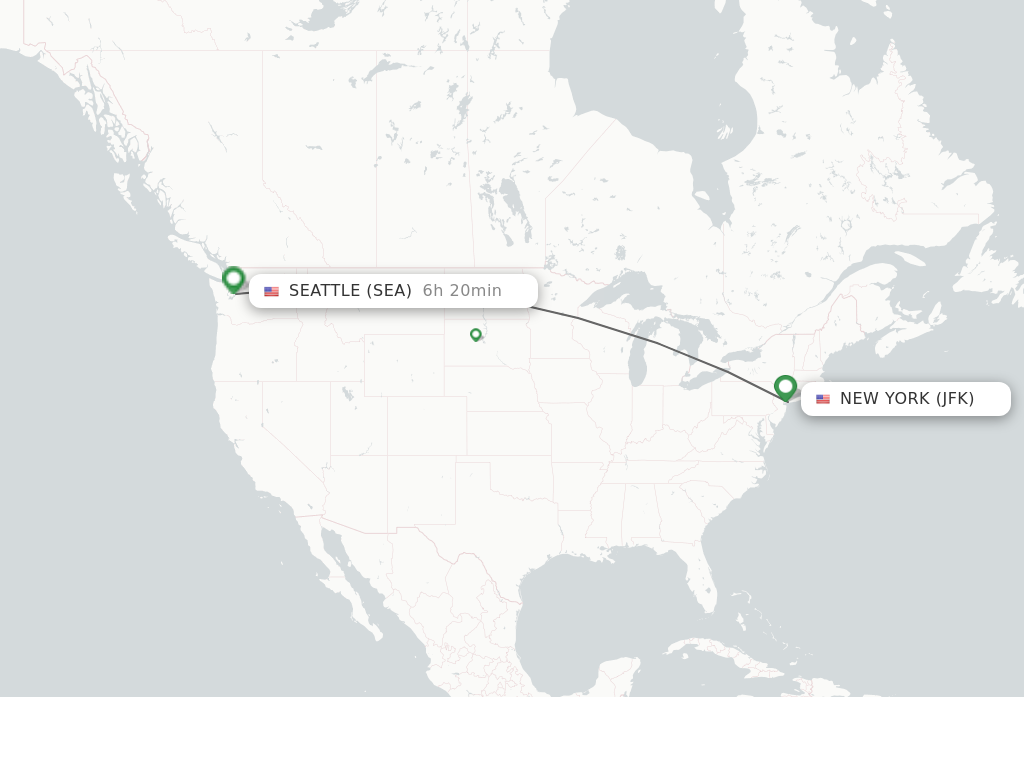
For most travelers, the duration of a non-stop flight from the East Coast to the West Coast is a key consideration when booking. On average, you should expect to spend between 6 hours and 6 hours and 45 minutes in the air when flying directly from John F. Kennedy International Airport or Newark Liberty International Airport to Seattle-Tacoma International Airport.
The Influence of Jet Streams
One of the most significant factors determining flight time is the prevailing wind, specifically the jet stream. Because the jet stream generally flows from west to east across North America, flights returning from Washington to New York often benefit from a “tailwind,” which can reduce flight time by 30 to 45 minutes. Conversely, when flying from New York to Seattle, your aircraft is typically flying against these headwinds, which is why westward flights are almost always longer than their eastward counterparts.
Direct vs. Connecting Flights
While direct flights are the most time-efficient, many travelers opt for connecting flights due to price or airline preference. If you book a flight with a layover, your total travel time can increase significantly. Layovers in major hubs such as Denver, Chicago, or Salt Lake City can add anywhere from two to five hours to your total journey, depending on the efficiency of the transfer and the duration of the gap between flights.
Choosing the Best Route and Airline
With major carriers operating frequent service between these two metropolitan hubs, travelers have a wealth of options. Choosing the right airline can impact not just the flight time, but the overall comfort and efficiency of your experience.
Hub-to-Hub Advantages
Major airlines often utilize their primary hubs to streamline traffic between New York and Seattle. By choosing a carrier that offers non-stop service, you minimize the risk of missed connections and luggage handling issues. Airlines like Alaska Airlines, Delta Air Lines, and United Airlines frequently service this route, providing multiple departures throughout the day.

Airport Efficiency
Where you depart from in New York can play a subtle role in your travel timeline. John F. Kennedy International Airport is often a preferred departure point for international and long-haul domestic flights, while Newark Liberty International Airport offers excellent connectivity for those coming from New Jersey or the western side of the city. Depending on traffic and public transit access, selecting the airport closest to your origin can save you more time on the ground than any flight speed variance could save you in the air.
Managing the Time Zone Shift
A unique aspect of traveling from New York to Seattle is the impact of crossing time zones. You will be moving from Eastern Standard Time (EST) to Pacific Standard Time (PST), a shift of three hours.
The “Gift” of Time
Because you are traveling westward, the time on your watch will move backward. This can be advantageous for travelers arriving in Seattle for business or leisure. A flight departing New York at 9:00 AM might land in Seattle at approximately 12:30 PM local time. Effectively, the three-hour time gain makes the six-hour flight feel like a shorter portion of your day, allowing you to reach your destination by early afternoon.
Combating Travel Fatigue
Despite the time zone advantage, a six-hour flight is still a significant stretch of time to remain seated. To maximize your comfort:
- Hydration: The dry air in aircraft cabins can lead to quick dehydration. Carry a reusable water bottle and fill it post-security.
- Movement: If you are on a larger aircraft, aim to walk the aisle periodically to maintain circulation.
- Entertainment: Given the length of the flight, download your favorite films, podcasts, or reading materials before you reach the airport, as Wi-Fi speeds can vary once you are at cruising altitude.
Preparing for Arrival in Seattle
Once you land at Seattle-Tacoma International Airport, you are roughly 15 to 20 miles south of downtown Seattle.
Transportation Options
Depending on your final destination within the city, you have several ways to complete your journey:
- Light Rail: The Sound Transit Link light rail is a highly efficient way to reach downtown Seattle and the University District, bypassing potential highway congestion.
- Ride-Sharing and Taxis: For those with heavy luggage or specific destinations, ride-sharing services are readily available at the designated airport pick-up zones.
- Rental Cars: If your itinerary includes exploring the broader Pacific Northwest, picking up a rental car at the Seattle-Tacoma International Airport consolidated car rental facility is a seamless process.

Seasonal Considerations
Keep in mind that Seattle experiences unique weather patterns that can occasionally impact airport operations. During the autumn and winter months, heavy rain or fog can lead to air traffic control delays or ground holds. While your scheduled flight time might remain the same, it is always wise to check your flight status 24 hours prior to departure, especially during the wetter months in Washington.
By understanding the flight duration, the impact of headwinds, and the logistics of navigating both the New York and Seattle airports, you can approach your travel plans with confidence. Whether you are traveling for the bustling energy of the East Coast or the mountainous beauty of the West Coast, this cross-country flight is a bridge between two of the most iconic landscapes in the United States. Plan your travel window accordingly, keep an eye on the jet stream reports, and prepare for a smooth transition across the continent.
LifeOutOfTheBox is a participant in the Amazon Services LLC Associates Program, an affiliate advertising program designed to provide a means for sites to earn advertising fees by advertising and linking to Amazon.com. Amazon, the Amazon logo, AmazonSupply, and the AmazonSupply logo are trademarks of Amazon.com, Inc. or its affiliates. As an Amazon Associate we earn affiliate commissions from qualifying purchases.