
The allure of Florida as a travel destination is undeniable. From the sun-drenched beaches of the Gulf Coast to the vibrant theme parks of Orlando and the cosmopolitan charm of Miami, the Sunshine State offers a diverse range of experiences for every traveler. For those embarking on a journey from the bustling metropolis of New York City, a crucial piece of planning involves understanding travel times. The duration of a flight from NYC to Florida is not a single, fixed number. It is influenced by a variety of factors, including the specific departure and arrival airports, the type of flight (direct or with layovers), prevailing wind conditions, and even the aircraft’s cruising speed. Nevertheless, a general understanding of these flight durations is essential for effective travel arrangements, whether you’re booking a quick weekend getaway or a longer vacation.
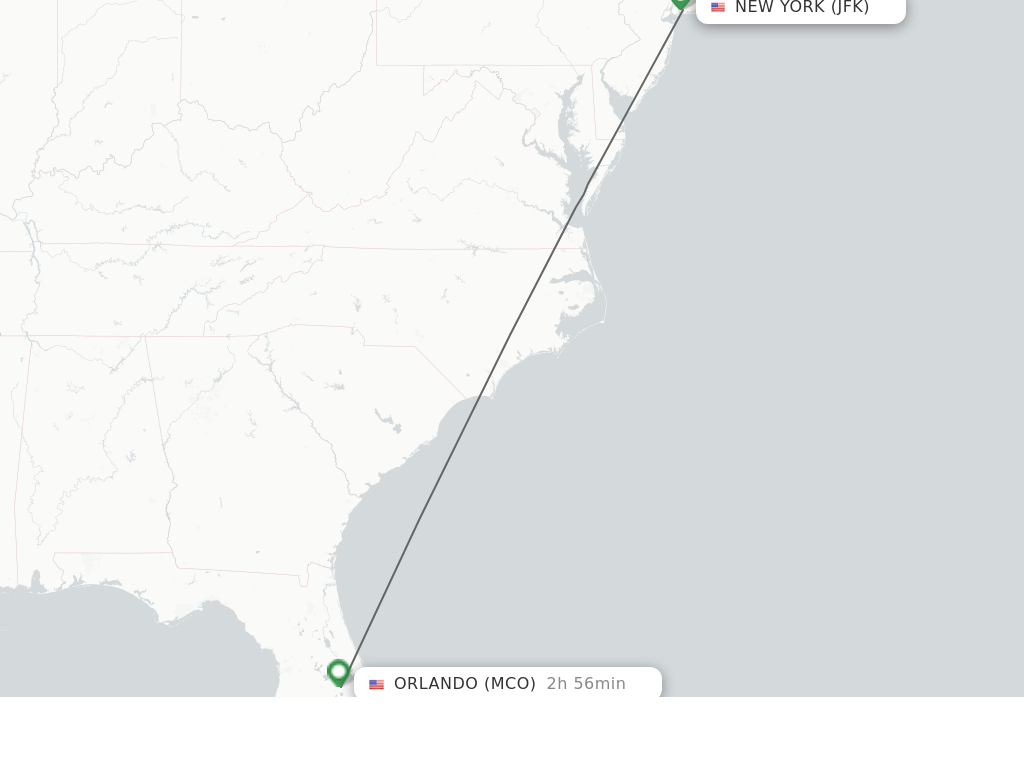
Understanding Direct Flight Durations
Direct flights offer the most straightforward and often the quickest way to travel between New York City and Florida. These flights are highly sought after for their convenience, minimizing travel time and eliminating the hassle of changing planes. The primary airports serving New York City for these routes include John F. Kennedy International Airport (JFK), LaGuardia Airport (LGA), and Newark Liberty International Airport (EWR). On the Florida side, popular arrival destinations with extensive flight networks from NYC include Miami International Airport (MIA), Fort Lauderdale–Hollywood International Airport (FLL), Orlando International Airport (MCO), and Tampa International Airport (TPA).
East Coast to Southeast: A Common Corridor
The flight path from New York City to southern Florida, such as Miami or Fort Lauderdale, typically falls within a very consistent time range for direct flights. These flights usually clock in at approximately 2.5 to 3 hours. This shorter duration is due to the relatively close proximity and the direct, often northerly to southerly, flight path. Airlines operating these routes, including major carriers like American Airlines, Delta Air Lines, United Airlines, and JetBlue Airways, are adept at optimizing these routes for efficiency.
Trans-Florida Journeys: Expanding the Timeline
When your destination is further north within Florida, such as Orlando or Tampa, the flight time naturally extends slightly. A direct flight from NYC to Orlando generally takes between 2 hours and 45 minutes to 3 hours and 15 minutes. Similarly, flights to Tampa often fall into the 3 to 3.5-hour window. These variations, while seemingly minor, can be significant for travelers trying to maximize their time upon arrival. The slight increase in duration is attributed to the additional mileage covered as the flight path extends further up the peninsula.
Factors Affecting Direct Flight Times
While the listed durations are averages, several subtle elements can nudge these times up or down:
- Wind Speed and Direction: Flying south, as most flights from NYC to Florida do, often benefits from tailwinds from the jet stream, which can shorten flight times. Conversely, headwinds can lengthen them.
- Aircraft Type: Different aircraft have varying cruising speeds. A larger, faster jet might shave a few minutes off the journey compared to a smaller regional jet.
- Air Traffic Control: Congestion in airspace, particularly around major hubs like Atlanta or Miami, can sometimes lead to holding patterns or slightly altered flight paths, impacting the overall duration.
- Specific Gate Assignments: While not directly affecting airborne time, the time it takes to taxi to and from the gate can influence the total travel experience from takeoff to reaching the terminal exit.
The Impact of Layovers on Travel Time
For travelers seeking more budget-friendly options or those whose desired arrival airports have fewer direct flight connections from New York City, flights with layovers are a common alternative. While these can often present cost savings, they invariably extend the total travel time significantly. A layover flight involves a stop at an intermediate airport, where passengers may deplane and re-board, or remain on the aircraft while it is refueled or serviced.
Common Layover Hubs
Major airline hubs often serve as connection points for flights between NYC and various Florida cities. Frequently, these include:
- Charlotte Douglas International Airport (CLT): A primary hub for American Airlines.
- Hartsfield–Jackson Atlanta International Airport (ATL): The busiest airport in the world and a major hub for Delta Air Lines.
- Philadelphia International Airport (PHL): Another significant hub for American Airlines.
Estimating Total Layover Journey Times

The total duration of a flight with a layover is a sum of several components:
- Flight time to the layover city: This will be shorter than a direct flight to Florida.
- Layover duration: This is the most variable factor. Layover times can range from a brief 45 minutes to several hours, depending on the airline’s schedule and your chosen itinerary.
- Flight time from the layover city to your Florida destination: This segment will also be shorter than a direct flight from NYC.
Given these variables, a flight from New York City to Florida with one layover can easily range from 5 to 8 hours or more. In some cases, particularly with longer layovers or multiple connections, the total travel time can approach or even exceed a full day.
Tips for Navigating Layovers
- Book strategically: Aim for layovers that are long enough to comfortably make your connection but not excessively long that they eat too much into your vacation time.
- Consider the layover airport: If you have a long layover, research the amenities available at the connecting airport. Some offer lounges, restaurants, and shopping that can make the wait more bearable.
- Factor in deplaning and re-boarding: Even if you are staying on the same aircraft, the process of preparing for the next leg can add time.
- Sign up for flight alerts: Airlines will often notify you of any delays or gate changes, which is crucial when managing layovers.
Choosing Your Florida Destination and Its Impact on Flight Time
The vastness of Florida means that the specific city you choose to fly into will naturally influence your flight duration. From the cosmopolitan energy of Miami to the family-friendly attractions of Orlando, each destination has its own unique travel considerations.
South Florida: Miami and Fort Lauderdale
As mentioned, direct flights to Miami International Airport (MIA) and Fort Lauderdale–Hollywood International Airport (FLL) are among the shortest. These southern gateways offer easy access to the vibrant beaches, upscale dining, and lively nightlife of the Gold Coast. The flight time is typically around 2.5 to 3 hours.
Central Florida: Orlando and Beyond
Orlando, the theme park capital of the world, is a perennial favorite for families and thrill-seekers. Direct flights to Orlando International Airport (MCO) are slightly longer, averaging 2 hours and 45 minutes to 3 hours and 15 minutes. Nearby airports like Tampa International Airport (TPA) also experience similar flight durations. These central Florida hubs provide convenient access to Walt Disney World Resort, Universal Orlando Resort, and the stunning beaches along the Gulf Coast.
Northern and Panhandle Destinations
For those venturing further north into Florida, such as to cities like Jacksonville or Tallahassee in the Panhandle, flight times will naturally increase. Direct flights to Jacksonville International Airport (JAX) might approach 3 hours to 3.5 hours. Flights to the western Panhandle, such as to Pensacola International Airport (PNS), could extend to 3.5 to 4 hours on a direct route. These regions offer a different flavor of Florida, with historic charm, natural beauty, and a more laid-back atmosphere. Travelers heading to these destinations should be prepared for slightly longer flight times, and direct flight options might be less frequent compared to major southern cities, potentially necessitating a layover.
Planning Your New York City to Florida Journey
When planning your trip from New York City to Florida, understanding flight durations is a foundational step. Whether you prioritize speed and opt for a direct flight or seek cost savings with a layover, knowing the approximate travel time allows for more accurate scheduling and a less stressful travel experience.

Key Considerations for Booking
- Departure and Arrival Airports: Be specific about which airports you are considering. Flights from JFK to MIA will differ from LGA to MCO.
- Airline Choice: Different airlines may have slightly different flight paths or aircraft that influence duration.
- Time of Day: While less impactful on flight duration, the time of day can affect ground delays and overall travel experience. Early morning flights often experience fewer delays.
- Seasonality: During peak travel seasons (holidays, spring break), flight availability can be higher, but so can prices. Flight schedules themselves generally remain consistent.
- Total Travel Time: Always consider the total time from leaving your home in New York City to arriving at your accommodation in Florida. This includes travel to the airport, check-in, security, boarding, the flight itself, deplaning, baggage claim, and transport to your final destination. For direct flights, this could be a total of 6-8 hours. For flights with layovers, this can easily stretch to 10-14 hours or more.
Ultimately, the question of “How long is a flight from New York City to Florida?” is best answered by considering your specific travel plans. With direct flights typically ranging from 2.5 to 4 hours depending on the exact destination within Florida, and layover flights extending considerably, informed choices can lead to a smoother and more enjoyable journey to the Sunshine State.
LifeOutOfTheBox is a participant in the Amazon Services LLC Associates Program, an affiliate advertising program designed to provide a means for sites to earn advertising fees by advertising and linking to Amazon.com. Amazon, the Amazon logo, AmazonSupply, and the AmazonSupply logo are trademarks of Amazon.com, Inc. or its affiliates. As an Amazon Associate we earn affiliate commissions from qualifying purchases.