
Embarking on a journey from the sun-drenched theme parks of Orlando to the bustling metropolis of New York City is a popular choice for many travelers. Whether you’re seeking a quick escape, a business trip, or an extended vacation, understanding the duration of your flight is a crucial part of planning. This guide delves into the typical flight times, the factors that influence them, and what to expect during your aerial transit between these two iconic American destinations.
Understanding Flight Durations: The Basics
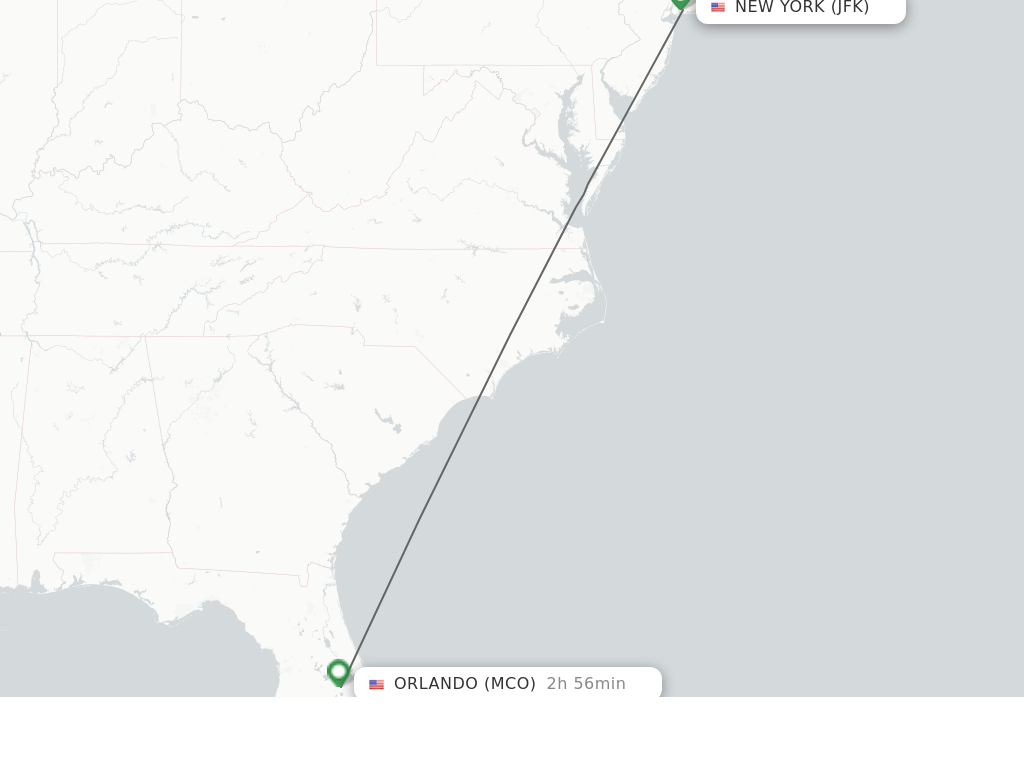
The most direct answer to “How long is a flight from [Orlando] to [New York City]?” is generally between 2 hours and 30 minutes to 3 hours and 15 minutes for a non-stop service. This duration can fluctuate based on several key variables, making it essential to consider these when booking your tickets and anticipating your arrival.
Non-Stop Flights: The Fastest Route
When time is of the essence, non-stop flights are the undisputed champions. Airlines like Delta Air Lines, American Airlines, and United Airlines frequently operate direct services connecting Orlando International Airport (MCO) with major New York City airports, primarily John F. Kennedy International Airport (JFK), LaGuardia Airport (LGA), and sometimes Newark Liberty International Airport (EWR).
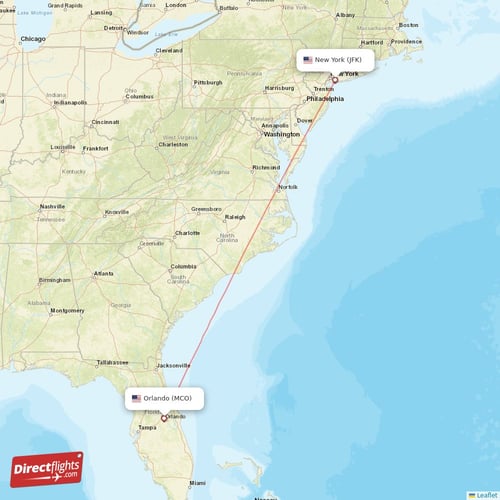
These direct flights are designed for efficiency, minimizing the time spent in the air and eliminating the need for layovers. The typical flight path covers approximately 900 to 1000 miles (around 1450 to 1600 kilometers), a distance that modern commercial aircraft can traverse with ease.
Factors Affecting Flight Time
While the advertised flight time provides a good estimate, the actual duration can be influenced by a variety of factors:
- Wind Speed and Direction: This is arguably the most significant variable for flight duration. Flights traveling north from [Orlando] to [New York City] often benefit from tailwinds (winds blowing in the same direction as the aircraft), which can shorten the flight time. Conversely, headwinds can extend the journey. Jet streams, powerful high-altitude winds, play a crucial role.
- Aircraft Type: Different aircraft have varying cruising speeds. Larger, more modern jets might fly slightly faster than older or smaller models, although the difference is often marginal for this route.
- Airline Scheduling: Airlines often build in buffer time into their schedules to account for potential delays. This means the scheduled flight time might be slightly longer than the absolute minimum possible flight duration.
- Air Traffic Control (ATC): Congestion in the airspace around both [Orlando] and [New York City] can lead to holding patterns or slower descent speeds, adding a few minutes to the overall journey. This is particularly common around major hubs like JFK and LGA.
- Route Optimization: Air traffic control and flight crews work to find the most efficient routes, which can sometimes deviate from the most direct geographical path to take advantage of favorable winds or avoid turbulent weather.
Flights with Layovers: Extending Your Journey
While non-stop flights are ideal for speed, flights with one or more layovers are also common and can sometimes offer more budget-friendly options. These flights significantly extend the total travel time.
Calculating Layover Durations
When considering a flight with a layover, the total travel time is the sum of:
- The flight time from [Orlando] to the connecting city.
- The layover duration at the connecting airport.
- The flight time from the connecting city to [New York City].
A layover can add anywhere from 2 to 6 hours or more to your total travel time, depending on the length of the stop and the airports involved. Common connecting cities for flights from [Orlando] to [New York City] might include hubs like Charlotte Douglas International Airport (CLT), Atlanta Hartsfield-Jackson International Airport (ATL), or even cities further afield.
Choosing Layovers Wisely
For travelers who don’t mind a break, a strategically chosen layover can be beneficial. Some travelers prefer a longer layover to grab a meal, stretch their legs, or even do some quick airport shopping. However, it’s crucial to ensure sufficient time is allocated for connections, especially at large airports where navigating between terminals can take time. Aiming for a layover of at least 90 minutes for domestic connections is generally recommended, but this can vary significantly.
What to Expect During Your Orlando to New York Flight
Regardless of whether your flight is direct or includes a layover, the experience of flying from [Orlando] to [New York City] is generally consistent with domestic air travel within the United States.
Pre-Flight Preparations
- Arrival at the Airport: For domestic flights, it’s advisable to arrive at Orlando International Airport (MCO) at least 2 hours before your scheduled departure. This allows ample time for check-in, security screening, and navigating to your gate.
- Airport Amenities: MCO offers a wide range of amenities, including dining options, retail stores, and lounges, providing opportunities to relax or grab last-minute items before boarding.
In-Flight Experience
- Aircraft Cabin: Depending on the airline and aircraft, you can expect standard seating configurations. Airlines like JetBlue Airways are known for their generous legroom, while others offer more compact seating.
- In-Flight Entertainment: Many airlines provide in-flight entertainment systems with movies, TV shows, and music. Wi-Fi is also increasingly common, though often available for a fee.
- Refreshments: Typically, airlines will offer complimentary non-alcoholic beverages. Snacks may be available for purchase, and some airlines offer more substantial meal options on longer flights, though for this relatively short route, these are less common.
- Views: On a clear day, the views during a flight from [Orlando] to [New York City] can be spectacular. As you ascend, you’ll see the familiar landscape of Central Florida fade away, replaced by the vast expanse of the southeastern United States. During descent into the [New York City] area, you might catch glimpses of the iconic skyline, a thrilling prelude to your arrival.
Post-Flight Arrival in New York City
Upon landing at your chosen New York City airport (be it JFK, LGA, or EWR), you’ll proceed to baggage claim if you checked any luggage. From there, you have various transportation options to reach your final destination within the city or surrounding areas.
- JFK: Offers the AirTrain, subway connections, taxis, ride-sharing services, and car rentals.
- LGA: Accessible via bus services connecting to the subway system, taxis, ride-sharing, and car rentals.
- EWR: Connected by the AirTrain to New Jersey Transit trains, offering access to Manhattan, as well as taxis, ride-sharing, and car rentals.
Planning Your Trip: Optimizing Flight Times and Costs
When booking your flight from [Orlando] to [New York City], consider these tips to optimize your travel experience:
Timing Your Booking
- Advance Booking: Generally, booking your flights several weeks or months in advance can secure lower fares.
- Day of the Week: Mid-week flights (Tuesdays and Wednesdays) are often cheaper than weekend travel.
- Time of Day: Early morning or late-night flights might also present cost savings.
Choosing the Right Airport
New York City has three major airports, and the choice can impact both flight duration and cost.
- JFK: A major international hub, often with the most flight options, but can be subject to more air traffic.
- LGA: Primarily serves domestic flights and is closer to Manhattan, but can experience significant congestion.
- EWR: Located in New Jersey, it’s another viable option, particularly for travelers heading to the western parts of the metropolitan area.
Comparing flight options across all three airports can often lead to better deals and more convenient flight schedules.

Understanding the “Real” Travel Time
It’s important to remember that “flight time” is just one component of your total travel duration. When planning your itinerary, factor in:
- Travel to Orlando International Airport (MCO).
- Airport procedures (check-in, security).
- Boarding time.
- Actual flight time.
- Deplaning and potential baggage claim.
- Travel from the New York City airport to your final destination.
For a non-stop flight, a reasonable estimate for door-to-door travel might be between 5 to 7 hours, depending on traffic and your specific locations in both [Orlando] and New York City. For flights with layovers, this can easily extend to 8 to 12 hours or more.
In conclusion, while a direct flight from [Orlando] to [New York City] is typically around 2.5 to 3 hours, the total travel time is a more complex calculation. By understanding the variables and planning accordingly, you can ensure a smooth and enjoyable journey between these two vibrant American cities.
LifeOutOfTheBox is a participant in the Amazon Services LLC Associates Program, an affiliate advertising program designed to provide a means for sites to earn advertising fees by advertising and linking to Amazon.com. Amazon, the Amazon logo, AmazonSupply, and the AmazonSupply logo are trademarks of Amazon.com, Inc. or its affiliates. As an Amazon Associate we earn affiliate commissions from qualifying purchases.