
Navigating the skies between the nation’s capital and the Windy City is a common travel path for business, leisure, and everything in between. Understanding the typical flight duration is crucial for effective planning, whether you’re booking a last-minute business trip or an extended vacation. This guide delves into the nuances of flight times from Washington D.C. to Chicago, considering various factors that influence your journey.
Direct Flight Durations
For most travelers, the primary consideration when flying between Washington D.C. and Chicago is the convenience and speed of a direct flight. These non-stop services are designed to minimize travel time and are the most popular choice for many.
Average Non-Stop Flight Time
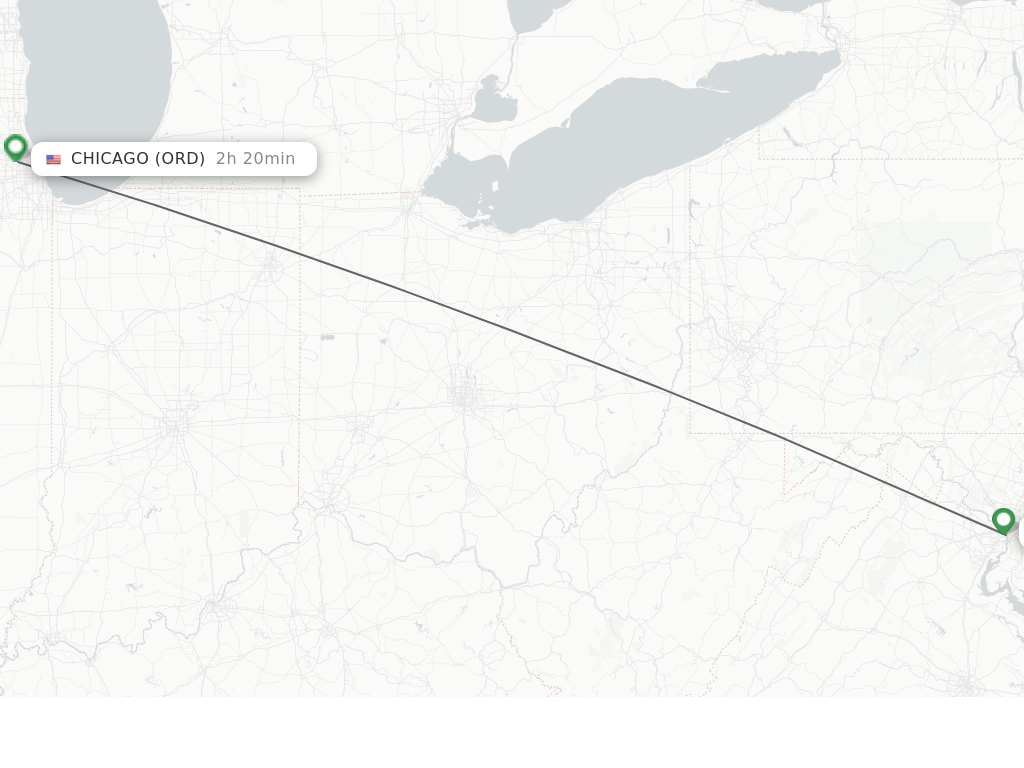
On average, a direct flight from Washington D.C. to Chicago typically spans between 2 hours and 30 minutes to 2 hours and 45 minutes. This timeframe is generally consistent across most major airlines operating this route. It’s important to note that this is the airborne time and does not include taxiing on the runway, boarding, or deplaning.
Airlines Operating the Route
Several prominent airlines service the Washington D.C. to Chicago route. These include:
- United Airlines: With a significant hub in Chicago O’Hare International Airport (ORD), United often provides a substantial number of daily flights.
- American Airlines: Also with a major presence at ORD, American Airlines is another dominant carrier.
- Southwest Airlines: Known for its robust domestic network, Southwest offers flights into Chicago Midway International Airport (MDW), providing an alternative for travelers.
- Delta Air Lines: While perhaps not as dominant as United or American in Chicago, Delta also operates flights on this corridor.
- Spirit Airlines / Frontier Airlines: Budget carriers also frequently fly this route, often with slightly different flight times and pricing structures.
The specific flight duration can vary slightly between these carriers due to differences in aircraft types and flight path optimizations.
Airports in Washington D.C. and Chicago
It’s also worth noting the different airports involved. In the Washington D.C. metropolitan area, travelers typically depart from:
- Washington Dulles International Airport (IAD)
- Ronald Reagan Washington National Airport (DCA)
- Baltimore/Washington International Thurgood Marshall Airport (BWI)
In Chicago, the primary airports of arrival are:
- Chicago O’Hare International Airport (ORD)
- Chicago Midway International Airport (MDW)
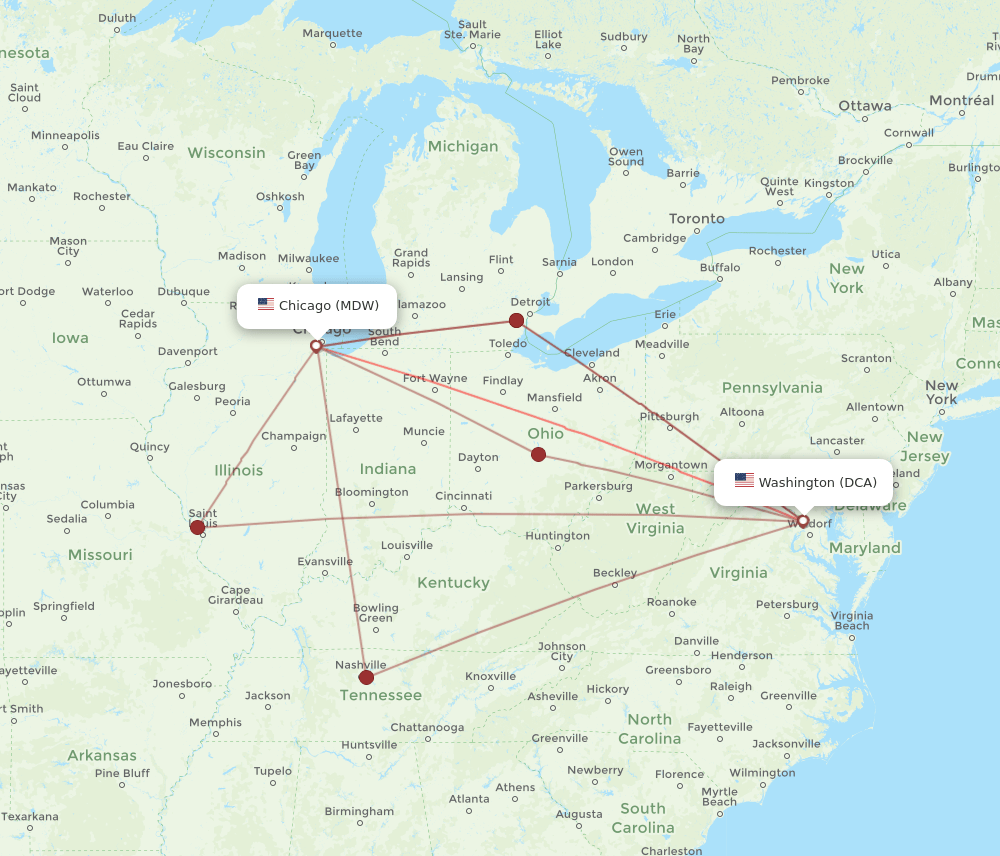
Flights from DCA to ORD or MDW are generally the shortest. Flights from IAD or BWI might be marginally longer, though usually still within the 2.5 to 3-hour window.
Factors Affecting Flight Time
While direct flights offer a predictable timeframe, several external factors can influence the actual flight duration. Being aware of these can help manage expectations and adjust travel plans accordingly.
Weather Conditions
Weather plays a significant role in air travel. Adverse conditions, such as:
- Thunderstorms: Particularly prevalent during the summer months in the Midwest, thunderstorms can cause delays due to necessary rerouting or air traffic control restrictions.
- Snow and Ice: During winter, snowstorms and icy conditions in either Washington D.C. or Chicago can lead to ground delays, de-icing procedures, and altered flight paths.
- High Winds: Strong headwinds can increase flight time, while tailwinds can decrease it.
Airlines monitor weather closely and adjust flight plans to ensure safety, which can sometimes lead to longer flight durations.

Air Traffic Control and Congestion
Both Washington D.C. and Chicago are major air travel hubs with busy airspace. High volumes of air traffic, especially during peak travel times (early mornings, late afternoons, and evenings), can lead to:
- Holding Patterns: Aircraft may be required to circle an airport while waiting for clearance to land, adding time to the journey.
- Ground Delays: Congestion on the tarmac can delay takeoffs and landings.
- Rerouting: Air traffic control may direct flights along different, less direct routes to manage congestion, thereby extending flight time.
Time of Day and Day of Week
The time of day and the day of the week can influence both the direct flight time and the overall travel experience.
- Peak Hours: Flights during morning and evening rush hours at both ends of the journey are more likely to experience minor delays due to airport and air traffic congestion.
- Weekend Travel: Fridays and Sundays are typically the busiest travel days, potentially leading to slightly longer ground times and a higher chance of holding patterns.
- Holidays: Flights around major holidays are often subject to significant weather disruptions and high passenger volumes.
Flights with Layovers
While direct flights are preferred for their efficiency, sometimes flights with layovers are necessary due to cost, schedule availability, or specific travel needs. These journeys will naturally take longer.
Impact of Layover Cities
Flights from Washington D.C. to Chicago with layovers typically involve a stop in another major hub city. Common layover points might include:
- Charlotte Douglas International Airport (CLT)
- Atlanta Hartsfield-Jackson International Airport (ATL)
- Detroit Metropolitan Wayne County Airport (DTW)
- Philadelphia International Airport (PHL)
- New York LaGuardia Airport (LGA) or John F. Kennedy International Airport (JFK)
The duration of these flights depends heavily on the length of the layover and the efficiency of the connection.
Total Travel Time Calculation
To estimate the total travel time for a flight with a layover, you need to consider:
- Flight time to the layover city: This will be shorter than a direct flight to Chicago.
- Layover duration: This can range from a quick 45-minute connection to several hours.
- Flight time from the layover city to Chicago: Again, this segment will be shorter than a direct flight.
A flight with one layover can easily extend the total travel time to anywhere from 4 hours to 8 hours or more, depending on the specific itinerary and the chosen layover city and duration. When booking, always check the total estimated travel time provided by the airline or booking site, and factor in the time needed to deplane, navigate the connecting airport, and re-board.
Planning Your Travel
To ensure your journey from Washington D.C. to Chicago is as smooth as possible, consider these planning tips.
Booking Strategies
- Book in Advance: For the best fares and flight times, especially on direct routes, booking several weeks or months ahead is advisable.
- Flexibility: If your travel dates are flexible, use flight comparison tools that allow you to view prices across different days, which can reveal significant savings and better flight durations.
- Consider Airport Choice: Decide which Washington D.C. area airport and Chicago area airport best suit your needs, as this can affect flight availability and duration.
Pre-Flight Preparations
- Check Flight Status: Always check your flight status on the day of departure, as well as the day before, for any unexpected delays or changes.
- Arrive Early: Especially when flying into or out of busy airports like ORD or DCA, arriving at least two hours before a domestic flight is recommended to account for security lines and check-in procedures.
- Pack Smart: Carry-on essentials can save time and hassle if there are any minor delays or luggage issues.
By understanding the typical flight times and the factors that can influence them, travelers can make informed decisions when planning their trips between Washington D.C. and Chicago, ensuring a more predictable and enjoyable travel experience.
LifeOutOfTheBox is a participant in the Amazon Services LLC Associates Program, an affiliate advertising program designed to provide a means for sites to earn advertising fees by advertising and linking to Amazon.com. Amazon, the Amazon logo, AmazonSupply, and the AmazonSupply logo are trademarks of Amazon.com, Inc. or its affiliates. As an Amazon Associate we earn affiliate commissions from qualifying purchases.