
Embarking on a journey from the bustling metropolis of New York to the historic charm of London is a quintessential transatlantic experience for millions of travelers each year. Whether you’re planning a business trip, a luxury escape, a family vacation, or a budget-conscious adventure, understanding the logistics of this journey is key to a smooth and enjoyable experience. The central question for many first-time flyers, or even seasoned globetrotters, is often: “How long is a flight New York to London?” While a straightforward query, the answer involves a fascinating blend of aviation science, logistical planning, and even meteorological factors, all contributing to the duration of your airborne adventure between these two iconic global hubs.
This article delves into the typical flight times, the variables that can affect your journey, and comprehensive advice on how to prepare for and make the most of your transatlantic crossing. From choosing the right airline and class of service to navigating jet lag and making the most of your arrival, we cover everything you need to know for a seamless transition from the vibrant streets of New York to the stately avenues of London, enriching your travel experience with insights relevant to destinations, accommodation, and the broader lifestyle of international travel.
Unraveling the Typical Flight Duration
The direct flight from New York to London is one of the world’s busiest international air routes, connecting two of the planet’s most influential cities. While the exact duration can vary, there’s a widely accepted average that travelers can anticipate.
The Direct Flight Experience
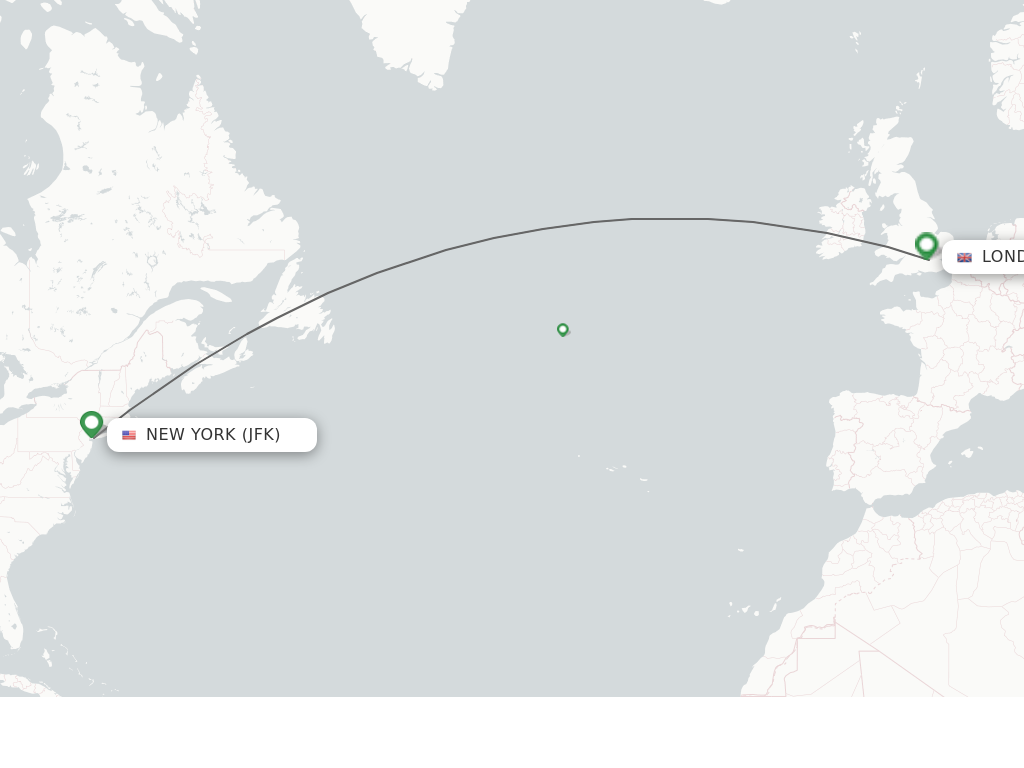
For a direct flight from New York to London, the average flight time typically ranges between 6 hours and 30 minutes to 7 hours and 30 minutes. This journey covers approximately 3,450 miles (5,550 kilometers) and transports you across the vast expanse of the Atlantic Ocean. When traveling in the opposite direction, from London back to New York, the flight duration tends to be longer, often falling between 7 hours and 30 minutes to 8 hours and 30 minutes. This difference is primarily due to the powerful influence of the jet stream, a ribbon of strong winds flowing from west to east across the globe at high altitudes, which we will explore further.
Travelers departing from the New York metropolitan area usually do so from one of its major international gateways: John F. Kennedy International Airport (JFK), Newark Liberty International Airport (EWR), or, less commonly for transatlantic routes, LaGuardia Airport (LGA), although LGA primarily serves domestic routes. Upon arrival in London, the most frequent entry points are Heathrow Airport (LHR), the busiest airport in the United Kingdom and a major global hub, or Gatwick Airport (LGW). London Stansted Airport (STN) also handles some transatlantic flights, though less frequently from New York.
Numerous reputable airlines offer direct flights on this popular route, each vying to provide the best travel experience. Major carriers include British Airways, Virgin Atlantic, American Airlines, Delta Air Lines, and United Airlines. These airlines operate a high frequency of flights, offering flexibility in departure times throughout the day, catering to both business travelers and tourists alike.
Factors Influencing Flight Time
While the average provides a good baseline, several critical factors can sway the actual flight duration:
- The Jet Stream Effect: This is arguably the most significant factor. The jet stream is a high-altitude, fast-flowing, narrow air current. When flying eastbound from New York to London, aircraft can ride this powerful tailwind, effectively reducing flight time. Conversely, westbound flights from London to New York often face a headwind, which increases their journey duration. The strength and position of the jet stream vary daily, leading to fluctuations in flight times.
- Aircraft Type: Modern aircraft are designed for fuel efficiency and speed, but there are differences. A Boeing 787 Dreamliner or an Airbus A350, for instance, might complete the journey slightly faster than an older Boeing 747 or Airbus A380, though the latter two remain iconic and comfortable for long-haul routes. Advances in aerospace technology continually aim to shave minutes off travel times while prioritizing comfort and safety.
- Air Traffic Control and Route Optimization: Air traffic controllers in both the United States (managed by the Federal Aviation Administration) and the United Kingdom (by National Air Traffic Services) play a crucial role. They direct aircraft along specific flight paths to manage airspace efficiency and safety. Deviations due to weather, other air traffic, or military airspace restrictions can subtly alter the route and, consequently, the flight time. Airlines continually optimize their routes for efficiency, balancing speed with fuel consumption.
- Weather Conditions: Adverse weather, such as strong headwinds, thunderstorms, or heavy snow at either departure or arrival airports, can necessitate flight path changes, reduce cruising speeds, or cause delays. While less common for the transatlantic portion itself, weather systems on either side of the ocean can certainly impact overall travel time.
Understanding these variables helps manage expectations and highlights why flexibility is a valuable asset when planning international travel.
Preparing for Your Transatlantic Journey
A long-haul flight across the Atlantic requires more than just booking a ticket. Strategic planning can transform a potentially tiring journey into a comfortable and even enjoyable part of your overall travel experience.
Choosing Your Class of Service and Airline
For a flight of this duration, the choice of airline and class of service can significantly impact your comfort and overall travel lifestyle.
- Economy Class: The most budget-friendly option, offering standard seating and amenities. For long flights, look for airlines known for good legroom or consider booking an exit-row seat if available.
- Premium Economy: A popular middle-ground, offering more legroom, wider seats, enhanced meal service, and sometimes priority boarding. This class provides a noticeable upgrade in comfort without the premium price tag of business class, making it ideal for those who prioritize a better sleep experience on overnight flights.
- Business Class: A significant leap in comfort, typically featuring lie-flat seats, gourmet dining, extensive entertainment options, and dedicated lounge access. This option is popular with business travelers or those seeking a luxurious travel experience.
- First Class: The pinnacle of air travel luxury, offering private suites, personalized service, and unparalleled comfort. While the most expensive, it provides an exclusive and indulgent journey.
When selecting an airline, consider their reputation for punctuality, customer service, in-flight entertainment, and meal quality. Many airlines offer loyalty programs that can provide perks like upgrades or lounge access, enhancing your journey. Researching Hotels and accommodation options in your destination, parallel to your flight booking, ensures you have a comprehensive plan for your trip.
Essential Pre-Flight Planning
Preparation extends beyond just the flight itself, encompassing various aspects of travel logistics:
- Booking Strategy: For the best prices, it’s generally advisable to book transatlantic flights several months in advance. Utilize flight comparison websites and be flexible with your travel dates if possible. Mid-week flights or those during off-peak seasons (excluding major holidays) often offer better value. Consider the convenience of direct flights versus connecting flights, weighing cost savings against total travel time and potential layover fatigue.
- Packing Tips for Long Flights: Comfort is paramount. Pack layers of clothing, a comfortable neck pillow, an eye mask, and noise-canceling headphones. Don’t forget essential toiletries in travel-sized containers, medications, and any entertainment (books, loaded devices) to keep you occupied. Hydration is key, so bring a refillable water bottle.
- Visa and Entry Requirements: For citizens of the United States, a visa is typically not required for tourist visits to the United Kingdom for stays up to six months. Similarly, most United Kingdom citizens can enter the United States for tourism or business for up to 90 days under the Visa Waiver Program (requiring an approved ESTA). Always check the latest requirements from the official government websites for both the United States and the United Kingdom before your trip.
- Travel Insurance: A prudent investment for any international trip, travel insurance can cover unforeseen circumstances like flight cancellations, lost luggage, medical emergencies, or trip interruptions.
Beating Jet Lag
Crossing five time zones from New York to London (or vice versa) almost guarantees some level of jet lag. However, proactive measures can significantly mitigate its effects:
- Adjust Sleep Schedule Gradually: A few days before your flight, try to shift your sleep and meal times closer to your destination’s schedule.
- Stay Hydrated: Drink plenty of water before, during, and after your flight. Avoid excessive alcohol and caffeine, which can exacerbate dehydration and disrupt sleep.
- Manage Light Exposure: Upon arrival, expose yourself to natural light during the day to help reset your circadian rhythm. Avoid bright lights in the evening.
- Adopt Local Time: As soon as you board the plane, set your watch to London time and try to eat and sleep according to that schedule.
- Gentle Activity: Light exercise or a walk upon arrival can help you feel more alert and less groggy.
Embracing these strategies can help ensure you arrive in London feeling refreshed and ready to explore its myriad attractions.
Maximizing Your Experience Upon Arrival
Once your flight touches down, the real adventure begins. Navigating a new city, finding your accommodation, and beginning your exploration are exciting first steps.
Navigating from the Airport to the City
Upon arrival at Heathrow Airport (LHR), Gatwick Airport (LGW), or London Stansted Airport (STN), London offers an excellent public transport network:
- Heathrow Express: The fastest way from LHR to London Paddington Station, taking about 15-20 minutes.
- Gatwick Express: Connects LGW to London Victoria Station in about 30 minutes.
- Underground (Tube): A cost-effective option connecting LHR to various parts of London via the Piccadilly Line, though it takes longer (around an hour).
- Taxis and Ride-shares: Available at all airports, offering door-to-door service, albeit at a higher cost.
Similarly, arriving in New York from London provides multiple options from JFK or EWR, including the AirTrain (JFK), New Jersey Transit (EWR), subway, taxis, and pre-booked shuttles. Familiarizing yourself with these options beforehand can save time and stress, allowing you to seamlessly transition from airport to city exploration. Our travel guides offer detailed insights into local transportation.
Settling into Your Accommodation
Pre-booking your accommodation is essential, especially in popular cities like London and New York. The choice of where to stay largely depends on your travel style and budget.
- Hotels: From luxury five-star establishments like The Ritz London or The Plaza Hotel to more budget-friendly options, hotels offer a range of services and amenities.
- Apartments and Serviced Apartments: Ideal for longer stays, families, or those seeking a more local experience with kitchen facilities.
- Boutique Hotels: Offer unique design, personalized service, and a distinct character.
Always check recent reviews and compare options to ensure your chosen accommodation aligns with your expectations regarding location, amenities, and value for money. Websites like ours provide comprehensive reviews and booking comparisons for various accommodation types, from lavish resorts to cozy villas.
Embarking on Your Exploration
With your bags dropped off and a plan to beat jet lag, it’s time to dive into the vibrant cultures of these global cities.
In London, your itinerary could be endless. Begin with iconic landmarks such as Big Ben and the Houses of Parliament, followed by a visit to Buckingham Palace to witness the Changing of the Guard. Delve into history at the Tower of London, explore world-class artifacts at the British Museum, or marvel at the architectural grandeur of Westminster Abbey and St. Paul’s Cathedral. For panoramic views, ascend The Shard. Cultural experiences abound, from the West End theatre district to vibrant markets and diverse culinary scenes showcasing local culture and food.
If your journey takes you to New York, the city that never sleeps offers an equally captivating array of attractions. Gaze upon the majestic Statue of Liberty, ascend the Empire State Building for breathtaking cityscapes, or soak in the dazzling lights and energy of Times Square. Find urban tranquility in Central Park, or explore the world-renowned collections at the Museum of Modern Art or the Metropolitan Museum of Art. Immerse yourself in the performing arts on Broadway, discover the unique neighborhoods of Greenwich Village and SoHo, or indulge in culinary delights at Chelsea Market and take a stroll along The High Line. Don’t forget to visit the iconic Grand Central Terminal, an architectural marvel. These destinations offer unforgettable experiences, enriching your travel with profound insights into local culture and history.
Beyond the Direct Flight: Connections and Alternatives
While direct flights are often preferred for their convenience, sometimes connecting flights offer compelling advantages. Looking further ahead, the future of transatlantic travel promises even more exciting possibilities.
The Case for Connecting Flights
For travelers seeking to optimize their budget or explore additional destinations, connecting flights can be an excellent option. While they increase total travel time, they often come with a lower price tag compared to direct routes.
- Cost Savings: Airlines may offer significant discounts on flights with one or more layovers, making international travel more accessible for budget travelers.
- Route Flexibility: Connecting flights open up a wider array of departure and arrival times and allow travelers to fly with a broader range of airlines.
- Exploring More Destinations: A layover can be intentionally extended into a stopover, providing an opportunity to experience another city, even for a brief period. Popular layover cities for transatlantic routes from North America to Europe include Dublin, Reykjavik, Amsterdam, Paris, and Rome, transforming a transit point into a mini-adventure.
However, connecting flights demand careful planning. Consider the layover duration—too short, and you risk missing your connection; too long, and you might feel unnecessarily delayed. Factor in potential delays, baggage transfers, and customs clearance, especially if you’re flying into the United States where you must clear customs at your first point of entry.
The Future of Transatlantic Travel
While the average flight time from New York to London has remained relatively stable for decades, innovation continues to push the boundaries of air travel.
- Supersonic Travel: The dream of a return to supersonic passenger flights, reminiscent of the iconic Concorde, is being revitalized. Several aerospace companies are developing new supersonic jets that promise to cut transatlantic flight times significantly, potentially bringing the journey down to just a few hours. While still in the developmental phase, these advancements could revolutionize business travel and luxury travel between continents.
- Sustainability in Air Travel: As global awareness of climate change grows, the aviation industry is heavily investing in sustainable aviation fuels (SAFs), electric and hybrid aircraft, and more efficient flight operations. The future of transatlantic travel will undoubtedly prioritize environmentally friendly solutions, aiming to reduce carbon footprints while maintaining efficiency and safety.
- Enhanced Passenger Experience: Airlines are continuously innovating in cabin design, connectivity (faster Wi-Fi), and personalized services, further blurring the lines between the comfort of a luxury resort and the convenience of air travel. Travelers to destinations like Tokyo or Sydney already experience some of the cutting edge of long-haul passenger comfort, which will continue to evolve on transatlantic routes.
In conclusion, a direct flight from New York to London typically takes between 6.5 and 7.5 hours eastbound, and 7.5 to 8.5 hours westbound. However, your journey is much more than just the time spent in the air. By understanding the factors that influence flight duration, carefully planning your trip, and embracing strategies to maximize your comfort and minimize jet lag, you can transform a standard transatlantic crossing into an integral and enjoyable part of your overall adventure. Whether you’re chasing the cultural richness of London or the dynamic energy of New York, the journey itself holds the promise of discovery and unparalleled experiences. Safe travels!
LifeOutOfTheBox is a participant in the Amazon Services LLC Associates Program, an affiliate advertising program designed to provide a means for sites to earn advertising fees by advertising and linking to Amazon.com. Amazon, the Amazon logo, AmazonSupply, and the AmazonSupply logo are trademarks of Amazon.com, Inc. or its affiliates. As an Amazon Associate we earn affiliate commissions from qualifying purchases.