
Embarking on a journey across the Atlantic from the historic streets of London to the vibrant, colonial charm of Boston is a common itinerary for both business and leisure travelers. While the allure of exploring a new continent is strong, a fundamental question often arises during the planning stages: “How long will the flight actually take?” Understanding the nuances of transatlantic flight durations is crucial for effective trip planning, managing expectations, and ensuring a comfortable travel experience. This guide delves into the typical flight times, the factors that influence them, and what travelers can anticipate on this popular route.

Understanding Transatlantic Flight Durations
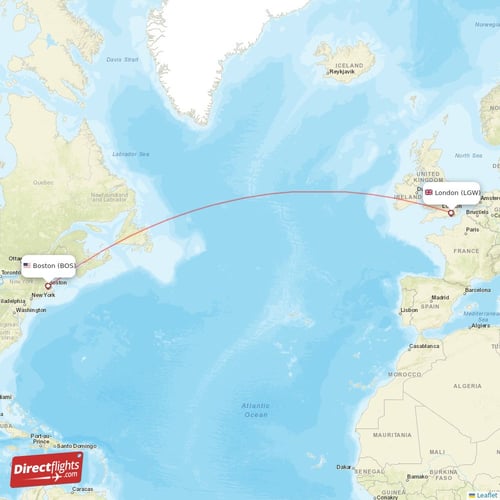
A direct flight from London to Boston spans approximately 3,269 nautical miles (around 3,762 statute miles or 6,054 kilometers). This considerable distance, coupled with a variety of operational and environmental factors, determines the total time spent in the air. For travelers venturing from the United Kingdom to the heart of New England, preparation and knowledge are key to a seamless journey.
The Direct Flight Experience
For the most efficient travel between these two iconic cities, direct flights are undoubtedly the preferred option. A non-stop journey significantly reduces travel time and eliminates the potential stress of layovers and connecting flights. Typically, a direct flight from a major London airport, such as Heathrow Airport (LHR) or Gatwick Airport (LGW), to Boston Logan International Airport (BOS) in Massachusetts will range from 6 hours and 30 minutes to 7 hours and 30 minutes. This duration is for the westbound journey. Eastbound flights, from Boston back to London, often benefit from tailwinds (the jet stream) and can be slightly shorter, typically falling between 5 hours and 30 minutes and 6 hours and 30 minutes. The consistency of these times makes direct flights an attractive proposition for those prioritizing speed and convenience.
Factors Influencing Flight Time
While direct flights offer a relatively consistent experience, several elements can cause slight variations in the stated flight times:
- Jet Stream and Wind Conditions: The most significant natural factor influencing transatlantic flight times is the jet stream, a band of strong westerly winds at high altitudes. Westbound flights (like London to Boston) often fly against the jet stream, which can add time to the journey. Conversely, eastbound flights (Boston to London) often ride with the jet stream, shortening the duration.
- Aircraft Type: Modern aircraft like the Boeing 787 Dreamliner, Airbus A350, and Boeing 777 are designed for long-haul efficiency and speed. The specific model used by an airline can subtly affect flight time, though differences are usually marginal for this route.
- Air Traffic Control (ATC) and Route Optimisation: ATC directives, potential delays at departure or arrival airports, and the chosen flight path (which can be adjusted for weather, efficiency, or other operational reasons) can all contribute to minor variations in the total journey time.
- Take-off and Landing Delays: While not part of the ‘in-air’ flight time, these ground delays can impact the overall travel experience and should be factored into total travel duration.
- Airline Schedules: Airlines often build a buffer into their published flight times to account for potential delays, aiming to maintain punctuality. This means the actual flight time might sometimes be slightly less than scheduled.
Major Airports Serving the Route
The primary airports facilitating travel between these two metropolises are:
- In London:
- Heathrow Airport (LHR): As one of the world’s busiest international airports, Heathrow offers the most frequent and diverse range of flights to Boston.
- Gatwick Airport (LGW): Gatwick also provides direct service to Boston, offering an alternative for travelers depending on their departure point within the UK.
- In Boston:
- Boston Logan International Airport (BOS): Located just a few miles from downtown Boston, Logan International is the primary gateway to Massachusetts and the New England region, handling all international arrivals.
Typical Flight Times and Airlines
Understanding the various flight options and the carriers that operate them is essential for travelers planning their transatlantic crossing. Both direct and connecting flights have their unique advantages and disadvantages, primarily impacting the total duration of the journey.
Non-stop Journeys from London to Boston
For travelers seeking the quickest route, non-stop flights are the optimal choice. The average duration, as mentioned, is approximately 6 hours and 30 minutes to 7 hours and 30 minutes for the westbound leg. This allows passengers to depart London in the morning and arrive in Boston in the early afternoon (local time), providing ample time to settle in or even begin exploring the city on the day of arrival. The convenience of a direct flight minimizes travel fatigue, making it highly desirable for both business and leisure passengers.
Connecting Flights and Their Impact
While direct flights are preferred, connecting flights can sometimes be a more economical option or necessary if direct routes are fully booked or unavailable on specific dates. The total travel time for a connecting flight will vary significantly based on the layover duration and the chosen intermediate airport.
Common connection hubs for flights from London to Boston often include major European cities such as Dublin, Reykjavik, or other large North American airports like New York, Philadelphia, or Washington D.C..
- Layover Duration: A layover can range from a quick 1-hour sprint between gates to an extended 10-hour wait. Factoring in security checks and potential delays, a connecting flight often adds anywhere from 3 to 10+ hours to the total travel time, pushing the overall journey to 10 hours or more.
- Customs and Immigration: For connecting flights via another U.S. city, travelers will typically clear U.S. Customs and Immigration at their first point of entry into the United States. This process can add significant time to the layover, particularly during peak travel periods.
- Luggage Transfer: While airlines generally handle luggage transfer for connecting flights, there’s always a slight risk of misplacement or delay, adding another layer of consideration for travelers opting for this route.
Popular Airlines Operating the Route
Several reputable airlines offer direct service between London and Boston, providing a range of choices in terms of service, comfort, and pricing. Key carriers include:
- British Airways: As the flag carrier of the UK, British Airways offers multiple daily flights from Heathrow to Boston, known for its extensive network and varying cabin classes.
- Virgin Atlantic: Another prominent British airline, Virgin Atlantic provides a distinctive travel experience on this route, often departing from Heathrow.
- Delta Air Lines: A major U.S. carrier, Delta Air Lines operates direct flights from Heathrow, often in partnership with Virgin Atlantic.
- American Airlines: Also a key U.S. airline, American Airlines offers direct flights, primarily from Heathrow, leveraging its expansive global network.
- United Airlines: Another significant U.S. player, United Airlines provides direct service from Heathrow to Boston.
- JetBlue: Known for its competitive pricing and service, JetBlue has recently expanded its transatlantic routes, offering direct flights from London to Boston.
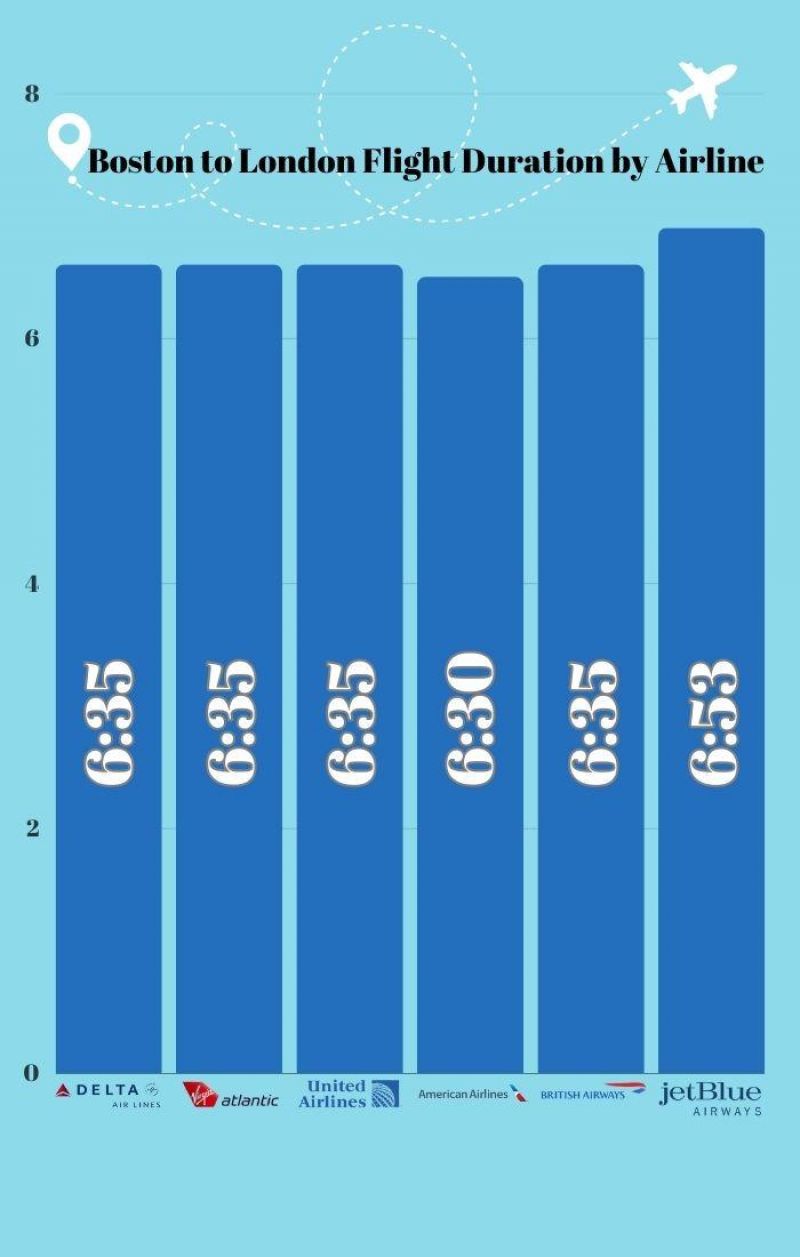
When booking, it is advisable to compare flight times, prices, and amenities offered by these airlines to find the option that best suits individual preferences and budget.
Preparing for Your Transatlantic Journey
A flight from London to Boston is a significant journey, and proper preparation can vastly improve the experience. From managing comfort in the air to mitigating the effects of time zone changes, a thoughtful approach ensures a smoother transition.
Best Practices for Long-Haul Travel
To make your approximately 7-hour flight as comfortable as possible:
- Stay Hydrated: Aircraft cabins have very low humidity, which can lead to dehydration. Drink plenty of water before and during your flight, and limit alcohol and caffeine intake.
- Move Around: To prevent stiffness and reduce the risk of deep vein thrombosis (DVT), get up and walk around the cabin every couple of hours. Perform simple leg and foot exercises while seated.
- Dress Comfortably: Wear loose-fitting clothing in layers, as cabin temperatures can fluctuate.
- Pack Essentials in Carry-on: Keep items like medications, a travel pillow, eye mask, earplugs, toiletries, and entertainment in your carry-on bag for easy access.
- Noise-Canceling Headphones: These are invaluable for blocking out engine noise and chatter, allowing for better rest or focus.
Navigating Time Zones and Jet Lag
The time difference between London (GMT/BST) and Boston (EST/EDT) is usually 5 hours. When traveling from London to Boston, you “gain” time, which can sometimes make jet lag slightly less severe than eastbound travel, but it still requires management.
- Adjust Before You Fly: A few days before departure, try to gradually shift your sleep schedule closer to Boston’s time zone.
- Embrace Local Time: Upon arrival, immediately adjust your watch and try to stick to Boston’s local schedule for meals and sleep.
- Seek Sunlight: Exposure to natural light helps reset your body clock. Spend time outdoors during the day in Boston.
- Stay Active (But Don’t Overtire): Gentle exercise can help, but avoid intense workouts right after landing.
In-Flight Amenities and Comfort
Modern transatlantic flights are equipped with amenities designed to enhance comfort and entertainment during the journey:
- In-flight Entertainment: Most airlines offer extensive libraries of movies, TV shows, music, and games on personal seat-back screens.
- Wi-Fi Connectivity: Many carriers now provide in-flight Wi-Fi, often for a fee, allowing passengers to stay connected.
- Meal Service: Expect at least one main meal service and usually a lighter snack or breakfast before landing. Dietary restrictions can typically be accommodated if requested in advance.
- Power Outlets: USB ports and power outlets are increasingly common, allowing passengers to charge their electronic devices.
Beyond the Flight: Arriving in Boston
Upon landing at Boston Logan International Airport, the journey isn’t quite over. Navigating the airport and getting into the city are the final steps before you can fully immerse yourself in the Massachusetts experience.
From Logan International to Downtown
Boston Logan International Airport (BOS) is remarkably close to downtown Boston, making transit relatively quick and convenient:
- The MBTA Silver Line: This free bus service connects all airport terminals to South Station, a major transportation hub in downtown Boston, offering connections to subway lines and commuter rail.
- Taxis and Ride-Shares: Available outside each terminal, taxis and ride-share services like Uber and Lyft offer direct routes to your accommodation.
- Water Taxis: A scenic and often quicker option, water taxis connect the airport docks to various points along the Boston waterfront.
- Rental Cars: Numerous car rental agencies operate at the airport for those planning to explore beyond the city limits.
Exploring Boston’s Appeal
Once you’ve settled in, Boston offers a wealth of attractions and experiences. From its pivotal role in American history to its vibrant modern culture, the city caters to diverse interests:
- Historical Sites: Walk the Freedom Trail to discover iconic landmarks like Faneuil Hall Marketplace, the Old North Church, and the Bunker Hill Monument.
- World-Class Museums: Immerse yourself in art at the Museum of Fine Arts or the unique Isabella Stewart Gardner Museum.
- Parks and Green Spaces: Enjoy a stroll through the Boston Common and the adjacent Public Garden, especially beautiful in spring and fall.
- Culinary Scene: Savor fresh seafood, particularly clam chowder and lobster rolls, and explore the diverse neighborhoods, each with its own culinary flair.
Planning Your Return Journey
When planning your return flight from Boston to London, remember that the flight duration will likely be shorter, typically between 5 hours and 30 minutes to 6 hours and 30 minutes, thanks to the prevailing tailwinds of the jet stream. Be prepared for a more significant impact from jet lag upon returning to London due to the time “loss.” Allow yourself adequate time to adjust back to the UK time zone.
In conclusion, a direct flight from London to Boston is a manageable journey of around 6.5 to 7.5 hours. By understanding the factors at play and preparing effectively, travelers can ensure a comfortable and enjoyable transatlantic experience, setting the stage for a memorable visit to the historical heart of Massachusetts.
LifeOutOfTheBox is a participant in the Amazon Services LLC Associates Program, an affiliate advertising program designed to provide a means for sites to earn advertising fees by advertising and linking to Amazon.com. Amazon, the Amazon logo, AmazonSupply, and the AmazonSupply logo are trademarks of Amazon.com, Inc. or its affiliates. As an Amazon Associate we earn affiliate commissions from qualifying purchases.