
Embarking on a transatlantic journey from London to Chicago is an exciting prospect, bridging two vibrant global cities. One of the most common initial queries for any prospective traveler is, naturally, the flight duration. Understanding the intricacies of this journey, from average flight times to factors that can influence them, is crucial for planning a smooth and enjoyable trip. While the exact time can vary, direct flights typically offer the quickest route, making the vast expanse of the Atlantic feel a little less daunting.
Understanding Transatlantic Flight Durations
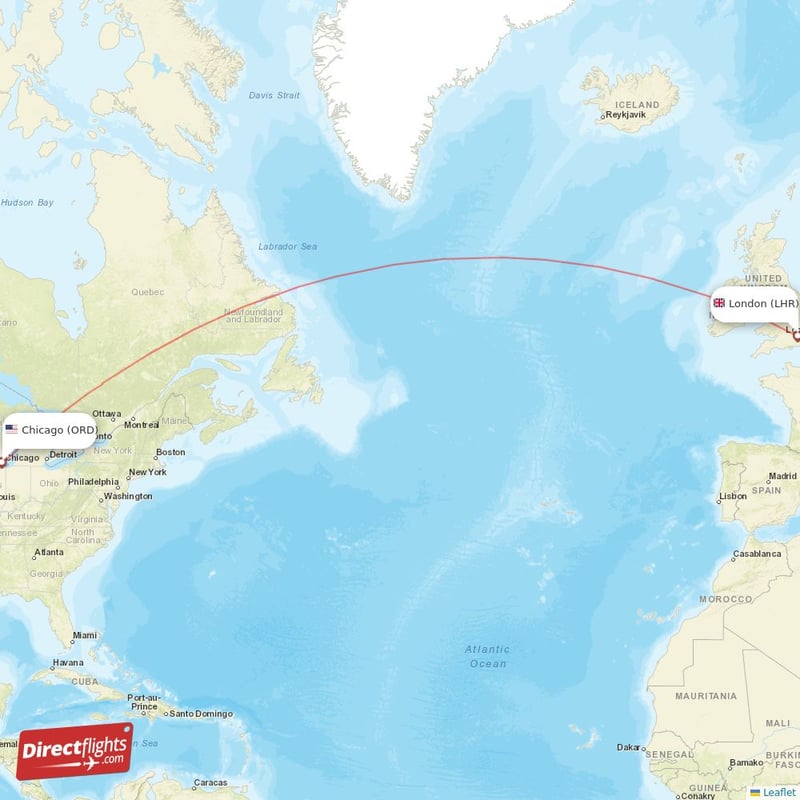
The direct flight from London to Chicago is a significant journey, covering approximately 3,950 miles (6,357 kilometers). For a non-stop service, passengers can expect to be in the air for an average of 7 hours and 45 minutes to 8 hours and 30 minutes. This timeframe primarily applies to westbound flights, which often contend with prevailing headwind conditions, making them slightly longer than eastbound flights on the return leg.

Several factors contribute to the variability of flight times. The most significant is the jet stream, a fast-flowing, narrow air current found in the atmosphere. Flying against the jet stream, as is typically the case when heading west across the Atlantic, can add considerable time to a flight. Conversely, flying with it can shorten the journey. Modern aircraft types, such as the Boeing 787 Dreamliner or Airbus A350, are designed for efficiency and speed over long distances, but even they are subject to atmospheric conditions. Air traffic control routing and congestion, particularly around busy international airports like London Heathrow or Chicago O’Hare, can also lead to minor adjustments in flight paths and durations. Therefore, while an average is a good guide, travelers should always allow for slight fluctuations.
Direct Flights vs. Connecting Journeys
When planning your trip across the Atlantic, you’ll generally have two primary options: a direct flight or a connecting flight. Each comes with its own set of advantages and considerations regarding overall travel time and convenience.
Direct Routes and Airlines
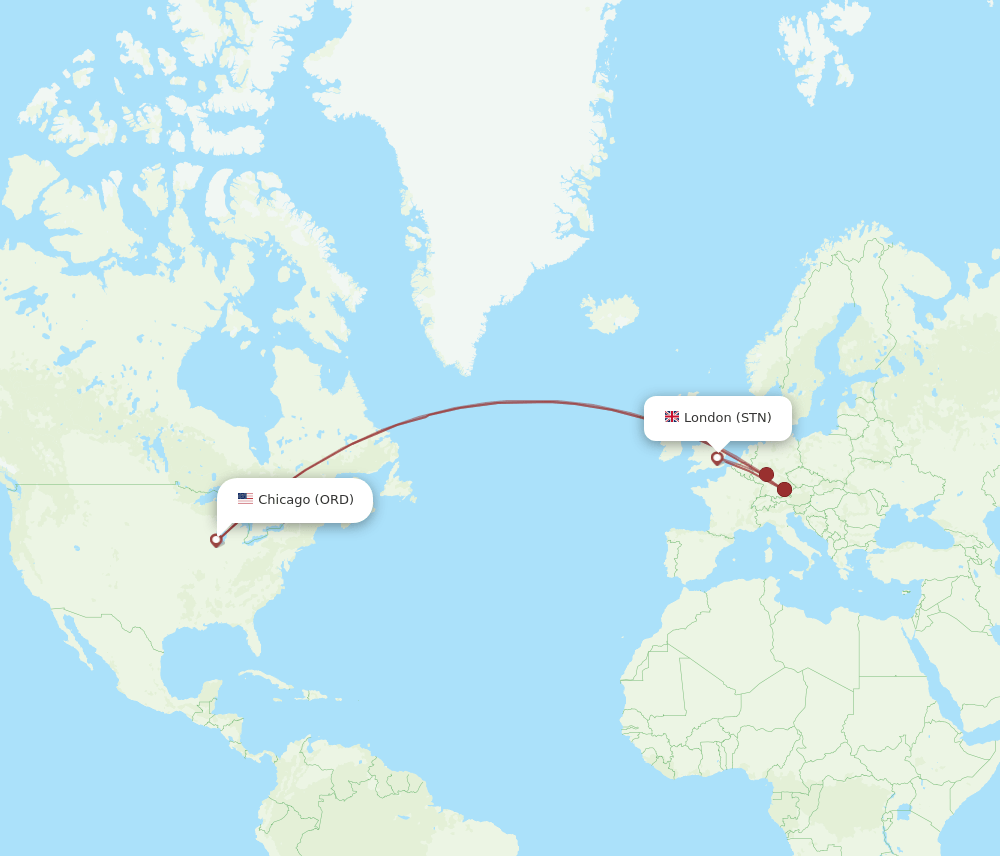
Direct flights offer the most straightforward and time-efficient way to travel from London to Chicago. These services typically depart from London Heathrow Airport (LHR) and arrive at Chicago O’Hare International Airport (ORD). A number of major international airlines operate this popular route, providing passengers with various choices in terms of schedules, service, and cabin classes.
Prominent carriers flying direct include British Airways, United Airlines, American Airlines, and Virgin Atlantic. These airlines usually offer multiple daily flights, providing flexibility for travelers. Choosing a direct flight means minimal disruption, a single boarding process, and a significantly reduced chance of missing connecting flights due to delays. The average flight time, as mentioned, hovers around 7 hours 45 minutes to 8 hours 30 minutes, representing the pure airborne duration. This is, without doubt, the preferred option for those prioritizing speed and convenience.
The Connecting Flight Reality
While direct flights are ideal, there are circumstances where a connecting journey becomes necessary or even preferable. Travelers might opt for connecting flights due to lower fares, specific loyalty program benefits, or if direct flights are unavailable on their desired dates. However, it’s crucial to understand that a connecting flight will significantly extend your total travel time.
A typical connecting flight from London to Chicago could involve a layover in another major hub city, such as Dublin, Amsterdam, Frankfurt, or even an East Coast USA city like New York. The total travel time for these itineraries can range from 10 hours to 15 hours or more, depending heavily on the duration of the layover. A short layover of 1-2 hours might keep the total time closer to the lower end, but longer layovers, often necessitated by flight schedules or cost savings, can stretch the journey considerably.
It’s also important to factor in potential delays at connecting airports, which can compound travel time and stress. While some travelers enjoy breaking up a long journey with a layover, the overall efficiency is undeniably reduced. When booking connecting flights, pay close attention to the layover times, ensuring enough buffer to comfortably make your connection, especially if you need to pass through customs or change terminals.
Navigating Time Zones and Jet Lag
Beyond the physical duration of the flight, a significant aspect of transatlantic travel is the transition across multiple time zones, which directly leads to the phenomenon of jet lag. Understanding and preparing for this can greatly impact your initial days in Chicago.
The Time Difference
London operates on Greenwich Mean Time (GMT) or British Summer Time (BST) during the warmer months. Chicago, on the other hand, is in the Central Time Zone (CT), specifically Central Standard Time (CST) or Central Daylight Time (CDT). The key difference is that Chicago is 6 hours behind London.
This 6-hour shift means that if you depart London at, say, 10:00 AM local time, and your flight is 8 hours, you would land in Chicago at roughly 6:00 PM London time. However, adjusting for the time difference, you would arrive in Chicago around 12:00 PM local time. This seemingly advantageous arrival time, landing earlier in the day than you departed in your home time, often masks the underlying biological adjustment your body needs to make.
Strategies for Minimizing Jet Lag
Jet lag is a temporary sleep disorder caused by rapid travel across multiple time zones, disrupting the body’s natural circadian rhythm. Common symptoms include fatigue, irritability, difficulty sleeping at night, and gastrointestinal issues. While it’s nearly impossible to avoid entirely, several strategies can help minimize its effects:
- Adjust Your Sleep Schedule Gradually: A few days before your flight, try to shift your bedtime and wake-up time closer to Chicago local time. For a westbound flight, this means going to bed and waking up later than usual.
- Stay Hydrated: Drink plenty of water before, during, and after your flight. Dehydration can exacerbate jet lag symptoms. Avoid excessive caffeine and alcohol, as they can interfere with sleep and hydration.
- Strategize Sleep on Board: Try to sleep on the plane if it aligns with the nighttime hours in Chicago. Use eye masks, earplugs, and a neck pillow to create a conducive sleep environment.
- Embrace Natural Light: Upon arrival in Chicago, expose yourself to natural sunlight as much as possible, especially in the morning. This helps reset your body clock. Avoid bright lights in the evening.
- Stay Active: Gentle exercise, like walking, can help you feel more alert and tired at the right times.
- Eat According to Local Time: Try to eat your meals at appropriate times for [Chicago](https://lifeoutofthebox.com/chicago], even if you don’t feel hungry.
While breaking the journey with a stopover might seem appealing for severe jet lag sufferers, it’s generally counterproductive for a 6-hour time difference, as it often prolongs the overall adjustment period without significant benefits.
Enhancing Your Transatlantic Flight Experience
A long-haul flight doesn’t have to be a chore. With some thoughtful preparation and an understanding of what to expect, you can make the journey from London to Chicago a comfortable and even enjoyable part of your travel experience.
Pre-Flight Preparations
Effective preparation starts long before you reach the airport. Booking your flight well in advance, especially during peak seasons, can secure better fares and preferred seat selections. If you value extra legroom or specific seating arrangements, consider selecting your seat early or exploring premium economy/business class options.
Essential packing for a long flight includes a neck pillow, comfortable clothing layers, noise-cancelling headphones, and personal entertainment such as books, tablets loaded with movies, or podcasts. Don’t forget any necessary medications, a travel adapter for charging electronics, and a small toiletries bag. Always check your airline’s baggage allowance to avoid unexpected fees.
Crucially, ensure all your travel documentation is in order. For most UK citizens and many other nationalities, travel to the USA requires an approved ESTA (Electronic System for Travel Authorization) prior to departure. Verify your passport’s validity well in advance, as some countries require it to be valid for at least six months beyond your intended stay.
In-Flight Comfort and Entertainment
Modern transatlantic aircraft are equipped with amenities designed to make your journey more comfortable. Most major airlines offer personal in-flight entertainment (IFE) systems with a vast selection of movies, TV shows, music, and games. Wi-Fi is often available, though sometimes for an additional fee, allowing you to stay connected.
To enhance comfort, periodically get up and walk around the cabin, if permitted. Perform simple stretches in your seat to maintain circulation and prevent stiffness. Airlines often provide meals and snacks, but it’s wise to pack some of your preferred healthy snacks if you have dietary restrictions or preferences. Staying hydrated is paramount; accept water regularly from the cabin crew.
Consider wearing compression socks to prevent swelling in your legs and feet. Adjust your watch to Chicago time shortly after takeoff to begin acclimatizing psychologically.
Arrival and Onward Travel in Chicago
Upon arrival at Chicago O’Hare International Airport, the journey isn’t quite over. You’ll need to clear immigration and customs. This process can vary in duration depending on the time of day and passenger volume, but generally, expect to spend 30 minutes to an hour, potentially longer during peak periods. Have your passport and customs declaration form (if required) ready.
Once cleared, you’ll collect your checked luggage and proceed through the final customs check. O’Hare is a large airport, but it’s well-connected to downtown Chicago and surrounding areas. The most economical and efficient way to reach the city center is via the CTA Blue Line train, which operates 24/7 directly from the airport terminals. Taxis, ride-sharing services, and airport shuttles are also readily available, offering more direct but pricier options.
Beyond the Flight: Planning Your Chicago Adventure
After successfully navigating the transatlantic flight and settling into Chicago, the true adventure begins. This vibrant metropolis offers an incredible array of experiences, from its stunning architecture and world-class museums to its legendary food scene and lively neighborhoods. Having meticulously planned your flight and arrival logistics allows you to transition smoothly into exploring everything this iconic American city has to offer. Whether you’re visiting for business or leisure, the journey from London to Chicago is just the beginning of an unforgettable experience.
LifeOutOfTheBox is a participant in the Amazon Services LLC Associates Program, an affiliate advertising program designed to provide a means for sites to earn advertising fees by advertising and linking to Amazon.com. Amazon, the Amazon logo, AmazonSupply, and the AmazonSupply logo are trademarks of Amazon.com, Inc. or its affiliates. As an Amazon Associate we earn affiliate commissions from qualifying purchases.