
Embarking on a journey from the historic streets of Boston to the sun-drenched shores of Hawaii is a quintessential American travel experience, bridging the continental United States with its tropical Pacific outpost. This transcontinental and trans-Pacific flight is one of the longest domestic routes available, demanding significant travel time. While the allure of volcanic landscapes, pristine beaches, and vibrant Polynesian culture is immense, understanding the logistics, particularly the flight duration, is crucial for planning your dream Hawaiian escape.
The Non-Stop Reality: Direct Flights from Boston to Hawaii
For many years, a direct flight from Boston to Hawaii was a rarity, often requiring at least one stop on the West Coast. However, with advancements in aircraft technology and increased demand, non-stop options have emerged, making the journey more streamlined for travelers departing from New England.
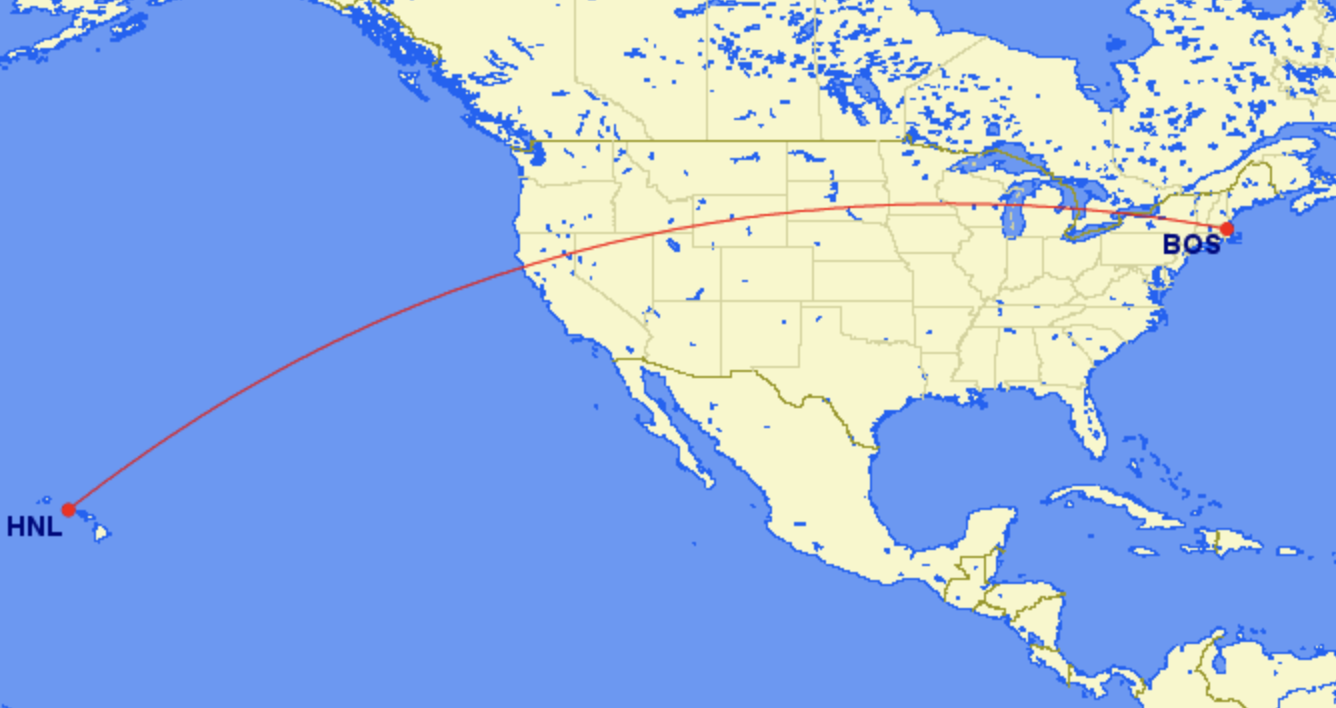
Typical Flight Duration
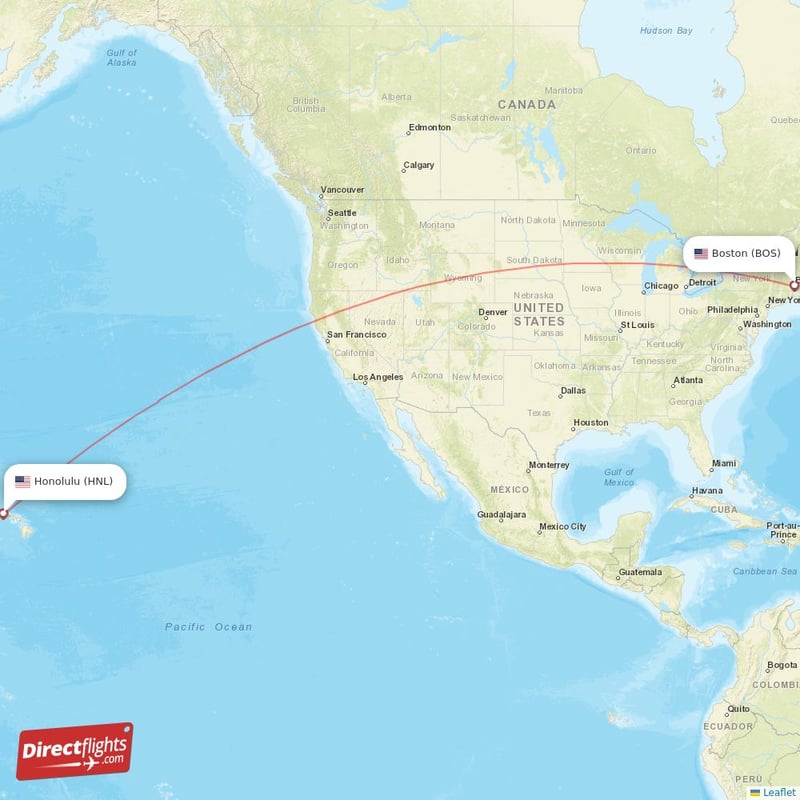
A non-stop flight from Boston Logan International Airport (BOS) to Daniel K. Inouye International Airport (HNL) in Honolulu, Oahu, typically ranges from 10 to 11 hours. This makes it one of the longest direct domestic flights in the world. The exact duration can vary slightly depending on factors such as specific airline, aircraft type, wind patterns (especially the jet stream), and air traffic control routing. Flying eastward on the return journey can sometimes be a bit shorter due to favorable tailwinds, often shaving 30 minutes to an hour off the flight time.
Key Airlines and Routes
As of recent years, Hawaiian Airlines has been a primary carrier offering direct service from Boston to Honolulu. These flights are often operated by wide-body aircraft like the Airbus A330, designed for long-haul comfort. While non-stop options are incredibly convenient, they may not be available daily or year-round, depending on seasonal demand and airline scheduling. Travelers should always check directly with airlines or use flight comparison websites to find the most current direct flight options and schedules.
The Common Scenario: Flights with Layovers
Despite the existence of non-stop flights, the majority of travelers from Boston to Hawaii will find themselves connecting through a major hub, usually on the West Coast. This is often due to cost savings, more flexible scheduling, or simply the wider availability of seats.
Major Hubs for Connecting Flights
West Coast cities serve as crucial gateways for flights to Hawaii. Common layover cities for flights originating in Boston include:
- Los Angeles International Airport (LAX)
- San Francisco International Airport (SFO)
- Seattle-Tacoma International Airport (SEA)
- Phoenix Sky Harbor International Airport (PHX)
- Portland International Airport (PDX)
Other hubs further east, such as Chicago O’Hare International Airport (ORD), Dallas/Fort Worth International Airport (DFW), or Denver International Airport (DEN), might also serve as connection points, though this adds significant time to the first leg of the journey. Major airlines like Delta Air Lines, United Airlines, American Airlines, Southwest Airlines, and Alaska Airlines frequently operate these routes.
Impact of Layover Duration
The duration of your layover can dramatically impact your total travel time. A quick, efficient connection might be as short as 1 to 2 hours, whereas longer layovers could extend to 4, 6, or even 8+ hours. While a longer layover can be tiresome, it can also offer an opportunity to stretch your legs, grab a proper meal, or even explore a bit of the layover city if it’s substantial enough. For example, a lengthy stopover in Los Angeles could allow for a quick trip to the beach or a meal outside the airport.
Total Travel Time Expectations
When factoring in a layover, the total travel time from Boston to Hawaii can range from 13 to 18 hours or more.
- First Leg (Boston to West Coast hub): Approximately 5.5 to 7 hours.
- Layover: 1 to 8+ hours.
- Second Leg (West Coast hub to Hawaii): Approximately 5.5 to 6.5 hours.
It’s important to account for potential delays, security lines, and the time needed to navigate large airports. When booking, always check the total journey time, not just the flight segments.
Factors Influencing Flight Duration
Several variables can influence how long your flight from Boston to Hawaii actually takes. Understanding these can help set realistic expectations and potentially inform your booking decisions.

Aircraft Type and Air Speed
Different aircraft models have varying cruising speeds and efficiencies. Newer, more advanced wide-body jets, such as the Boeing 787 Dreamliner or the Airbus A350, are designed for long-haul routes and can often complete the journey slightly faster than older models. Their fuel efficiency also allows for more direct routing without needing to carry as much heavy fuel.
Weather Conditions and Jet Streams
Weather plays a significant role in flight times. Strong headwinds, particularly the powerful jet stream that generally flows from west to east across the United States and the Pacific Ocean, can slow down eastbound flights. Conversely, a flight heading westward may benefit from tailwinds, potentially reducing the flight duration. Severe weather phenomena like thunderstorms or strong frontal systems can also necessitate re-routing, adding to the flight path and time.
Air Traffic Control and Route Optimization
Air traffic control (ATC) manages the flow of aircraft in the skies. Delays can occur due to congestion at departure or arrival airports, or along the flight path. Airlines and ATC constantly work to optimize routes for efficiency, fuel consumption, and passenger comfort, but unforeseen events can always lead to adjustments in flight plans and, consequently, flight times.
Preparing for a Trans-Pacific Journey
A flight of 10+ hours is a significant undertaking. Proper preparation can make the long journey from Boston to Hawaii much more comfortable and enjoyable.
Maximizing Comfort on Long Flights
- Choose your seat wisely: If possible, select an aisle seat for easier movement, or a window seat if you prefer to lean and sleep. Exit row or bulkhead seats offer more legroom but may come with restrictions. Consider premium economy or business class for significantly enhanced comfort.
- Dress in layers: Cabin temperatures can fluctuate. Wear loose, comfortable clothing and bring a light sweater or blanket.
- Stay hydrated: Drink plenty of water and avoid excessive alcohol and caffeine, which can contribute to dehydration and discomfort.
- Move frequently: Stand up, stretch, and walk around the cabin periodically to promote circulation and prevent stiffness. Perform simple stretches in your seat.
- Entertainment: Load up your devices with movies, TV shows, podcasts, and e-books. Don’t rely solely on in-flight entertainment, which might be limited or experience technical issues. Noise-canceling headphones are a game-changer.
- Sleep aids: An eye mask, earplugs, and a travel pillow can significantly improve your chances of getting quality rest.
Managing Time Zones and Jet Lag
Hawaii operates on Hawaii Standard Time (HST), which is typically 5 to 6 hours behind Eastern Standard Time (EST), depending on Daylight Saving Time. This significant time difference means you’ll “lose” a large chunk of your day traveling westward.
- Adjust gradually: A few days before your flight, try to shift your sleep schedule closer to Hawaii time.
- Hydrate: As mentioned, water is your best friend against jet lag.
- Sunlight exposure: Once you arrive, try to get immediate exposure to natural light to help reset your body clock. Spend time outdoors in the morning.
- Adapt to local time: Eat meals and go to bed according to local time as soon as you arrive, even if you’re not hungry or tired.
- Avoid naps: While tempting, long naps can disrupt your nighttime sleep. If you must nap, keep it short (20-30 minutes).
Packing Essentials for the Flight
Beyond the usual travel documents, consider these items for your carry-on:
- Power bank: Keep your devices charged.
- Medication: Any necessary prescriptions, plus over-the-counter pain relievers, motion sickness pills, and allergy medication.
- Toiletries: Toothbrush, toothpaste, moisturizer, lip balm, and hand sanitizer.
- Snacks: While food is provided on long flights, having your favorite healthy snacks can be a lifesaver.
- Compression socks: These can help prevent swelling and improve circulation on long flights.
Choosing Your Hawaiian Island Destination
While most flights from Boston will land in Honolulu, Oahu, Hawaii offers a diverse array of islands, each with its unique charm. You might need to take an inter-island flight to reach your final destination, which typically adds another 30-60 minutes to your travel time.
Oahu: The Gateway Island
Oahu is the most populated and developed island, home to Honolulu, the iconic Waikiki Beach, and historical sites like Pearl Harbor. It offers a vibrant mix of city life, surf culture, and natural beauty.
Maui: Island of Valleys
Maui is renowned for its stunning beaches, the scenic Road to Hana, and the breathtaking sunrise from Haleakala National Park. Flights typically arrive at Kahului Airport (OGG).
Big Island: Volcanic Wonders
The Big Island of Hawaii is unique for its active volcanoes within Hawaii Volcanoes National Park, diverse climate zones, and black sand beaches. Primary airports are Kona International Airport (KOA) on the west side and Hilo International Airport (ITO) on the east.
Kauai: The Garden Isle
Kauai is the oldest and northernmost of the main Hawaiian Islands, known for its lush, dramatic landscapes, including the majestic Na Pali Coast and Waimea Canyon. Flights arrive at Lihue Airport (LIH).
Regardless of your chosen island, the journey from Boston to Hawaii is a significant investment of time, but one that promises an unparalleled reward. With careful planning and a good understanding of what to expect, your long flight will be a comfortable prelude to the paradise that awaits.
LifeOutOfTheBox is a participant in the Amazon Services LLC Associates Program, an affiliate advertising program designed to provide a means for sites to earn advertising fees by advertising and linking to Amazon.com. Amazon, the Amazon logo, AmazonSupply, and the AmazonSupply logo are trademarks of Amazon.com, Inc. or its affiliates. As an Amazon Associate we earn affiliate commissions from qualifying purchases.