
Dreaming of escaping the dazzling lights and desert heat of Las Vegas for the sun-drenched shores and lush landscapes of Hawaii? The allure of the Hawaiian Islands is undeniable, promising a vacation filled with relaxation, adventure, and a unique cultural experience. However, before you start packing your aloha shirts and flip-flops, a crucial piece of information is understanding the travel time. The question, “How long is a flight to Hawaii from Las Vegas?” is a fundamental one for any traveler planning this Pacific getaway. While there isn’t a single, definitive answer due to various factors, we can provide a comprehensive overview to help you manage your expectations and plan your journey seamlessly.
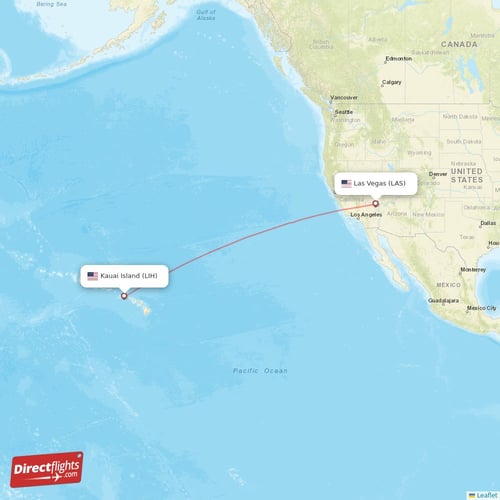
The flight duration from Las Vegas to Hawaii is primarily determined by the specific island you’re flying into, whether you have a direct flight or layovers, and prevailing wind conditions. Hawaii is an archipelago, and each island offers a distinct experience, from the bustling energy of Oahu to the natural wonders of the Big Island or the serene beauty of Maui. Understanding these nuances will not only answer your question about flight times but also help you choose the perfect Hawaiian destination for your needs.
Direct Flights vs. Flights with Layovers: The Biggest Time Factor
The most significant variable influencing the flight duration from Las Vegas to Hawaii is the presence or absence of a direct flight. Las Vegas McCarran International Airport (LAS) does offer direct, non-stop flights to some of Hawaii’s major islands. These are, understandably, the quickest way to reach paradise.
The Speed of Non-Stop Flights
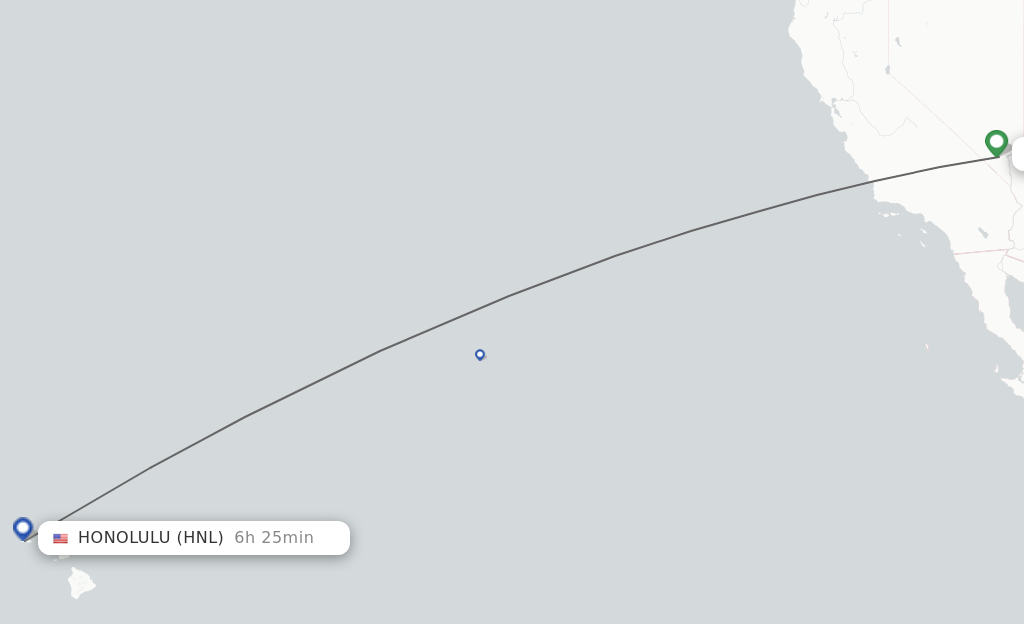
When you opt for a direct flight from Las Vegas to Hawaii, you’re looking at an average flight time of approximately 5 to 6 hours. This timeframe generally applies to flights heading to Honolulu International Airport (HNL) on the island of Oahu, which is the most common entry point for many travelers. Depending on the specific airline, aircraft, and prevailing wind patterns (which can influence flight paths and speeds), this duration can be slightly shorter or longer.
For example, a direct flight from Las Vegas to Honolulu might clock in around 5 hours and 30 minutes. If your destination is another island like Maui (Kahului Airport – OGG), Kauai (Lihue Airport – LIH), or Kona (Kona International Airport – KOA) on the Big Island, the flight time will be similar, often ranging between 5 hours and 45 minutes to 6 hours and 15 minutes. These direct routes are highly sought after as they minimize travel time, allowing you to maximize your precious vacation days.
The Extended Journey of Flights with Layovers
Conversely, if a direct flight isn’t available or doesn’t fit your budget or schedule, you’ll likely be looking at flights with one or more layovers. These flights can significantly extend your travel time, transforming a relatively short hop into a full-day or even an overnight journey.
Common layover cities for flights from Las Vegas to Hawaii include major West Coast hubs like Los Angeles, San Francisco, Seattle, or sometimes even further afield. The length of the layover is the primary determinant of the total travel time. A short layover of 1-2 hours might only add an hour or two to your overall trip, but longer layovers of 4-6 hours, or even overnight connections, can push your total travel time to 10-15 hours or more.
Consider a flight from Las Vegas to Maui with a layover in San Francisco. You might have a 5.5-hour flight to San Francisco, a 3-hour layover, and then another 5-hour flight to Maui. This adds up to 13.5 hours of travel, excluding time for deplaning, re-boarding, and potential delays. When booking, always scrutinize the total travel duration, not just the flight segments, to get a true picture of your journey.
Factors Influencing Flight Duration Beyond Direct vs. Layover
While the direct vs. layover distinction is paramount, several other factors can subtly influence how long your flight to Hawaii from Las Vegas takes.
Island Destination: A Matter of Miles
As mentioned, Hawaii is not a monolithic destination. It comprises several major islands, each with its own international airport. The geographical distance from Las Vegas varies slightly between these islands, which can contribute to minor differences in flight times.
- Oahu (Honolulu International Airport – HNL): Typically the closest major island to Las Vegas by air.
- Maui (Kahului Airport – OGG): Slightly further than Oahu, but still a common direct flight destination.
- Kauai (Lihue Airport – LIH): Similar in distance to Maui.
- Big Island (Kona International Airport – KOA or Hilo International Airport – ITO): Kona is generally a bit further than Oahu, while Hilo might be comparable or slightly longer depending on the flight path.
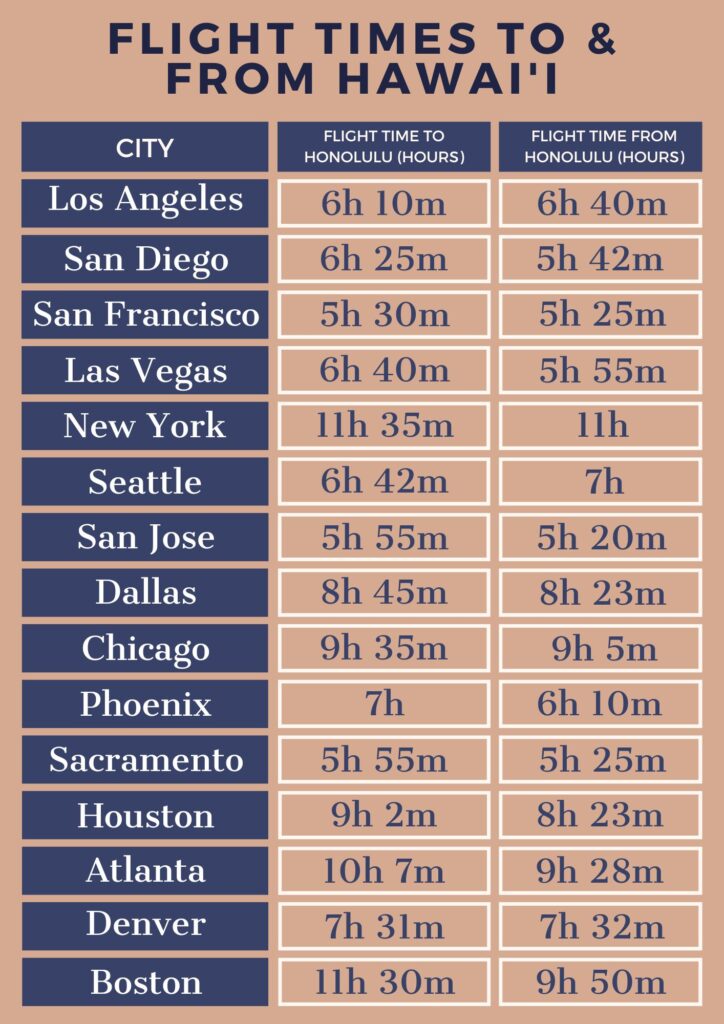
These differences are usually in the range of 15-30 minutes for direct flights. When planning, it’s worth noting that even a small difference in flight time can be more significant if you’re dealing with multiple layovers.
Airline and Aircraft: The Technology Factor
Different airlines operate various types of aircraft, and their cruising speeds can vary. While the differences are often marginal in the context of a transcontinental flight, a more modern, faster aircraft could shave a few minutes off the journey. Similarly, airline routing can sometimes be influenced by factors like air traffic control or fuel efficiency considerations, leading to slight variations.
Wind Conditions: The Invisible Force
The Pacific Ocean is subject to prevailing winds, most notably the trade winds. These winds generally blow from east to west. Flights traveling westward to Hawaii from the mainland United States often benefit from tailwinds, which can shorten the flight time. Conversely, flights returning to the mainland from Hawaii may encounter headwinds, increasing their flight duration. While these effects are more pronounced on longer eastbound or westbound trans-Pacific flights, they can still play a minor role in the Las Vegas to Hawaii route, typically affecting direct flights by perhaps 15-30 minutes.
Planning Your Trip: Beyond the Flight Time
Understanding the flight duration is essential, but it’s only one piece of the puzzle when planning a trip from Las Vegas to Hawaii. Consider these additional aspects to ensure a smooth and enjoyable travel experience.
Choosing Your Hawaiian Island: A Spectrum of Experiences
The “best” Hawaiian island for you depends entirely on your travel style and what you’re looking for in a vacation.
- Oahu: If you crave a blend of city life, historical landmarks, world-famous beaches, and a vibrant food scene, Oahu is your island. Honolulu offers everything from the iconic Waikiki Beach and the historic Pearl Harbor to the lush hiking trails of Diamond Head.
- Maui: Known for its breathtaking natural beauty, Maui is ideal for romance, adventure, and relaxation. Drive the scenic Road to Hana, witness a sunrise at Haleakalā National Park, or enjoy the pristine beaches of Ka’anapali.
- Kauai: The “Garden Isle” is a nature lover’s paradise, characterized by dramatic cliffs, verdant rainforests, and stunning waterfalls. Explore the majestic Na Pali Coast, hike through Waimea Canyon, and discover secluded beaches.
- Big Island (Hawaii Island): This island offers unparalleled geological diversity, from active volcanoes at Hawaii Volcanoes National Park to black sand beaches and snorkeling in Kealakekua Bay. It’s a destination for those seeking awe-inspiring natural phenomena.
Your chosen island will dictate which airport you fly into, and as we’ve seen, this can subtly affect flight times.
Accommodation Options: From Luxury Resorts to Cozy Condos
Once you’ve decided on your island paradise, the next step is to secure your accommodation. Hawaii offers a vast array of lodging options to suit every budget and preference, aligning perfectly with the various lifestyle aspects of travel.
- Luxury Resorts: For those seeking indulgence, Hawaii boasts world-class resorts like the Four Seasons Resort Maui at Wailea or the Grand Hyatt Kauai Resort & Spa. These properties often feature stunning ocean views, exquisite dining, and a host of amenities such as multiple swimming pools, spas, and private beach access.
- Family-Friendly Hotels and Resorts: Many hotels cater specifically to families, offering kids’ clubs, family suites, and activities designed to entertain all ages.
- Apartments and Villas: For longer stays or families/groups seeking more space and independence, renting an apartment or villa can be an excellent choice. These often come with full kitchens, allowing for cost savings on dining and a more home-like experience. Websites specializing in vacation rentals can help you compare options and read reviews from previous guests.
- Budget-Friendly Stays: While Hawaii can be an expensive destination, budget-conscious travelers can find more affordable options such as charming boutique hotels, guesthouses, or even well-located vacation rentals slightly off the main tourist strips.
Experiencing Local Culture and Activities
Beyond the flight and your stay, immerse yourself in the rich Hawaiian culture and diverse activities available.
- Local Cuisine: Don’t miss the opportunity to savor authentic Hawaiian food. From fresh seafood and traditional luaus to local favorites like poke bowls and shave ice, your taste buds are in for a treat. Explore local markets and food trucks for genuine flavors.
- Cultural Immersion: Engage with the local culture through hula performances, historical sites, and learning about Hawaiian traditions. Visiting ancient heiau (temples) or learning about the history of the monarchy adds depth to your travel experience.
- Outdoor Adventures: Hawaii is an adventurer’s playground. Hike through volcanic landscapes, surf world-renowned waves, snorkel or dive in crystal-clear waters teeming with marine life, or take a helicopter tour for unparalleled aerial views of its dramatic scenery. Famous landmarks like the Diamond Head crater on Oahu or the towering sea cliffs of the Na Pali Coast on Kauai offer unforgettable experiences.
In conclusion, the question of “How long is a flight to Hawaii from Las Vegas?” primarily revolves around whether you choose a direct flight, which typically takes around 5 to 6 hours, or a flight with layovers, which can extend the journey to 10-15 hours or more. By understanding these key differences and considering the various factors that influence travel time, along with the diverse offerings of Hawaii’s islands, you can better plan your escape to this tropical paradise. Happy travels!